


It’s normal if credit cards make you feel confused. For many people, credit cards appear as they become adults, offered at checkout, suggested by a bank app, or recommended by a friend, long before anyone clearly explains how they actually work. When used well, a credit card can make life smoother and help you build financial stability. Used carelessly, it can quietly drain your money and peace of mind.
This guide is designed to change that. We’ll walk through how credit cards really work, why they can be useful, where people get into trouble, and how to use them safely in everyday life.
What a Credit Card Really Is (and What It Isn’t)
At its core, a credit card is a short-term loan you can use repeatedly.
When you swipe, tap, or enter your card number online, you aren’t spending your own money right away. You’re borrowing money from the card issuer, with the agreement that you’ll pay it back later.
Because credit cards involve borrowing, they come with interest charges (if you don’t pay in full), credit limits, and an impact on your credit score. That borrowing element is what makes credit cards powerful and risky.
Credit Cards vs. Debit Cards
This distinction is more important than many people realize: debit cards spend money directly from your bank account, while credit cards cover the purchase first and require you to pay it back later.
How Credit Cards Work Behind the Scenes
Your Credit Limit Explained
Your credit limit is the maximum amount you’re allowed to borrow at one time, set by the card issuer based on factors like your income, credit history, and existing debt. For example, if your limit is $5,000, you can charge up to that amount, and as you pay down the balance, your available credit opens back up. This structure is known as revolving credit.
Billing Cycles, Statements, and Due Dates
Each month, your card goes through a cycle:
- You make purchases throughout the month
- The billing cycle closes (usually every 30 days)
- You receive a statement showing total balance, minimum payment, and due date
- You make a payment by the due date
If you pay the statement balance in full, you usually avoid interest on purchases. If you don’t, interest starts working against you.
Understanding Credit Card Interest
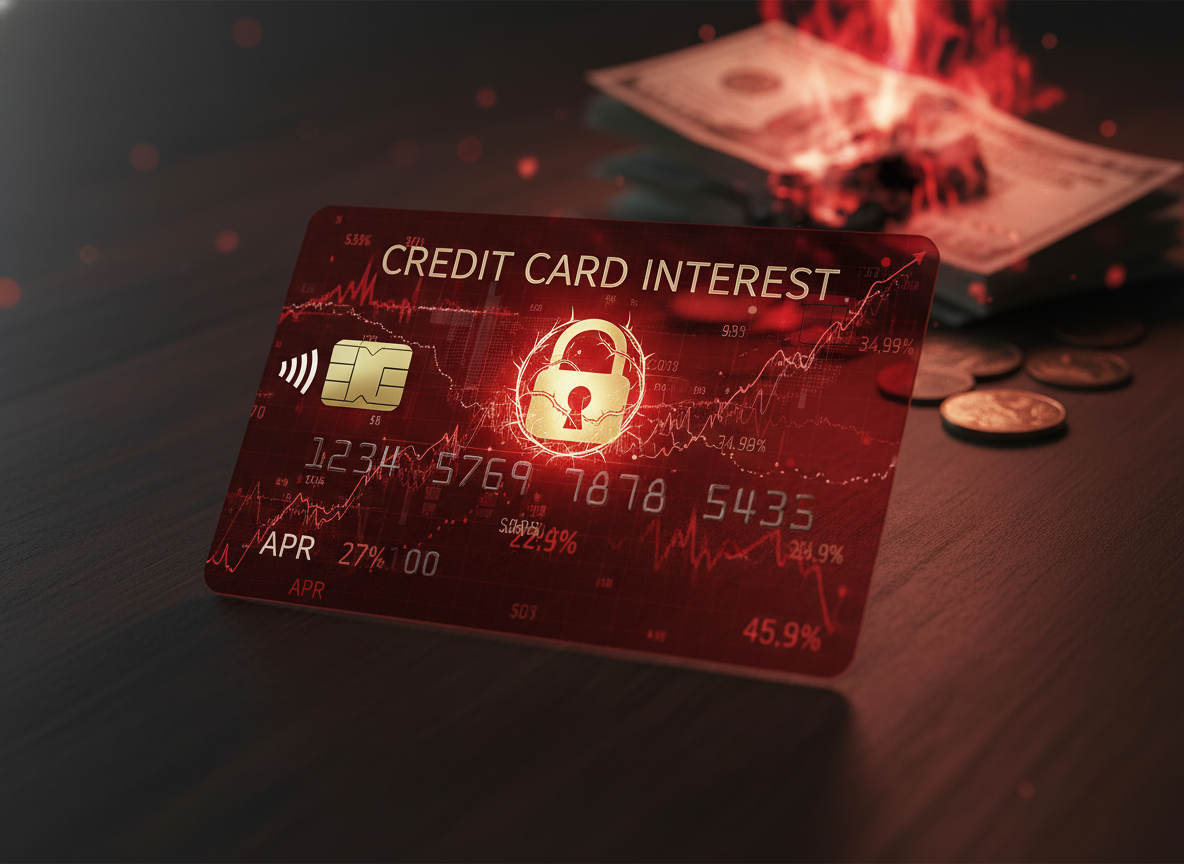
Interest is the price of borrowing money.
What APR Really Means
APR stands for annual percentage rate. It’s the yearly cost of borrowing, but interest is usually calculated daily. Many cards charge interest rates well above 20%. That means balances can grow quietly if you aren’t careful.
In practical terms, paying your balance in full means you avoid interest on purchases, while carrying a balance causes interest charges to accumulate quickly.
The Grace Period (and When You Lose It)
Most credit cards offer a grace period, which is a window of time when new purchases don’t accrue interest, as long as you paid last month’s balance in full. You typically lose that grace period if you carry a balance from month to month or take a cash advance, which is why cash advances are almost always a bad deal.
Why People Use Credit Cards (When Used Well)
Convenience and Protection
In fact, credit cards come with some real advantages. They’re widely accepted, offer strong fraud protection, and often make disputes easier to resolve than debit cards. If your card number is stolen, you aren’t usually out the cash while the issue is investigated, which can provide real peace of mind.
Building Credit History
One of the biggest reasons people use credit cards is to build credit. This credit history will matter later, such as for renting an apartment, buying a car, or qualifying for a mortgage. Responsible use helps show lenders that you can borrow money, repay it on time, and manage limits responsibly.
Rewards (If You’re Already Paying in Full)
Many credit cards offer perks like cash back, travel points, and purchase protections. These benefits can be useful, but they only make sense if you’re paying your balance in full. Rewards never outweigh the cost of interest, so carrying a balance quickly cancels out any perks you earn.
Where Credit Cards Go Wrong
The Minimum Payment Trap
The minimum payment keeps your account in good standing, but it barely reduces your balance. Paying only the minimum maximizes interest, keeps you in debt longer, and makes purchases far more expensive over time. It’s meant to be a safety net, not a long-term strategy.

Lifestyle Creep on Plastic
Credit cards can blur the line between what you can truly afford and what simply feels affordable in the moment. Small charges, like forgotten subscriptions, convenience spending, or “I’ll pay it off later” purchases, can quietly add up and become a larger financial burden over time.
Smart Ways to Use a Credit Card Safely
1. Pay the Statement Balance Whenever Possible
Paying your statement balance in full helps you avoid interest, simplifies budgeting, and keeps debt from snowballing. If you can’t pay the full amount, paying as much as you can as soon as possible still makes a meaningful difference.
2. Keep Your Balance Manageable
A good rule of thumb is to keep balances well below your limit. This helps your credit score, your flexibility, and your stress levels. However, you don’t need to use all available credit to benefit from it.
3. Automate What You Can
Set up automatic payments (at least the minimum), along with payment reminders and account alerts. Automation removes emotion and forgetfulness from the equation, making it much easier to stay consistent and avoid costly mistakes.
4. Treat Rewards as a Bonus, Not a Goal
Pick cards that reward the spending you already have, not spending you’re trying to talk yourself into. If rewards push you to spend more, they end up costing you money instead of saving it.
Types of Credit Cards (And Who They’re For)
| Starter and secured credit cards |
|
|---|---|
| Cash back and rewards cards |
|
| Balance transfer cards |
|
How Credit Cards Fit Into Real Life Today

Many households today simplify their approach by relying on one main credit card to track spending, automating savings alongside card payments, and prioritizing financial stability over constant optimization.
In recent years, rising costs and tighter budgets have made flexibility more important than ever. Credit cards can help smooth cash flow, but only when paired with a plan.
The Bottom Line
A credit card is a tool. Used thoughtfully, it can protect your purchases, build your credit, and make everyday spending easier to manage. Used without intention, it can quietly undo progress.
The goal isn’t to fear credit cards or chase rewards. It’s to understand how they work, use them on your terms, and make choices your future self will thank you for.

