

If you’re planning to buy an electric vehicle, this article is worth a careful look. Between rising gas prices, quieter rides, and that tempting federal tax credit, EVs are suddenly part of everyday money conversations, from renters in apartments to families juggling school drop-offs and long commutes.
But here’s the catch: the electric vehicle tax credit rules for 2025 are helpful, confusing, and time-sensitive all at once. If you’ve tried Googling it, you’ve probably run into IRS jargon, endless vehicle lists, and more fine print than answers.
Let’s slow this down and walk through it together in a practical and easy-to-understand way.
What Is the Electric Vehicle Tax Credit (and Why It Matters in 2025)?
The electric vehicle tax credit, often called the clean vehicle tax credit, is a federal incentive designed to make EVs more affordable and encourage cleaner transportation.
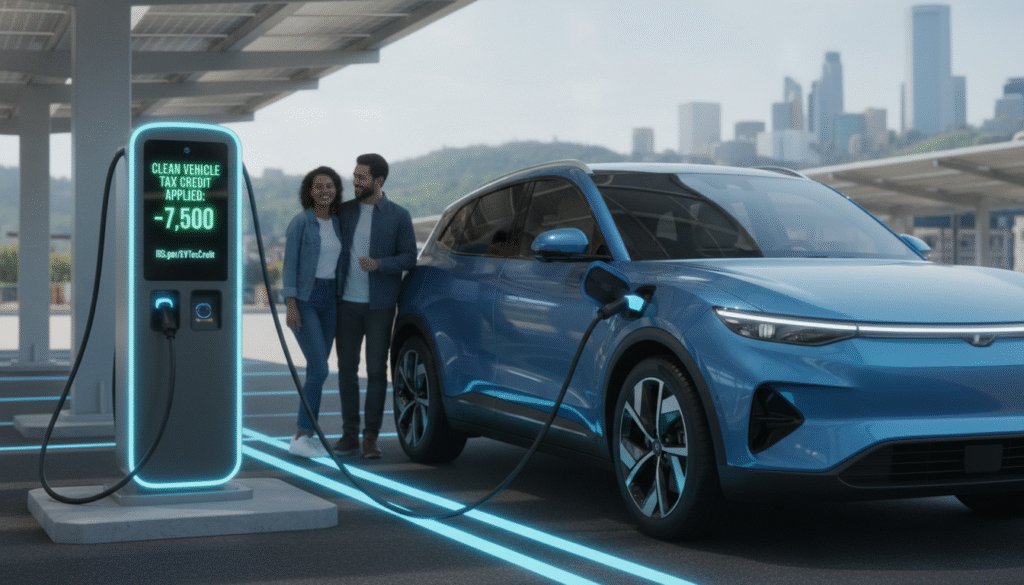
In 2025, it can be worth up to $7,500 for a qualifying new electric vehicle and up to $4,000 for a qualifying used electric vehicle. That’s real money. For many households, it’s the difference between “maybe someday” and “this actually fits the budget.”
What’s changed recently is how the credit works and who qualifies. You’re no longer stuck waiting until tax season to see the benefit. In many cases, you can use it right at the dealership.
How the EV Tax Credit Works in Real Life
Imagine this: You’re at the dealership. You’ve already test-driven the car and you like it. The price still feels high, but then the dealer says, “You can apply the EV tax credit today and knock $7,500 off the price.”
That means you generally have two ways to use the credit: Claim it on your federal income tax return later or transfer it to the dealer for an instant price reduction. Both options can work, but which one makes sense depends on your income, tax situation, and cash flow.
EV Tax Credit Eligibility Rules
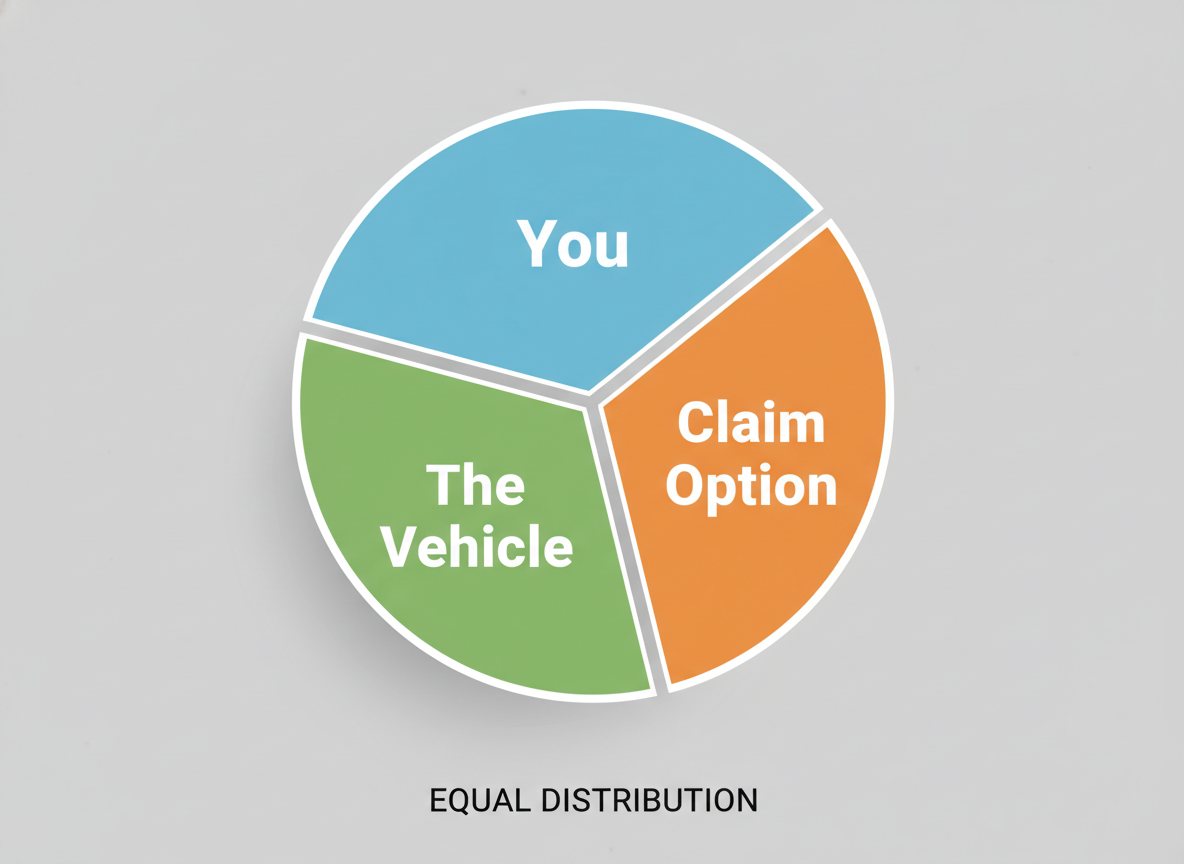
To qualify for the EV tax credit in 2025, three things have to line up, and you can’t miss a single piece:
- You: your income and filing status
- The vehicle: price, type and where it’s made
- How you claim the credit: tax return and point of sale
Income Limits for the EV Tax Credit in 2025
| Tax-filing status | MAGI limits to qualify (MAGI: modified adjusted gross income) | |
|---|---|---|
| New cars | Used cars | |
| Single or married filing separately | $150,000 | $75,000 |
| Head of household | $225,000 | $112,500 |
| Married filing jointly | $300,000 | $150,000 |
| Married filing separately | $150,000 | $75,000 |
Helpful nuance: You can qualify using either your income from the year you take delivery or the year before. So if your income dipped recently, you may still be eligible.
Vehicle Price Caps (This One Matters More Than People Expect)
Even if your income qualifies, the vehicle itself must stay within strict price limits based on the manufacturer’s suggested retail price (MSRP). For new EVs, SUVs, vans, and pickup trucks must be $80,000 or less, while sedans and passenger cars must be $55,000 or less, and optional upgrades can quietly push a vehicle over the limit. For used EVs, the cap is even tighter at $25,000 or less.
New vs. Used EV Tax Credit: What’s the Difference?
| New EV credit (up to $7,500) | Used EV credit (up to $4,000) |
|---|---|
|
|
Assembly and Battery Rules
To qualify for the EV tax credit, the vehicle must meet several requirements, including final assembly in North America and battery components and critical mineral sourcing rules that continue to evolve over time. You don’t need to memorize the details. Instead, protect yourself by checking the VIN, confirming eligibility before signing any paperwork, and asking the dealer directly while also verifying independently.
How to Claim the EV Tax Credit
Option 1: Claim It on Your Taxes
This is the traditional route. You claim the credit when you file your federal tax return by submitting IRS Form 8936. Because the credit is nonrefundable, it can lower your tax bill down to zero, but it won’t generate a refund if the credit amount is larger than what you owe. This option usually works best if you already expect to owe enough in federal taxes and you’re comfortable waiting until tax season to see the savings, rather than needing the money upfront at the dealership.
Option 2: Transfer the Credit at the Dealership
This is the game-changer: you can assign the EV tax credit to the dealer, allowing them to reduce the purchase price immediately at the point of sale. You’ll still report the transaction on your tax return, but the benefit shows up upfront instead of waiting for a refund later.
Important warning: If your income ends up being too high, you may have to pay the credit back. This is something you’re responsible for.

Leasing an EV: Can You Still Benefit?
Technically, individual consumers can’t claim the EV tax credit when they lease a vehicle. However, there’s a common workaround: leasing companies may qualify for a separate commercial EV credit, and they can choose to pass some or all of those savings on to you through lower lease payments. Will they always do that? Not necessarily. It often comes down to negotiation. If a lease offer claims the tax credit is “included,” ask to see the numbers in writing so you can confirm how much of that savings is actually being passed along to you.
State and Local EV Incentives (The Overlooked Bonus)
Federal credits get most of the attention, but state and local incentives can often stack on top of them. Depending on where you live, that could mean cash rebates, reduced registration or licensing fees, access to HOV lanes, or even charging credits from your local utility company. Because these programs vary by state and city, and some don’t allow “double-dipping” with federal incentives, it’s smart to check the rules ahead of time so you know exactly what savings you can count on before you buy.
Common Mistakes That Cost Buyers Thousands
Even smart, careful shoppers make mistakes with the EV tax credit because the rules are detailed and constantly changing. One common error is assuming every EV qualifies, when in reality eligibility depends on where the vehicle was assembled and how its battery components are sourced.
Other frequent missteps include ignoring MSRP caps after adding upgrades, which can quietly push a vehicle over the limit, and taking the point-of-sale credit without confirming income eligibility. Some buyers also forget that the credit is nonrefundable. A few extra checks before signing paperwork can prevent an expensive surprise later.
The Bottom Line: Is the EV Tax Credit Worth It in 2025?
For many households, the EV tax credit is only worth it if it fits into a bigger financial picture. If you’re already close to buying an EV, the credit can be the final nudge. If you’re stretching your budget just to chase the incentive, it may not be worth the stress.
The EV tax credit can make electric cars genuinely more affordable, especially for used buyers and families planning carefully. But it isn’t free money, and it isn’t automatic, either.