Property taxes are a significant part of homeownership costs. Whether you’re a first-time homebuyer or a seasoned property owner, understanding how property taxes are calculated, what affects your property tax bill, and ways to reduce your costs can save you money and prevent surprises.
In this comprehensive guide, we’ll walk you through everything you need to know about property taxes, providing practical tips and emotional guidance for managing your taxes effectively.
How Property Taxes Are Calculated: A Step-by-Step Breakdown
Property taxes are typically calculated based on the assessed value of your property and the local tax rate. Let’s break down how this works:
Assessment of Property Value
The assessed value is determined by a tax assessor and reflects your property’s market value. This includes both the land and any structures on it. Factors like neighborhood, size, and condition of the property influence the value.
Tax Rate Application
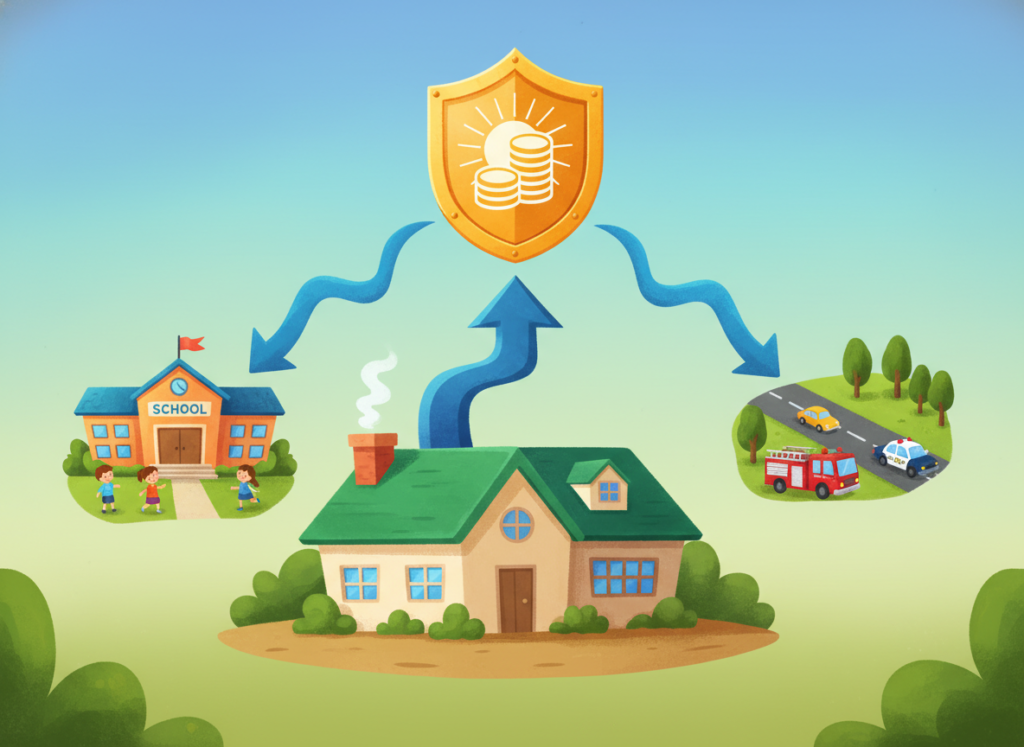
Once your property’s value is assessed, the local tax rate (also called the millage rate) is applied. The rate varies based on where you live and helps fund local services like education, fire departments, and infrastructure.
For example, if your home is valued at $350,000 and the local tax rate is 2%, your annual property tax bill would be $7,000.
Exemptions and Deductions
Many states and municipalities offer exemptions that can reduce the assessed value of your home, thus lowering your tax bill. Common exemptions include those for seniors, veterans, and first-time homebuyers.
What Factors Influence Your Property Tax Bill?
1. Location

Property taxes vary significantly across the U.S., and your local municipal tax rate plays a crucial role. In high-tax areas like New Jersey or Illinois, homeowners can pay much higher property taxes than in lower-tax states such as Wyoming or Alaska.
Additionally, the cost of living and the demand for public services in your area can push tax rates higher. This means, while property values in a specific region might rise, so do the associated property tax rates.
2. Market Value and Property Assessments
As mentioned earlier, the market value of your home plays a key role in property tax calculations. If the market value of your home increases due to a booming housing market or renovations, your property taxes will likely rise as well. This is why it’s essential to understand how the tax assessor values your property and whether the assessment is accurate.
3. Special Assessments and Local Improvement Projects
Sometimes, your property taxes may increase due to special assessments for specific local improvements such as road repairs, parks, or sewage system upgrades. These assessments are often temporary but can still have a noticeable impact on your taxes.
Ways to Reduce Your Property Tax Bill
1. Appeal Your Property Tax Assessment
If you believe your home’s assessed value is too high, you have the right to appeal the property tax assessment. Many homeowners overlook this step, but contesting an inaccurate assessment can lower your tax bill significantly.
How to appeal: Start by reviewing your property’s assessment. If it seems inflated, gather evidence (like appraisals or sales prices of comparable homes) to show that your assessment is higher than the market value.
2. Take Advantage of Tax Exemptions
Many states and local governments offer property tax exemptions that can help lower your tax liability. Common exemptions include:
- Homestead exemptions: Available for primary residences, often offering a reduction in the taxable value.
- Senior exemptions: Designed to help seniors save on property taxes.
- Veteran exemptions: Many states offer tax breaks for military veterans and their families.
Make sure to check if you’re eligible for any exemptions and apply for them before your tax year ends.
3. Invest in Energy-Efficient Upgrades

In some areas, making energy-efficient upgrades to your home can qualify you for tax incentives or rebates. This might include installing solar panels or energy-efficient windows, which can reduce your utility costs and, in some cases, lead to a reduced property tax bill.
4. Reassess Local Tax Rates
While you may not have direct control over your municipality’s tax rate, being aware of local trends can help. If property taxes in your area are consistently rising, you might consider joining or supporting local initiatives to push for tax relief. Staying informed about local budget changes is important for future planning.
What Happens If You Don’t Pay Property Taxes?
Failing to pay your property taxes can lead to severe consequences. If you miss a payment, your local government may impose penalties and interest charges. In extreme cases, unpaid taxes can result in a tax lien or even the foreclosure of your home.
If you’re struggling to pay your property taxes, it’s essential to reach out to your local tax authority and inquire about payment plans or property tax deferral programs. Many jurisdictions offer solutions for homeowners facing financial difficulty.
Conclusion: Stay Ahead of Property Taxes and Save
Property taxes are a crucial part of homeownership, but they don’t have to be a burden. By understanding how property taxes are calculated, staying informed about potential exemptions, and taking proactive steps like appealing your assessment or applying for tax relief, you can significantly reduce your tax liability.
Being proactive with your property tax planning is essential, not just for today, but for your long-term financial well-being. So, take control of your property taxes and enjoy the peace of mind that comes with knowing you’re paying only what you owe, and not a penny more.