
Planning a wedding is exciting, but it can quickly become overwhelming, especially when it comes to budgeting. Whether you’re envisioning a small intimate ceremony or a grand celebration, the costs can add up quickly, leading to financial stress if not managed carefully. This is where a wedding budget planner and calculator can be your best friends. They allow you to estimate costs, track your expenses, and ensure that you stay on top of your financial game without sacrificing your dream wedding.
In this guide, we’ll break down the steps of creating a realistic wedding budget, how to use a wedding budget calculator, and how to prioritize spending to make sure your wedding day is just as beautiful as it’s financially sound.
Why is a Wedding Budget Planner Essential?

Weddings can become an emotional and expensive journey, but creating a wedding budget planner is the first step in keeping things organized and on track. Without one, it’s easy to get carried away with the excitement of planning and end up spending more than you intended. A good wedding budget planner helps you:
- Set realistic expectations about what your wedding will cost based on your financial situation.
- Prioritize spending on the things that matter most to you and your partner, such as venue, catering, or entertainment.
- Ensure you aren’t overspending by breaking down your budget into categories and allocating your funds accordingly.
- Prevent unexpected surprises by preparing for hidden costs that often arise during the planning process.
With a budget planner, you’ll be able to take control of your wedding finances, avoid stress, and stay organized every step of the way.
How to Use a Wedding Budget Calculator Effectively
Step 1: Start with a Total Budget
The first step is to set a total wedding budget that you can realistically afford. This figure should consider your savings, any financial help from family, and your expectations for the wedding. This will be the starting point for your calculations.
Step 2: Break It Down into Categories
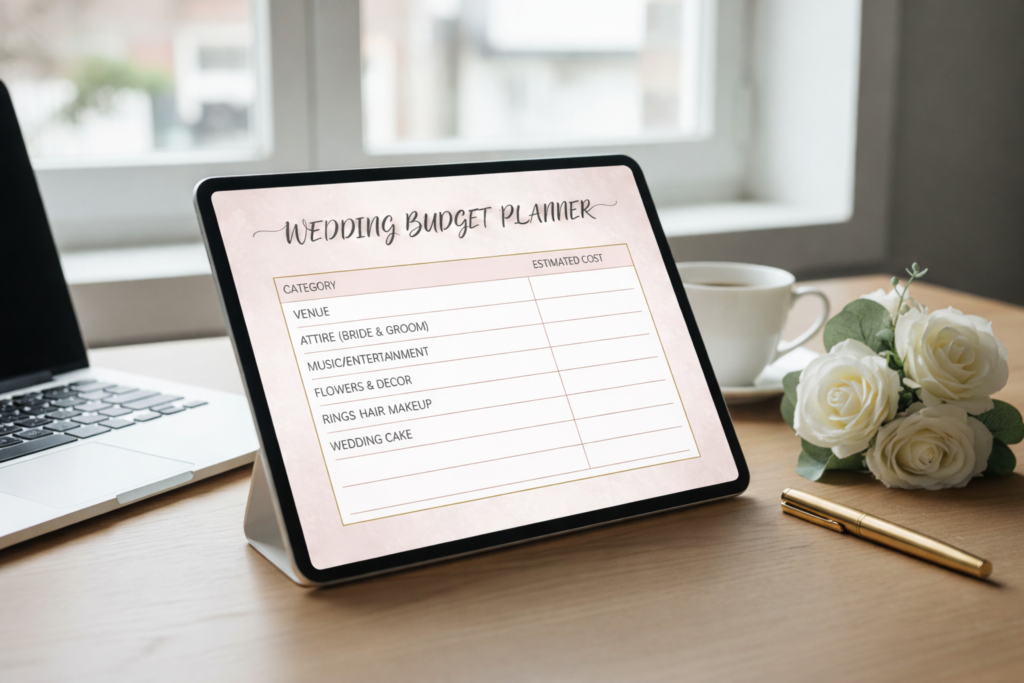
A wedding budget calculator will allow you to input different spending categories. The standard categories include:
- Venue (renting the space, staff, and additional services)
- Catering (food, drinks, service charges, etc.)
- Attire (bride, groom, bridal party)
- Photography and Videography
- Flowers and Decorations
- Entertainment (DJ, live band)
- Favors and Gifts (wedding favors, thank-you gifts for guests)
Most calculators will automatically break these categories down, but you should adjust them based on your specific needs and desires.
Step 3: Track Payments and Expenses
As you book venues, hire vendors, and make purchases, keep updating your wedding budget calculator. Input the actual costs in the respective categories. This allows you to monitor your progress, identify overspending areas, and make adjustments to avoid going over budget.
Step 4: Allocate Funds Based on Priorities
After inputting your initial estimates, review the categories that are most important to you. For example, if you value photography and want to hire a top photographer, allocate more funds to that category. If flowers are less important to you, consider reducing that budget to free up funds for other priorities.
By following these steps and continually updating your calculator, you’ll have a clear view of your expenses and a better understanding of where your money is going. This will give you peace of mind knowing you can stick to your budget.
Key Wedding Expenses to Consider

Venue
The venue is usually the largest chunk of your wedding budget. Depending on the location and venue type (for example, a banquet hall, beach, garden), this cost can range from a few thousand to tens of thousands of dollars. Don’t forget to include catering fees, decorations, and additional services (like bartenders, security, and cleaning fees).
Catering
Food and beverages are essential parts of any celebration. Whether you’re hosting a sit-down dinner or a buffet, the cost will depend on the number of guests, type of meal, and venue fees. Be sure to factor in costs for the bar service, which can vary based on the selection of alcohol and the number of guests.
Photography and Videography
Hiring a professional photographer and videographer is crucial for capturing memories. Quality wedding photographers can range from $2,000 to $10,000 depending on their experience and package offerings. Always budget for engagement photos as well, which are often included in the package.
Attire
The bride’s gown, groom’s suit, and bridal party attire can be substantial costs, particularly if you’re opting for designer pieces or custom fittings. Don’t forget to account for accessories, alterations, and shoes.
Flowers and Decorations
Flowers, decorations, and other styling elements can quickly add up. Consider whether you want real flowers or artificial arrangements, which can be more cost-effective but still beautiful. A wedding planner or stylist can help you determine where to allocate funds for the ceremony setup, centerpieces, and floral arrangements.
Entertainment
Music plays a huge role in setting the mood for your wedding. Whether you choose a DJ or a live band, entertainment is a significant part of your budget. Don’t forget to account for sound equipment, lighting, and any additional costs for live performances or special events.
Transportation
If you plan on providing transportation for your guests or bridal party, include these costs in your budget. Limos, buses, or even car rentals for the bride and groom may be necessary, especially if the ceremony and reception are in different locations.
Invitations and Stationery
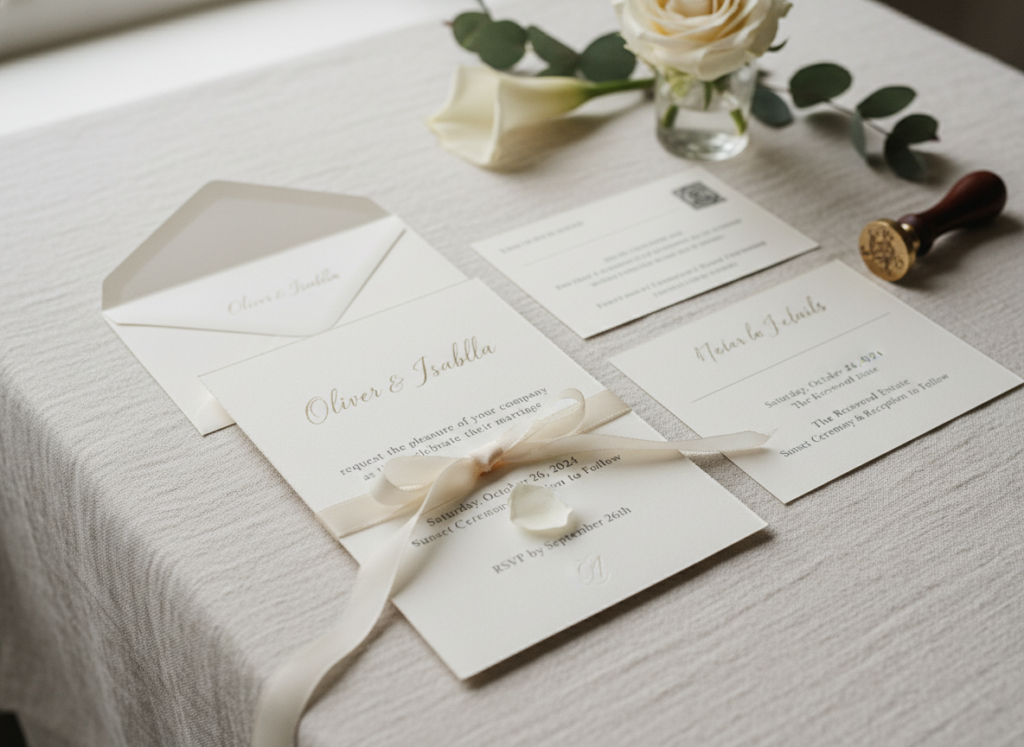
While often overlooked, the cost of invitations, RSVP cards, programs, and thank-you notes can quickly add up. Consider digital invitations as a cost-saving option, or DIY designs to help save money on this area.
Wedding Budget Breakdown: How Much Does the Average Wedding Cost?
Wedding costs can differ greatly depending on location, the number of guests, and your preferences. However, in the U.S., the average wedding cost hovers around $30,000 in 2026. This amount can increase or decrease based on various factors, such as the city you’re getting married in, the venue, and the type of wedding you’re planning.
For example, weddings in major metropolitan areas like New York or Los Angeles tend to be more expensive due to higher venue and vendor costs. On the other hand, smaller, more intimate weddings or destination weddings may allow you to cut costs.
A wedding budget calculator can help you compare typical costs based on your location and guest count, so you can understand where your money will go and make informed decisions on where to splurge or save.
Tips for Saving Money on Your Wedding
Limit Your Guest List
The more guests you invite, the higher your expenses will be. Cutting down on the number of guests can save you a significant amount on catering, venue size, and favors.
Choose a Less Expensive Venue
Consider non-traditional venues such as parks, community halls, or family properties to save money on the venue rental.
DIY Decorations
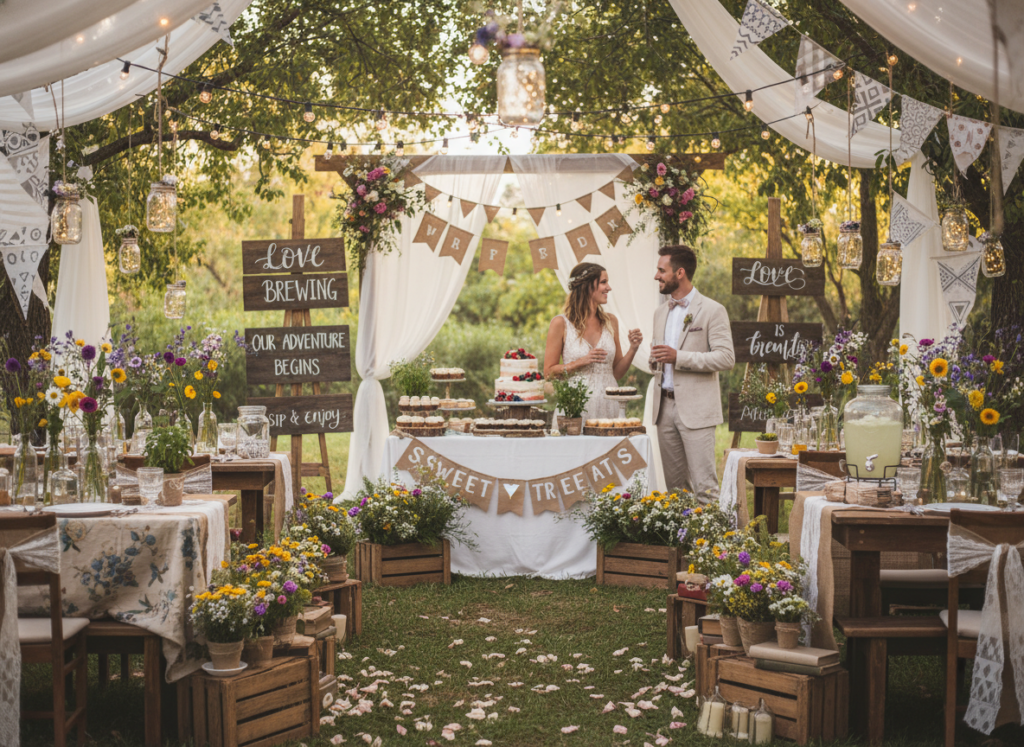
Instead of hiring a florist or decorator, consider making your own centerpieces, flower arrangements, or even the wedding favors. There are plenty of affordable ideas online that can make your wedding look beautiful without the hefty price tag.
Opt for Off-Peak Dates
Getting married during the off-season (fall, winter) or on a weekday can drastically lower the cost of venues, catering, and other services.
Negotiate with Vendors
Don’t be afraid to negotiate prices with vendors. Many vendors are willing to offer discounts, especially if you’re flexible with your event date or have fewer guests.
Conclusion: Plan Your Dream Wedding Without the Financial Stress
Using a wedding budget planner and calculator is the most effective way to track expenses and ensure you stay on top of your spending. By setting a clear budget, prioritizing what’s most important to you, and using the right tools to track costs, you can create the wedding of your dreams without overspending.
Remember, your wedding day is about celebrating your love and commitment. Don’t let financial stress overshadow the joy of the occasion. With careful planning and smart budgeting, you can enjoy your big day and start your new chapter without the burden of debt.