

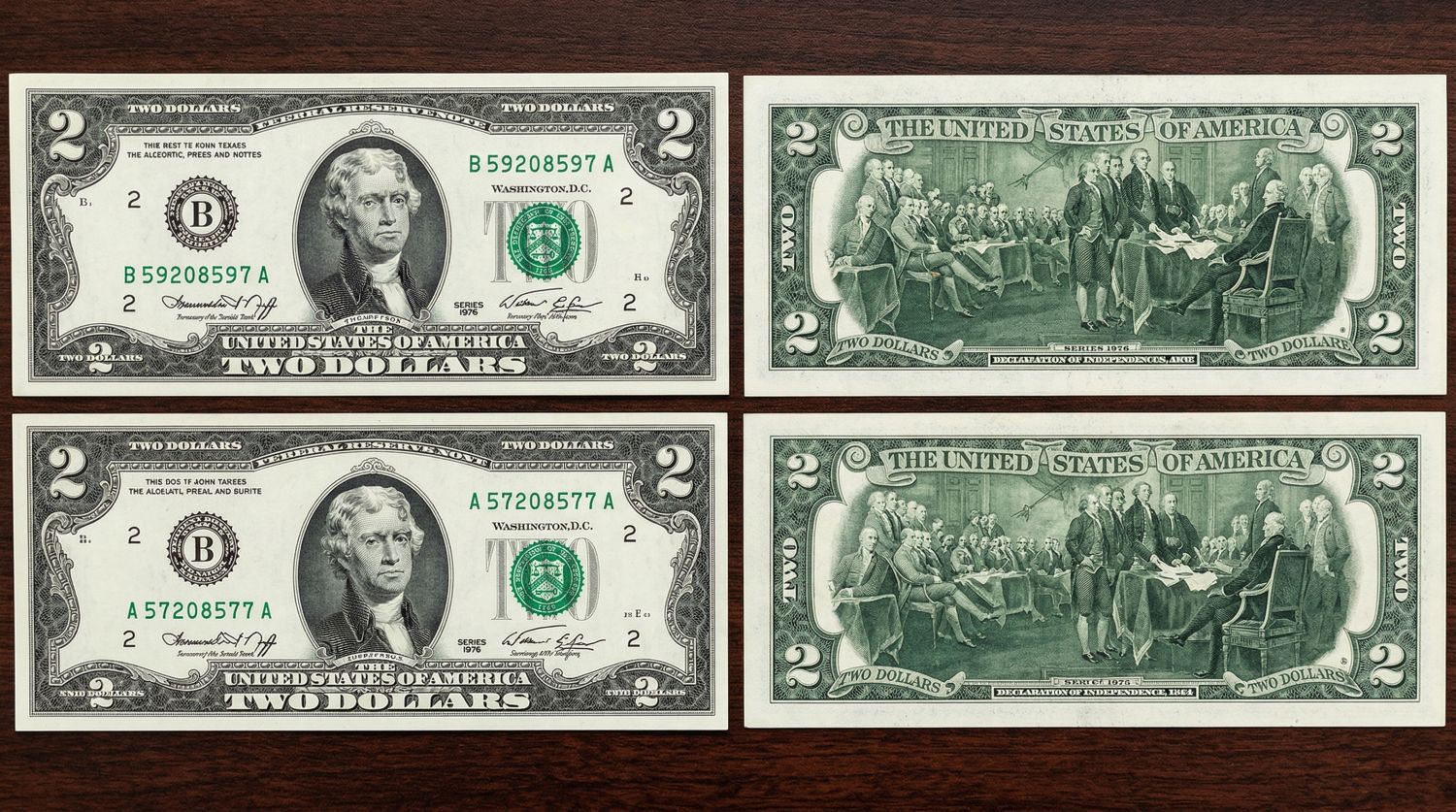
The 1976 2 dollar bill value is one of the most searched paper money topics for a reason. Millions of Americans have a Bicentennial note tucked inside a drawer, wallet, or family keepsake box, and they all want the same answer: how much is a $2 dollar bill worth from 1976? The short version is simple. Most 1976 notes aren’t rare, but a few very specific details can push a plain looking bill far above face value.
That’s why the real answer depends on condition, serial number, star note status, and printing quality. A normal 2 dollar bill 1976 note is usually just a collectible curiosity. A scarcer example can be one of the dollar bills worth money.
How Much is a 1976 $2 Bill Worth?
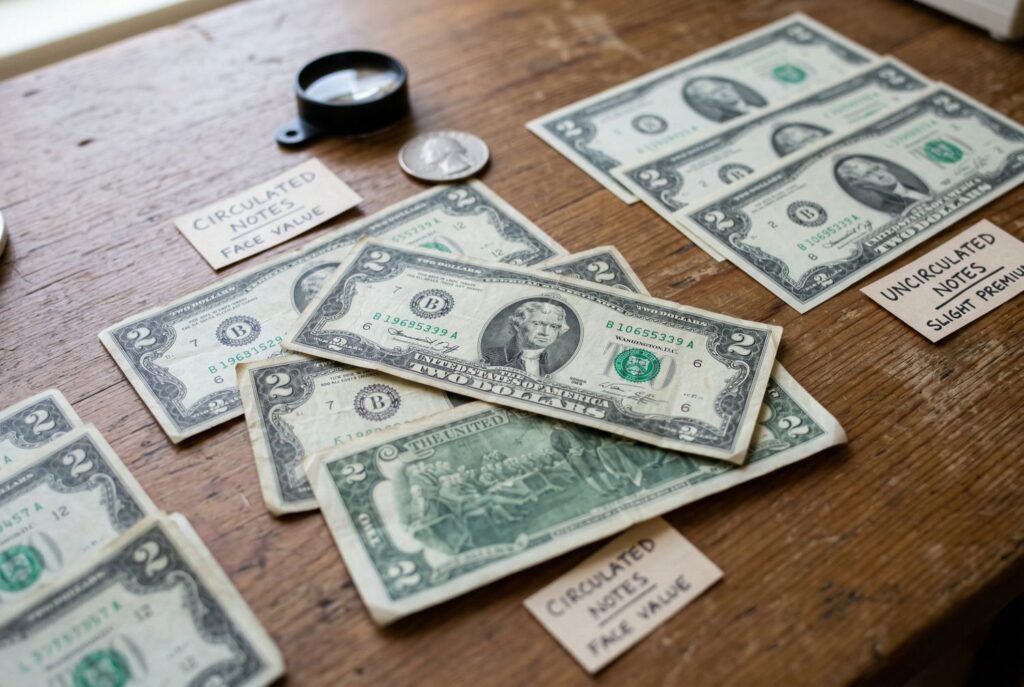
If you want the fastest answer to how much is a $2 bill worth, start here. Most circulated 1976 notes are worth about face value or only slightly more. Clean uncirculated notes usually carry a better premium, especially if the paper is crisp and the corners are sharp. Error notes and star notes can be worth much more, but only when the unusual feature is clear and real.
A simple way to think about 2 dollar bill worth is this:
- A circulated 1976 bill is usually a low value collectible.
- An uncirculated 1976 bill may be worth a modest premium.
- A star note, a fancy serial number, or a strong printing error can move the price much higher.
So if you’re asking how much is a $2 bill worth, the answer usually isn’t “thousands” unless the bill has a standout trait. For most people, the real question isn’t whether the note is old. It’s whether it has one of the rare features collectors actually chase.
The Bicentennial Myth: Are $2 Bills Worth Anything?
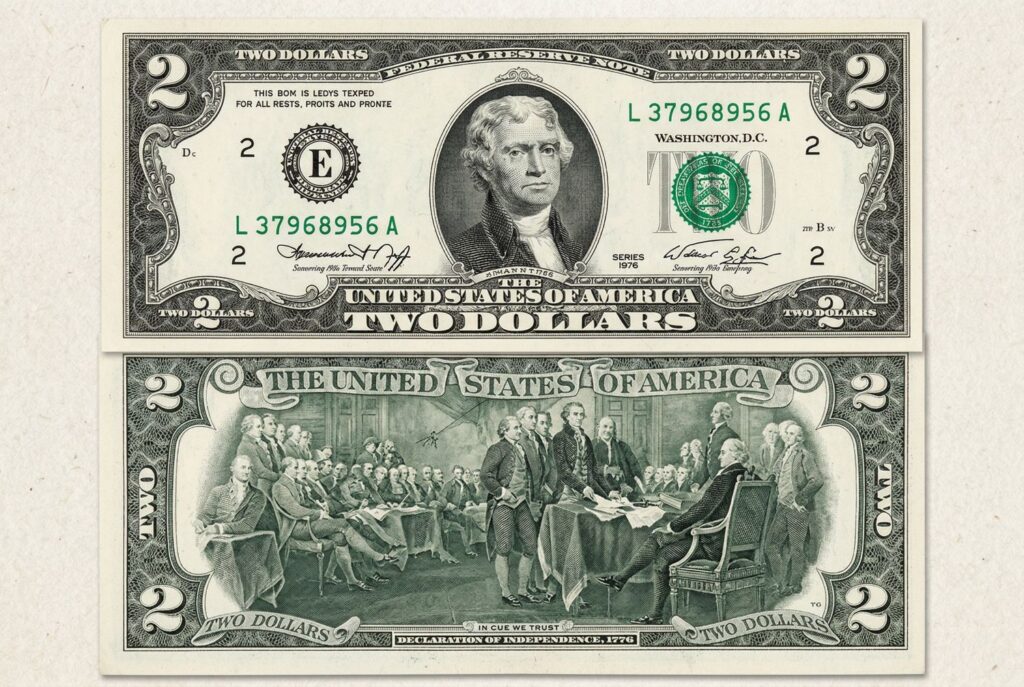
A lot of people assume the Bicentennial issue must be rare because it feels historic. That’s the myth. The 1976 $2 bill was issued to mark the nation’s 200th anniversary, giving it strong nostalgic appeal. However, being “historic” doesn’t necessarily make it rare.
This is where people get confused about whether $2 bills are worth anything and how rare a 2 dollar bill is. The answer is that most 1976 notes aren’t rare at all. They were printed in very large numbers, and many people saved them because they thought the bills would become valuable later. Ironically, that habit kept plenty of them in better condition than ordinary circulating cash.
So, while the Bicentennial note is old enough to feel special, it isn’t inherently rare enough to fetch a high premium. That’s the key distinction between age and scarcity, age adds appeal, but rarity drives value.
4 Features That Skyrocket Your 1976 2 Dollar Bill Value
If you want to know whether your 1976 2 dollar bill is just interesting or actually valuable, check these four features carefully.
The Star Note
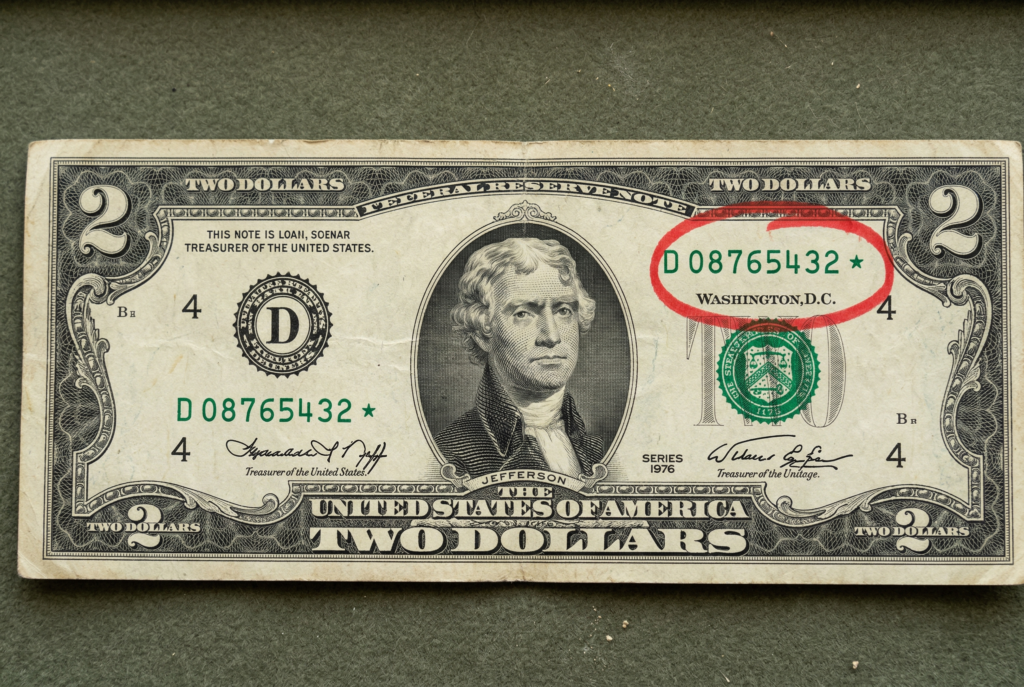
A star note is one of the first things collectors look for. On a 1976 2 dollar bill, the star replaces the suffix letter at the end of the serial number. It marks the note as a replacement note printed to substitute for one with a production problem.
That tiny symbol can make a big difference. A regular note and a star note may look nearly identical at first glance, but collectors treat them very differently. Not every star note is extremely valuable, though. Condition still matters, and some star notes are much more desirable than others.
First Day Issue Stamped Notes
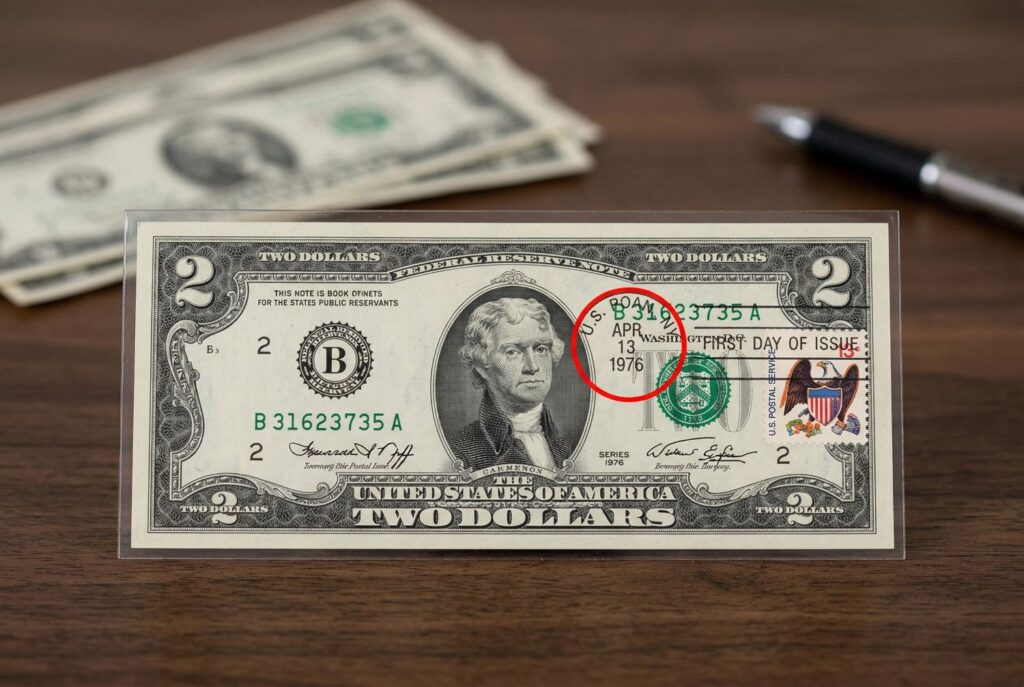
Some Bicentennial notes were taken to the post office on April 13, 1976 and stamped as a first day issue collectible. These are a unique part of the 1976 story, and they appeal to people who like the historical side of paper money.
That said, not every stamped note is automatically rare. Many were saved as souvenirs. The premium depends on the note’s condition, the quality of the stamp, and whether the overall presentation still looks clean and desirable.
Fancy Serial Numbers
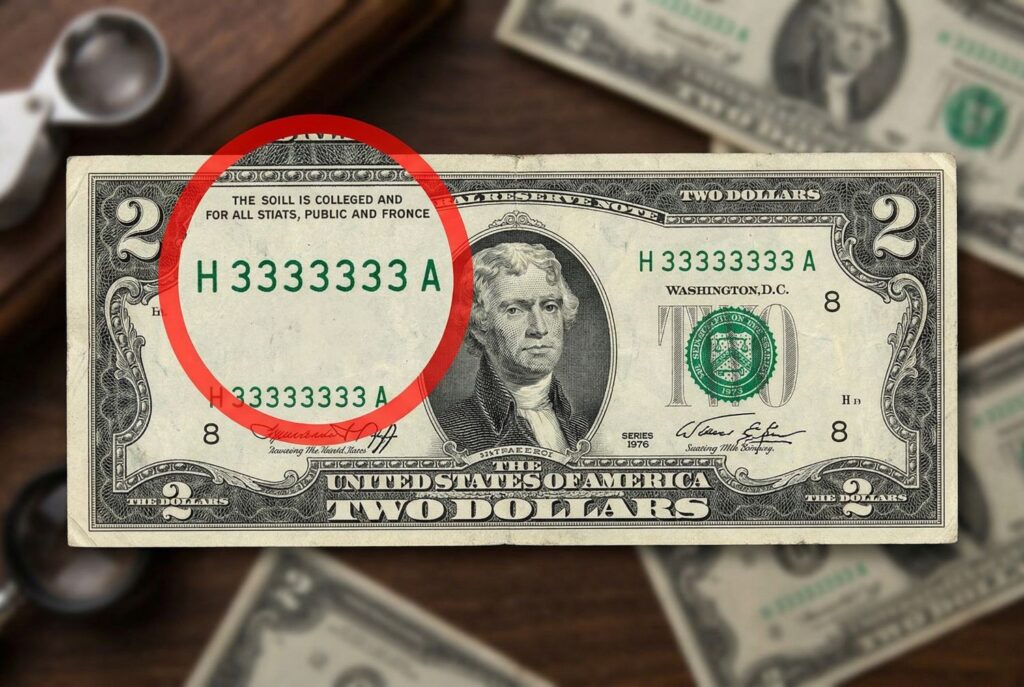
Serial numbers can push a 1976 2 dollar bill into a much more collectible category. Low serial numbers, repeating numbers, ladder numbers, and radar numbers all attract attention.
A note with a serial number below 100 feels very different from an ordinary note. The same goes for patterns that are visually striking. This is one of the clearest examples of how a note can look normal at first glance and still be one of the dollar bills worth money.
Printing Errors
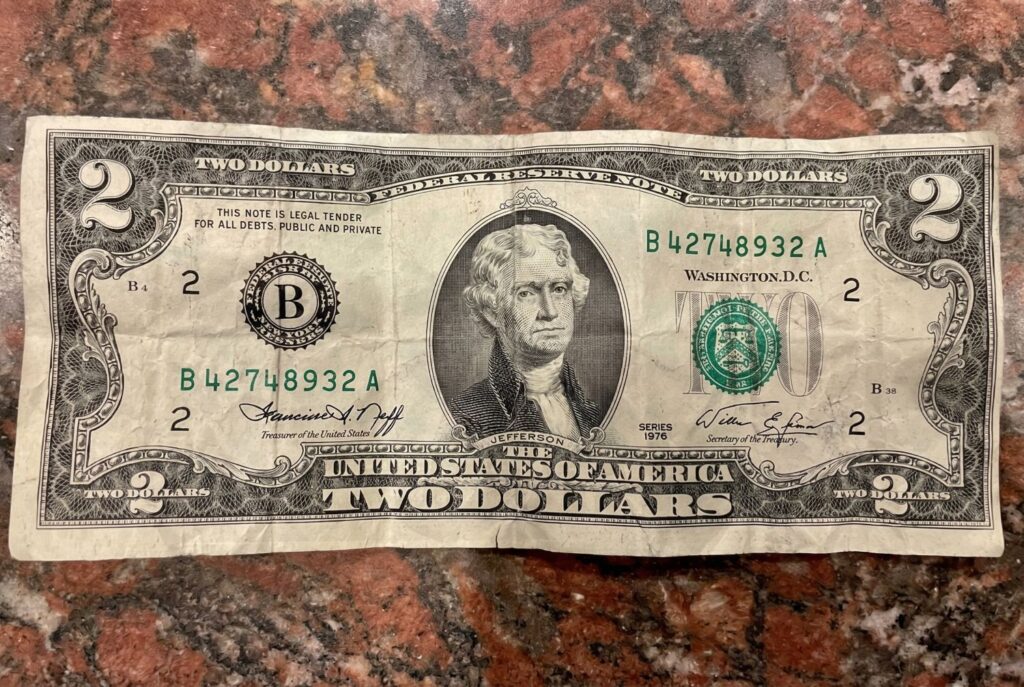
Printing errors are where values can rise sharply. A genuine miscut, major alignment problem, or dramatic printing issue can make a bill far more collectible than a standard example. The key word is genuine. Minor imperfections or simple wear don’t count the same way. Collectors pay for obvious, dramatic errors, especially when the note remains in otherwise strong condition.
Proof of Value: Verified Auction Records
When people talk about 2 dollar bills worth, the most useful proof always comes from actual sales, not wishful asking prices. Real auction records show the pattern clearly. Ordinary 1976 notes don’t command extraordinary money, while premium examples with strong grades, star note status, or major errors can sell for much more.
This is why serious buyers look past hype. A plain circulated Bicentennial bill usually stays modest in value. A sharply preserved uncirculated note has stronger collector appeal. A star note with a high third party grade can move into a much more competitive price range. A dramatic error note can jump even further because errors are naturally scarcer and more visually distinctive. That’s the real lesson behind dollar bills worth money. Collectors pay for scarcity, condition, and proof, not just the date alone.
Where to Sell Your Rare 1976 2 Dollar Bill
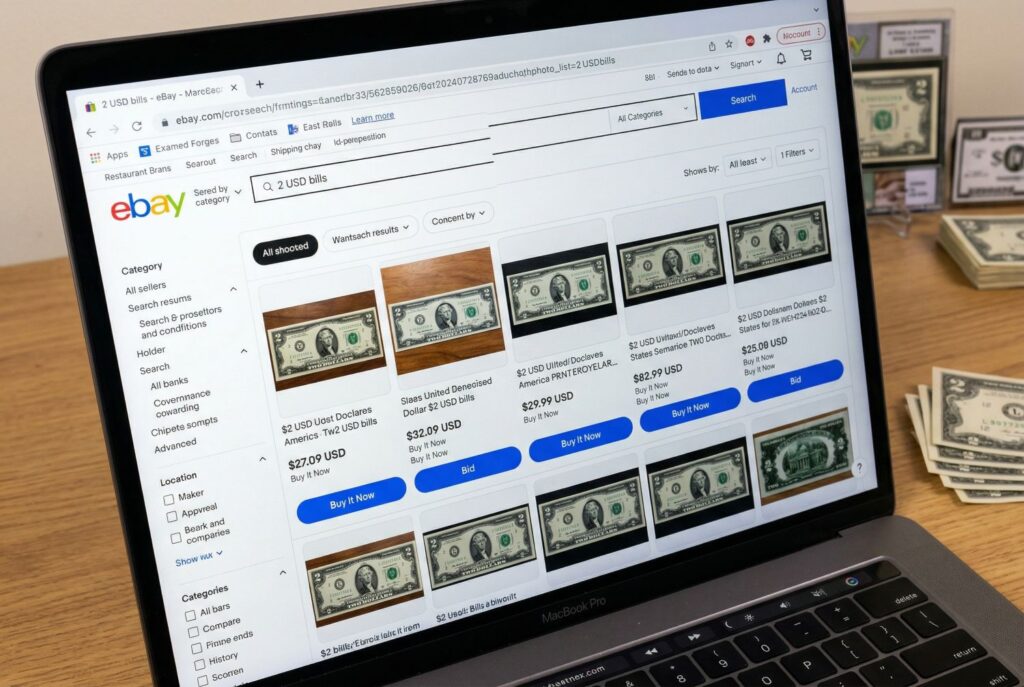
If you think your bill has real collector value, don’t rely only on casual online guesses. Start by comparing sold listings, not active listings, on platforms like eBay. Sold prices give you a better sense of what buyers actually paid.
For stronger notes, especially star notes or bills with possible printing errors, a professional paper money dealer or auction house may be the smarter route. A dealer can help you tell the difference between an interesting note and a genuinely valuable one. A major auction platform may make more sense if the note appears exceptional and could benefit from wider exposure.
The smartest next step is simple. Handle the bill carefully, don’t clean it, and compare it with real market evidence before setting expectations. That approach gives you a much better read on the true 1976 2 dollar bill value.
Conclusion
So, is your Bicentennial note rare? Usually, no. Most 1976 banknotes may be collectible, but they aren’t rare enough to command high prices. Even so, your bill still holds some value. The right combination of crisp condition, star note status, fancy serial numbers, or a dramatic printing error can completely change the story.
If you’ve been asking how much is a $2 bill worth or whether $2 bills are worth anything, the best answer is this: most are ordinary, a few are genuinely special, and the details make all the difference. That’s what turns a basic 1976 2 dollar bill value question into a real collector discovery.
