

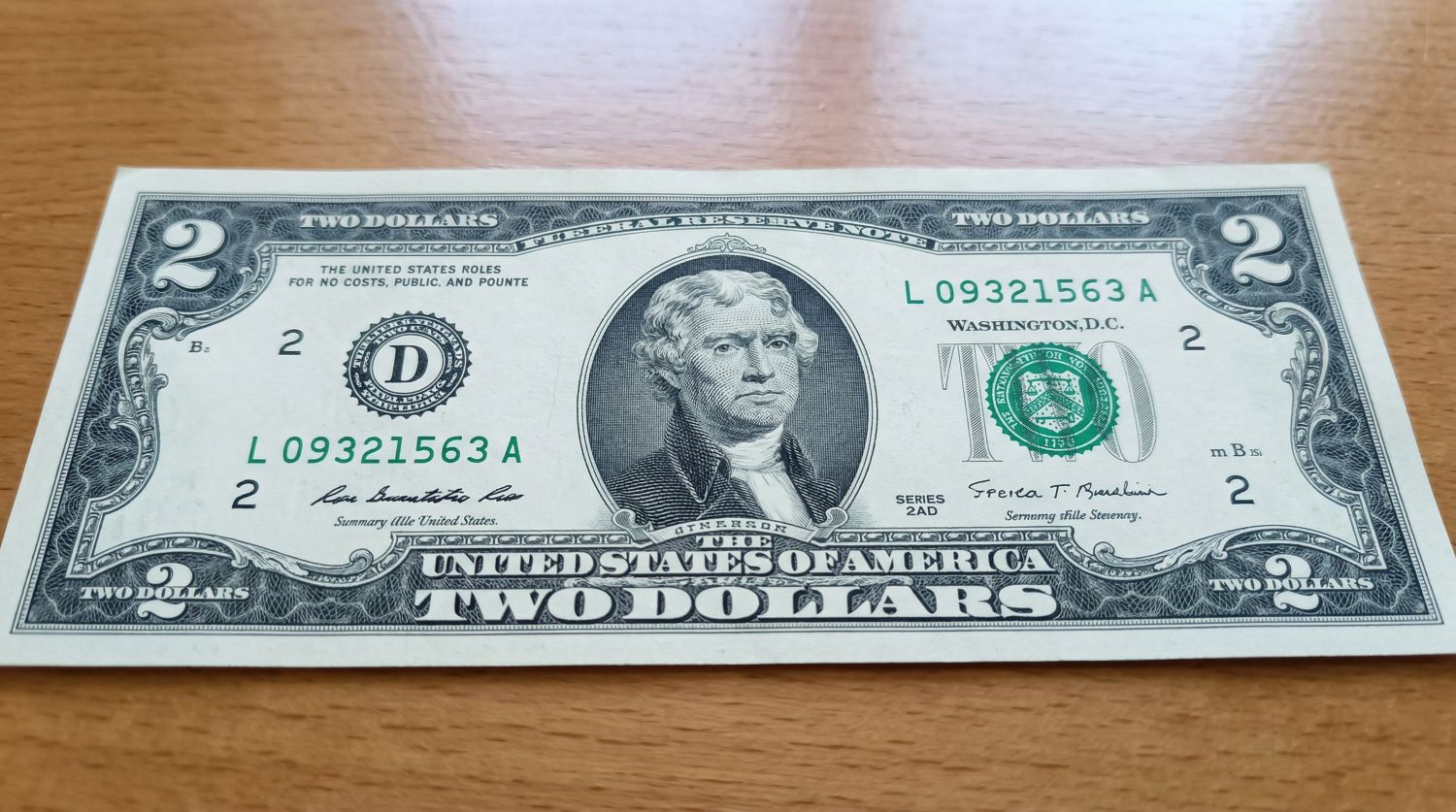
If you’ve ever asked yourself how much a $2 bill is worth, you’re definitely not alone. A surprising number of people have a $2 bill sitting in a wallet, drawer, or old box, quietly wondering if it might be worth more than face value.
The reality is straightforward, but also a bit more interesting than most expect. While many modern notes are only worth two dollars, certain versions can be worth significantly more. In some cases, rare examples have sold for hundreds or even thousands. The difference comes down to a few key details that most people don’t know to look for.
This guide will walk you through exactly how to evaluate your 2 dollar bill worth, what makes some $2 bills worth money, and how to tell if yours is just ordinary or something more valuable.
Are $2 Bills Worth Anything? The Quick Reality Check
Let’s start with the most common question. Are $2 bills worth anything? For most people, the answer is no. The majority of $2 bills in circulation today are still only worth their face value. They aren’t especially rare, and they continue to be printed in limited quantities. That said, the question isn’t just about rarity in general. It’s about specific features. When people ask how rare a 2 dollar bill is, what they really want to know is whether their particular note is unusual.
Certain bills become valuable because of their age, condition, or unique characteristics. A bill that looks ordinary at first glance can sometimes have hidden details that make it collectible. That’s where the shift happens from a simple $2 note to one of the few dollar bills worth money.
The Ultimate $2 Bill Value Chart by Year
Understanding your $2 bill value starts with the series year. Different years were printed in different quantities, and some have features that collectors actively look for. The 1976 issue is one of the most common examples people find. These bills were printed in large numbers for the Bicentennial, so most of them are still worth close to face value. In circulated condition, they usually stay around two to five dollars. In uncirculated conditions, they can reach higher values, but still remain relatively modest unless something special is present.
Moving into more modern notes, the 1995 $2 bill value and 2003 $2 bill value tend to follow a similar pattern. These are newer bills, and unless they’re in pristine condition or have unusual features, they usually trade only slightly above face value.
Older notes tell a different story. The 1953 2 dollar bill value is higher because of its red seal design and lower production numbers. These bills often attract more interest from collectors, especially if they’re well preserved. As you go further back in time, values generally increase, particularly for notes that remain in strong condition.
1976 2 Dollar Bill Value: The Bicentennial Myth
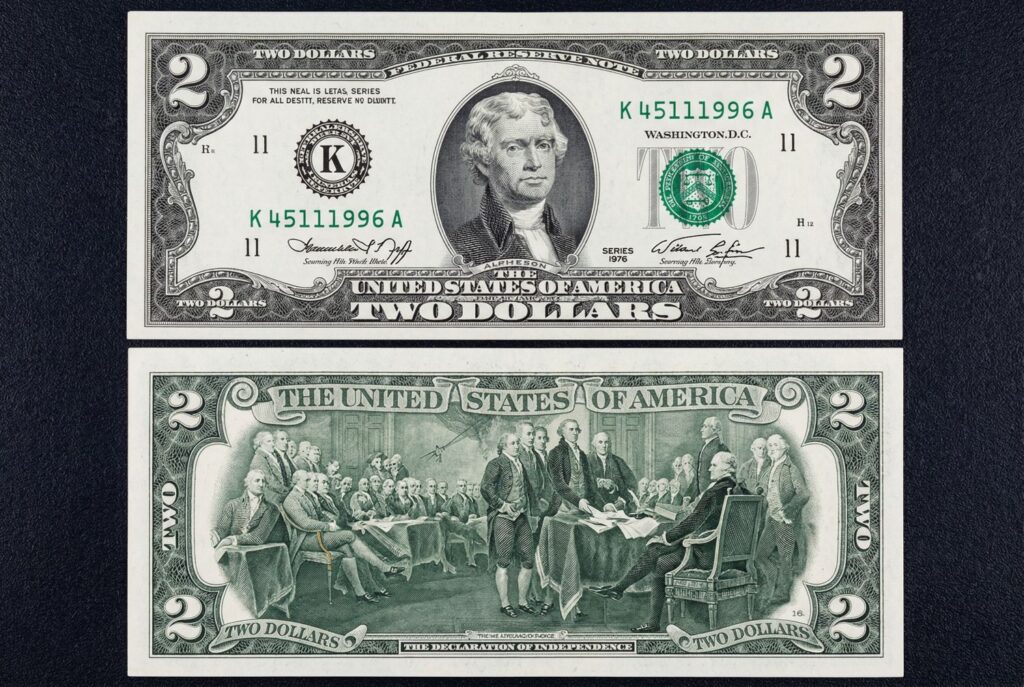
The 1976 2 dollar bill is probably the most misunderstood note. Many people assume it must be rare because of its historical connection to the Bicentennial. In reality, these bills were printed in huge numbers, which means most of them aren’t especially valuable.
However, there are exceptions. A 1976 2 dollar bill value increases when specific features are present. A bill with a star note, an unusually low serial number, or one that was preserved in perfect condition can be worth more. There are also novelty versions that were stamped at post offices on the first day of issue. These can carry a small premium, though they aren’t typically high value items. Without these added factors, a standard 2 dollar bill 1976 is usually just a normal piece of currency.
1953 and Older: Red Seals and Silver Certificates
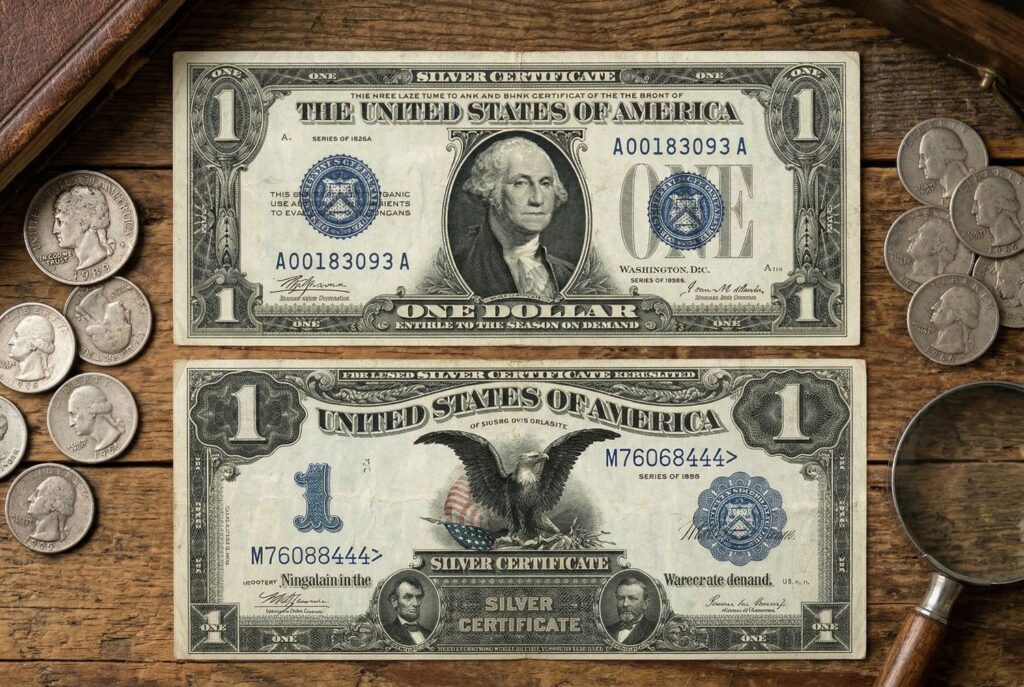
Older notes are where value becomes more noticeable. The 1953 2 dollar bill value is influenced heavily by the red seal, which distinguishes it from more modern green seal notes. These older designs tend to attract collectors because of their historical significance and lower availability.
In some cases, you may also encounter references to a silver certificate, which relates to earlier types of U.S. currency tied to silver backing. These notes carry additional appeal due to their place in monetary history. Condition plays a major role here. Even an older bill can lose value if it is heavily worn, while a well preserved example can command a much higher price.
Modern Rarities: 1995 and 2003 $2 Bill Value
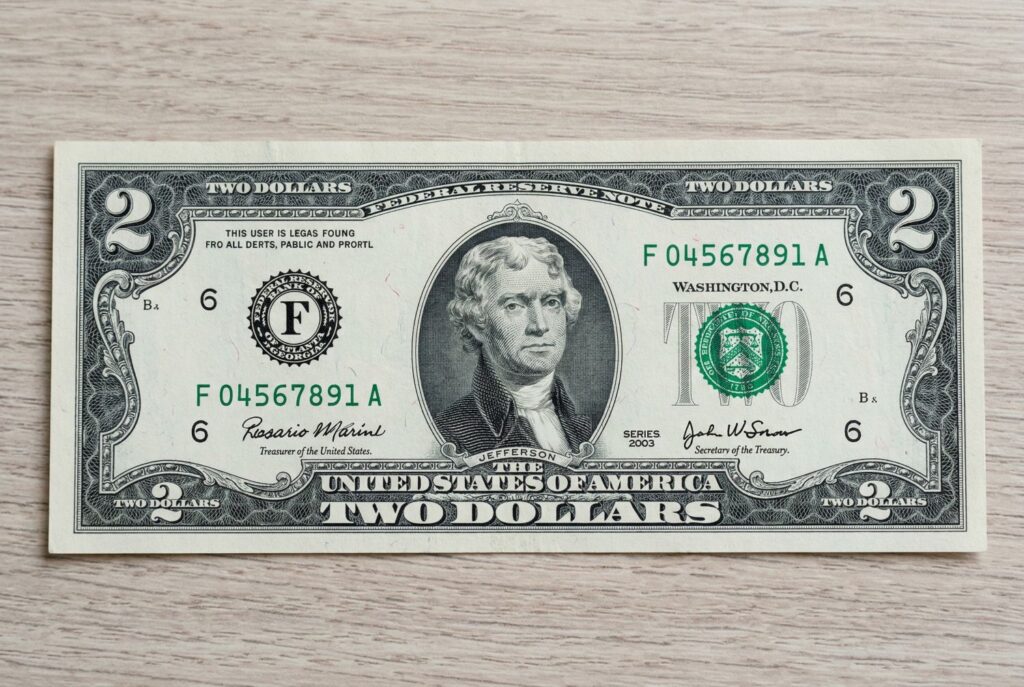
Even newer notes can occasionally have value beyond their face amount. The 1995 $2 bill value and 2003 $2 bill value are usually modest, but certain rare variations do exist. These aren’t common, but when they appear, they can attract interest.
A modern bill becomes more valuable when it includes features like unusual serial numbers, printing errors, or replacement markings. These details are what transform an ordinary note into something collectible. Without those features, most modern bills remain close to their original value.
4 Signs Your $2 Bill is Worth Thousands
If you want to quickly determine whether your bill might be valuable, there are a few key indicators to focus on. One of the most important is the presence of a star in the serial number. These star notes are printed as replacements for defective bills, and they are produced in smaller quantities.
Another factor is the serial number itself. Certain patterns, such as repeating digits or very low numbers, can make a bill more desirable to collectors. Printing errors are also highly valuable. These can include misaligned designs, unusual ink patterns, or cutting mistakes. While rare, they often command some of the highest prices.
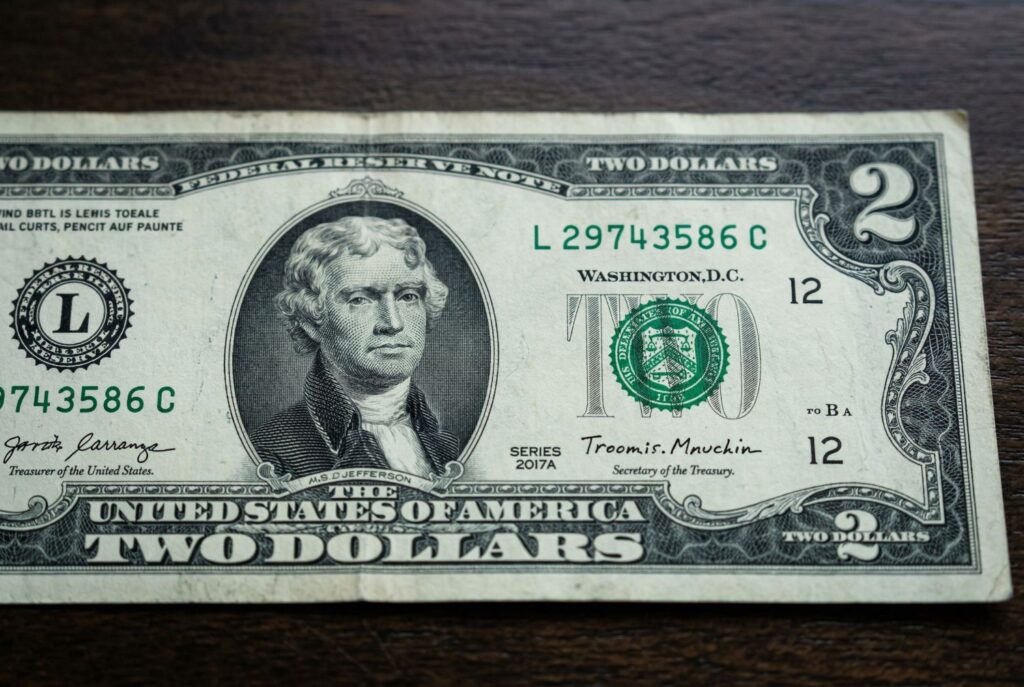
Finally, seal color plays a role. Red seals and other less common variations tend to be more collectible than standard green seal notes. These are the details that answer the question more accurately. Are 2 dollar bills worth anything? Most are not, but the right combination of features can make a significant difference.
Where and How to Sell Your Rare $2 Bills
If you believe your bill has value, the next step is confirming it and finding the right place to sell. One of the easiest ways to start is by checking recently sold listings online. This gives you a realistic view of what similar bills have actually sold for, rather than just what people are asking.
You can also reach out to currency dealers or auction houses that specialize in paper money. These professionals can help verify authenticity and provide more accurate pricing. The key is to rely on real market data. Estimating value without comparison can lead to unrealistic expectations.

Conclusion
So, what is your 2 dollar bill worth? In most cases, it is still worth two dollars. But in the right circumstances, a note can be worth much more. The difference comes down to age, condition, and unique features that make it stand out.
By understanding how to evaluate your bill and knowing what details to look for, you can quickly determine whether you have something ordinary or something that falls into the category of $2 bills worth money. Take a moment to check. You might already have a small piece of hidden value sitting right in front of you.
