


Borrowing money can feel straightforward at first until you start comparing where the loan should come from. A traditional bank, a local credit union, and an online lender may all offer personal loans, auto loans, mortgages, or refinancing options, but the experience and total cost can look very different. The best borrowing option depends on how well it matches your credit profile, budget, timeline, and long-term financial goals, rather than the size of the lender’s name or the speed of approval.
Understanding the strengths and tradeoffs of banks, credit unions, and online lenders can help you make a smarter decision before you commit to monthly payments, interest costs, and loan terms.
Why the Lender You Choose Matters
When people compare loans, they often focus only on the interest rate. That’s important, but it’s only one part of the decision. The lender you choose can affect the approval process, fees, customer support, repayment flexibility, and how easy it is to resolve problems later.
A lower advertised rate doesn’t always mean a better loan if the lender charges high fees, offers poor service, or pushes you into terms that strain your monthly budget. On the other hand, a slightly higher rate from a lender with stronger service and clearer terms may be easier to manage over time. That’s why choosing a lender should involve both cost and fit. Borrowing money means committing to a financial agreement that may influence your budget for years.
How Traditional Banks Typically Approach Borrowing
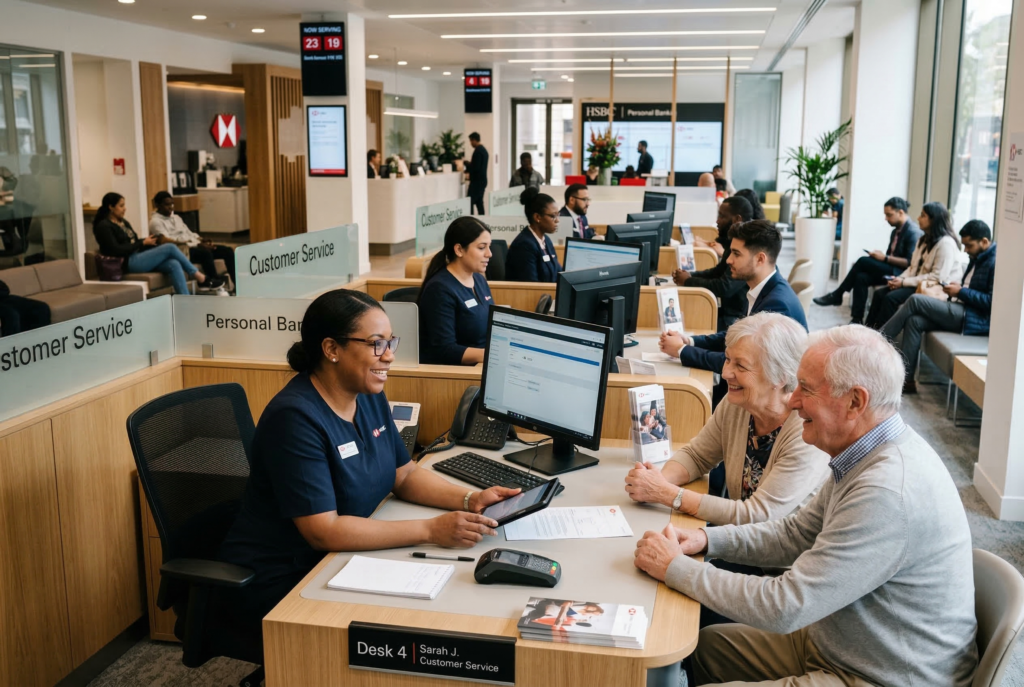
Banks are often the first place people think of when they need a loan. Many offer a wide range of borrowing products, including mortgages, auto loans, personal loans, home equity products, and credit cards. If you already have a checking or savings account with a bank, applying there may feel convenient.
One advantage of banks is structure. Large banks often have established underwriting standards, broad product offerings, and digital tools that make account access easier. Existing customers may also receive relationship discounts or smoother application experiences.
Still, banks can be more rigid than other lenders. Approval standards may be stricter, especially for borrowers with fair credit, limited credit history, or inconsistent income. Some banks are more likely to favor applicants with stronger credit profiles and more traditional financial documentation. For borrowers with solid credit and stable finances, a bank can be a strong option. But for people who don’t fit that profile, approval may be harder to get or the offered terms may be less favorable.
Why Credit Unions Appeal to Many Borrowers
Credit unions are nonprofit financial cooperatives owned by members. That structure often shapes how they approach lending. Because they aren’t focused on generating profits for outside shareholders, credit unions may offer competitive rates, lower fees, and a more community-oriented service model.
For borrowers, one of the biggest advantages can be affordability. Credit unions often stand out for lower borrowing costs, especially on personal loans, auto loans, and some refinancing products. They may also be more flexible when evaluating applicants whose credit isn’t perfect but whose overall financial picture is still responsible.
Another strength is personalized service. Smaller institutions may offer more direct communication and a more human lending process. That can matter if your finances don’t fit neatly into a standard formula. The main limitation is access. You usually need to qualify for membership, though many credit unions have broad eligibility based on location, employer, family connection, or community affiliation. Their digital tools may also vary. Some are excellent, while others may feel less polished than large banks or online lenders.

How Online Lenders Changed the Borrowing Landscape
Online lenders have become a major force in consumer borrowing because they emphasize speed, convenience, and digital access. Many allow you to check rates, upload documents, and receive a lending decision without visiting a branch or speaking to someone in person.
That convenience can be especially attractive for borrowers who want a fast process or who prefer managing finances online. In some cases, online lenders can approve and fund loans more quickly than traditional institutions. Online lenders may also serve a wider range of credit profiles. Some focus on borrowers with excellent credit, while others market to those with fair credit or limited credit history. This broader reach can make them worth considering if a bank has already declined your application.
Still, not every online lender offers a better deal. Some charge origination fees, higher rates, or aggressive penalties depending on the product. Because online borrowing is fast, it can also make it easier to accept a loan before fully reviewing the details. Convenience is valuable, but it shouldn’t replace careful comparison.
Interest Rates Are Important, But APR Tells You More
When comparing lenders, one of the most useful numbers is the APR, or annual percentage rate. Unlike the basic interest rate alone, APR gives a broader picture of borrowing cost because it may reflect certain fees in addition to interest.
This matters because two loans can appear similar at first glance while costing very different amounts gradually. A lender with a slightly lower interest rate may still be more expensive if the loan includes substantial upfront fees. Whether you’re comparing banks, credit unions, or online lenders, look at APR alongside the monthly payment, total repayment cost, and any fees charged at origination or during repayment. A loan should be affordable not only today, but throughout the full term.
Approval Standards Can Vary More Than You Expect
Different lenders evaluate borrowers in different ways. Banks often place significant weight on credit score, income stability, debt-to-income ratio, and documented financial history. Credit unions may look at similar factors but sometimes take a more flexible view of the full picture. Online lenders vary widely depending on the platform.
This is why one borrower may receive very different offers from different institutions. A strong credit profile may unlock better rates at a bank or credit union, while someone with fair credit may find more options through an online lender. Even with approval, it’s important to consider whether the loan truly fits your financial situation. Some lenders are more willing to approve riskier borrowers because they charge higher rates to offset that risk. Getting approved matters, but so does making sure the loan actually supports your finances rather than adding strain.

Customer Service and Loan Support Matter More Than People Expect
Borrowing decisions often focus heavily on rates and speed, but customer service becomes important once the loan is active. If you need to change a payment date, ask a question about fees, request payoff information, or handle a hardship situation, the lender’s service quality can shape the entire experience.
Banks may offer extensive customer support infrastructure, though not always with a personal touch. Credit unions often stand out for more relationship-based service. Online lenders may offer efficient digital service, but support quality can vary widely. A lender should be easy to contact, clear in communication, and transparent about repayment terms. If the process feels confusing before you sign, it probably won’t feel better afterward.
Loan Type Can Influence Which Lender Makes the Most Sense
The best lender can depend on the type of loan you need. For auto loans, credit unions often compete strongly on rates. For mortgages, banks, credit unions, and online mortgage lenders may all be worth comparing because fees and underwriting styles differ. For personal loans, online lenders may offer speed and accessibility, while credit unions may offer lower rates for qualified members.
This means the best borrowing source isn’t universal. A lender that’s excellent for a checking account or credit card may not offer the strongest personal loan. Comparing multiple institutions for the specific product you need usually leads to better results than assuming one lender is best for everything.
Prequalification Can Help You Compare More Safely

Many lenders now offer prequalification, which lets you review potential loan terms without committing to a full application right away. This can be useful because it helps you compare likely rates, payments, and terms across banks, credit unions, and online lenders before choosing one.
Prequalification doesn’t guarantee final approval, but it can give you a clearer sense of which lenders are competitive for your situation. It also reduces the chance of choosing blindly based only on advertising claims. Used carefully, this step can make comparison shopping much more effective.
Watch for Red Flags Before Borrowing
No matter which lender type you choose, some warning signs should make you pause. These include vague fee disclosures, pressure to borrow more than you need, unclear repayment terms, or a lender that focuses more on approval speed than affordability.
A strong lender should explain the loan clearly, disclose costs transparently, and make it easy for you to review the agreement before signing. If the details feel rushed or confusing, stepping back is usually the smarter choice. The right loan should solve a financial need without creating a larger financial problem later.
How to Choose the Best Borrowing Option for Your Situation
A practical borrowing decision starts with your own priorities. If you value an established institution and already have a strong banking relationship, a bank may be a good place to begin. If you want potentially lower rates and more personalized service, a credit union may stand out. If speed and digital convenience matter most, an online lender may deserve a close look.
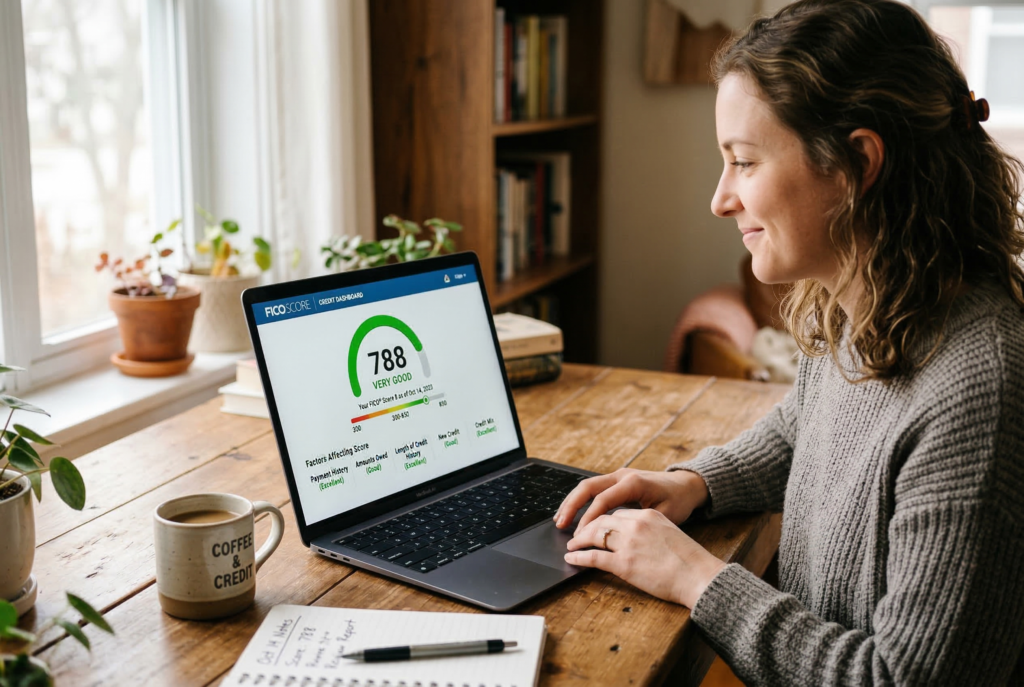
Still, the best choice should come down to the full package: APR, fees, repayment flexibility, support quality, and how comfortably the payment fits your budget. Comparing offers from more than one lender type is often the smartest move.
Conclusion
Choosing between banks, credit unions, and online lenders comes down to more than convenience. Each option has strengths. Banks may offer structure and broad services, credit unions may provide lower rates and more personal support, and online lenders may deliver speed and accessibility. The best borrowing option is the one that matches your credit profile, financial needs, and ability to repay comfortably over time.
When you compare lenders carefully and look beyond advertising promises, you’re more likely to find a loan that truly supports your goals. A smart borrowing decision doesn’t only help you get approved. It helps you borrow with more confidence, lower stress, and a better chance of protecting your long-term financial health.
