

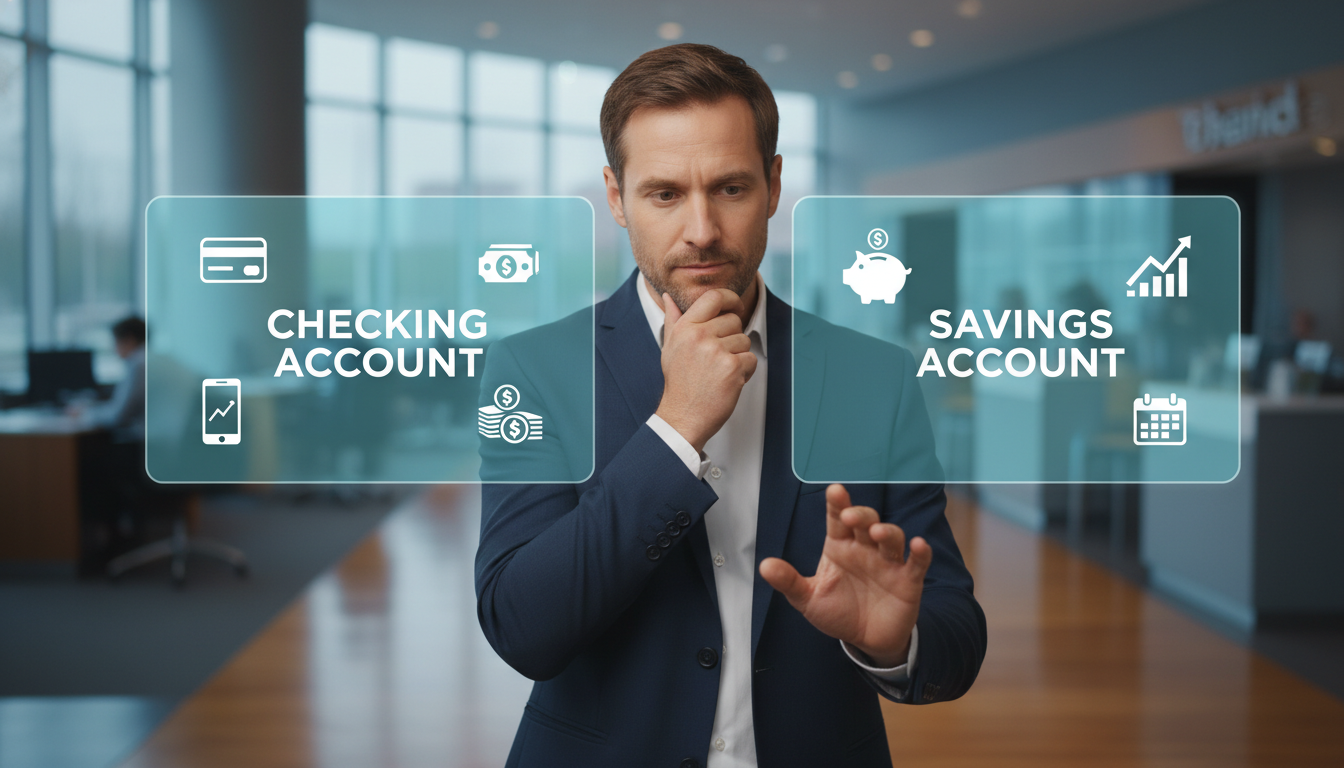
Money has a funny way of slipping through the cracks when it doesn’t have a clear “home.” One minute your paycheck hits, the next minute it’s rent, groceries, streaming subscriptions, and a few impulse buys you barely remember making. That’s where understanding checking vs savings accounts really starts to matter in everyday life.
Most adults need both. The trick is knowing what each account is actually for, how they work together, and how to set them up so your money does what you want it to do, not the other way around.
What’s the Real Difference Between a Checking and a Savings Account?
At the most basic level, the difference comes down to access versus intention. A checking account is designed for frequent movement and everyday spending, while a savings account is meant to create a pause between you and your money. Both hold funds, but how, and why you use them is what separates smart money management from constant financial stress.
What a Checking Account Is Best Used For
Everyday Money That Needs to Move
A checking account is your financial command center. It’s commonly used to receive paychecks through direct deposit, pay rent or utilities, cover credit card bills, buy groceries and gas, send money through apps like Zelle or Venmo, and withdraw cash or make purchases with a debit card.
Because checking accounts are built for frequent use, they’re highly accessible, usually earn little to no interest, and are closely tied to debit cards and bill pay features. But it can also be a downside, since easy access can lead to overspending if you aren’t careful.
Pros of Checking Accounts
Checking accounts offer immediate access to your money, making it easy to pay bills, make purchases, and withdraw cash when needed. They support simple automation for bills and subscriptions, work smoothly with digital wallets and payment apps, and typically don’t limit the number of transactions you can make.
Cons of Checking Accounts
The downsides of checking accounts include earning little to no interest, the risk of overdraft fees if your balance drops too low, and the temptation to overspend when money is always just one tap away.
This is why checking accounts work best when they hold only the money you plan to spend, not everything you own.

What a Savings Account Is Best Used For
Money You Don’t Want to Touch
People commonly use savings accounts for emergency funds, short-term goals (vacations, weddings, moving costs), and big future expenses (home down payment, car replacement).
A savings account is for money with a purpose. It isn’t meant to be swiped, tapped, or drained casually. Savings accounts usually earn interest, especially high-yield savings accounts, which have become much more popular in recent years.
Advantages of Savings Accounts
Savings accounts typically offer higher interest rates than checking accounts, making them better suited for growing your money over time. They encourage more intentional saving, work well for goal-based funds like emergencies or big purchases, and are often less tempting to dip into for impulse spending.
Disadvantages of Savings Accounts
Some savings accounts limit the number of withdrawals you can make, and transfers may take a day or two if your accounts are at different banks. Certain accounts may also require minimum balances to avoid monthly fees.
Checking vs Savings Accounts: A Quick Comparison
| Features | Checking accounts | Savings accounts |
|---|---|---|
| Primary purpose | Spending and bill paying | Storing and growing money |
| Access | Immediate | Limited or delayed |
| Interest | Usually none or very low | Higher, especially with online banks |
| Spending friction | Almost none | Intentionally slower |
How Much Money Should Go in Each Account?
A Practical Rule of Thumb
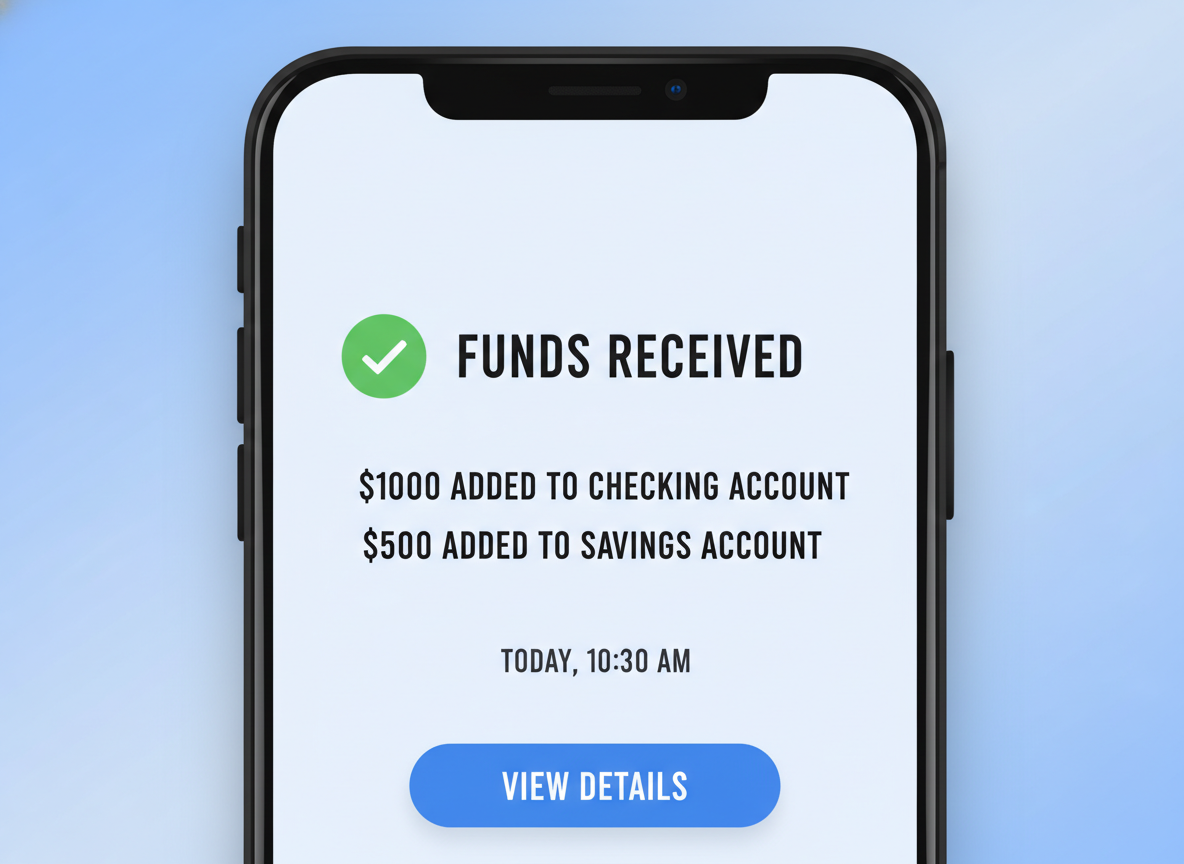
For most households, a good rule of thumb is to keep enough in your checking account to cover one month of expenses plus a small buffer, while storing everything else you don’t need immediately in savings. That buffer may be just a few hundred dollars for renters, slightly higher for homeowners with variable costs, and larger for freelancers or anyone with irregular or commission-based income.
Should Your Checking and Savings Accounts Be at the Same Bank?
Keeping both at the same bank works well if:
- You like instant transfers.
- You prefer simplicity and fewer logins.
- You use savings as overdraft protection.
Keeping them at different banks works better if:
- You’re tempted to dip into savings too easily.
- You want a higher APY from an online-only bank.
- You like a small delay that forces a pause.
Many people use a hybrid approach: Local checking account for spending, online high-yield savings accounts for goals. There’s no single right answer, but there’s a right setup for your habits.
What About Interest Rates and High-Yield Savings?

Interest rates have been a moving target over the last few years, but the underlying pattern hasn’t changed. Checking accounts are built for spending and convenience, not for growing your balance, while savings accounts are designed to do exactly that. Even a few percentage points of difference in APY can quietly add up over time. Although you won’t get rich from interest alone, you’ll keep more of the money you’ve already worked hard to earn.
Smart Alternatives to Traditional Savings Accounts
Once your savings grow, it can make sense to add more structure and options. Money market accounts can offer higher interest while still providing limited checking-style access, certificates of deposit (CDs) let you lock money away for a set period in exchange for better rates, and using multiple savings accounts can help you organize goals, such as separating emergency funds, travel savings, and annual expenses.
The Bottom Line
A checking account keeps life moving, while a savings account keeps life stable.
When both are used intentionally, they stop competing for your attention and start working together. The best setup isn’t the one with the highest rate or the flashiest app. It’s the one that fits your habits, protects you from yourself when needed, and quietly supports the life you’re building.
