


Bank fees can feel small at the moment, but over time they can quietly drain money from your account. A few dollars here, a charge there, and suddenly you’re paying for things that could’ve been avoided with a little planning. For many people, these fees are more than an annoyance. They create stress, make budgeting harder, and sometimes leave people feeling like they’re always one step behind.
The good news is that most common bank fees are predictable. Once you understand what they are, why they happen, and how banks apply them, it becomes much easier to avoid them. Whether you’re opening your first account, trying to stop overdraft charges, or simply looking for smarter banking habits, knowing how bank fees work can save you money and frustration.
Why Banks Charge Fees in the First Place
Banks make money in several ways, and fees are one of them. Some fees are tied to services, like wire transfers or ordering paper checks. Others are penalties, such as overdraft fees or minimum balance fees, meant to discourage certain account activity.
From a customer’s perspective, though, the reason matters less than the impact. What matters is this: if you don’t know the rules of your account, you’re more likely to lose money unnecessarily. That’s why learning the most common bank fees is an important part of managing your personal finances.
Account Maintenance Fees and Minimum Balance Fees

One of the most common bank fees is the monthly maintenance fee. Some checking and savings accounts charge a recurring fee just for keeping the account open. In many cases, banks waive the fee if you meet specific conditions, such as maintaining a minimum balance, setting up direct deposit, or linking multiple accounts.
This is where many people run into trouble. An account may look simple when you open it, but the waiver rules can be easy to overlook. If your balance drops below the required amount even briefly, a fee may appear on your statement.
To avoid bank fees like these, read the account terms closely before signing up. If your bank requires a balance level that doesn’t match your real financial situation, it may be worth switching to a no-fee account. Online banks and digital-first checking accounts have become especially popular in recent years because many of them offer fewer maintenance charges than traditional banks.
ATM Fees Can Pile Up Faster Than You Think
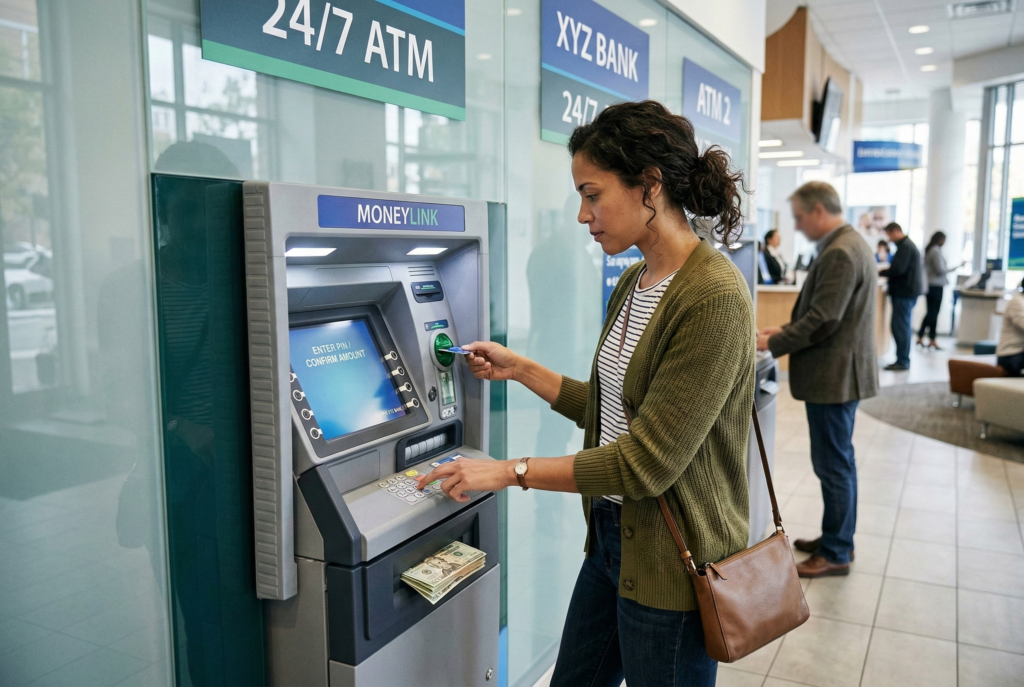
ATM fees are another easy way to lose money without noticing right away. When you use an ATM outside your bank’s network, you may get charged by both the ATM owner and your own bank. That means one quick cash withdrawal can cost several dollars.
This can be especially frustrating when you’re traveling, in a hurry, or simply don’t have access to one of your bank’s machines nearby. For people who use cash often, repeated out-of-network withdrawals can turn into a surprisingly expensive habit.
A simple fix is to use your bank’s mobile app to find fee-free ATMs before you need one. Some banks also reimburse ATM fees or belong to large shared ATM networks. If cash withdrawals are part of your routine, choosing a bank with better ATM access can make a real difference.
Overdraft Fees Are One of the Most Expensive Banking Fees
Overdraft fees happen when you spend more money than you have in your checking account and the bank covers the transaction anyway. Traditionally, these fees have been among the most expensive bank fees, often reaching around $35 per transaction.
For someone living paycheck to paycheck, that can be more than a financial inconvenience. It can set off a chain reaction. One overdraft can lead to multiple charges, then more stress, then even less room in the budget.
Banks have started adjusting overdraft policies in recent years. Some have reduced fees, added grace periods, or removed certain penalties altogether. That shift reflects a broader trend in consumer banking: customers are paying more attention to hidden costs, and banks are under more pressure to offer fairer account terms.
Still, you shouldn’t assume your account is fee-friendly. Check your bank’s overdraft policy and turn on account alerts. Low-balance notifications can help you catch a problem before it becomes expensive. Linking a backup account may also help, though you’ll want to confirm whether your bank charges for overdraft protection transfers.
Insufficient Funds Fees Can Create Problems Beyond the Bank
Insufficient funds fees, sometimes called returned item or nonsufficient funds fees, happen when a payment is declined because your account doesn’t have enough money to cover it. Even when banks reduce or eliminate these charges, the problem doesn’t always end there. The company or person you were trying to pay may charge a late fee or returned payment fee of its own.
That’s what makes this issue so frustrating. A single missed payment can affect more than your bank statement. It can disrupt bills, subscriptions, rent, or utilities and leave you scrambling to fix the situation.
The best defense is visibility. Regularly checking your balance, setting account alerts, and tracking automatic payments can help you avoid surprises. If you have several bills hitting your account each month, try building a small buffer so routine expenses don’t push you into risky territory.
Wire Transfer Fees Are Costly, but Sometimes Avoidable
Wire transfers are useful when speed matters, especially for large or time-sensitive payments. But they often come with some of the highest banking fees, particularly for international transfers.
If the transfer is optional, it’s worth asking whether there’s a cheaper alternative. Depending on the situation, online banking transfers, peer-to-peer payment tools, or ACH payments may work just as well. For many everyday needs, the fastest option isn’t always the most cost-effective one.
This is a good example of how bank fees often show up when people are under pressure. If you’re in a rush, it’s easy to focus on getting the payment sent and ignore the cost. But when the transaction isn’t urgent, slowing down for a minute can save you a meaningful amount of money.
Check Ordering Fees Still Affect Some Account Holders
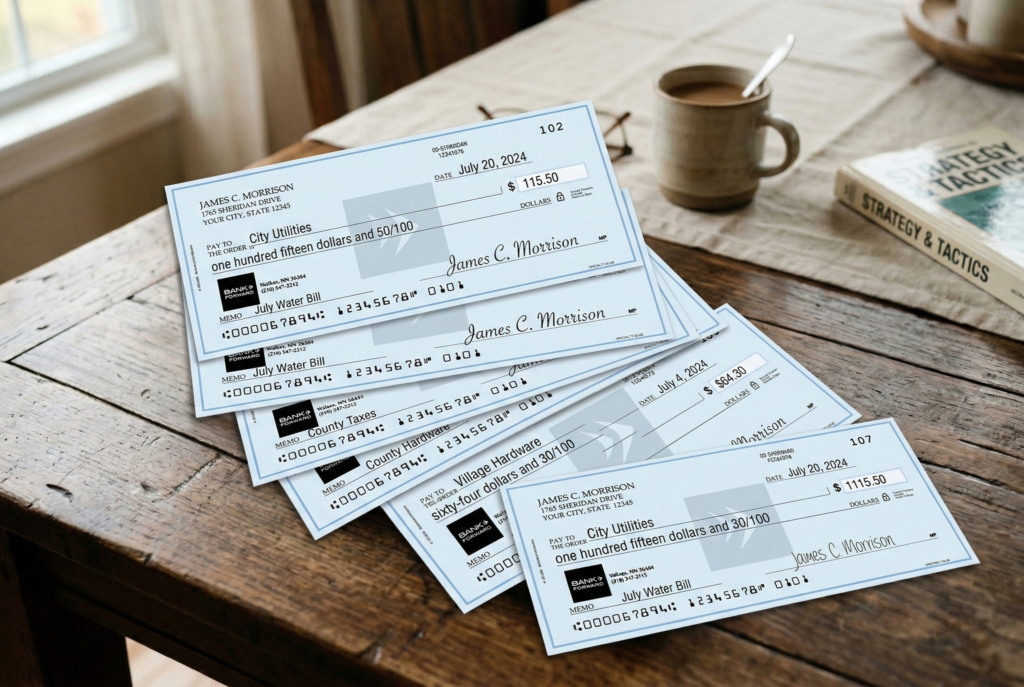
Checks aren’t as central to daily life as they once were, but they haven’t disappeared. Some people still use them for rent, gifts, school-related payments, or small businesses. Banks often provide starter checks when an account is opened, then charge for reorders later.
This fee may not hit often, but it can still be annoying, especially if you didn’t expect it. In some cases, the cost rises if you want a specific style or need faster shipping.
You can avoid check ordering fees by asking whether your account includes free standard checks, especially if you maintain a qualifying balance or use direct deposit. It also helps to reorder early instead of paying extra for rushed delivery.
Debit Card Replacement Fees Can Catch You Off Guard
Losing a debit card or damaging it is stressful enough without having to pay extra for a replacement. Some banks provide replacement cards for free, but others may charge, particularly if you request expedited shipping.
This is one of those fees that often shows up during inconvenient moments. Maybe you’re traveling, maybe your wallet disappeared, or maybe your card stopped working right before a major purchase. In those moments, people tend to pay whatever it takes to solve the problem quickly.
One smart habit is adding your card to a mobile wallet before you ever need it. That way, if your physical card goes missing, you may still be able to make purchases while waiting for a replacement. It’s also worth reviewing your bank’s card replacement policy before an emergency happens.
International Transaction Fees Matter More Than Travelers Expect

If you use your debit card abroad or withdraw money from an overseas ATM, your bank may charge international transaction fees or foreign transaction fees. These are often a percentage of the purchase amount, which means larger purchases lead to larger charges.
For frequent travelers, students studying abroad, digital nomads, and even families taking one big vacation, these costs can add up quickly. And because they’re percentage-based, they can be easy to underestimate until you review your statement later.
Many people now look for banks that don’t charge foreign transaction fees, and that trend has grown as international travel has rebounded and mobile banking options have expanded. If travel is part of your lifestyle, choosing the right account can save you far more than trying to manage around a bad one.
A Smarter Strategy for Avoiding Common Bank Fees
Avoiding bank fees usually comes down to a few simple habits that protect your account month after month.
Here are some of the most effective ways to avoid bank fees:
- Turn on low-balance and transaction alerts
- Use in-network ATMs whenever possible
- Review your account terms at least once a year
- Keep a small cushion in your checking account
- Compare fee-free or low-fee banks if your current account no longer fits your needs
These steps may seem basic, but they solve a real problem many people face: feeling like money disappears without a clear reason. When you understand where fees come from, you regain a sense of control.
What to Look for If You’re Thinking about Switching Banks
Sometimes the best way to avoid bank fees is to move to an account that charges fewer of them. If your current bank regularly costs you money, it may be time to compare other options.
Look for features like no monthly maintenance fees, no overdraft fees, broad ATM access, and no foreign transaction fees if you travel often. Also pay attention to the mobile app, alert settings, and customer service. A bank that gives you better tools can help you avoid mistakes before they become expensive.
This matters because the best account isn’t always the one with the most features. It’s the one that fits how you actually manage your money.
Final Thoughts
Common bank fees may be widespread, but they aren’t always unavoidable. Account maintenance fees, ATM fees, overdraft fees, insufficient funds fees, wire transfer fees, check ordering fees, debit card replacement fees, and international transaction fees all have one thing in common: they become easier to manage once you know what triggers them.
For many people, the bigger challenge is the feeling that banking is complicated and full of fine print. That feeling is real, but it doesn’t have to define your experience. A few better habits, clearer awareness, and the right account can help you keep more of your money where it belongs.
The more you understand bank fees explained in simple terms, the easier it becomes to avoid paying them and make smarter choices for your financial life.
Related Articles
Hidden Banking Fees That Quietly Erode Your Cash Flow and Financial Stability
