

When it comes to managing your savings, finding the right account to grow your money is crucial. High-yield savings accounts (HYSAs) provide an excellent way to earn more on your savings compared to traditional savings accounts, all while maintaining easy access to your funds. If you’re looking to save for the future or build an emergency fund, HYSAs offer a powerful solution that can help you meet your financial goals more efficiently.
In this guide, we’ll explain what HYSAs are, how they work, the key benefits they offer, and practical steps to choose the best one for your needs. We’ll also cover some important considerations, so you know how to maximize the potential of your high-yield savings account.
What Is a High-Yield Savings Account (HYSA)?
A high-yield savings account (HYSA) is a type of savings account that offers a much higher interest rate compared to a traditional savings account. The main advantage of an HYSA is the higher Annual Percentage Yield (APY), which allows your money to grow faster over time. While a regular savings account might offer an APY of 0.01%, many high-yield accounts offer rates of 1.5% to 2.0% or more, depending on the financial institution.
HYSAs are typically offered by online banks, credit unions, and traditional banks. They’re a safe, low-risk way to grow your money, especially when compared to other investment options like stocks or bonds. The beauty of HYSAs lies in their simplicity: your money earns interest, and you have easy access to it when needed.
Moreover, like traditional savings accounts, HYSAs are FDIC-insured (up to $250,000 per depositor, per bank), meaning that your funds are protected by the federal government. This makes them a secure place to store your emergency fund, savings for short-term goals, or any extra cash you want to set aside for the future.
How Do High-Yield Savings Accounts Work?
Deposits and Interest
You deposit money into your HYSAs, and the bank pays you interest on that balance. The interest is typically compounded, which means you earn interest not only on your initial deposit but also on the interest your savings have already accumulated. The frequency of compounding (daily, monthly, or annually) affects how much interest you can earn.
Interest Rates
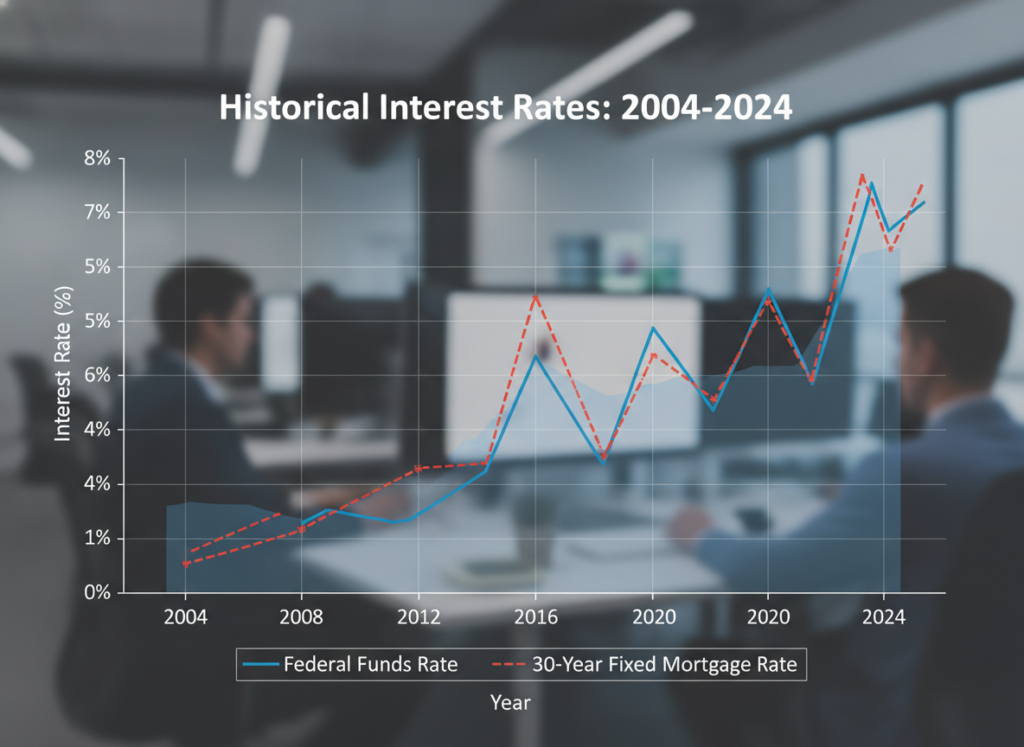
The main draw of an HYSA is the higher interest rate. While traditional savings accounts often offer interest rates as low as 0.01%, HYSAs can offer rates up to 1.5% to 2.0% or more, depending on the financial institution and the prevailing economic conditions. Rates vary by bank and location, so it’s essential to shop around to find the best offer for you.
Accessibility
The funds in your HYSA are highly liquid, meaning you can access your money at any time. However, it’s worth noting that some HYSAs may have restrictions on the number of transactions you can make per month (typically 6 withdrawals or transfers per month). If you exceed this number, the bank may charge a fee, or the account could be converted to a regular savings account.
Minimum Balance Requirements
Many high-yield savings accounts have no minimum balance requirement, but some might require a minimum deposit to open the account. Make sure to read the account’s terms and conditions to avoid any surprises.
Online Banks and Traditional Banks
Online banks often offer higher APYs than traditional banks because they have lower overhead costs. However, if you prefer in-person service, some traditional banks and credit unions also offer competitive high-yield savings accounts, although their rates may be slightly lower.

Key Benefits of High-Yield Savings Accounts
Higher Interest Rates and Faster Growth
The main benefit of an HYSA is the ability to earn more on your savings due to the higher interest rates. The increased APY can make a significant difference over time, especially if you leave your savings untouched to compound. For example, if you have $10,000 in a 1.5% APY account, you’ll earn $150 in interest in a year (compared to just $1 in a traditional savings account).
Low Risk
High-yield savings accounts are one of the safest options for storing your money. HYSAs are FDIC-insured, meaning your deposits are protected by the government up to $250,000. This makes them a secure and low-risk investment option for people who are looking to grow their savings without taking on the risks associated with other investment types like stocks.
Liquidity and Easy Access
One of the most significant benefits of an HYSA is that your funds are easily accessible. You can withdraw money whenever you need it, making it a great option for your emergency fund or short-term savings goals. You can also transfer funds between your savings and checking accounts with ease.
No Fees
Many high-yield savings accounts have no monthly maintenance fees or low fees, which means more of your money goes toward growing your savings. Look for accounts with no fees or minimal fees to ensure that your interest isn’t eaten up by hidden charges.
Automatic Savings
Setting up automatic transfers from your checking account to your HYSA makes saving effortless. This way, you can save consistently without having to remember to make manual deposits every month.
How to Choose the Right High-Yield Savings Account

Choosing the best high-yield savings account for your needs involves several factors. Here’s what to consider when selecting an account:
APY Comparison
Shop around to compare interest rates (APYs) offered by different banks. Online banks typically offer higher rates due to their lower operational costs, so consider looking at those options if maximizing interest is your goal.
Fees
Make sure the account has no hidden fees. Look for accounts that don’t charge monthly maintenance fees, excessive transaction fees, or penalties for exceeding withdrawal limits.
Minimum Deposit Requirements
While many HYSAs have no minimum deposit, some may require a small initial deposit to open the account. Check for any requirements or penalties for not meeting a minimum balance.
Liquidity and Access
Ensure the account provides easy access to your funds. Look for accounts with no restrictions on withdrawals or low transaction limits. Some HYSAs offer free transfers between linked accounts, which can make managing your money more convenient.
Online vs. Traditional Banks
While online banks offer higher APYs, some people prefer traditional banks for their in-person services. Consider what matters most to you: interest rate or customer service and choose accordingly.
Potential Drawbacks of High-Yield Savings Accounts
Interest Rate Fluctuations
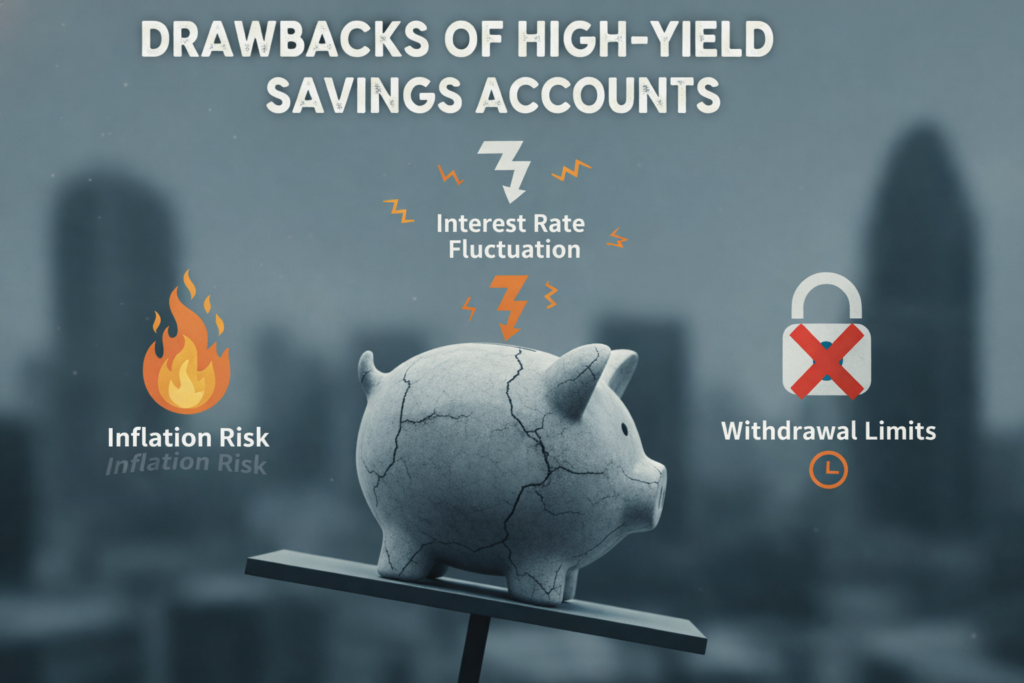
Interest rates on high-yield savings accounts can change over time, often in response to economic conditions or shifts in the Federal Reserve’s interest rate decisions. Rates may start high but drop after an introductory period, so it’s important to be aware of how long the high rate will last.
Inflation Risk
While HYSAs are safe and low-risk, their interest rates may not always keep pace with inflation. Over time, if inflation outpaces the interest rate on your savings, the value of your money may decrease.
Withdrawal Limits
While your savings are accessible, federal regulations limit how many withdrawals or transfers you can make each month, typically to six. Exceeding this limit may incur fees or cause the account to be converted to a standard savings account.
Final Thoughts: Is a High-Yield Savings Account Right for You?
A high-yield savings account is a smart choice for those looking to grow their savings at a faster rate while maintaining liquidity and security. The ability to earn a higher APY, combined with the safety and accessibility of your funds, makes it a valuable tool for building wealth over time.
When selecting an HYSA, carefully consider factors like APY, fees, and minimum deposit requirements to ensure you’re getting the best value for your money. Whether you’re saving for an emergency fund, a vacation, or long-term financial goals, a high-yield savings account can help you achieve financial security with minimal risk.
Start by comparing rates, setting up automatic transfers, and contributing regularly to maximize your savings. With the right approach, your HYSA can be a powerful tool to build a strong financial future.
Related Articles
10 Best Money-Saving Apps to Help You Save More Automatically in 2025
