


Managing money today requires more than checking a balance occasionally. With digital payments, subscription services, variable income streams, and rising living costs, financial organization demands structure. Modern banking tools provide that structure when they’re used intentionally and consistently.
Most adults already use online banking or mobile apps, but many only access basic features such as balance checks or transfers. Hidden within those same platforms are budgeting dashboards, automated savings systems, fraud alerts, and credit monitoring tools that can significantly improve financial control. When these tools are integrated into daily habits, money management becomes proactive rather than reactive.
Financial clarity reduces stress. When households clearly see income, expenses, savings progress, and debt obligations in one place, decision making improves. Small inefficiencies become visible before they escalate. Subscriptions that aren’t being used, fees that repeat monthly, or spending categories that quietly grow over time become easier to adjust.
Creating Structure Through Intentional Account Design
One of the simplest but most effective strategies is organizing accounts by purpose. Many people rely on a single checking account for everything, which blends fixed bills with discretionary spending and savings. This structure often creates confusion.
Separating funds creates psychological clarity. Fixed expenses such as rent or mortgage payments, insurance premiums, and utilities can flow through one primary account. Everyday variable spending such as groceries and dining can move through another. Savings should remain distinct and protected.
Some banks allow internal savings buckets within one account, labeled for goals like emergency reserves, travel, or home maintenance. This approach reduces friction while still reinforcing discipline. When money has a clearly defined purpose, overspending becomes less likely. Financial planners consistently emphasize behavioral structure. Clear boundaries around money categories support consistency, especially during periods of economic uncertainty.
The Power of Automation in Financial Stability
Automation transforms good intentions into reliable habits. Research in behavioral finance repeatedly shows that individuals save more when transfers occur automatically rather than manually. Most banks allow customers to schedule recurring transfers aligned with paydays. When savings is moved immediately after income arrives, discretionary spending adjusts naturally. Automated bill pay also reduces late fees and protects credit scores.
Consistency builds long term resilience. Households that automate essential obligations experience fewer financial surprises. They aren’t relying on memory or motivation each month. Instead, systems operate in the background, reinforcing discipline.
Automation doesn’t eliminate oversight. Regular review remains important. However, automation reduces friction and strengthens reliability, which is especially valuable for busy professionals and families balancing multiple responsibilities.
Using Data Insights to Improve Spending Awareness
Modern banking dashboards categorize transactions automatically, allowing users to review spending by housing, transportation, food, healthcare, and entertainment. Instead of guessing where money goes, individuals can analyze real data. Monthly reviews reveal trends. For example, dining expenses may steadily increase without conscious awareness. Streaming services may multiply quietly over time. Small recurring charges often accumulate into significant annual totals.

When patterns become visible, adjustments become manageable. Cash flow improves not because income increases immediately, but because awareness improves decision making. Timing matters as well. Banking tools show when deposits and withdrawals occur, helping users align bill due dates with paycheck cycles. This alignment reduces overdraft risks and improves liquidity management.
Real Time Alerts Strengthen Financial Security
Fraud prevention and account monitoring have become essential. Digital payments move quickly, and unauthorized charges can escalate if ignored. Real time alerts provide immediate awareness of unusual activity or low balances.
Banks typically allow customizable notifications, including:
- Alerts for transactions exceeding a selected dollar amount
- Notifications when balances drop below a set threshold
- Reminders for upcoming credit card payments
- Warnings about suspicious or irregular account activity
These alerts serve as an early warning system. Quick responses reduce financial damage and simplify dispute resolution. They also help households maintain stronger oversight without constant manual checking. Financial security improves when awareness becomes immediate rather than delayed.
Credit Monitoring as Part of Everyday Banking
Credit scores influence mortgage approvals, auto loan rates, rental applications, and insurance premiums. Many banks now integrate credit score tracking directly into their apps, offering monthly updates and explanations of contributing factors. Regular monitoring helps users understand how payment history, credit utilization, and account age affect borrowing power. If utilization rises too high, early adjustments can prevent long term damage. If scores drop unexpectedly, investigation can begin quickly.

Strong credit profiles open access to lower interest rates and better financial flexibility. Ignoring credit health doesn’t prevent consequences. Monitoring supports informed borrowing decisions and long term planning.
Emergency Preparedness and Savings Growth
Unexpected expenses are inevitable. Medical bills, car repairs, or temporary income disruptions can destabilize households without reserves. Banking tools simplify the process of building and tracking emergency funds. Goal tracking features allow users to define a target amount, often three to six months of essential expenses. Progress indicators reinforce consistency. High yield savings accounts offer modest growth while maintaining liquidity.
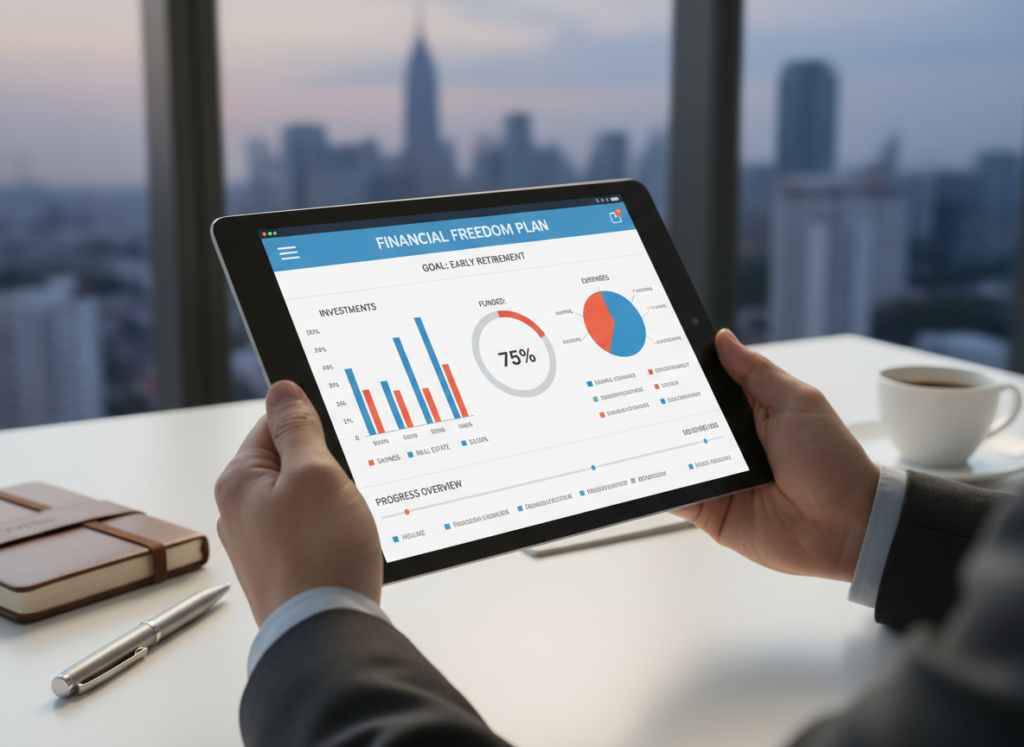
Even small contributions accumulate when automated consistently. Over time, emergency savings shift from aspirational to tangible. Financial resilience increases, and stress decreases. Households without emergency savings often turn to credit when unexpected disruptions arise, increasing their overall debt burden. Building structured savings reduces that dependence and strengthens financial stability.
Integrating Banking Tools With Broader Financial Planning
Banking platforms increasingly integrate with budgeting apps, investment accounts, and tax preparation software. This integration provides a comprehensive financial overview, especially for individuals managing freelance income, side businesses, or multiple revenue streams.
Clear transaction histories simplify tax documentation and expense tracking. For self employed individuals, this transparency reduces year end stress. Consistency remains essential. Setting aside time each month to review accounts, reconcile expenses, and evaluate progress reinforces discipline. Technology provides data, but engagement ensures results. Financial stability develops gradually. It isn’t created through one dramatic change but through repeated, structured decisions supported by reliable systems.
Avoiding Overreliance on Technology
While banking tools are powerful, they aren’t substitutes for judgment. Ignoring notifications, failing to adjust savings goals as income grows, or neglecting to review subscription renewals weakens effectiveness. Tools support strategy. They don’t replace intentional planning. Users who engage consistently gain the greatest benefits. Financial clarity requires both access to information and willingness to act on it.
Long Term Impact on Financial Confidence
When banking tools are used strategically, measurable improvements emerge over time. Fees decline because payments aren’t missed. Credit scores strengthen because balances are managed consistently. Savings accumulate steadily because automation removes hesitation.
Most importantly, confidence increases. Financial decisions become grounded in data rather than assumptions. Households feel greater control because systems provide structure. Economic conditions fluctuate, interest rates shift, and living costs continue to evolve. Structured financial management enables individuals to adapt to these changes while maintaining stability and long term balance.

Conclusion
Using banking tools to manage money more effectively requires consistent engagement and thoughtful organization. Automation strengthens discipline. Spending dashboards improves awareness. Alerts enhance security. Credit monitoring protects borrowing power. Savings goal tracking reinforces resilience.
When these tools operate together within a structured system, financial management becomes clearer and more sustainable. Stability isn’t built through complexity. It’s built through reliable habits supported by accessible technology. With intentional use of modern banking tools, individuals and families can reduce uncertainty, strengthen long term security, and maintain greater confidence in their financial future.
Related Articles
The Powerful Impact of Modern Banking on Everyday Financial Decision Making
