

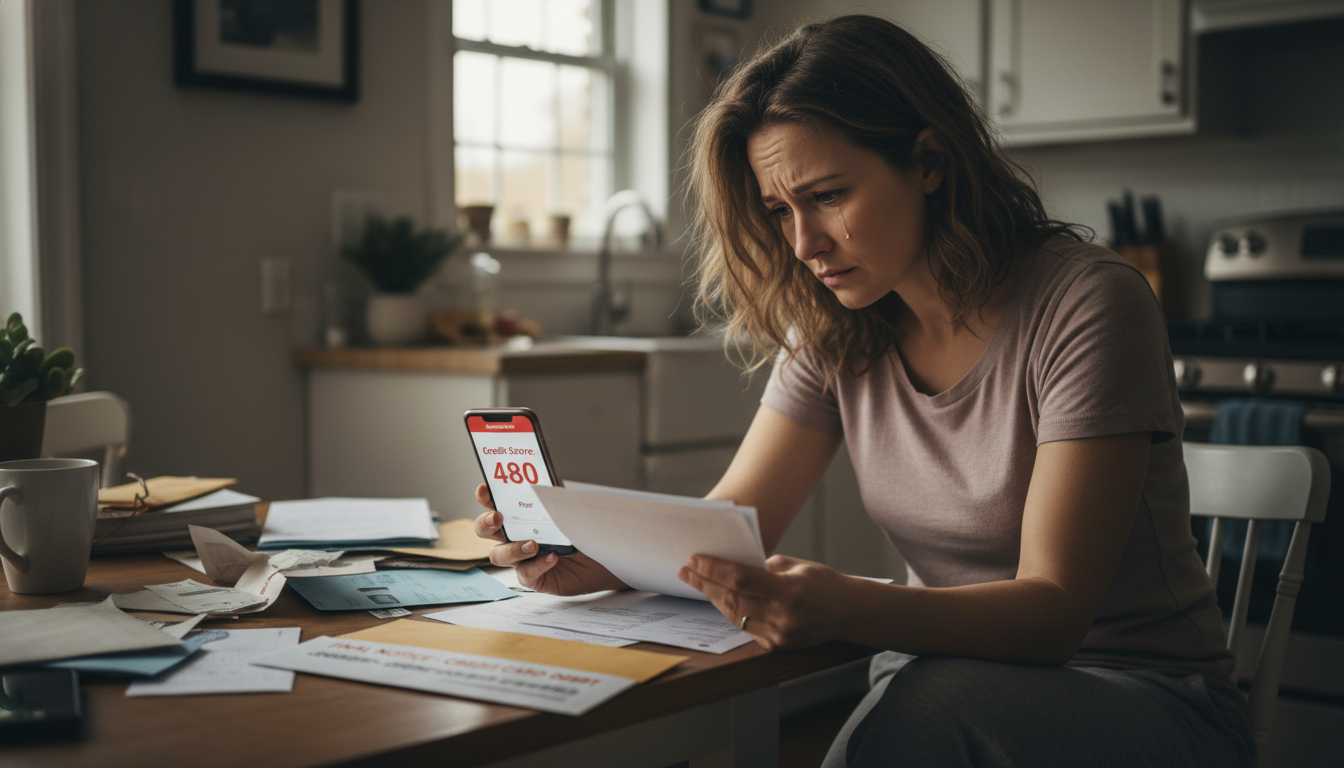
A bad credit score can affect many aspects of your life, from the interest rates you pay on loans to your ability to qualify for new credit. If you’re struggling with a low score, you aren’t alone. The good news is, fixing a bad credit score is possible, and the sooner you start, the better off you’ll be in the long run.
In this article, we’ll dive deep into what bad credit scores really mean, the ranges that determine whether your credit score is considered “bad,” and most importantly, how you can improve it faster through practical steps.
What is a Bad Credit Score?
A bad credit score is a score that falls at the lower end of the credit score range. Most credit scores use a scale from 300 to 850. The exact definition of a bad score can vary depending on the scoring model (FICO or VantageScore), but generally, any score below 580 is considered bad.
Here’s a breakdown of the FICO score ranges to give you a clearer picture:
- 300–579: Poor. A score in this range indicates that you’ve had significant financial difficulties, such as late payments, defaults, or a lack of credit history.
- 580–669: Fair. With a score in this range, you may still get credit but will likely face higher interest rates. You may have missed some payments or have high credit card debt.
- 670–739: Good. This is a solid score that allows you to qualify for most loans and credit products at competitive interest rates.
- 740–799: Very good. At this level, you’ll qualify for the best rates on loans and credit cards, and lenders will see you as a low-risk borrower.
- 800–850: Excellent. This score range is the highest and represents top-tier creditworthiness, offering the lowest interest rates and most favorable loan terms.
So, if your score is under 580, you’re likely in the bad credit category, and it’ll be more difficult for you to get approved for credit. But don’t worry; this isn’t permanent. You can rebuild your credit over time by following a clear and disciplined strategy.
What Does a Bad Credit Score Mean for You?

A bad credit score can affect your finances in many ways.
Higher Interest Rates
One of the biggest drawbacks of a bad credit score is that you’ll face higher interest rates on loans and credit cards. Lenders view you as a higher-risk borrower, so they charge higher rates to compensate for the potential risk of lending to you.
For example, if you have a bad credit score and take out a $10,000 personal loan at 15% interest, you’ll pay much more in interest over time compared to someone with a good credit score who gets a rate of 7% on the same loan.
Limited Loan Approval
With a low credit score, lenders may be hesitant to approve your loan applications. If you’re approved, the loan might come with unfavorable terms, like a higher interest rate, smaller loan amounts, or a requirement for a co-signer.
Difficulty Renting a Home
Many landlords check your credit score as part of the rental application process. With a bad credit score, you may face higher security deposits or even denial of your application. If you’re renting, a low credit score may make it harder to secure an apartment.
Higher Insurance Premiums
Some insurance companies use your credit score to set your auto insurance premiums or homeowners insurance rates. A bad credit score could mean you pay higher premiums, adding to your monthly costs.
Employment Challenges
Some employers, especially those in the financial sectors, check your credit score as part of their hiring process. A bad credit score may be seen as a sign of financial irresponsibility, which could affect your chances of getting hired.
Why Do You Have a Bad Credit Score?

Late Payments or Defaults
Your payment history is the biggest factor in your credit score. If you’ve missed payments on your credit cards, loans, or other bills, it can cause significant damage to your score. Over time, missed payments can accumulate and lead to defaults, making it harder to recover.
High Credit Utilization
This is the percentage of your credit limit that you’re using. High credit utilization (using more than 30% of your credit limit) suggests to lenders that you might be financially overextended, and it can negatively affect your credit score. For example, if you have a $5,000 credit limit and you’re carrying $3,000 in balances, you’re utilizing 60% of your credit, which is considered high.
Short Credit History
The longer you’ve been using credit, the better your score will be. If you’ve only recently opened your credit accounts, your credit history length will be shorter, which can lower your score. Lenders tend to prefer borrowers with a longer credit history, as it helps them predict your financial behavior.
Too Many Credit Inquiries
Every time you apply for credit, a hard inquiry is made on your credit report. If you apply for too much credit in a short period, it can lower your score. Lenders may also view multiple inquiries as a sign that you’re desperate for credit, which could affect your approval chances.
Errors on Your Credit Report
Mistakes on your credit report, such as accounts you don’t recognize or incorrect late payments, can hurt your score. Regularly checking your credit report for errors and disputing any inaccuracies can help improve your score.
How to Fix a Bad Credit Score Faster
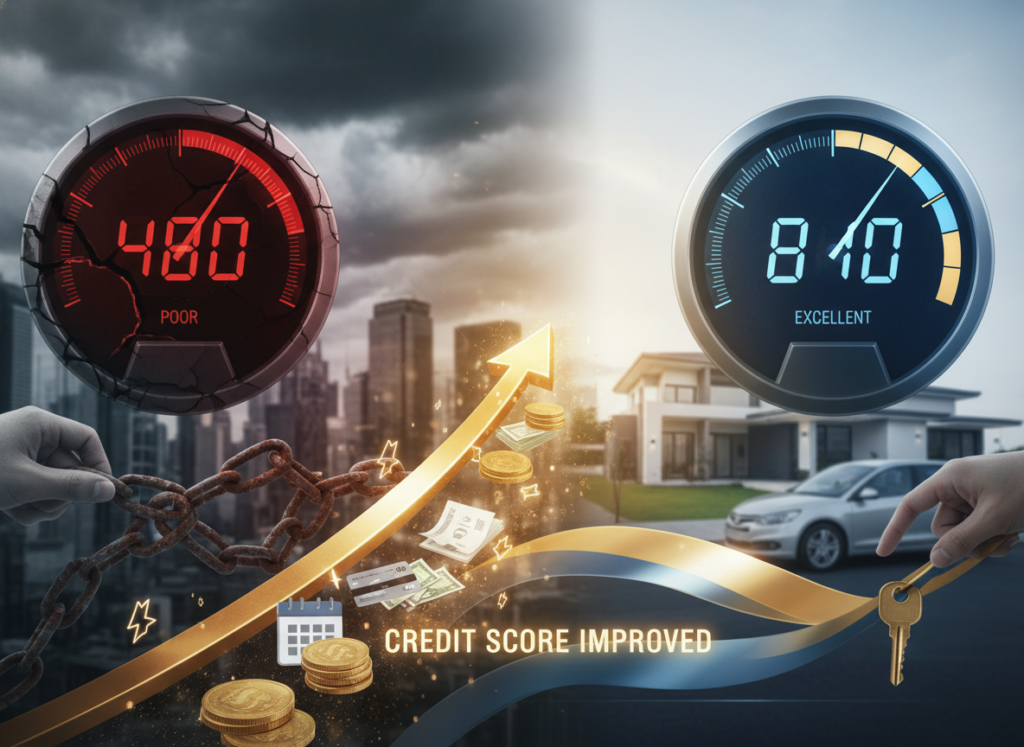
Improving a bad credit score takes time and commitment, but it’s absolutely possible. Here are actionable steps you can take to raise your score and fix it faster:
Pay Your Bills on Time
The most important factor in improving your score is payment history. Make it a priority to pay your bills on time, including credit cards, loans, and utilities. Set up reminders or automatic payments to avoid late payments.
Pay Down Existing Debt
Focus on reducing your credit card balances and loans. Start with the highest-interest debt, and use the debt avalanche method or debt snowball method to pay off your balances faster. Paying down debt reduces your credit utilization, which will positively impact your score.
Review and Dispute Credit Report Errors
Get a free copy of your credit report from the three credit bureaus: Equifax, Experian, and TransUnion. Check for any errors, such as incorrect late payments or accounts you didn’t open. Dispute any inaccuracies to improve your credit report.
Reduce Credit Utilization
Aim to keep your credit utilization below 30%. If possible, pay off your credit card balances in full each month to avoid accumulating interest. You can also request a credit limit increase to lower your utilization ratio, but only do so if you can manage the new limit responsibly.
Avoid Opening New Credit Accounts
Too many new credit inquiries can negatively affect your score. Avoid applying for new credit unless absolutely necessary, as each inquiry can temporarily lower your score.
Use a Secured Credit Card
If your credit score is too low to qualify for a traditional credit card, consider applying for a secured credit card. These cards require a deposit that acts as collateral but can help you build positive credit history when used responsibly.
Final Thoughts: Your Path to Better Credit
While having a bad credit score can feel discouraging, it isn’t the end of the road. By taking proactive steps, staying disciplined, and being patient, you can rebuild your credit over time. Improving your credit score opens up new opportunities, such as better loan terms, lower interest rates, and easier access to credit.
Start by making on-time payments, reducing credit card balances, and disputing errors on your credit report. Every small step you take today will bring you closer to a better financial future and a stronger credit score.
Related Articles
What Is a Good Credit Score? Meaning, Ranges, and How to Reach It Faster
