

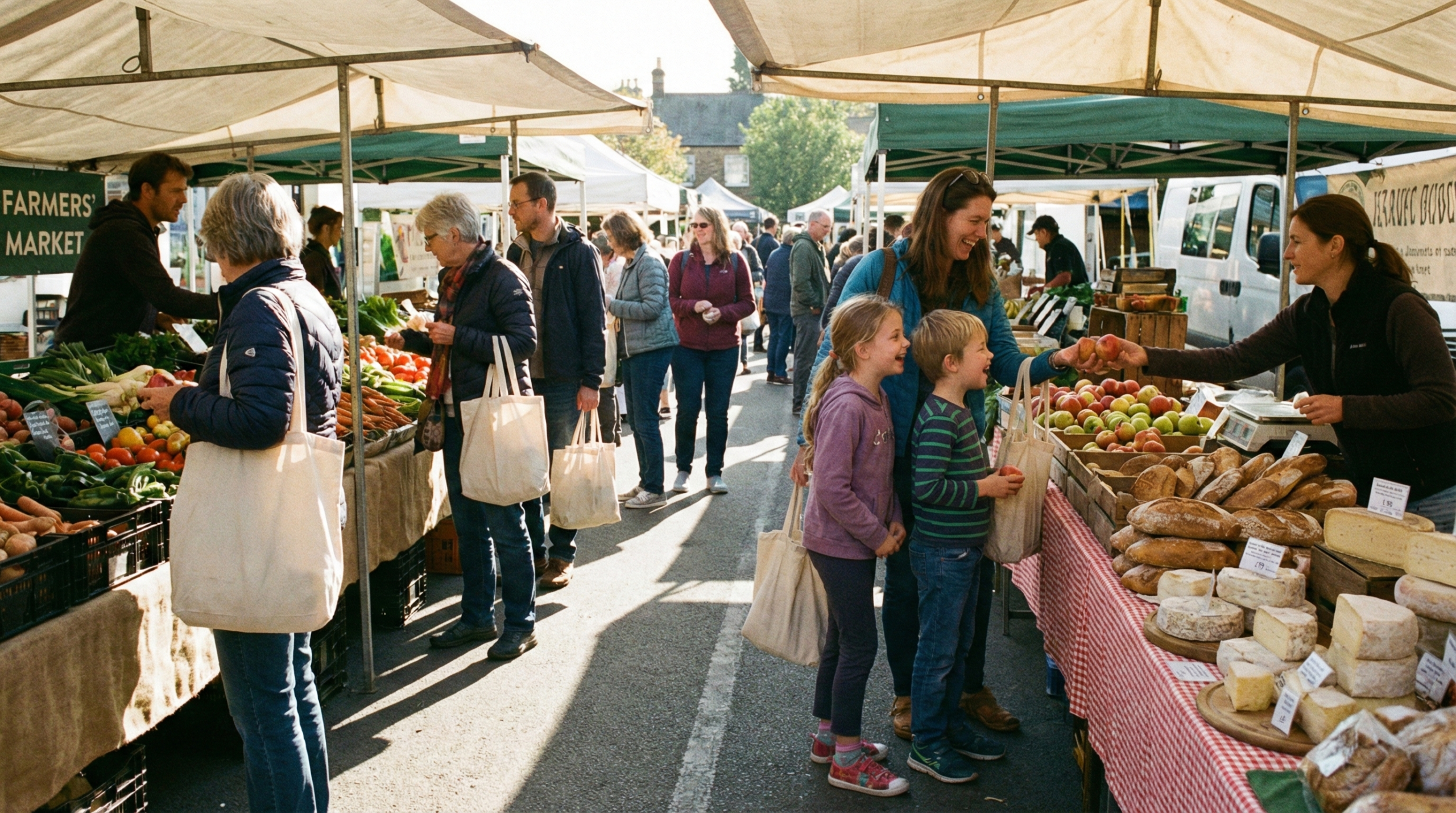
Food shopping is a necessary part of life, but it can often be one of the most significant expenses in a household budget. With rising food prices, managing your grocery costs is becoming more important than ever. The good news is that you don’t have to sacrifice quality or nutrition to save money. With smart strategies, you can easily cut your grocery bills without compromising on the meals you love.
In this article, we’ll explore 10 proven ways to save money on food while shopping smarter every week. These tips will help you manage your grocery expenses without feeling deprived, ensuring that you eat well and stay within budget.
1. Plan Your Meals and Create a Detailed Shopping List
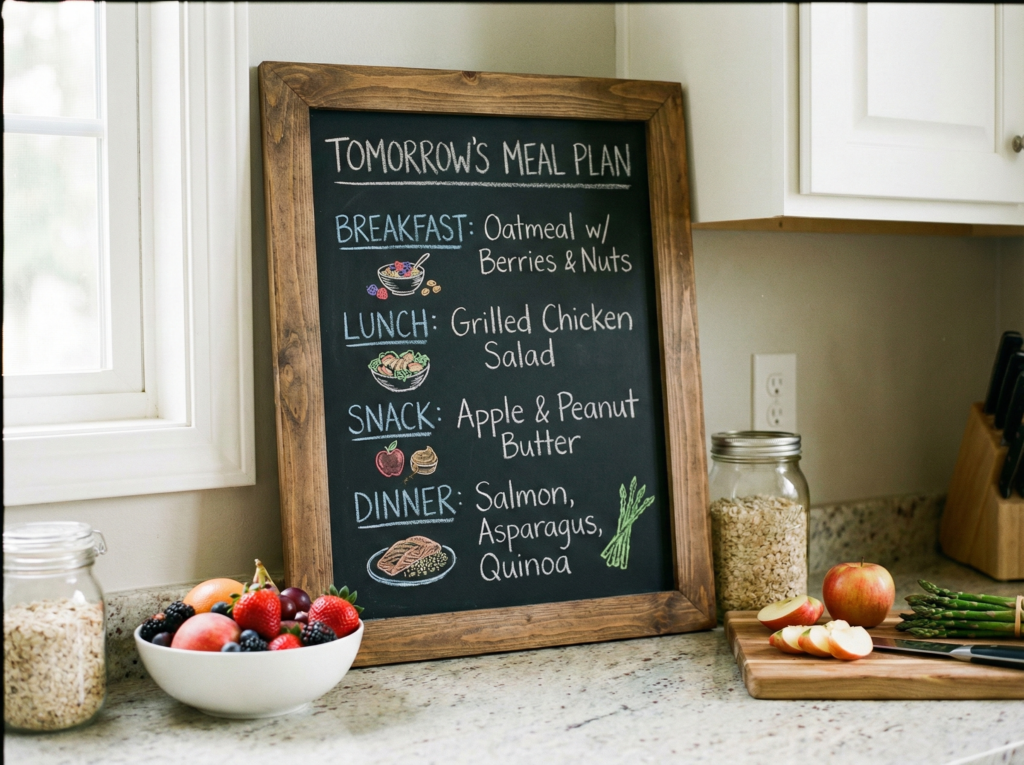
The first and most effective strategy for saving money on food is meal planning. When you plan your meals in advance, you can avoid impulse buys and unnecessary items. Start by reviewing what you already have in your pantry, fridge, and freezer, then build your weekly meal plan around those ingredients.
For example, if you already have rice and canned beans, you could plan meals like a chili or stir-fry. After finalizing your meal plan, create a shopping list that includes only what you need, and stick to it while shopping. This will prevent you from picking up extra items that aren’t part of your plan.
2. Take Advantage of Sales, Coupons, and Discounts
Take full advantage of sales, coupons, and special promotions when food shopping. Grocery stores often offer discounts on specific items each week, and signing up for store loyalty programs can help you unlock additional savings. You can also use coupon apps like Rakuten, Honey, or Ibotta to find digital discounts and cashback offers.
However, be careful not to buy things you don’t need just because they’re on sale. Stick to your shopping list and only purchase items that you’ll use within the week to avoid wasting money on products you might never use.
3. Buy in Bulk When Possible
Buying in bulk is one of the best ways to save money on food. Bulk items such as grains, pasta, canned goods, and frozen vegetables usually cost less per unit. For example, purchasing a large bag of rice or bulk-packaged pasta may seem like a bigger upfront cost, but it’ll last longer and ultimately save you money over time.
When buying bulk items, ensure you have the storage space for them and that the products have a long shelf life. Focus on purchasing non-perishable goods or items that can be frozen, like frozen vegetables or meats.
4. Shop Store Brands and Generic Products
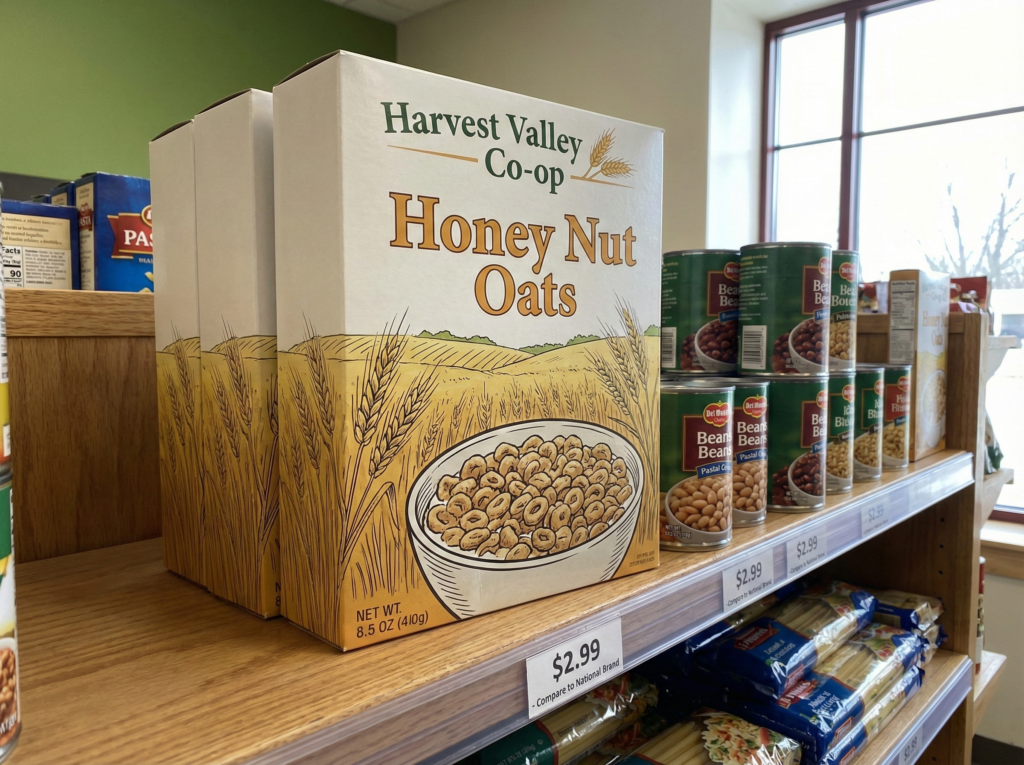
One of the easiest ways to save on food shopping is by opting for store-brand or generic products. These items are usually much cheaper than the name-brand equivalents and offer similar or sometimes even better quality. Store brands can include everything from canned vegetables to snacks and dairy products.
If you’re unsure about switching to store brands, start with basic items like flour, sugar, canned goods, or toiletries. Once you get comfortable with the quality, you can branch out and replace other higher-priced name brands with more affordable store options.
5. Avoid Pre-Packaged or Pre-Cut Foods
Pre-packaged or pre-cut foods may be convenient, but they come with a higher price tag. For example, buying pre-chopped vegetables, pre-sliced fruit, or pre-washed salad greens is more expensive than buying whole produce and preparing it yourself. While it may take a little more time to cut and prepare, you’ll save a significant amount of money by choosing whole fruits and vegetables over pre-packaged ones.
By spending just a little extra time chopping your own produce, you’ll reduce the amount spent on convenience items and enjoy fresher ingredients. For example, a whole watermelon is far cheaper than pre-sliced watermelon, and it provides more servings.
6. Buy Frozen and Canned Produce
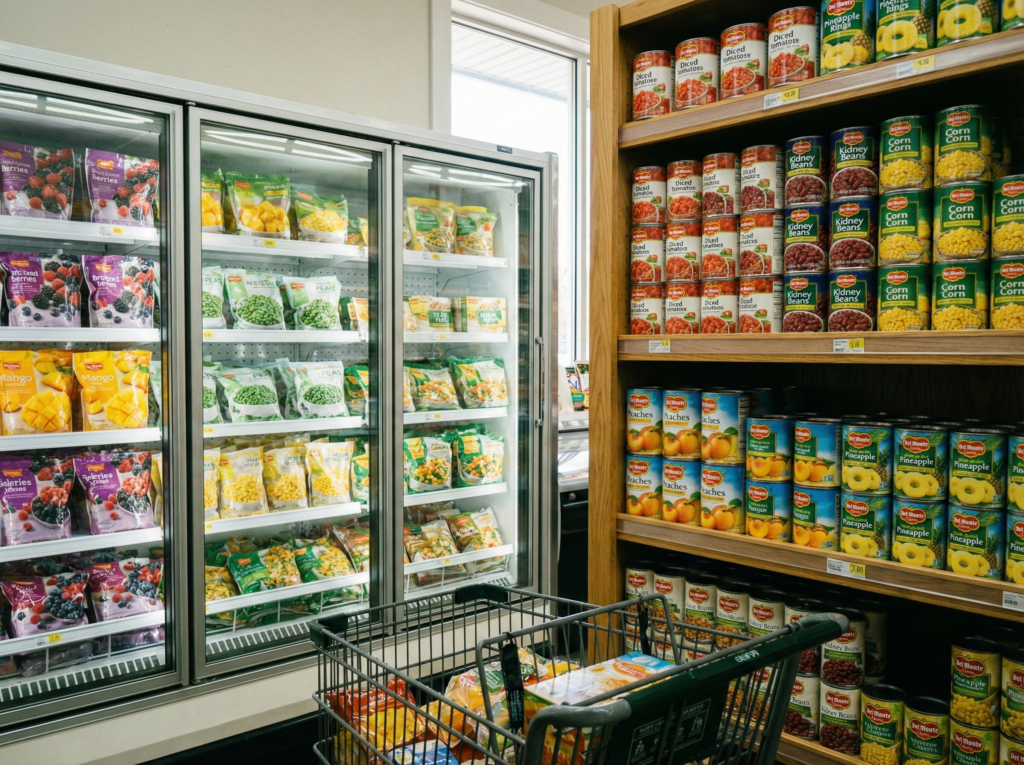
Frozen and canned produce are excellent budget-friendly alternatives to fresh fruits and vegetables, especially when certain items are out of season. Frozen produce is just as nutritious as fresh produce and often costs less. Additionally, frozen fruits and vegetables last longer, so you won’t have to worry about them spoiling quickly.
Canned goods like beans, tomatoes, and corn are also great for budget-friendly meals. Just be sure to choose options with no added sugar or low sodium to keep your meals healthy. Incorporating a mix of fresh, frozen, and canned produce into your meals will save you money while ensuring variety.
7. Shop the Perimeter of the Store
Most grocery stores are designed with the most essential and healthy items located around the outer perimeter of the store. These typically include produce, meats, dairy, and bread. By focusing your shopping on the perimeter, you can avoid the temptation of processed foods, snacks, and sugary items found in the inner aisles.
When you stick to the perimeter, you’re more likely to purchase whole, healthy foods that form the backbone of a budget-conscious meal plan. The middle aisles often contain items that can increase your grocery bill without offering the same nutritional value.
8. Use a Cash-Back Credit Card for Groceries
If you’re disciplined about paying off your balance, using a cash-back credit card for grocery shopping is a simple way to earn rewards on your purchases. Many cards offer cash-back rewards for purchases at grocery stores, which means you can save more while you spend. Just be sure to pay off your balance in full each month to avoid interest charges, which can diminish your savings.
Look for a cash-back card that offers higher rewards in grocery categories, such as 5% back on groceries or a general 1% cash back for every purchase.
9. Buy Seasonal Produce
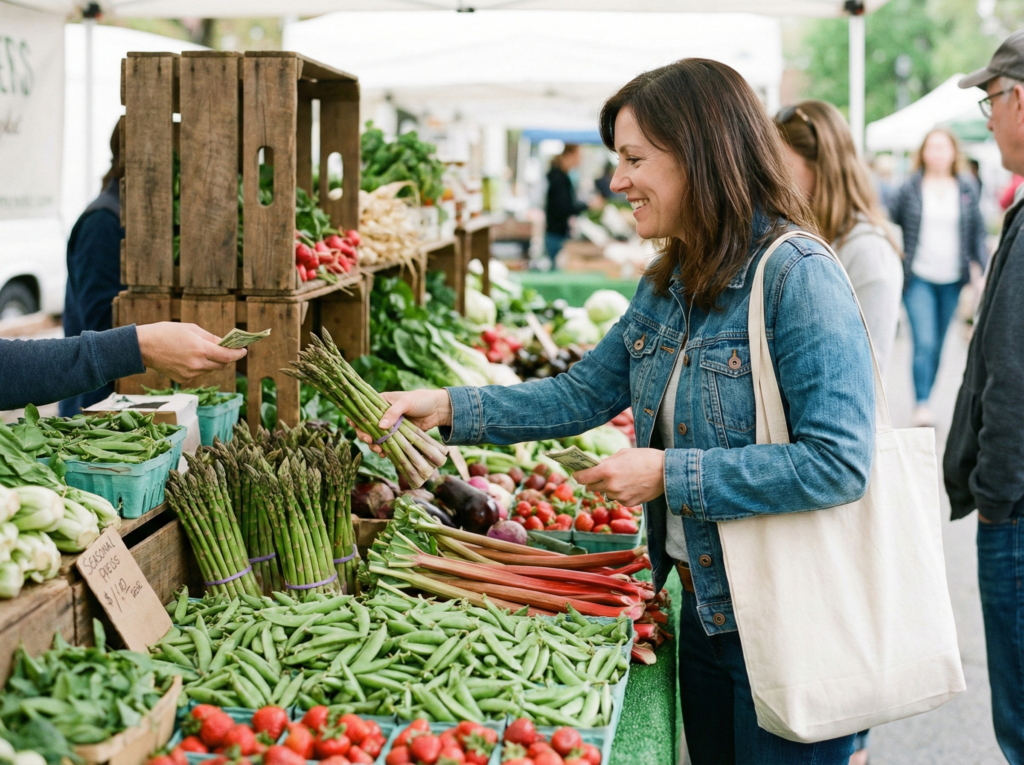
One of the best ways to save money on fresh produce is to buy seasonal fruits and vegetables. When produce is in season, it’s usually cheaper, fresher, and more flavorful than when it’s out of season. For example, tomatoes are typically cheaper in the summer, while apples are more affordable in the fall.
Shopping for seasonal produce also helps reduce the need for imported produce, which tends to be more expensive. Visit local farmers’ markets or sign up for a CSA (Community-Supported Agriculture) program to get affordable, seasonal produce directly from the farm.
10. Minimize Food Waste
Food waste is one of the biggest contributors to high grocery bills. To save money, make sure you’re using up everything in your fridge before buying more. If you have leftovers, repurpose them into new meals. For example, leftover vegetables can be added to soups, stews, or casseroles, and stale bread can become croutons or bread pudding.
Properly storing your food and organizing your fridge can also extend the shelf life of your products. The FIFO method (First In, First Out) is a great way to ensure older items are used first to avoid spoilage and waste.
Final Thoughts: Make Smarter Choices and Save More
Saving money on food doesn’t mean eating unhealthy or sacrificing quality meals. Meal planning, shopping the perimeter, buying in bulk, and minimizing waste are just a few strategies that will keep your food budget in check. With a little planning and some effort, you can make smarter shopping decisions and reduce your overall grocery expenses.
Related Articles
10 Proven Ways to Save Money on Grocery Shopping and Shop Smarter on Any Budget
