


Home renovations can be a great way to enhance your living space, increase your home’s value, and create a more functional environment. However, without proper planning, renovation costs can quickly spiral out of control. Whether you’re renovating a small bathroom or completing a full remodel, a solid home renovation budget is essential for ensuring the project stays on track and within your financial capabilities.
In this comprehensive guide, we’ll explore how to break down renovation costs, set savings targets, and develop a smart planning strategy. We’ll also provide practical tips to help you navigate the renovation process and avoid common pitfalls that can lead to unexpected costs. Let’s get started with a step-by-step approach to budgeting for your home renovation project.
Why Is a Home Renovation Budget Important?
A home renovation budget acts as a roadmap for your project, helping you understand exactly how much money you can spend and where your funds should be allocated. Without a clear budget, it’s easy to overestimate your available resources or overlook hidden costs. For instance, you may think you can afford new countertops, but forget about the plumbing or electrical work that may need upgrading as well.
Having a well-structured budget not only keeps you organized but also helps prioritize key projects that will improve your home’s functionality and value. Whether you’re doing a major overhaul or smaller cosmetic updates, understanding the cost breakdown will allow you to make informed decisions.
How to Create an Effective Home Renovation Budget
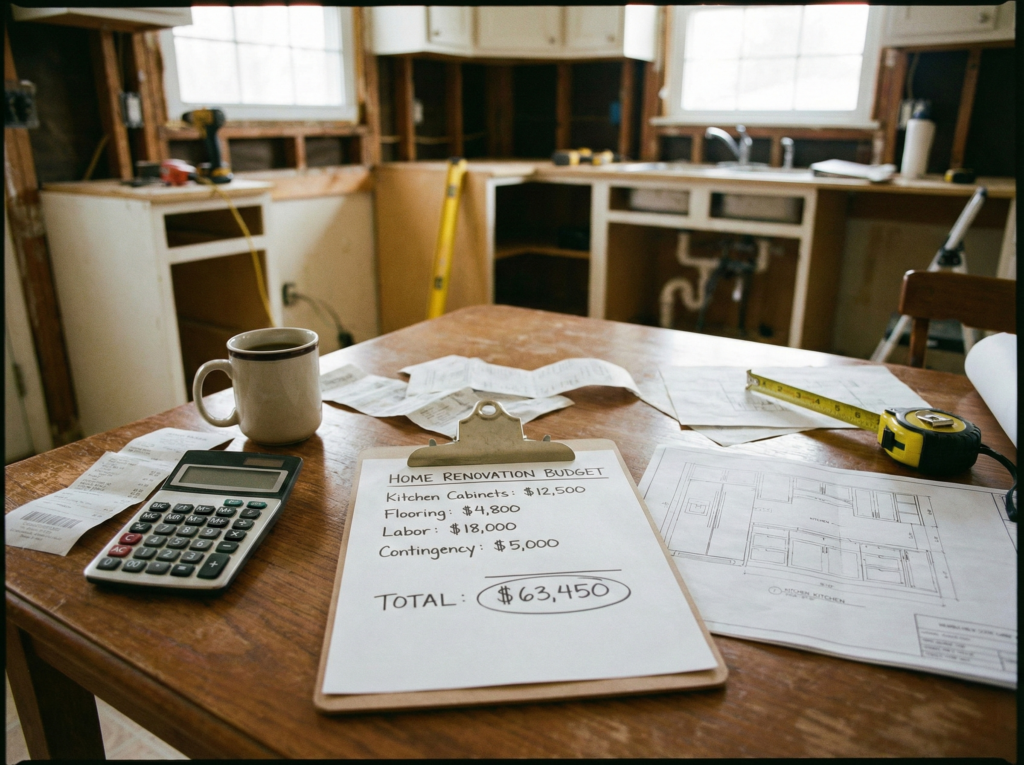
1. Assess Your Renovation Needs and Goals
The first step in budgeting is determining what you actually need. Are you renovating for comfort or to increase the resale value of your home? Your renovation goals will guide your decisions.
For instance, if you’re upgrading a kitchen to make it more functional, you may need to allocate funds for appliances, countertops, and storage solutions. If you’re remodeling for investment purposes, focus on value-added renovations like bathroom upgrades or flooring improvements that will have a high return on investment.
2. Get Accurate Cost Estimates for Materials and Labor
Once you’ve identified your goals, the next step is to gather cost estimates for materials and labor. The cost of materials can vary greatly depending on the quality and brand. Luxury materials like granite countertops or high-end cabinetry can significantly raise your budget. Similarly, labor costs will differ based on the complexity of the project and the rates in your area.
It’s always a good idea to get multiple bids from contractors to ensure you’re getting the best value. Keep in mind that labor rates can vary, so hiring cheaper contractors might cost you more in the long run if the work is subpar.
3. Allocate Funds for Permits, Fees, and Unexpected Costs
In many cases, home renovations require permits from local authorities. These fees can vary depending on the scope of your project. For example, structural changes like adding a wall or expanding your kitchen may require additional permits and inspections. Don’t forget to include these costs in your budget.
Additionally, it’s wise to set aside 10-20% of your budget for unexpected costs. Even the best-planned renovations can run into issues once the work begins, such as discovering hidden problems with plumbing, electrical systems, or foundation issues. By including a contingency fund, you’ll avoid running into financial stress if things don’t go as planned.
Key Areas to Focus on in Your Renovation Budget
Kitchen and Bathroom Renovations

Kitchens and bathrooms are often the most expensive rooms to renovate, but they also offer the highest return on investment (ROI). Upgrading your kitchen with new countertops, appliances, and storage can make a huge difference in both functionality and aesthetic appeal.
Similarly, bathroom upgrades, like installing a new vanity or shower, can improve your daily experience and significantly increase your home’s value. Keep in mind that the layout and size of your kitchen or bathroom will influence the overall cost.
Flooring and Painting
Flooring and painting are two of the most cost-effective ways to revamp your space. New flooring can transform an entire room, and while it may require a significant initial investment, it adds long-term value. Similarly, painting walls and trim can give your home a fresh, updated look without breaking the bank.
These renovations are perfect for homeowners who want a quick refresh without taking on major construction work.
Lighting and Fixtures
Don’t overlook the impact of lighting and fixtures on your renovation budget. Upgraded lighting can change the mood and function of a room, and new fixtures can make a big difference in kitchens and bathrooms. Opting for energy-efficient lighting solutions not only saves on utility bills but also improves the overall appeal of your home.
Tips for Saving Money on Home Renovations

Do It Yourself (DIY)
Consider taking on smaller tasks yourself, such as painting, demolition, or installing fixtures. This can save you a considerable amount on labor costs.
Source Materials Smartly
Shop for discounted materials, visit salvage yards, or use reclaimed wood and other repurposed materials to reduce costs while still achieving the look you want.
Consider Long-Term Savings
Sometimes, spending a little more upfront on energy-efficient materials (like insulation or high-efficiency windows) can save you money in the long run by reducing your home’s energy costs.
Final Thoughts: Plan and Budget for Success
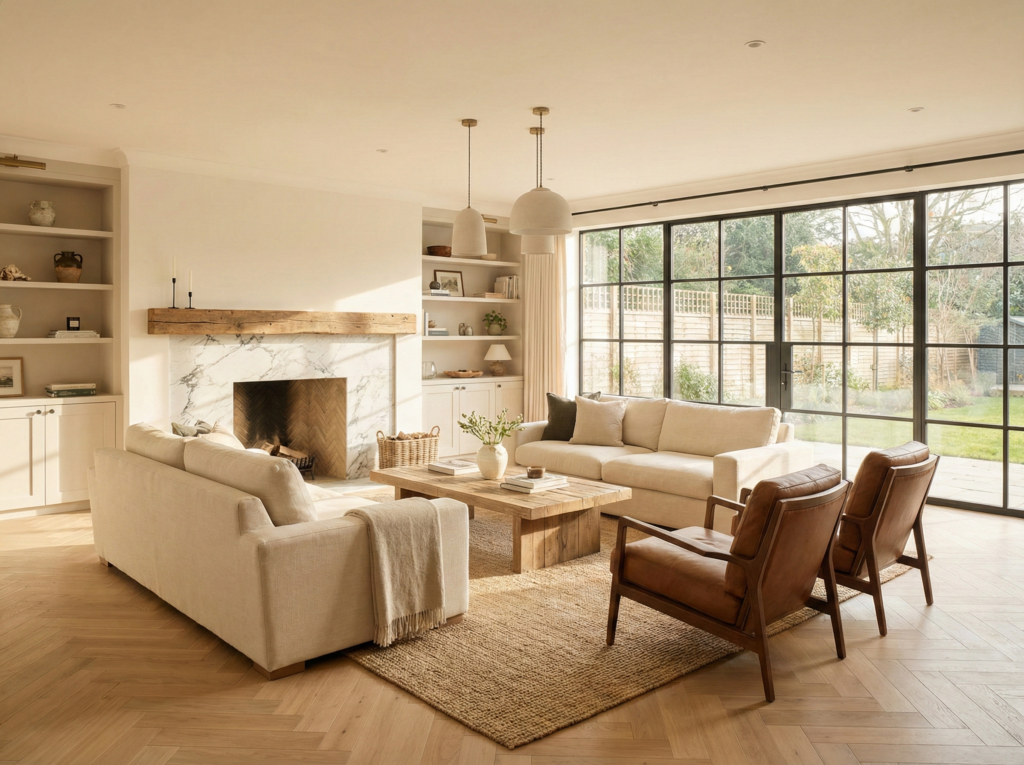
Home renovation projects are exciting but can be overwhelming without a clear plan. By setting a realistic budget, prioritizing your projects, and focusing on the key areas that add value, you’ll be able to transform your home while keeping costs manageable. Don’t forget to plan for unexpected expenses and consider DIY options when possible.
Ultimately, a well-planned renovation will not only improve the function and aesthetic of your home but also increase its long-term value. Whether you’re planning a small renovation or a full home remodel, smart budgeting and careful planning will ensure your project stays within your financial limits while meeting your goals.
