


Many people associate budgeting with restriction. They imagine spreadsheets filled with red numbers, constant sacrifices, and saying no to everything enjoyable. That narrow view often leads to frustration and burnout. Strategic budgeting offers a far more empowering perspective. Instead of focusing solely on cutting expenses, it creates structure, clarity, and long term stability that supports a sustainable and fulfilling life.
In today’s economy, households face rising living costs, fluctuating interest rates, and evolving career paths. Remote work, side businesses, and digital income streams have changed how money flows into and out of families. A strategic approach to budgeting acknowledges these realities. It aligns spending with priorities, protects against uncertainty, and builds flexibility for the future.
Redefining Budgeting as a Long Term Strategy
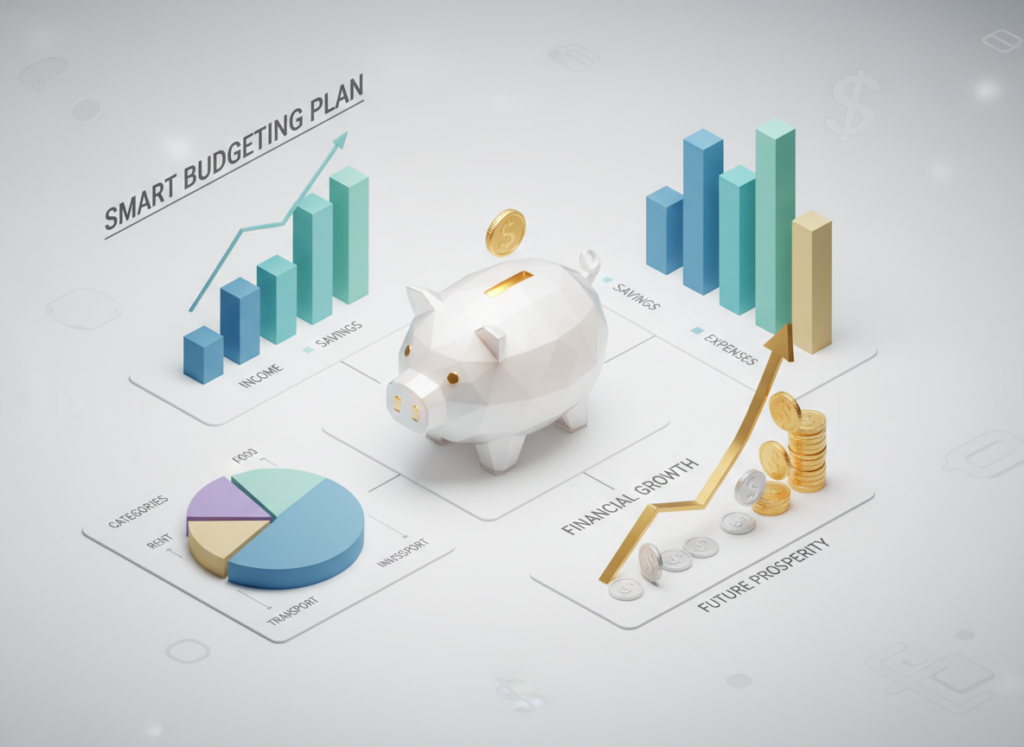
Budgeting doesn’t exist to eliminate enjoyment. It exists to provide direction. When income has a clear purpose, financial stress decreases. Strategic budgeting goes beyond tracking monthly bills. It integrates savings, investing, risk management, and lifestyle planning into one cohesive system.
Many working professionals and dual income households earn stable incomes yet still feel financial pressure. Often the issue isn’t income level. It’s a lack of alignment between spending habits and long term goals. Strategic budgeting corrects that misalignment by connecting daily decisions to future outcomes.
A sustainable financial life requires more than temporary frugality. It requires thoughtful allocation of resources that supports both present needs and future ambitions.
Understanding the Difference Between Cutting and Allocating
Cutting expenses can produce quick results, but without purpose those changes rarely last. Eliminating dining out or canceling subscriptions may free up cash temporarily. However, if that freed income isn’t directed toward a meaningful goal, spending often creeps back.
Strategic budgeting emphasizes allocation rather than deprivation. Every dollar receives a job. Essential expenses, savings, investments, insurance, and discretionary spending all fit into a structured plan. When money flows intentionally, households feel control instead of restriction. They aren’t simply removing expenses. They’re redirecting resources toward what matters most.
Building a Foundation With Clear Financial Priorities
Sustainable budgeting begins with clarity. Define financial priorities across short, medium, and long term horizons. Short term goals may include emergency savings or paying off high interest debt. Medium term goals might involve home upgrades or education funding. Long term goals often focus on retirement planning and wealth preservation.
Without defined goals, budgeting becomes reactive. Clear objectives transform budgeting into a proactive financial strategy. Each spending decision aligns with a broader long term financial vision. For families, this process often includes open conversations about shared values. Financial transparency strengthens accountability and reduces conflict around money.
Strengthening Emergency Preparedness
One of the most critical elements of strategic budgeting involves building and maintaining emergency reserves. Unexpected events such as medical expenses, job transitions, or home repairs can disrupt finances quickly. A sustainable life requires resilience. Financial experts commonly recommend maintaining several months of living expenses in accessible savings. This buffer prevents reliance on high interest credit during difficult periods. When households know they can absorb temporary setbacks, stress decreases significantly. Strategic budgeting protects financial stability by prioritizing preparedness.
Integrating Debt Management Into the Plan
Debt doesn’t automatically signal financial failure. Mortgages, student loans, and business loans often support long term financial growth. However, unmanaged high interest debt undermines sustainability. Strategic budgeting includes a clear debt repayment timeline. Rather than making only minimum payments, households can allocate additional funds toward principal reduction. This approach reduces total interest paid and shortens repayment periods. Balancing debt payoff with savings ensures progress in multiple directions simultaneously. Focusing exclusively on one area may leave other financial vulnerabilities exposed.
Investing for Long Term Stability
True sustainability extends beyond paying bills and building savings. It involves growing assets over time. Strategic budgeting allocates funds for retirement accounts, brokerage investments, and other long term investment vehicles. Consistent investing benefits from compound growth. Starting early strengthens financial independence later. Even moderate monthly contributions create substantial long term impact. Households who integrate investing into their budgeting process treat it as a fixed priority rather than an optional leftover category. This disciplined approach builds wealth gradually and predictably.
Supporting Lifestyle Balance Without Overspending
Sustainable living doesn’t exclude enjoyment. Travel, hobbies, dining, and entertainment enrich life. Strategic budgeting creates space for these experiences without compromising financial security. Instead of impulsive spending, allocate a specific portion of income for discretionary spending. When enjoyment fits within a defined category, guilt decreases and satisfaction increases. Balance remains essential. Overspending on lifestyle upgrades without increasing income creates financial strain. Strategic budgeting ensures that improvements in quality of life align with realistic financial capacity.
Key Components of a Strategic Budgeting System
A comprehensive budgeting system includes several interconnected elements:
- Clear income tracking across all sources
- Fixed expense planning including housing, insurance, and utilities
- Variable expense monitoring for groceries, transportation, and entertainment
- Automatic transfers to savings and investment accounts
- Regular financial reviews to adjust allocations
- Long term goal tracking with measurable milestones
These components work together to create a stable financial framework. Automation simplifies consistency, reducing reliance on willpower alone.
Adapting to Changing Economic Conditions

Economic environments evolve. Interest rates shift. Job markets fluctuate. Inflation influences purchasing power. Strategic budgeting remains flexible rather than rigid. Review financial plans quarterly or semi-annually. Adjust allocations if income changes or new expenses emerge. Proactive adaptation prevents small issues from escalating into larger problems. Flexibility ensures sustainability. A static plan may become outdated, but a responsive financial strategy maintains alignment with current conditions.
Psychological Benefits of Strategic Budgeting
Financial stress ranks among the leading causes of anxiety for many households. Uncertainty about bills, debt, or savings creates ongoing tension. Strategic budgeting provides clarity. When income and expenses remain transparent, unknowns decrease. Knowing exactly where money goes eliminates guesswork. Structured financial plans build confidence. This psychological benefit often surpasses purely numerical improvements. Households feel empowered rather than reactive. They’re managing their finances instead of feeling controlled by them.
Encouraging Responsible Consumption

Sustainability extends beyond personal finances. Strategic budgeting also encourages mindful consumption. When spending aligns with values, households often prioritize quality over quantity. Investing in durable products rather than disposable items reduces long term costs. Planning purchases carefully avoids impulse buying. Conscious consumption supports both environmental awareness and financial efficiency. Strategic budgeting reinforces thoughtful decision making across all areas of spending.
Involving the Entire Household
Budgeting succeeds when all decision makers participate. Transparent financial discussions about income, obligations, and goals foster unity. Shared understanding reduces misunderstandings and resentment. Children can also learn foundational budgeting concepts early. Teaching them about saving and prioritizing builds financial literacy that lasts into adulthood. When everyone understands the strategy, consistency improves. Sustainable financial systems rely on cooperation rather than secrecy.
Long Term Vision Creates Financial Freedom

Strategic budgeting ultimately supports financial freedom. Freedom to change careers. Freedom to relocate. Freedom to pursue education or entrepreneurial ventures. Without structured finances, these opportunities feel risky or unattainable. Sustainable living requires margin. Margin in time, money, and mental space. Strategic budgeting builds that margin gradually through disciplined financial planning and consistent execution. Rather than constantly reacting to bills, households move toward defined objectives. That forward momentum creates both security and opportunity.
Conclusion
Strategic budgeting supports a sustainable financial life by aligning daily financial decisions with long term goals. It goes beyond simple expense cutting and creates a structured system that integrates savings, investing, debt management, and lifestyle planning.
By prioritizing emergency preparedness, consistent investment, responsible consumption, and regular financial reviews, households build resilience and flexibility. This approach reduces stress, strengthens financial stability, and opens opportunities for growth.
A sustainable financial life doesn’t depend on extreme restrictions. It depends on clarity, discipline, and intentional allocation. When budgeting becomes strategic rather than reactive, money transforms from a source of pressure into a tool for lasting financial stability and meaningful progress.
