


Money isn’t just math. It isn’t just right and wrong. If it were, most of us wouldn’t still feel stressed, stuck, or unsure, even when we know what we’re “supposed” to do.
A strong money mindset is the missing piece for many people. It isn’t positive-thinking fluff, and it isn’t hustle culture, either. It needs to be a grounded, realistic way of thinking about money that supports better decisions over time.
This guide is for real life: busy schedules, rising costs, imperfect habits, and competing priorities. Whether you’re renting or owning, single or supporting a family, just starting out or trying to course-correct, the goal is the same: to build a money mindset that actually improves your finances and helps you grow lasting wealth.
What a Strong Money Mindset Really Is (and What It Isn’t)
A money mindset is the set of beliefs, habits, and emotional reactions that shape how you earn, spend, save, and plan. A strong money mindset is practical rather than rigid, confident without being reckless, flexible instead of perfectionist, and focused on personal progress.
Just as important, a healthy money mindset isn’t about magical thinking or extremes. It isn’t “just believe and the money will show up,” constant deprivation, ignoring real financial constraints, or tying your self-worth to your net worth.
How Money Beliefs Are Formed (and Why They Stick)

Money beliefs are absorbed through experiences like watching parents stress over bills, hearing “we can’t afford that” without context, seeing debt used casually or feared completely, and learning to associate money with security, conflict, or status. These early signals quietly shape how safe or risky money feels later in life. That’s why two people with the same income can experience money very differently. One may feel steady and secure, while the other feels constantly behind.
The Real Cost of a Weak Money Mindset
A fragile or fear-based money mindset often shows up in subtle but damaging ways. For example, avoiding your accounts because they trigger anxiety, overanalyzing small purchases and then overspending emotionally, or staying stuck in an “I’ll deal with it later” cycle. It can also look like constant guilt, whether you spend or save, and short-term decisions that quietly undermine long-term goals. Over time, these patterns slow wealth-building far more than any single financial misstep.
The Foundation: Financial Safety Before Financial Growth
Before mindset work truly sticks, people need a basic sense of financial safety. When money constantly feels urgent, the brain stays in survival mode, so long-term thinking becomes almost impossible. That’s why the first step is stability instead of motivation or positive thinking. A simple spending plan (not a perfect budget), a starter emergency fund, even if it’s small, and a clear understanding of where your money is actually going can create enough breathing room for better decisions. Once that pressure eases, mindset shifts stop feeling forced and start feeling sustainable.

Key Money Mindset Shifts That Actually Change Behavior
1. From “I’m Bad With Money” to “I’m Learning How Money Works”
This change matters more than most people realize. When someone decides they’re “just bad with money,” effort quietly drops off. Shifting away from identity-based labels and toward skill-based thinking opens the door to progress. Money management isn’t a personality trait, it’s a set of skills that develop with practice. And once you start treating money as something you’re learning, not something you’re failing at, better choices start to feel possible again.
2. From All-Or-Nothing Thinking to Consistency
Wealth isn’t built on flawless months or perfectly followed plans. It’s built on a long stretch of “good enough” decisions that keep moving in the right direction. Missing a savings target or overspending once doesn’t undo everything you’ve done. That’s just real life. The real damage happens when one off month turns into giving up entirely. Progress comes from returning to your habits again and again, even when things aren’t perfect.
3. From Comparison to Calibration
Comparing yourself to others usually leads to either shame or false confidence. A healthier approach is to compare yourself to your past self and notice what’s actually improved, even if the progress feels small. You can also use benchmarks as information, not judgment.
Most importantly, focus on progress relative to your income, responsibilities, and life stage. This kind of comparison keeps you grounded, helps you adjust without spiraling into self-criticism or complacency, and keeps your attention on personal progress instead of constant external validation.
4. From Fear-Based Saving to Purpose-Based Saving
Saving with no clear reason often feels like punishment. It’s hard to stay disciplined when you don’t know what you’re working toward. But saving with intention changes everything. When money is set aside for security, flexibility, or future options, it stops feeling restrictive and starts feeling supportive. And when saving feels connected to your real life, not just a number on a screen, consistency becomes much easier to maintain.
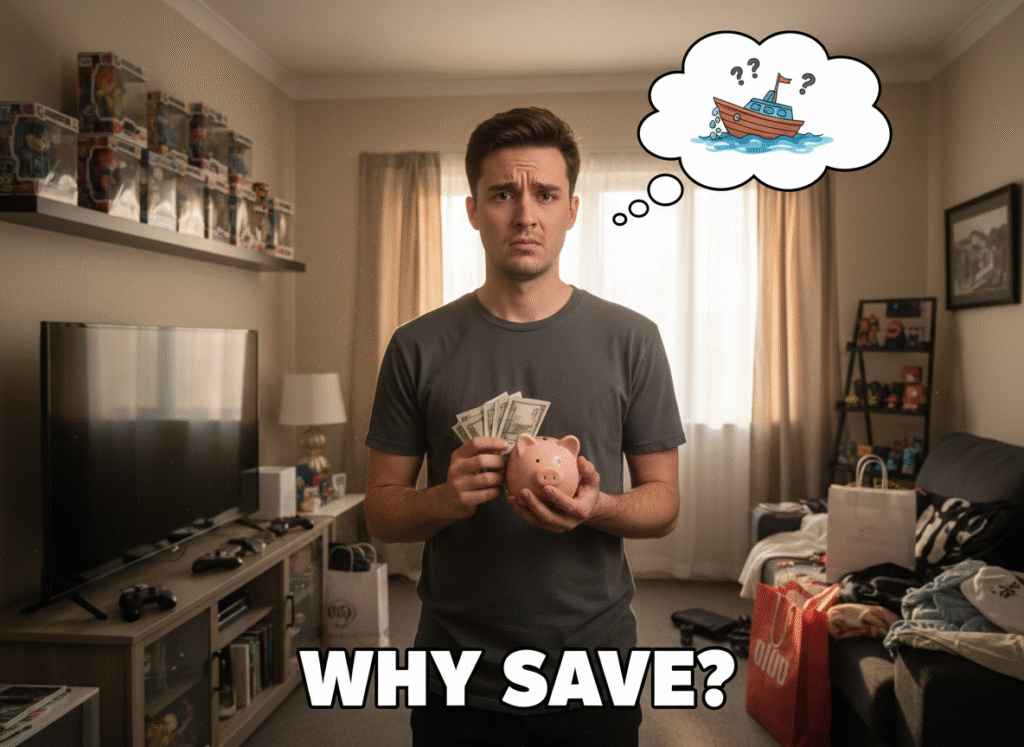
Emotional Spending Isn’t a Discipline Problem
People often think emotional spending is a willpower problem, but it’s really about regulation. When you’re stressed, bored, exhausted, or anxious, spending can feel like quick relief though it rarely solves the underlying emotion.
Healthier approaches start with noticing spending patterns without shame, identifying triggers like time of day, mood, or situation, and replacing the emotion. You just need more tools than your debit card to cope.
How a Strong Money Mindset Supports Long-Term Wealth
Wealth is built through steady behaviors that compound quietly. With a healthy money mindset, you’re better able to delay gratification without deprivation, invest consistently even when markets feel scary, spend confidently on what truly matters, say no without resentment, and adjust your plans without giving up entirely.
Practical Habits That Reinforce a Healthy Money Mindset
Weekly Money Check-Ins
Once a week, take a quick look at your account balances, recent spending (with no judgment), and what’s coming up before your next paycheck.
These simple check-ins take about ten minutes and help you stay aware of your money in real time. That awareness naturally reduces impulse spending and prevents those “How did this happen?” moments at the end of the month.
Automated Savings and Investing
When savings and investments happen automatically, you remove daily decision fatigue and let progress happen quietly in the background. Even small automated amounts begin to build trust in yourself. Over time, that trust turns into confidence, and that confidence reshapes how you handle money across the board.
Clear “Fun Money” Categories

A healthy money mindset includes giving yourself permission to enjoy your money. Without a clear plan for fun or discretionary spending, many people end up swinging between two extremes: overspending out of frustration or underspending out of fear and guilt. Neither pattern builds long-term wealth or peace of mind.
Defined Goals Tied to Real Life
Meaningful financial goals tend to feel practical and personal rather than abstract. Examples include building a cushion that helps you sleep better, having the flexibility to handle a job change, taking a vacation without relying on a credit card, and creating options as your family or career grows.
Money, Mental Health, and the Pressure to “Get It Right”
Money stress can affect your sleep, relationships, confidence, and decision-making. If you’ve ever felt embarrassed about your finances, it helps to remember a few grounding truths: practice self-compassion after mistakes, be willing to ask for help, accept that progress isn’t linear, and recognize that financial growth happens alongside life, not instead of it.
What Building Long-Term Wealth Actually Looks Like
Long-term wealth often shows up as fewer financial emergencies, more flexibility when life changes, and the ability to say no, or yes without panic. It looks like quiet confidence in your plan, even as that plan evolves over time. A strong money mindset doesn’t remove challenges or uncertainty, but it gives you steadier footing as you move through them, making financial decisions feel calmer and more intentional.
The Bottom Line
You don’t need a financial overhaul this week. You don’t need a new identity. You don’t need to fix everything at once. What you need is clarity, consistency, and patience with yourself. A strong money mindset grows the same way wealth does, which is slowly at first, then more visibly over time. And the earlier you start reinforcing it, the more it quietly pays you back.
