


Rising energy bills are stretching household budgets across the U.S. From winter heating costs to summer cooling expenses, many families are being forced into impossible choices, such as keeping the lights on or paying for food, medicine, or rent. If you’re worried about falling behind on utility bills, this article is designed for you.
The Low-Income Home Energy Assistance Program (LIHEAP) exists for moments exactly like this. This guide explains, in clear and simple terms, what LIHEAP is, who qualifies, what help it provides, and how to apply, so you can take action with confidence instead of stress.
Why Energy Assistance Matters More Than Ever
Energy costs have risen faster than inflation in recent years, and millions of U.S. households are already behind on their utility bills. Living in a home that’s too cold in winter or dangerously hot in summer isn’t just uncomfortable. Instead, it can be harmful, especially for seniors, people with disabilities, and families with young children.
LIHEAP was created to prevent “heat or eat” situations by offering short-term financial relief and, in some cases, long-term energy-saving improvements. It’s a safety net designed to protect health, dignity, and stability.
What Is LIHEAP?
The Low-Income Home Energy Assistance Program (LIHEAP) is a federally funded, need-based program created in 1981 to help low-income households pay for essential home energy costs.
While LIHEAP is funded by the federal government, it’s administered at the state, tribal, and territorial level. That means eligibility rules, benefit amounts, and application processes can vary depending on where you live.
In simple terms, LIHEAP helps eligible households stay warm during cold months, stay cool during extreme heat, and avoid utility shutoffs during emergencies.
What Types of Help Does LIHEAP Provide?
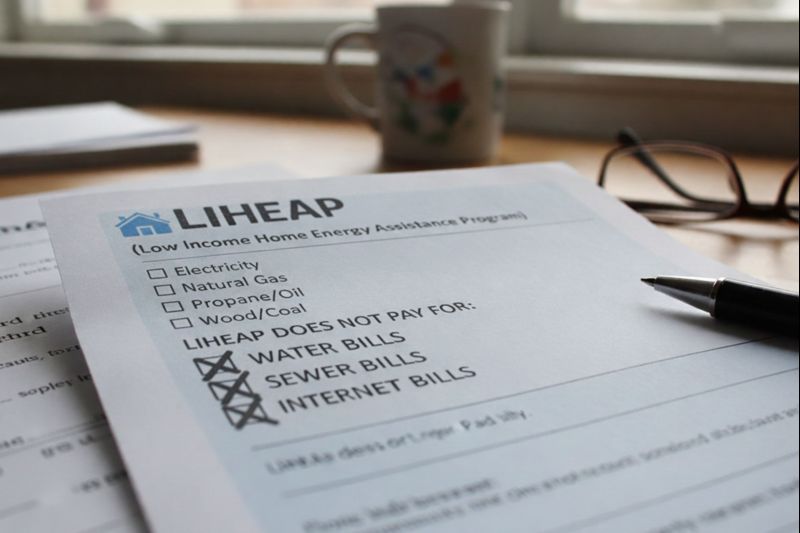
LIHEAP assistance generally falls into four main categories. Not every state offers all options, but most provide at least one.
1. Help Paying Energy Bills
This is the most common form of LIHEAP assistance. It provides a one-time payment or credit toward your heating or cooling bill, usually sent directly to your utility company. While it won’t cover your entire annual energy cost, it can significantly reduce what you owe during high-use months and help prevent missed payments or service shutoffs.
2. Emergency Utility Shutoff Prevention
If your power or gas is about to be disconnected, or has already been shut off, LIHEAP may provide emergency or crisis assistance to restore service or prevent a shutoff. These situations are typically prioritized, especially when there’s a risk to health or safety, such as households with seniors, people with disabilities, or young children.
3. Cooling Assistance
In states that experience extreme heat, LIHEAP may help with air conditioning costs or provide emergency cooling assistance during heat waves. Because funding for cooling support is often limited and demand can spike quickly during hot months, applying as early as possible can improve your chances of receiving help.
4. Weatherization & Energy Efficiency Improvements
Some states allow a portion of LIHEAP funding to be used for energy-saving upgrades that improve a home’s efficiency and safety, such as repairing or replacing a furnace or air conditioner, adding insulation, sealing drafts, or making minor energy-related home repairs. These improvements can help reduce future utility bills and make homes more comfortable, but availability is limited and varies widely by state.
It’s also important to note that LIHEAP typically covers only your primary energy source, either electric or gas, not both, and it doesn’t pay for water, sewer, or internet bills.
Who Is Eligible for LIHEAP?
Eligibility for LIHEAP is based on your household income, size, and how much of your income goes toward energy costs, with each state setting its own rules within federal guidelines. In most states, household income must be no more than 150% of the Federal Poverty Level (FPL) or 60% of the State Median Income (SMI) to qualify. You may also be automatically eligible if someone in your household receives other assistance programs, such as SNAP (food stamps), Supplemental Security Income (SSI), or Temporary Assistance for Needy Families (TANF).
Quick Eligibility Check
You should consider applying if:
- You struggle to keep up with utility bills
- A large share of your income goes toward energy costs
- You’re a senior, have a disability, or care for children
- You’ve received a shutoff notice or warning
Even if you’re unsure, applying is often worth it. Many households qualify when they don’t expect to.
How Much LIHEAP Assistance Can You Get?
There is no single, standard LIHEAP benefit amount. The assistance you receive depends on several factors, including your state and local funding levels, your household income and size, your energy costs and usage, and whether you’re applying for regular assistance or emergency help. Some households may receive a few hundred dollars, while others may qualify for more in crisis situations. It’s important to understand that LIHEAP is designed as partial, short-term assistance to help stabilize energy costs, not to cover all of your annual utility expenses.
How to Apply for LIHEAP (Step-by-Step)
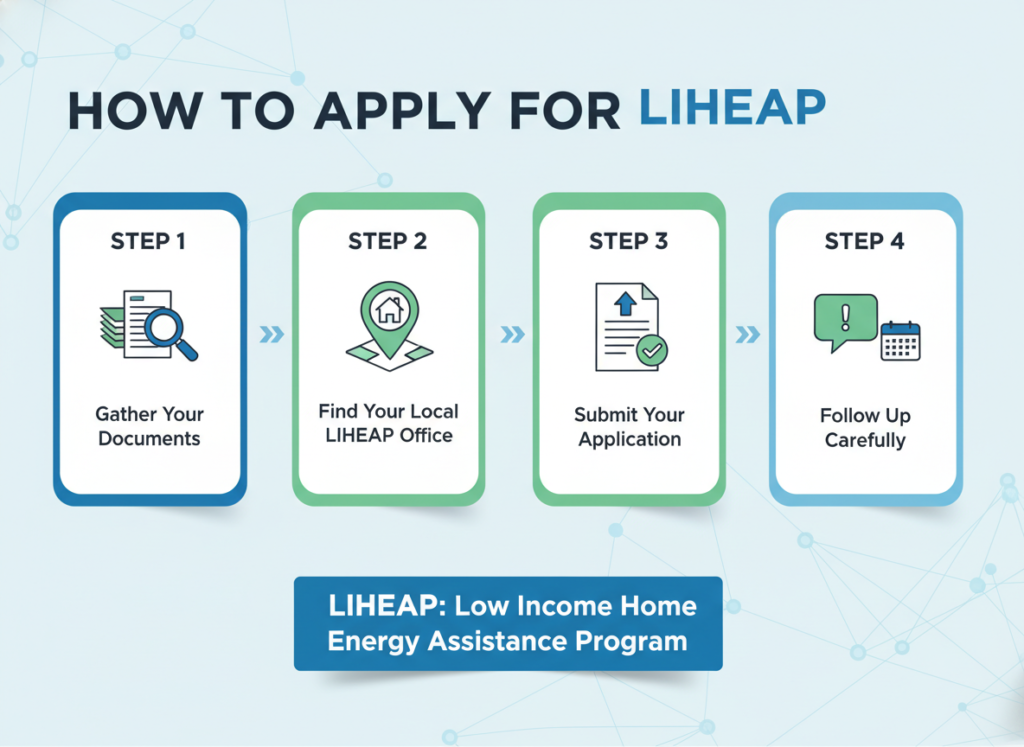
Step 1: Gather Your Documents
Most programs require:
- Recent utility bill or shutoff notice
- Proof of income for household members
- Photo ID
- Social Security numbers (or proof of legal residency)
Step 2: Find Your Local LIHEAP Office
To get started, visit your state or county LIHEAP website for local application details and contact information. You can also call the National Energy Assistance Referral (NEAR) Hotline at 1-866-674-6327 or email energyassistance@ncat.org. NEAR can help connect you with the correct local agency and explain what to expect during the application process.
Step 3: Submit Your Application
Applications may be online, by mail, or in person, depending on your location. Some areas have limited hours or high call volumes, so you should be patient and persistent.
Step 4: Follow Up Carefully
Incomplete applications often slow down the approval process. To avoid delays, carefully review your paperwork before submitting it and respond promptly if your local LIHEAP agency asks for additional documents or clarification.
How Long Does Approval Take?
Approval timelines for LIHEAP can vary significantly, ranging from a few weeks to several months. The timing often depends on how many applications are being processed, the time of year, since demand is highest during summer and winter, and whether your situation qualifies as an emergency. Applying as early as possible and submitting a complete, accurate application can help reduce delays and improve your chances of receiving assistance sooner.
Common Mistakes to Avoid
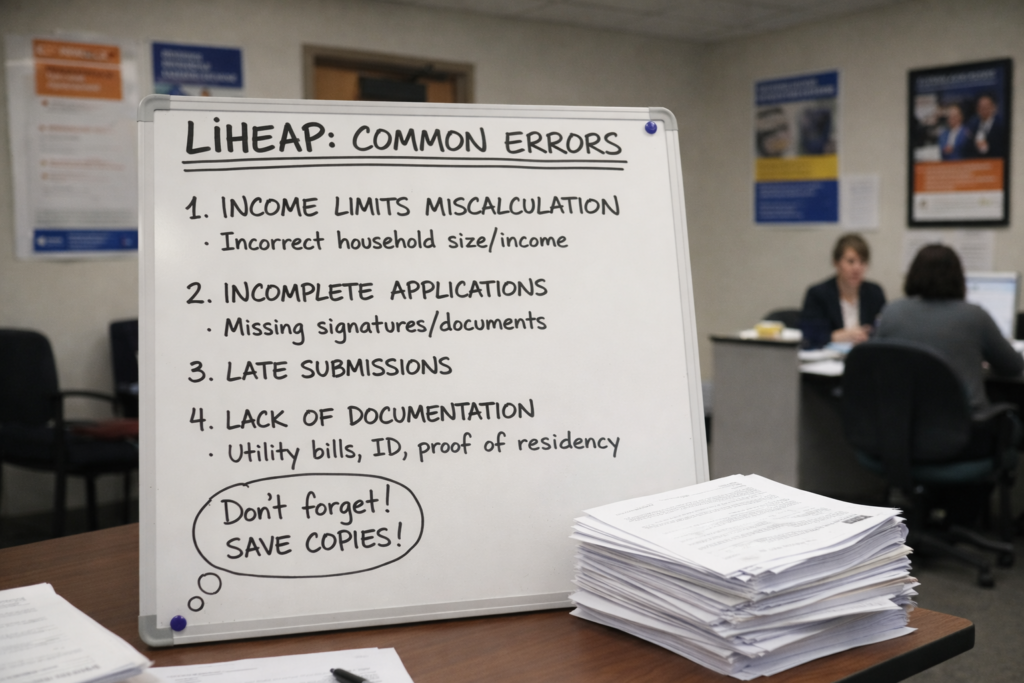
Many applicants run into problems by waiting until program funds are exhausted, submitting incomplete or missing income documents, or applying too late during high-demand seasons like winter and summer. Another common mistake is assuming you won’t qualify and not applying at all. Because LIHEAP funding is limited and often distributed on a first-come, first-served basis after priority households are assisted, delaying your application can significantly reduce your chances of receiving help.
A Mindset Shift: Asking for Help Is Smart
LIHEAP exists because energy insecurity is a real, widespread problem. If paying utility bills puts your health, safety, or financial stability at risk, using available assistance is a responsible step. This program has helped millions of households stay safe in their homes for over four decades. You deserve that same protection.
Final Takeaway
The Low-Income Home Energy Assistance Program (LIHEAP) can provide critical relief if you’re struggling to pay for heating or cooling. While rules and benefits vary by state, the core goal is the same: keeping people safe, healthy, and housed. If energy bills are overwhelming your budget, don’t wait. Gather your documents, reach out to your local LIHEAP office, and explore your options.
