


The growing demand for affordable housing in the U.S. presents a significant challenge for communities and developers alike. The Low-Income Housing Tax Credit (LIHTC) program, established in 1986, is one of the most effective tools for funding affordable rental housing. This federal tax incentive encourages private investment in affordable housing projects, making it a crucial component of efforts to address the affordable housing crisis.
In this article, we’ll explain how LIHTC works, its benefits for developers, investors, and residents, and how it helps to create sustainable, affordable housing solutions across the country. By the end, you’ll have a clear understanding of why LIHTC is vital for affordable housing development and how it benefits both investors and communities.
What is the Low-Income Housing Tax Credit (LIHTC)?
The Low-Income Housing Tax Credit is a federal tax incentive that encourages private investors to develop or rehabilitate affordable rental housing for low- and moderate-income households. Administered by the Internal Revenue Service (IRS), the program offers tax credits to developers who agree to reserve a percentage of units in a building for low-income renters.
There are two primary types of tax credits: the 9% credit for new construction or substantial rehabilitation and the 4% credit for properties financed through tax-exempt bonds. These credits are typically allocated by state housing agencies based on a competitive application process, and they can be sold to investors to raise equity for the development project.
How Does LIHTC Work?

LIHTC works by offering tax credits to developers, which can be claimed over a 10-year period. The credits reduce the developer’s federal tax liability, making it more financially viable to build or renovate affordable housing. Developers sell these tax credits to investors, usually large corporations or financial institutions, who provide the necessary equity for the project in exchange for the tax benefits.
Once a property is developed using LIHTC, it must meet specific requirements to maintain its eligibility for the tax credit. These include income and rent restrictions for tenants.
For instance, at least 20% of the units in a building must be rented to tenants whose income is 50% or less of the Area Median Income (AMI), or 40% of the units must be rented to tenants whose income is 60% or less of the AMI. These restrictions are enforced for 15 years, and in some cases, the affordability period can be extended for up to 30 years.
Why Do Developers and Investors Use LIHTC?
Benefits for Developers
The LIHTC program provides developers with the opportunity to raise equity by selling tax credits to investors, significantly reducing the financial risk of building affordable housing. In addition to tax credits, developers may also benefit from other incentives, such as financing options provided by government-backed agencies like HUD (Department of Housing and Urban Development).
Benefits for Investors
For investors, LIHTC presents a unique opportunity to earn a return on their investment through tax savings while contributing to the creation of affordable housing. The tax credits offer a substantial financial benefit, typically over a 10-year period, and can be used to offset federal tax liabilities.
Benefits for Communities
The most significant advantage of LIHTC is its impact on low-income families. By providing affordable rental units, the program helps address the growing housing affordability crisis in the U.S. It also stimulates local economies by generating jobs in construction, property management, and other sectors.
Types of Housing Projects Funded by LIHTC
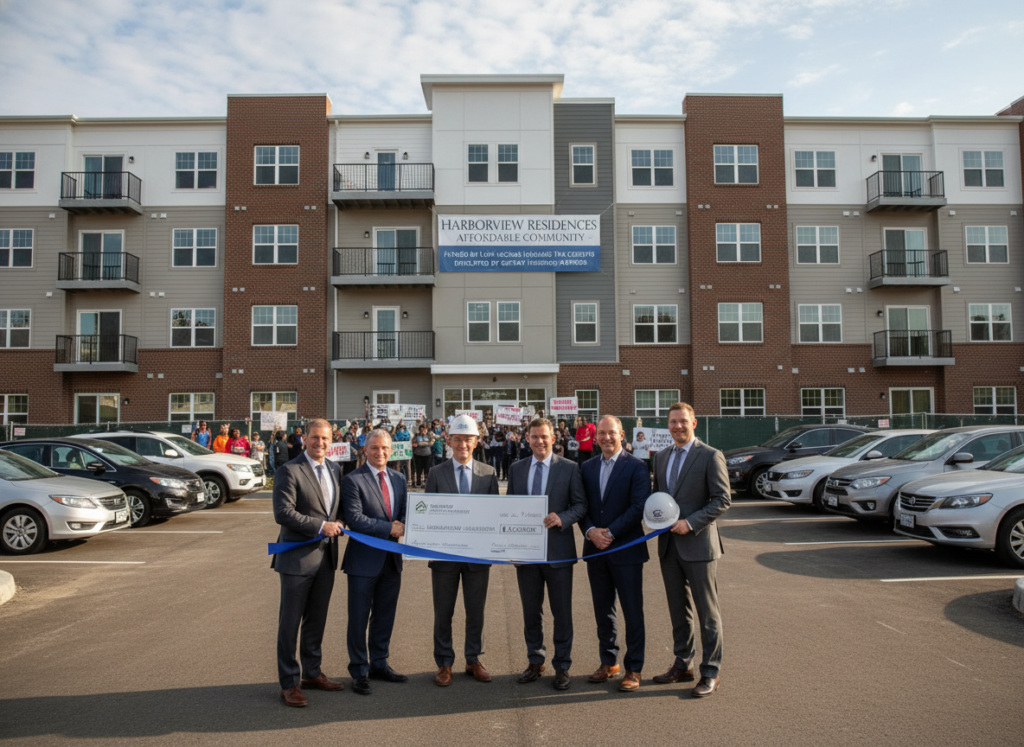
The LIHTC program supports a wide range of affordable housing projects, from new constructions to the rehabilitation of existing buildings. These types of projects are essential for increasing the availability of affordable housing and revitalizing older neighborhoods. Eligible projects include:
New Construction
This refers to the building of new affordable rental units from the ground up. These projects can take several years to complete but offer long-term solutions to the affordable housing crisis.
Rehabilitation of Existing Properties
LIHTC can also be used to renovate and improve existing properties. This is especially important in urban areas where housing stock may be outdated but still in demand for low-income renters.
Acquisition and Rehabilitation
Developers can acquire existing rental properties and rehabilitate them to meet modern standards while keeping rents affordable for low-income tenants.
LIHTC Allocation Process and Qualification Criteria
Each year, the federal government sets a limit on the total amount of tax credits that can be allocated to states.
State housing agencies then distribute these credits based on specific allocation plans, which prioritize projects that serve the greatest need. Developers apply for LIHTC credits through their state’s housing agency, which evaluates their project based on criteria like income targeting, location, and project feasibility.
To qualify for the credits, a housing project must meet several requirements:
- Income test: The project must include a certain percentage of units rented to households with incomes below a specified threshold, usually 50% or 60% of the Area Median Income (AMI).
- Rent restrictions: Rent for qualified units must also be capped at a percentage of the AMI, ensuring that tenants pay an affordable amount relative to their income.
- Compliance period: Developers must comply with these restrictions for at least 15 years, with an option to extend the compliance period for another 15 years.
Challenges and Criticisms of LIHTC

Cost of Development
The involvement of intermediaries, such as syndicators and investors, can increase the cost of developing affordable housing through LIHTC. This can make the program less efficient, leading to higher per-unit costs than other affordable housing programs.
Long-Term Affordability
Once the compliance period ends, maintaining affordable rents becomes a challenge. While the program ensures affordability for 15–30 years, the cost of maintaining these properties after the tax credits have expired can sometimes result in rent increases, pushing some tenants out of affordable housing.
Geographic Distribution
LIHTC properties are sometimes concentrated in areas with limited economic opportunities. While the program encourages affordable housing development, it doesn’t always address the need for housing in higher-opportunity neighborhoods.
Despite these challenges, the LIHTC remains a vital tool in increasing the supply of affordable housing in the U.S.
How LIHTC Helps Address the Affordable Housing Crisis
The LIHTC program is one of the most effective ways to combat the affordable housing crisis in the United States. Since its inception, LIHTC has funded the development of over 3.5 million affordable housing units and created millions of jobs in construction and property management. The program has made a significant impact in both urban and rural areas, serving low-income households, veterans, seniors, and families facing financial hardship.
The Future of LIHTC: Expanding Access to Affordable Housing
To meet the increasing demand for affordable housing, advocates are pushing for an expansion of the LIHTC program. Recent legislative efforts, such as the Affordable Housing Credit Improvement Act, aim to increase the amount of tax credits available, making it easier for developers to finance affordable housing projects. Expanding LIHTC could help alleviate the affordable housing shortage and provide more opportunities for low-income families to access safe, affordable housing.

Final Thoughts
The Low-Income Housing Tax Credit plays a critical role in providing affordable rental housing across the United States. It incentivizes private developers to build and rehabilitate affordable housing units, benefiting both investors and low-income families. While the program faces challenges, such as cost inefficiencies and long-term affordability issues, it remains a key tool in addressing the housing crisis.
For developers and investors, understanding how LIHTC works and navigating the application process is essential for taking full advantage of its benefits. By advocating for program expansion and addressing the criticisms, we can continue to work toward a future where everyone has access to affordable housing.
Related Articles
