


An expense ratio may look like a small detail when you’re choosing a mutual fund or ETF, but it can have a meaningful effect on your long-term investment results. Even a difference of a few tenths of a percent can reduce how much of your return you actually keep over time. For investors building retirement savings, brokerage accounts, or college funds, understanding expense ratios is an important part of making smarter fund choices.
What Is an Expense Ratio?
An expense ratio is the annual fee a fund charges investors to cover the cost of operating and managing the fund. It’s usually expressed as a percentage of the fund’s average assets. If a fund has an expense ratio of 0.50%, that means you pay $5 per year for every $1,000 invested, although the fee is deducted gradually from the fund rather than billed to you directly.
This fee helps cover things like portfolio management, administration, recordkeeping, legal expenses, and other operating costs. In actively managed funds, the expense ratio may also reflect the cost of research teams and more frequent trading oversight. In index funds and many ETFs, the cost is often lower because the strategy is more automated and doesn’t rely as heavily on active decision-making.
The important point is that the expense ratio reduces your net return. The fund may generate a gross return in the market, but the expense ratio is one of the factors that lowers what investors actually receive.
How an Expense Ratio Works
Many investors assume the fee is charged as a separate transaction from their account balance, but that isn’t usually how it works. Instead, the expense ratio is built into the fund’s daily pricing. The cost is deducted from fund assets over time, which means you won’t typically see a line item that says the fee was charged to you directly.
This can make expense ratios easy to overlook. Because the deduction happens behind the scenes, some investors focus only on performance and miss how much the fee is affecting results. A fund’s reported return is generally already shown after expenses, which means the cost has already been taken out.
For example, if two funds hold similar investments and earn similar market returns, the one with the lower expense ratio has a better chance of delivering stronger net performance over time. The difference may seem minor in one year, but over many years the gap can become significant.
Why Expense Ratios Matter So Much
The reason expense ratios matter is simple: every dollar paid in fees is a dollar that stays out of your portfolio. More importantly, those dollars also lose the chance to compound over time.
Compounding is what makes long-term investing powerful. Your returns can generate their own returns, helping your balance grow faster over years and decades. But when fees continuously reduce the amount staying invested, they also reduce that compounding effect. That’s why a high expense ratio can be more damaging over a 20- or 30-year period than many investors realize.

This doesn’t mean every higher-cost fund is automatically a bad choice. In some cases, investors may believe a certain strategy, service, or active management style justifies a higher fee. Still, fees deserve close attention because they’re one of the few investment factors investors can evaluate before returns happen.
What’s Included in a Fund’s Expense Ratio
A fund’s expense ratio typically includes management fees, administrative costs, custody expenses, legal and accounting fees, and other ongoing operating charges. These are the regular costs associated with running the fund.
However, not every investing cost is included. Trading costs inside the portfolio, such as the cost of buying and selling securities, may not be fully reflected in the published expense ratio. Sales loads, brokerage commissions, and account-level fees may also sit outside the ratio. That’s why a fund’s total cost can sometimes be broader than the expense ratio alone. Still, the expense ratio remains one of the most useful starting points when comparing funds because it provides a standardized way to evaluate ongoing annual fund expenses.
Expense Ratio vs. Other Investment Fees
It’s easy to confuse an expense ratio with other charges, but they aren’t the same. The expense ratio is the ongoing annual cost of owning the fund itself. It’s built into fund performance and deducted over time.
By contrast, a sales load is a commission or purchase fee that may apply when buying or selling certain mutual funds. A brokerage commission is a transaction fee that may be charged when you trade an ETF or other security, depending on the platform. Some financial advisors also charge separate advisory fees, which aren’t part of the fund’s expense ratio.
This distinction matters because a fund with a low expense ratio could still become costly if it also comes with other charges. On the other hand, a fund with no sales load and a competitive expense ratio may be much more efficient for long-term investors.

Why Lower Expense Ratios Often Support Better Long-Term Returns
When investors compare similar funds, lower expense ratios often have a direct advantage. If two funds follow nearly identical strategies but one charges less, the lower-cost fund usually leaves more return in the investor’s account. This is especially true with index funds and ETFs that track the same or very similar benchmarks. If the holdings are broadly alike, fees become one of the clearest differentiators. In those cases, paying more may not deliver much additional value.
Over long periods, the effect becomes more noticeable. A 1% annual fee may not sound dramatic, but over decades it can reduce final portfolio value by a meaningful amount compared with a lower-cost option. For retirement savers making regular contributions over many years, that difference can add up substantially.
That’s one reason cost-conscious investing has become so important. Lower fees don’t guarantee better market performance, but they do increase the share of returns you get to keep.
Why Some Funds Have Higher Expense Ratios
Not every fund charges the same amount because not every fund uses the same strategy. Actively managed funds often have higher expense ratios because they involve more hands-on research, market analysis, portfolio construction, and trading oversight. The fund company may argue that this extra work creates the potential for better performance or improved risk management.
Specialty funds can also carry higher costs. Funds focused on niche sectors, international markets, alternatives, or more complex strategies may be more expensive to manage than broad-market index products.
In some cases, higher costs may reflect genuine complexity. In others, the fee may simply be higher without a compelling reason. That’s why investors shouldn’t assume a more expensive fund is automatically better. A higher price can only be justified if the value delivered feels worth the cost.

Expense Ratio in Mutual Funds vs. ETFs
Both mutual funds and ETFs have expense ratios, but the ranges can differ. Many ETFs, especially passive ones, are known for relatively low costs. This is one reason they’ve become so popular with long-term investors.
Mutual funds can also be low-cost, particularly index mutual funds. But actively managed mutual funds often have higher expense ratios than passive ETFs. That doesn’t mean one structure is always better. It simply means investors should compare the actual fund costs instead of assuming all mutual funds are expensive or all ETFs are cheap.
The more relevant question is how the fee fits with the fund’s role in your portfolio. A core stock or bond holding often deserves particularly close scrutiny because even a small extra fee applied to a large, long-term position can affect returns materially.
How to Evaluate Whether an Expense Ratio Is Reasonable
A reasonable expense ratio depends on what kind of fund you’re evaluating. For a broad U.S. stock index fund, investors often expect a very low cost because the strategy is simple and widely available. For a more specialized or actively managed fund, the ratio may be higher.
The best way to judge reasonableness is by comparison. Look at funds in the same category, with similar objectives, and similar benchmarks or strategies. If one fund charges significantly more than its peers, ask what you’re getting in return.
It also helps to consider performance, though performance should never be viewed in isolation. A high-cost fund that has outperformed in the past may still struggle to justify its fees going forward. Consistency, strategy, tax efficiency, and portfolio role all matter too.
How Expense Ratios Fit Into a Smarter Investment Strategy
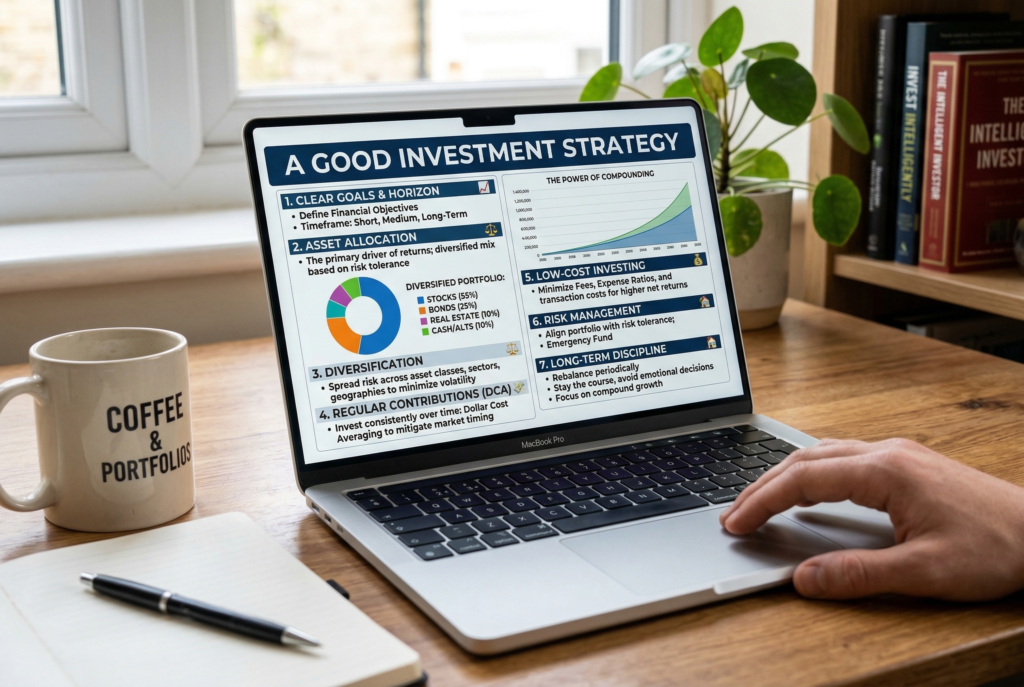
A good investment strategy doesn’t revolve around fees alone, but it should take fees seriously. Investors can’t control market returns, inflation, or short-term volatility. They can, however, pay attention to costs and make thoughtful decisions about what they’re willing to spend.
In many cases, lower-cost funds make excellent core holdings because they allow more of the market’s return to stay invested. Higher-cost funds may still have a role in limited situations, but they should be chosen deliberately rather than by default. The focus is on understanding the costs involved, the reasons behind those costs, and how well they reflect the value the fund adds to your portfolio.
Conclusion
An expense ratio is one of the most important fund costs investors should understand because it directly affects the returns they keep over time. Even though it may seem small, it can reduce portfolio growth year after year, especially in long-term accounts. By learning how expense ratios work, comparing similar funds carefully, and weighing fees alongside strategy and diversification, investors can make more informed decisions and keep more of their money working toward future goals.
