


Filing your taxes for the first time, or even the fifth, can feel overwhelming. Forms, deadlines, unfamiliar terms, and the fear of “doing it wrong” often stop people before they even start. If you’ve ever asked yourself “Do I really need to file?” or “Where do I even begin?” This article is worth a careful reading.
Honestly, filing your U.S. tax return doesn’t have to be stressful or complicated. With the right steps and a clear plan, you can move through tax season confidently, avoid costly mistakes, and even uncover money you might be owed.
This beginner-friendly guide walks you through exactly how to file your taxes in the U.S., step by step, using plain language, practical tips, and real-world guidance.
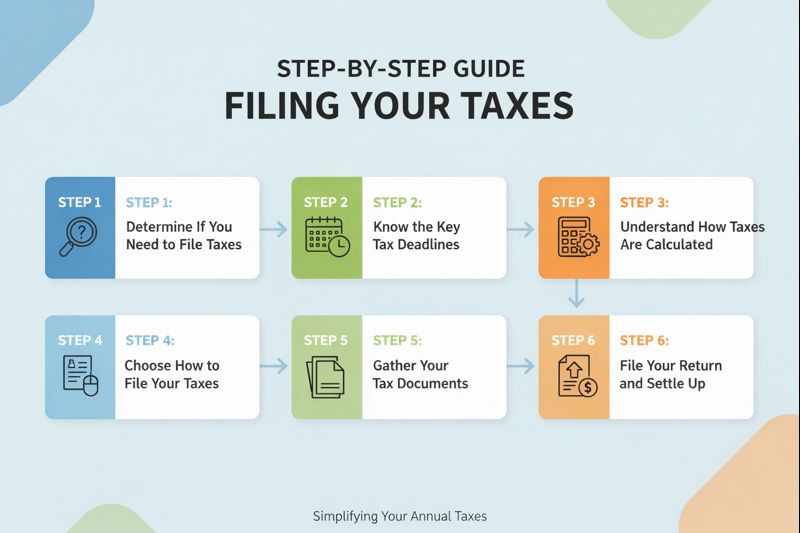
Step 1: Determine If You Need to File Taxes
Most people in the U.S. are required to file a federal tax return, but this depends on several key details, such as how much income you earned, your age, your filing status (e.g., single, married, head of household), and whether another taxpayer can claim you as a dependent. However, even if you aren’t legally required to file, it might still be in your best interest. Many taxpayers qualify for refundable tax credits, like the Earned Income Tax Credit (EITC) or the Child Tax Credit, which can result in a refund, even if you don’t owe any taxes.
You should strongly consider filing a return if any of the following apply: federal income tax was withheld from your paycheck, you’re eligible for tax credits or deductions, you made estimated tax payments during the year, or you want to claim a tax refund. In many cases, filing is about getting money you’re entitled to back.
Step 2: Know the Key Tax Deadlines
Important Dates to Remember
Understanding tax dates helps you stay organized, avoid unnecessary penalties, and reduce last-minute stress. Here’s how the timeline works and why it matters:
- Tax year: This is the calendar year in which you earned the income you’re reporting. For example, income earned in 2025 is reported on your 2025 tax return.
- Filing year: This is the year you actually submit your tax return. For instance, you file your 2025 taxes in 2026 during the tax filing season.
- Standard filing deadline: April 15 is typically the last day to file your federal tax return without penalties. If April 15 falls on a weekend or holiday, the deadline may shift slightly.
- Extension deadline: October 15 gives you extra time to file your return, but not extra time to pay. If you owe taxes, you’re still expected to estimate and pay what you owe by April 15 to avoid interest and late-payment penalties.
Missing deadlines can be costly. If you owe taxes and file late, the IRS may charge both penalties and interest, which can grow quickly. If you’re due a refund, there’s no penalty for filing late. But the longer you wait, the longer the government holds onto money that belongs to you.
Pro tip: Filing early has added benefits. It lowers your risk of tax-related identity theft, speeds up refunds, and gives you more time to fix any issues if the IRS flags your return. Starting early often makes tax season calmer and far less stressful overall.
Step 3: Understand How Taxes Are Calculated
The United States uses a progressive tax system, meaning your income is taxed in layers rather than at one flat rate. In practical terms, different portions of your income are taxed at different rates, starting with lower rates on the first portion you earn and increasing only as your income reaches higher thresholds. Being in a higher tax bracket doesn’t mean all of your income is taxed at that higher rate, only the portion that falls within that bracket.
In addition to federal taxes, you may also owe state income taxes, depending on where you live. Some states don’t charge income tax at all, while others apply either a flat rate or their own progressive system. Because the rules vary widely by state, your total tax bill can look very different depending on your location. Fortunately, you don’t need to calculate any of this manually, tax software or a tax professional will handle the math for you.
Step 4: Choose How to File Your Taxes
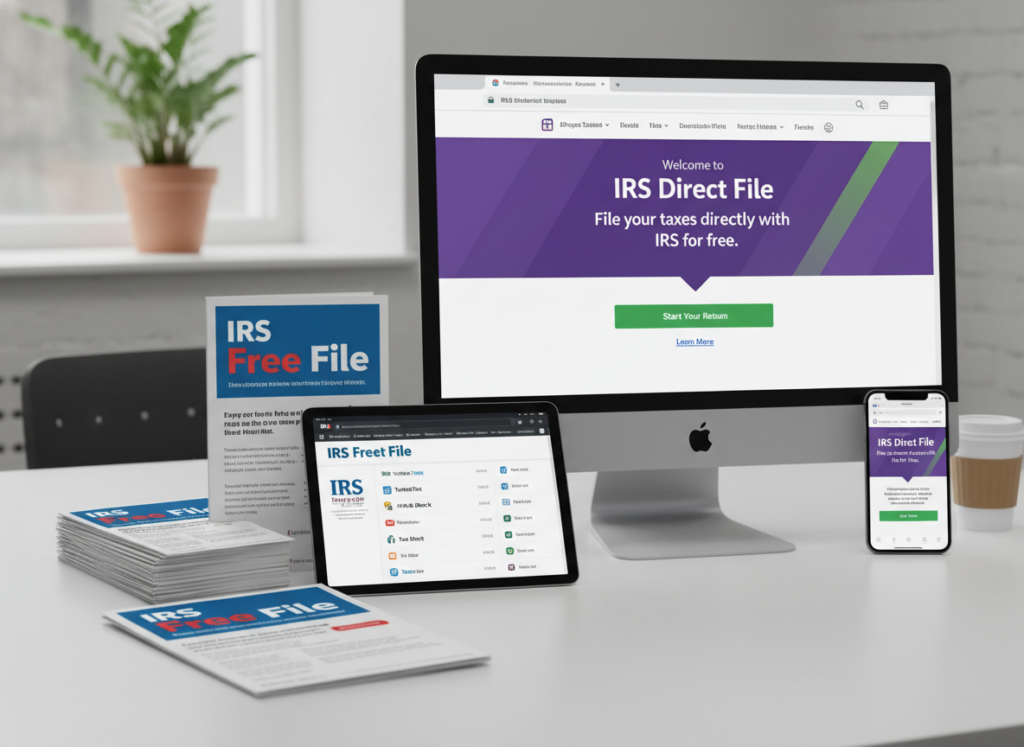
Your Main Tax-Filing Options
1. IRS Free File: If your income qualifies, you can use free, guided tax software through IRS partners, or fillable forms if you’re comfortable doing it yourself.
2. IRS Direct File (Available in Select States): It’s a newer, free option for simple federal returns. However, it’s currently available only in certain states and supports limited situations. The IRS is gradually expanding access and features each year.
3. Online Tax Software: Popular options walk you through the process step by step and range from free to paid, depending on complexity.
4. Hire a Tax Professional: Best for complex situations, self-employment, or if you want peace of mind. Professionals can also help with tax planning beyond filing season.
5. Paper Filing (Not Recommended): Technically allowed, but it’s slower, riskier, and more error-prone.
As a general rule of thumb, if your tax situation is simple, such as earning income from a single W-2 job, online tax software or IRS Free File is usually more than sufficient and cost-effective. If you’re self-employed, run a business, earn freelance income, or have experienced major life changes like marriage, homeownership, or having a child, working with a tax professional can help ensure accuracy and uncover additional savings opportunities.
Step 5: Gather Your Tax Documents
Common Documents You’ll Need
- Social Security numbers (you, spouse, dependents)
- W-2s from employers
- 1099 forms (freelance, interest, dividends, retirement income)
- Records of charitable donations
- Student loan interest statements
- Mortgage interest and property tax records
- Prior year’s tax return (helpful reference)
Step 6: File Your Return and Settle Up
Once your tax return is finished, the final step is filing it and addressing the result. If you owe taxes, it’s important to file on time even if you can’t pay the full amount right away. Filing late can lead to steeper penalties than paying late, so submitting your return by the deadline protects you from additional charges. If paying in full isn’t possible, the IRS offers payment plans that allow you to spread the balance over time, making it more manageable.
If you’re expecting a refund, filing electronically is the fastest way to receive your money. Choosing direct deposit helps avoid mail delays and reduces the risk of lost checks. After filing, you can track your refund status online to stay informed. In most cases, electronically filed returns with direct deposit result in refunds arriving within just a few weeks.
Common Beginner Mistakes to Avoid
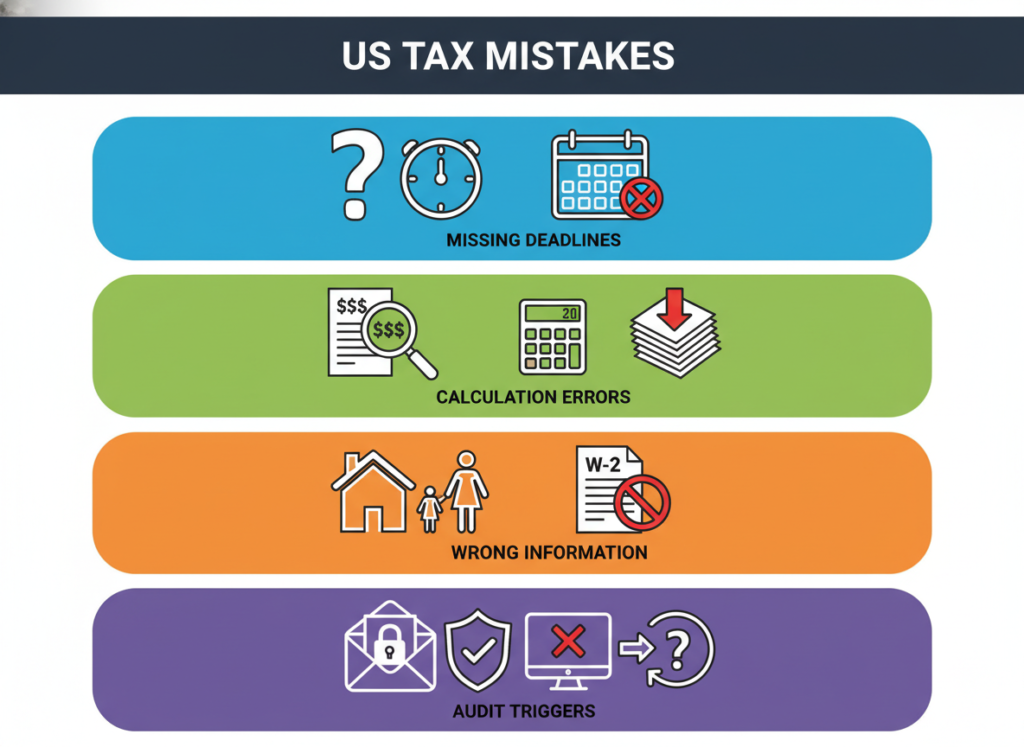
Some of the most common tax filing mistakes include missing the April deadline, forgetting to report income from side jobs or investments, choosing the wrong filing status, and overlooking valuable deductions or credits that could lower your tax bill. Many of these problems are the result of rushing through the process or waiting until the last minute, which increases stress and makes it easier to miss important details.
Giving yourself time to file early allows you to gather all necessary documents, double-check your information, and fix any issues before submitting your return. Working through the process step by step, rather than trying to do everything in one sitting, also helps reduce errors and builds confidence.
Mindset Shift: Filing Taxes Doesn’t Have to Be Perfect
You don’t have to master every tax rule to file your return correctly. What really matters is having the right information, following a clear step-by-step plan, and being willing to get started. Taxes are a process. And once you’ve gone through it once, the entire experience becomes easier and more familiar each year.
Final Takeaway
Filing your taxes in the U.S. is less about mastering rules and more about taking steady, informed steps. Whether you file for free, use software, or work with a professional, the key is starting early and choosing the option that fits your life. Remember, you just need progress, and now you have a roadmap to make tax season simpler, calmer, and more manageable.
