

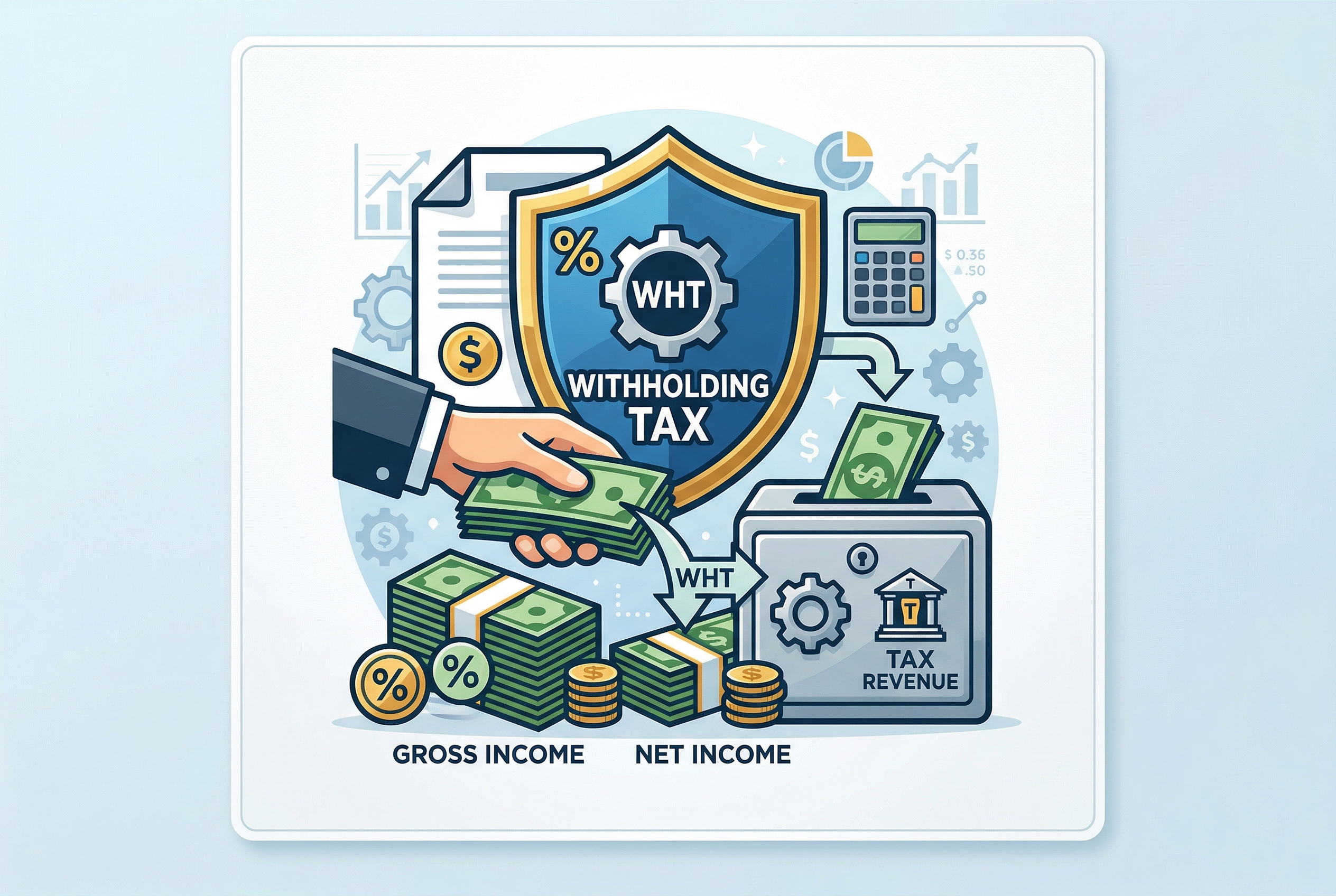
Withholding tax is one of those money topics most people deal with long before they fully understand it. You see it on paychecks, retirement distributions, freelance payments in some situations, and certain investment income. The basic idea is simple: part of your money is sent to the government before you receive it, so you don’t end up paying your full tax bill all at once later. The challenge is making sure the amount withheld is close to what you’ll actually owe, not far too much or too little.
What Is Withholding Tax?
Withholding tax is money taken out of certain payments and sent directly to the IRS on your behalf. For employees, that usually means federal income tax withheld from each paycheck. The same concept can also apply to some pension and annuity payments, eligible retirement plan distributions, and certain reportable payments that may trigger backup withholding.
In practical terms, withholding works like a pay-as-you-go system. Instead of waiting until tax season to pay everything, you pay gradually throughout the year. That helps many taxpayers avoid a large balance due, and it can also reduce the risk of underpayment penalties when withholding is set correctly.
How Withholding Tax Works in Real Life
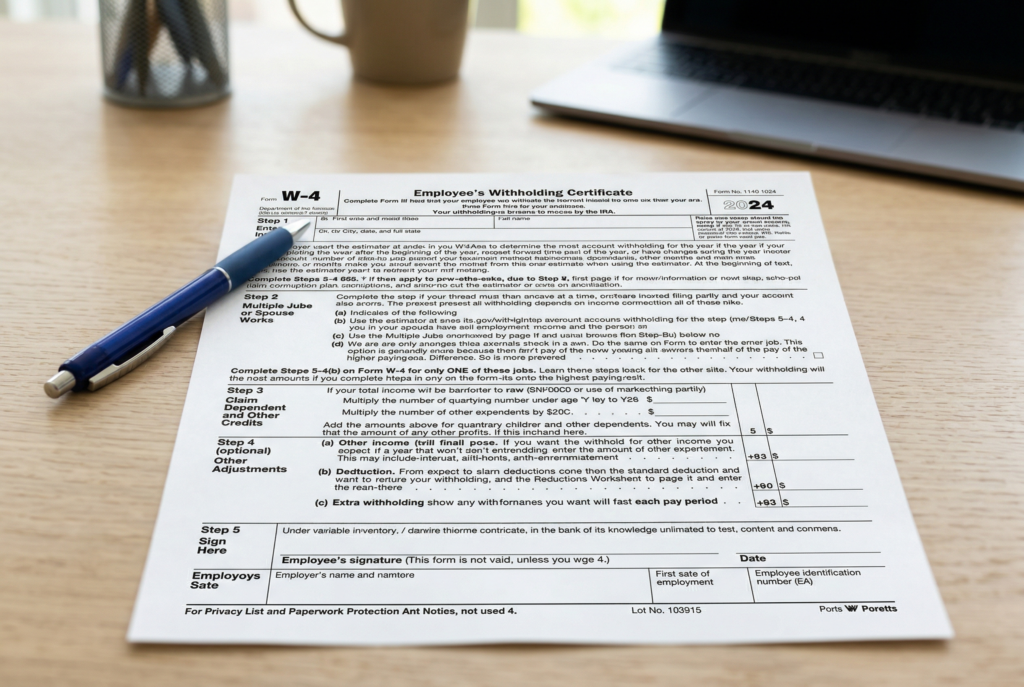
For most workers in the United States, withholding starts with Form W-4. You give this form to your employer, and the information on it helps determine how much federal income tax comes out of each paycheck. If your circumstances change, such as getting married, starting a second job, having a child, or losing a deduction, you can submit a new W-4 to adjust your withholding.
The IRS also provides a Tax Withholding Estimator that helps workers check whether they’re withholding too much or too little. The estimator is designed to show how withholding affects your refund, paycheck, or tax due, and it can help you decide whether to give your employer an updated W-4.
Withholding doesn’t only apply to wages. Retirees may have tax withheld from pension or annuity payments using Form W-4P, and some retirement plan distributions have special withholding rules. For example, the IRS says eligible rollover distributions from employer-sponsored retirement plans are generally subject to mandatory federal income tax withholding of 20% when the taxable amount is paid to you.
Who Pays Withholding Tax?
A lot of people pay withholding tax without thinking much about it. The most common groups include:
- People earning wages or salaries through an employer. Federal income tax is typically withheld directly from paychecks.
- Retirees receiving pensions or annuities. Those payments may also have federal tax withheld, and recipients can use Form W-4P to adjust it.
- People receiving certain retirement distributions. Some payouts, especially eligible rollover distributions paid directly to you, may face mandatory withholding.
- People receiving certain reportable payments that trigger backup withholding, often because of an incorrect or missing taxpayer identification number or other IRS notice-related issues. Backup withholding can apply to some interest, dividends, and similar payments, though some categories are excluded.
- Foreign persons may also encounter withholding under separate IRS withholding rules, often at a statutory 30% rate on certain types of U.S.-source income unless a reduced treaty rate or exemption applies.

Why You Might Be Overpaying Through Withholding
Overpaying doesn’t usually mean the IRS charged you extra tax. More often, it means too much was withheld during the year, so you gave the government an interest-free loan and then waited for a refund.
This can happen when your W-4 is outdated, especially after a major life change. It can also happen if you work multiple jobs, have a spouse who works, claim fewer adjustments than you’re entitled to, or leave retirement withholding at a default setting that doesn’t match your real tax situation. The IRS specifically encourages workers and retirees to review withholding because the right amount depends on income, credits, deductions, and other tax benefits.
Some taxpayers actually prefer getting a large refund because it feels like forced savings. But from a cash flow standpoint, that often means less money in each paycheck throughout the year. For households trying to manage housing, groceries, debt payments, and child care, that can make monthly budgeting harder than it needs to be. This is an inference based on how withholding affects paycheck size and refunds.
How to Avoid Overpaying Withholding Tax
The smartest approach is to review your withholding before tax season exposes a problem. Here are the most effective ways to do that.
Use the IRS Tax Withholding Estimator
This is one of the most useful tools available because it helps you compare your current withholding with what you’re likely to owe. If the numbers are off, the estimator can guide you on whether to update your W-4 or W-4P.
Update your Form W-4 after Life Changes
Marriage, divorce, a new child, side income, a second job, or a big change in deductions can all affect how much tax should come out of your paycheck. If your form hasn’t been updated in a while, there’s a good chance your withholding no longer fits your situation.
Review Retirement Withholding Carefully
If you’re receiving pension or annuity income, don’t assume the default withholding is ideal. A better fit may require filing Form W-4P with your payer. Retirement withdrawals can also have unique withholding rules, so one-size-fits-all assumptions can be expensive.
Fix Backup Withholding Issues Quickly
If backup withholding starts because your taxpayer information is incorrect or incomplete, correct it as soon as possible. The IRS says backup withholding can often be prevented or stopped by resolving the original issue, such as providing the correct name and TIN or addressing underreported income or missing returns.
Common Mistakes People Make with Withholding Tax

One common mistake is assuming a big refund means your taxes were handled perfectly. In reality, it can be a sign that too much was withheld. Another mistake is never revisiting withholding after a change in income or family status. A form completed years ago may not reflect your current tax picture at all.
Some people also confuse withholding tax with their total tax liability. They’re related, but they aren’t the same thing. Withholding is just a payment method. Your actual tax bill is determined when you file your return and account for your income, deductions, credits, and other tax rules.
Conclusion
Withholding tax is a normal part of getting paid, receiving retirement income, and handling certain other financial transactions in the United States. It helps spread tax payments across the year, but it only works well when the amount withheld is reasonably accurate. Too little can leave you with a surprise bill. Too much can shrink your paycheck and tie up money you could’ve used all year.
The good news is that overpaying often isn’t permanent or hard to fix. By reviewing your W-4, checking retirement withholding, and using the IRS Tax Withholding Estimator, you can usually get much closer to the right number. That means better cash flow, fewer tax-time surprises, and more control over your money.
