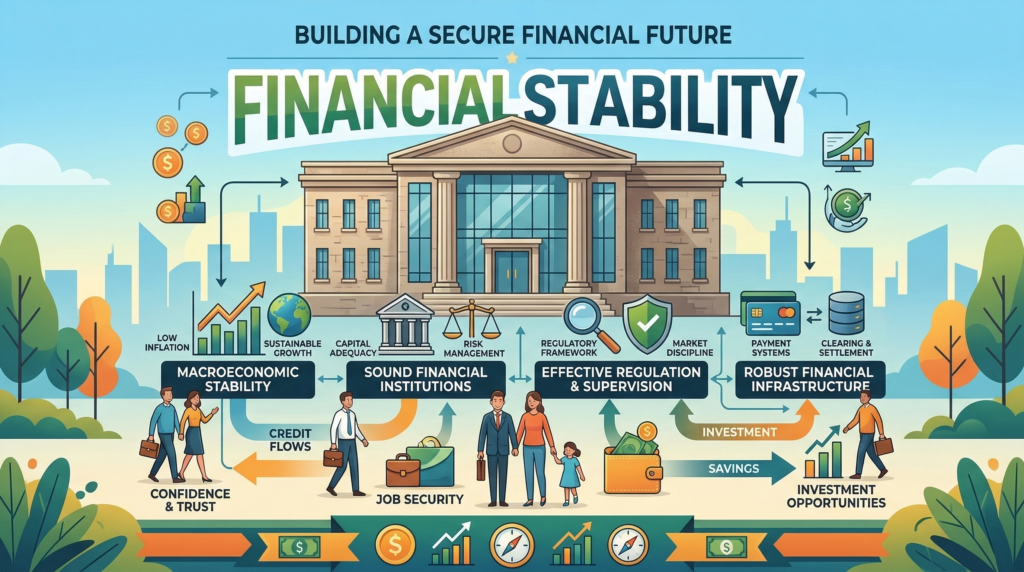
Long-term financial stability rarely comes from one perfect decision. It’s usually built through steady habits, thoughtful planning, and a willingness to adjust as life changes. In the United States, where housing, healthcare, insurance, and daily living costs can shift quickly, strong financial habits matter even more. The goal isn’t to create a rigid system that only works in ideal conditions. It’s to build a practical framework that helps you cover essentials, grow savings, manage debt, and stay on track over time.
When your money habits support both everyday needs and future financial goals, financial stability becomes more realistic and much easier to maintain.
Start With a Clear Definition of Financial Stability
Financial stability means more than paying bills on time. It means your finances can handle routine expenses, unexpected costs, and long-term goals without constant crisis or guesswork. For one household, that may mean building a reliable emergency fund and reducing debt. For another, it may mean balancing retirement contributions with childcare costs, housing expenses, and rising insurance premiums.
Defining what financial stability looks like for your situation helps you make better decisions. Without that clarity, it’s easy to chase general advice that doesn’t match your reality. A strong definition often includes a few basic outcomes: consistent bill payment, manageable debt, regular savings, and enough flexibility to handle surprises without relying on high-interest credit.
Build a Budget That Supports Real Life
A budget is one of the most important tools for long-term financial stability, but it has to reflect your actual spending patterns. If your plan is too optimistic or too restrictive, it won’t last. A workable budget should cover essential expenses first, leave room for savings goals, and include realistic amounts for variable expenses like groceries, gas, and household needs.
The strongest budgets aren’t based on perfection. They’re based on awareness and adjustment. If you regularly overspend in a category, treat that as useful information. Rising prices, family needs, or commuting costs may be changing faster than your plan. Updating the budget to reflect reality is smarter than forcing numbers that no longer fit. Checking in weekly can make budgeting far more effective. A brief review of balances, recent spending, and upcoming bills often prevents small issues from turning into larger problems.
Make Saving a Core Habit, Not an Occasional Goal
People often think they’ll save once there’s extra money left over. In practice, that approach usually leads to inconsistent progress. Long-term stability improves when saving becomes a built-in habit instead of an afterthought.
Start with an amount that feels sustainable, even if it seems small. The real value comes from consistent saving. Automatic transfers to savings can help remove the need to make the same decision every payday. Over time, this habit supports a stronger emergency fund, reduces reliance on credit cards, and makes it easier to handle routine disruptions. Separating savings by purpose can also help. Emergency savings, short-term goals, and planned expenses often work better when they aren’t mixed together. Clear categories make it easier to protect progress and avoid dipping into the wrong funds.
Build an Emergency Fund That Reduces Financial Stress

An emergency fund is one of the clearest signs of financial stability because it gives your budget room to absorb the unexpected. Car repairs, medical bills, travel for family emergencies, and temporary income disruptions happen to most households at some point. Without cash reserves, those costs often turn into debt.
A strong emergency fund doesn’t have to appear overnight. Building it gradually still makes a meaningful difference. Even a modest reserve can reduce the pressure that comes with surprise expenses. As your finances improve, aim to expand that buffer so it can cover several months of essential living costs. This fund should stay accessible and separate from your daily spending money. A high-yield savings account is often a practical place to keep it because the money remains available while still earning some interest.
Control Debt Before It Controls Your Cash Flow
Debt isn’t always harmful, but high-interest debt can quietly undermine long-term financial stability. Credit card balances, expensive personal loans, and repeated borrowing for routine expenses can reduce flexibility and make it harder to save.
A practical debt strategy starts with consistency. Make every minimum payment on time, then direct extra money toward balances that are costing you the most in interest or toward smaller balances if that helps you stay motivated. The best method is the one you can follow steadily. Just as important, look at why debt is building. If the same shortfalls happen month after month, the problem may be a budget imbalance, not just the debt itself. Long-term progress usually requires both debt repayment and a stronger cash flow system.
Keep Fixed Costs at a Sustainable Level
Financial stability becomes much easier when your fixed expenses don’t consume too much of your income. Housing, car payments, insurance, childcare, and subscription commitments all shape how much financial flexibility you have each month. When fixed costs are too high, even a small disruption can create immediate financial stress.
Review these expenses periodically and ask whether they still make sense for your current priorities. In some cases, lowering fixed costs has a bigger long-term impact than cutting smaller discretionary purchases. Refinancing insurance, reducing unused services, or avoiding a larger housing payment than your budget can comfortably handle can preserve room for savings and future goals. The less pressure your fixed costs create, the easier it is to stay stable during income changes or unexpected expenses.
Use Automation to Strengthen Consistency
Automation can make financial stability easier because it reduces the number of decisions you have to manage manually. Direct deposit, automatic bill payments, scheduled savings transfers, and recurring debt payments all help build consistency.
That doesn’t mean you should put your finances on autopilot and ignore them. Automation works best when paired with regular financial reviews. The goal is to reduce missed payments, late fees, and forgotten transfers while still staying aware of what’s happening in your accounts. For many people, automation is especially useful for the habits that matter most but are easiest to delay, like saving and paying extra toward debt.
Plan Ahead for Irregular Expenses

Many financial setbacks feel unexpected only because they aren’t monthly. Insurance premiums, school costs, car maintenance, gift spending, and annual subscriptions can disrupt a budget when they aren’t planned for in advance.
Sinking funds are one of the most practical tools for long-term stability. By setting aside small amounts throughout the year, you spread larger costs across many months. That makes them much easier to handle when the bill arrives. You don’t need a long list of savings categories to make this work. Starting with the irregular expenses most likely to disrupt your finances is often enough to create noticeable stability.
Increase Income Thoughtfully Over Time
While strong money habits matter, long-term financial stability also depends on income. Budgeting can only go so far if your earnings don’t support your essential costs and savings goals. Strengthening income may involve negotiating pay, developing new skills, changing roles, adding a side income stream, or building a more stable career path.

The key is to treat higher income as a chance to improve your foundation, not just your spending. When income rises, directing part of the increase toward savings, investing, or debt reduction can create lasting benefits. Without a plan, lifestyle inflation can absorb progress before it improves your overall stability. A balanced approach works best. Enjoying some of your financial progress is reasonable, but protecting a meaningful portion of it helps build long-term security.
Keep Retirement and Long-Term Goals in the Picture
It’s easy to focus only on immediate financial needs, especially during busy or expensive seasons of life. But long-term stability also depends on preparing for the future. Retirement contributions, even modest ones, matter because time plays such a large role in long-term growth.
If your employer offers a retirement match, contributing enough to capture it can be one of the smartest financial moves available. If you’re self-employed or don’t have access to a workplace plan, other retirement options can still support steady progress. Rather than funding everything perfectly from the start, the real goal is to avoid putting off long-term planning. Small, consistent contributions are often more powerful than waiting for the “right” time.
Review Your Financial Plan Regularly

Consistent planning only works if it evolves with your life. Income changes, family needs shift, and expenses rise. Reviewing your financial plan regularly helps you stay aligned with current realities rather than outdated assumptions.
A monthly review can help you track spending, savings, and debt progress. A broader quarterly or annual review can help you reassess bigger priorities like retirement, insurance, housing decisions, and career goals. Regular check-ins work best when they’re simple and honest. Long-term financial stability is built through repeated course correction. People who stay financially steady usually aren’t the ones who never face changes. They’re the ones who respond to changes early and thoughtfully.
Conclusion
Building long-term financial stability with smart money habits and consistent planning means creating a system that works in everyday life and holds up when life changes. A realistic budget, regular saving, an emergency fund, manageable debt, sustainable fixed costs, and a habit of reviewing your finances all work together to create that stability. Over time, those habits reduce stress, improve flexibility, and make future goals feel more achievable.
Financial stability doesn’t require perfection or sudden transformation. It grows from practical decisions repeated consistently. When your money habits match your priorities and your plan adapts as needed, you create a stronger financial foundation that can support both your present needs and your future security.
Related Articles
- Best Long-Term Retirement Income Strategies to Protect Your Savings and Guarantee Lifetime Financial Stability
- How to Develop a Strong Money Mindset That Improves Your Finances and Builds Long-Term Wealth
- Best Long-Term Investing Strategies to Build Wealth, Reduce Risk, and Grow Your Money Confidently