
Debt can weigh heavily on your mind and your finances. From high-interest credit cards to personal loans and auto financing, the burden of multiple monthly payments can feel overwhelming. Yet, clearing debt doesn’t have to be an endless struggle. With a clear plan, practical strategies, and consistent effort, you can reduce your debt faster, save on interest, and regain control over your finances. Here are ten proven strategies that combine real-world examples, actionable guidance, and mindset tips to help you achieve financial freedom in 2026.
1. List All Your Debts and Analyze Them
The first step toward paying off debt quickly is knowing exactly what you owe. Create a detailed list of all your debts, including credit cards, personal loans, auto loans, student loans, and any other obligations. Include the total balance, interest rate, minimum monthly payment, and due dates.
For instance, your debt list might look like this:
- Credit card A: $3,500 balance, 22% APR, $105 minimum
- Personal loan: $5,000 balance, 15% APR, $150 minimum
- Auto loan: $12,000 balance, 5% APR, $250 minimum
Once you have the full picture, calculate total monthly interest costs and identify which debts are costing you the most. Prioritizing high-interest debts is essential for reducing overall costs and creating a smarter payoff plan.
Understanding the difference between good debt and bad debt is also crucial. Good debt might include a mortgage or student loan that contributes to long-term financial growth, whereas high-interest credit cards and payday loans can trap you in a cycle of escalating payments.
2. Use the Debt Snowball Method to Build Momentum
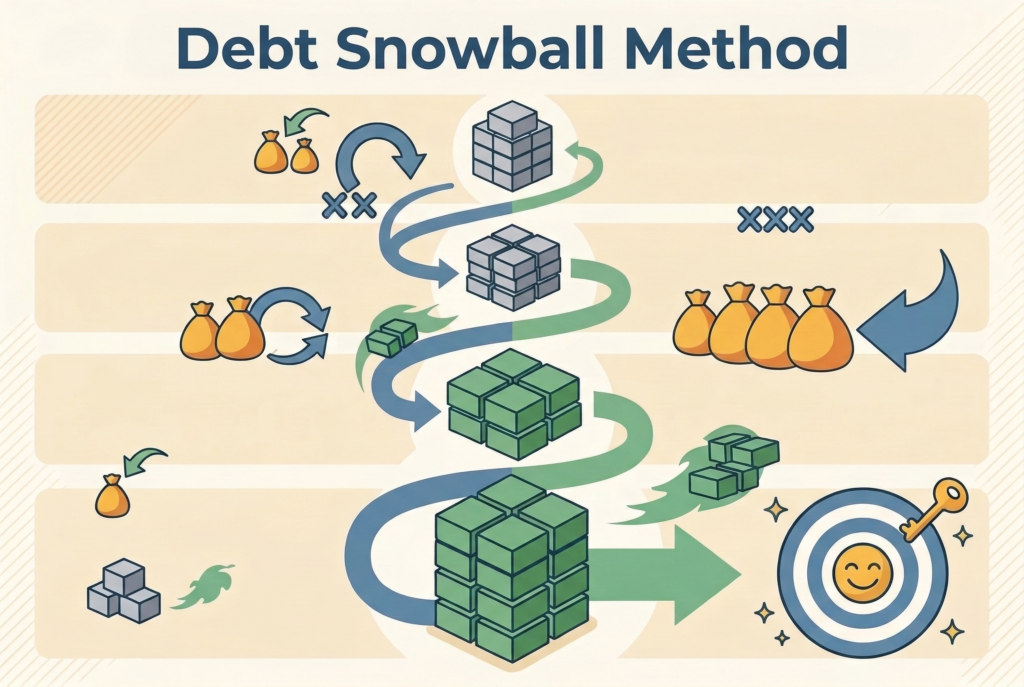
The Debt Snowball approach focuses on paying off the smallest debts first while maintaining minimum payments on larger balances. The idea is to create early wins that boost motivation and commitment.
For example, if your smallest debt is a $3,500 credit card, pay it off first while making minimum payments on your $5,000 personal loan and $12,000 auto loan. By paying an extra $200 per month toward the credit card, you could eliminate it in about 18 months instead of several years. This method helps maintain psychological momentum and encourages consistency.
3. Try the Debt Avalanche Method to Minimize Interest
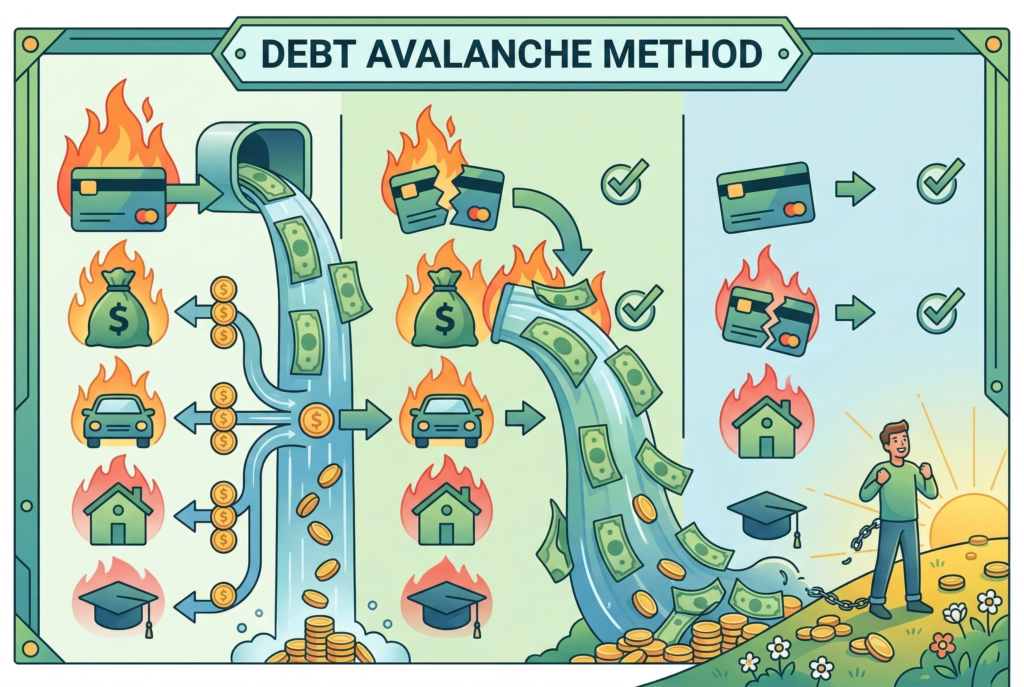
If your goal is to save money on interest, the Debt Avalanche method targets high-interest debts first, regardless of size. Using the same example, focusing on the 22% APR credit card before the 15% personal loan and the 5% auto loan reduces total interest paid over time.
While it may not deliver the immediate psychological boost of the Snowball method, the Avalanche strategy is the most cost-efficient approach to reduce overall interest, especially for borrowers with high-interest credit obligations.
4. Consider Debt Consolidation Carefully
Debt consolidation allows you to combine multiple high-interest debts into a single loan with a lower interest rate. For example, rolling three credit card balances into a personal loan with 12% APR can significantly reduce monthly interest charges.
When considering consolidation, check for:
- Fees associated with the consolidation loan
- Total repayment term, which avoid extending the debt unnecessarily
- Whether the new interest rate is lower than the weighted average of your current debts
Proper consolidation can simplify payments and save money, but it requires discipline to prevent accumulating new debt.
5. Increase Your Income and Direct Extra Funds to Debt

Paying down debt faster often requires freeing up extra cash, and increasing income is one of the most effective ways. Consider side hustles, freelancing, or part-time work, and direct all additional income toward debt repayment. Even small amounts added to minimum payments can accelerate payoff dramatically over time.
For example, earning an extra $300 per month and applying it entirely to your highest-interest debt can shorten your repayment timeline by a year and save hundreds in interest. This strategy combines financial discipline with practical action, showing how small additional income streams can create a significant impact.
6. Reduce Unnecessary Spending
Identifying and reducing non-essential expenses frees money for debt repayment. This might mean cutting subscriptions, limiting dining out, or revising entertainment budgets. Pair this with automatic budgeting tools or apps that categorize spending so you can track progress and adjust quickly.
Cutting $150 per month in non-essential spending adds $1,800 annually to your debt payoff. Beyond saving money, this practice cultivates long-term financial mindfulness, helping you avoid future debt accumulation.
7. Automate Payments for Consistency
Set up automatic minimum payments for all debts and automatic extra payments for prioritized balances. Automation ensures you never miss a payment, avoids late fees, and reinforces disciplined financial behavior. This simple step guarantees that your debt reduction plan runs smoothly and consistently, removing the stress of manually tracking due dates and payments.
8. Maintain a Small Emergency Fund
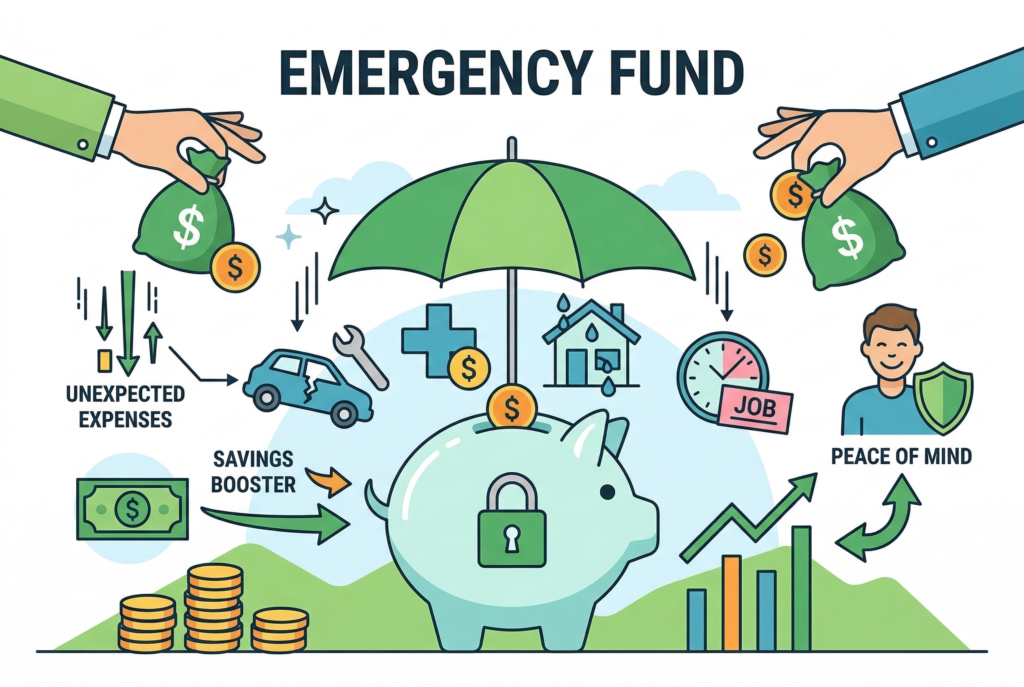
Even while aggressively paying down debt, maintain a small emergency fund. This prevents unexpected expenses from forcing reliance on credit cards, which can derail progress. A modest fund of $500–$1,000 can provide a buffer while keeping your debt repayment plan intact.
9. Track Progress and Celebrate Milestones
Monitoring progress keeps you accountable and motivated. Use spreadsheets or apps to track remaining debt balances, monthly payments, and interest saved. For example, seeing your credit card balance drop from $3,500 to $1,200 over three months is tangible proof of your progress and encourages continued effort.
10. Avoid Scams and High-Cost Shortcuts
Beware of services promising quick debt elimination or “easy” loans because they may be scams or come with hidden fees. Rely on reputable financial advisors, government-supported debt relief programs, and reading contracts carefully before committing. Protecting yourself from predatory offers ensures your financial recovery stays on track without unnecessary setbacks.
Conclusion: Combine Strategies for Maximum Effect
There’s no magic formula for instant debt freedom, but combining Debt Snowball, Debt Avalanche, extra income, reduced spending, and automated payments delivers the fastest results. Consistent tracking, disciplined execution, and cautious decision-making are key to regaining financial control. Following these strategies will allow you to minimize interest, shorten repayment timelines, and achieve true financial freedom in 2026.
Related Articles
Debt Management Programs Explained: How They Work and When They’re the Smartest Debt Solution