


Saving money is already a win, but earning interest on that savings can make your progress feel faster and more rewarding. Still, many people in the United States keep cash in accounts that barely pay anything, missing out on interest that could be building quietly in the background. The difference between a low-rate savings account and a competitive one can add up over time, especially if you’re saving for emergency reserves, a down payment, or near-term goals.
This guide explains how savings account interest works, how to choose accounts that add real value, and what practical habits can help you earn more without taking on unnecessary risk.
1. Understand How Savings Account Interest Actually Works
Savings account interest is typically expressed as APY, or annual percentage yield. APY matters more than a simple interest rate because it reflects compounding, which is when interest earns interest over time. Many banks compound daily or monthly, then credit interest to your account monthly.
Even though the math happens behind the scenes, the principle is straightforward: the higher the APY and the more consistent your balance, the more interest you’ll earn. Time is also a major factor. Interest is rarely dramatic in a single month, but it becomes meaningful when you keep steady deposits and let the account grow.
It’s also important to know that savings rates can change. Banks and credit unions adjust rates based on market conditions and their own business goals. That’s why choosing a strong savings strategy involves more than picking a high APY once and forgetting about it.
2. Choose the Right Type of Savings Account for Your Goals
Not all savings accounts are built for the same purpose. The best choice depends on what you need your savings to do. A traditional savings account at a brick-and-mortar bank can be convenient if you want your checking and savings in one place or you frequently deposit cash. The tradeoff is that rates are often lower than online options.
A high-yield savings account, often offered by online banks, usually pays a higher APY with fewer overhead costs. For many households, this is the simplest way to earn more interest while keeping money accessible. Money market accounts can offer competitive rates and sometimes include check-writing or debit card access, but they may require a higher balance to avoid fees or to earn the best yield.
Certificates of deposit, or CDs, typically offer a fixed rate for a set term. They can be useful when you want a predictable return and won’t need the money immediately, but they reduce flexibility. The best strategy is often a combination: a high-yield savings account for emergency funds and near-term goals, plus CDs for money you know you won’t need for a while.

3. Prioritize APY, But Don’t Ignore Fees and Access
A high APY looks great, but your real return depends on the total package. Fees can wipe out interest quickly, especially if you’re building savings and your balance isn’t huge yet.
Check for monthly maintenance fees, minimum balance requirements, and transfer limitations. Also consider how quickly you can access funds when needed. Some banks offer fast internal transfers between checking and savings, while external transfers between different banks may take longer.
Customer support and app reliability also matter. If you can’t easily move money, track deposits, or resolve issues, the account may create friction that lowers your motivation to save consistently.
4. Use Automated Deposits to Keep Your Balance Growing
The simplest way to earn more interest is to increase the balance that earns interest. That’s where automation becomes powerful. When you set up automatic transfers from checking to savings each payday, you’re consistently raising the amount that can earn interest. This habit removes the need for repeated decision-making and reduces the temptation to spend the money first.
If your income is irregular, automation can still work. You can set a smaller guaranteed transfer and add extra contributions during higher-income weeks. The goal is consistency without creating overdraft risk.
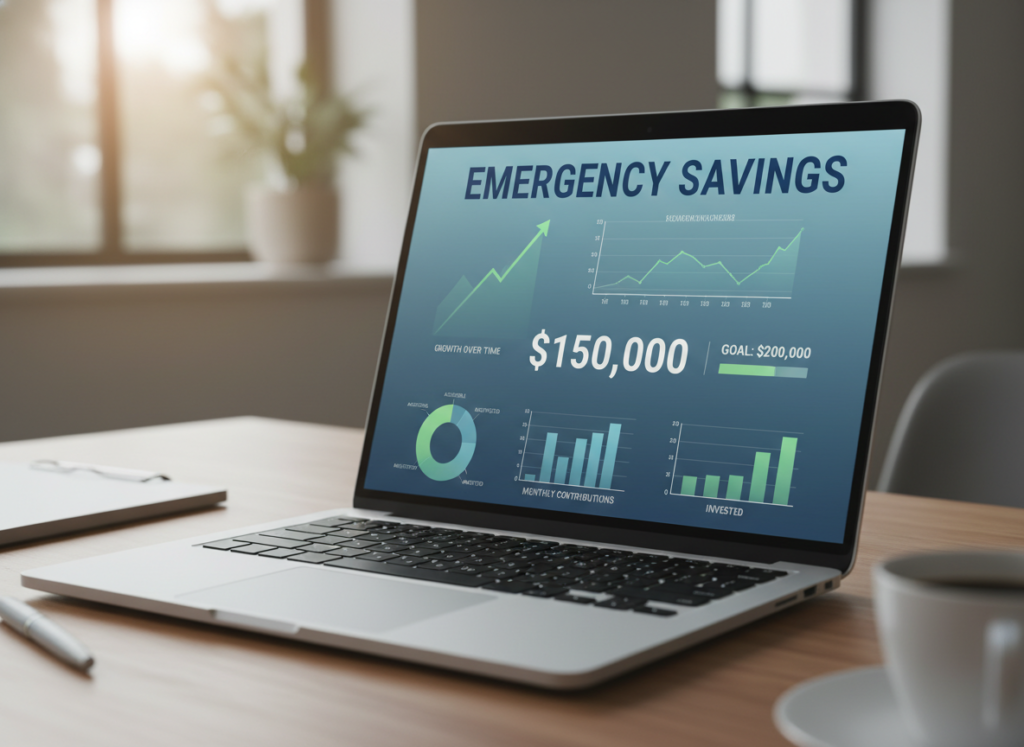
5. Keep Your Emergency Fund in a High-Yield Savings Account
Emergency savings is one of the best uses for a high-yield savings account because the money is meant to be safe and accessible, but it may sit unused for long periods. That’s the perfect scenario for earning interest.
Many financial professionals recommend keeping emergency funds separate from daily checking to reduce temptation. Pairing that separation with a competitive APY can make your emergency fund feel more productive rather than just sitting there. Even if the interest doesn’t cover inflation, earning something is still better than earning nothing, especially when the money needs to remain low risk.
6. Add Savings “Buckets” to Increase Consistency
One reason people struggle to keep savings intact is mixing multiple goals in one pile of money. You might save for a vacation, car repairs, and an emergency fund in one account, then spend from it without a clear plan.
Some banks offer savings buckets or labeled goal sub-accounts. If your bank doesn’t, you can create separate savings accounts for different purposes. The goal is clarity. When you can see how much is reserved for emergencies versus planned purchases, you’re less likely to dip into long-term savings for short-term wants. That indirectly helps you earn more interest because your balance stays higher.
7. Consider CDs for Money You Don’t Need Soon
If you’re saving for a goal two to five years away, or you’ve already built a healthy emergency fund, CDs may be worth considering. A CD typically offers a fixed rate for a specific term. In exchange, you agree not to withdraw funds early, or you’ll pay an early withdrawal penalty.
CDs can make sense when you want stability and don’t want your rate to change. They can also help people who prefer less access to money, since the restrictions can reduce impulse spending. A common strategy is CD laddering, where you split money across multiple CDs with different maturity dates. This can improve access over time while still locking in rates for portions of your savings.
8. Watch for Intro Rates and Fine Print
Some banks advertise high savings rates that only apply under certain conditions, such as a promotional period or a minimum balance requirement. Others require you to open a checking account as well.
It’s worth reading the details so you know whether the rate is likely to stay competitive. A slightly lower APY with fewer restrictions can sometimes be a better long-term choice than a headline rate that drops quickly.
9. Reduce Idle Cash in Low-Interest Accounts
Another smart strategy is deciding how much cash you actually need in checking. Many people keep large amounts in checking because it feels convenient, but checking accounts often earn little or no interest.
A more efficient approach is keeping a comfortable checking buffer for bills and day-to-day spending, then moving excess cash into a high-yield savings account. This way, more of your money is earning interest without sacrificing practical access. If you’re worried about timing, set a weekly or biweekly transfer schedule and keep alerts turned on for low balances.
10. Remember That Savings Interest Is Taxable
In the United States, interest earned in savings accounts is generally taxable income. Your bank will typically issue a Form 1099-INT if you earn enough interest. This doesn’t mean savings accounts aren’t worth it. It simply means you should be aware that the after-tax return may be slightly lower than the APY suggests.
If you’re saving for longer-term goals, it may also be worth exploring tax-advantaged options for specific purposes, such as retirement accounts. A savings account is still ideal for emergency funds and near-term goals because it prioritizes safety and liquidity.

Conclusion
Making the most of your savings account interest comes down to a few practical moves: choosing a competitive account with low fees, keeping your emergency fund in a high-yield savings account, automating deposits, and organizing savings so balances stay intact. For money you won’t need soon, CDs can provide predictable returns, and simple strategies like keeping excess cash out of low-interest checking can boost your overall earnings.
Savings interest won’t make you rich overnight, but it can quietly support your progress. When your cash is in the right place and your saving habits are consistent, you’ll earn more over time while still keeping your money safe and accessible.
Related Articles
Checking vs Savings Accounts Explained: Key Differences, Pros and Cons, and When to Use Each
