


Financial technology, often shortened to fintech, has changed how people save, spend, borrow, invest, and move money. What once required a trip to a bank branch or a phone call to a lender can now happen in minutes through an app. From mobile wallets and peer-to-peer payment platforms to robo-advisors and budgeting tools, fintech has become part of everyday financial life for millions of households in the United States.
Understanding how fintech works can help you use these tools more confidently. It can also help you separate real convenience from unnecessary complexity, especially as more companies promise faster payments, smarter budgeting, and easier access to financial products.
What Fintech Means in Everyday Life
Fintech refers to technology used to improve or automate financial services. That broad definition covers a wide range of tools and platforms, including digital banking apps, online lenders, payment services, investing platforms, credit monitoring apps, and personal finance software.
In practical terms, fintech is the reason you can deposit a check with your phone, send money instantly to a friend, apply for a loan online, or track your spending in real time. It blends software, data, and financial services into tools designed to make money management faster and more accessible.
This doesn’t mean every fintech company is a bank. Some are technology platforms that partner with banks or other financial institutions behind the scenes. That distinction matters because the user experience may feel similar, while the legal structure and deposit protections may differ.
Why Fintech Has Grown So Quickly
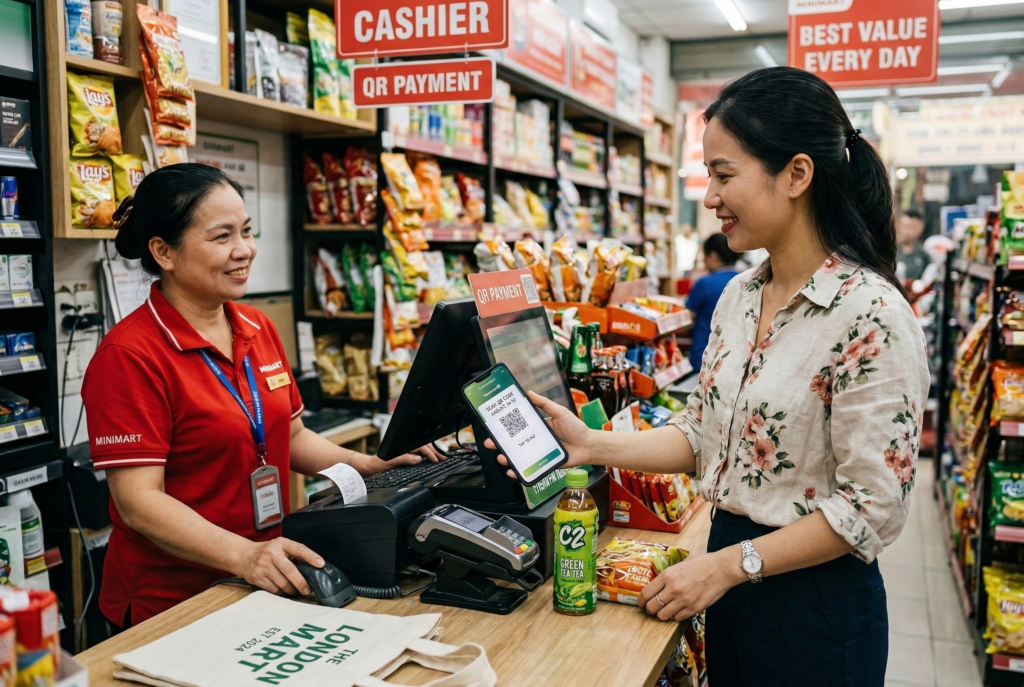
Fintech has expanded because it addresses a real consumer demand for speed, convenience, and control. Many people want digital financial tools that fit into daily life without requiring paperwork, branch visits, or long wait times. Mobile-first financial services meet that demand by allowing users to manage accounts, make payments, and monitor finances from anywhere.
Another reason for fintech growth is that traditional financial systems haven’t always been easy to navigate. High fees, slow approval processes, outdated interfaces, and limited transparency created room for fintech companies to offer simpler alternatives. In many cases, these companies built products around specific financial pain points, such as expensive transfers, delayed payments, or confusing budgeting tools. As digital habits became more common across shopping, communication, and work, financial services naturally moved in the same direction.
How Fintech Is Changing Banking
One of the biggest areas fintech has transformed is banking. Digital account opening, mobile check deposit, account alerts, instant card controls, and automated savings tools have changed what consumers expect from a checking or savings account.
Many fintech-driven banking experiences focus on ease of use. You can often open an account online in a short amount of time, receive notifications immediately after a purchase, and move money between accounts without visiting a branch. Some platforms also offer tools such as spending categorization, savings rules, and real-time balance tracking.
This shift has influenced not only online-first providers but also traditional banks and credit unions. Even institutions with physical branches have had to improve their apps, digital security, and user experience because consumers now expect faster, more intuitive banking tools.
The Impact of Fintech on Payments
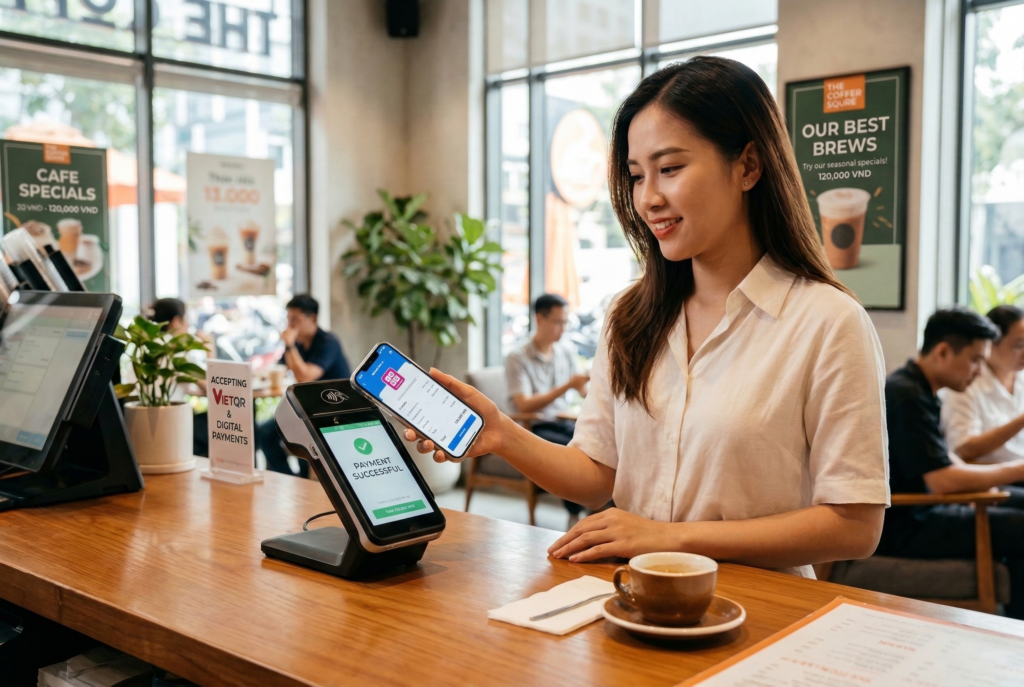
Payments may be the area where fintech feels most visible. Sending money to a friend, tapping a phone to pay at checkout, or using a digital wallet for online shopping has become normal for many consumers.
Fintech has helped make digital payments quicker and more flexible. Peer-to-peer payment apps allow people to split rent, reimburse family members, or pay small service providers in seconds. Mobile wallets make it possible to store card information securely and check out without carrying a physical card. Online payment platforms also help small businesses accept transactions more easily.
For households, this convenience can simplify everyday money transfers. But it also requires caution. Faster payments can mean faster mistakes. Sending money to the wrong person, approving a fraudulent transaction, or relying too heavily on frictionless spending can create problems just as quickly as convenience creates benefits.
Fintech and Personal Finance Management

Personal finance apps have become one of fintech’s most widely used categories. Budgeting apps, savings trackers, debt payoff tools, and credit score monitors are designed to help users understand their finances more clearly.
For many people, the biggest benefit is visibility. Instead of manually reviewing statements from different accounts, users can often see spending, balances, bills, and savings progress in one place. That can make budgeting easier and reduce the guesswork around where money is going each month. Some apps also automate helpful habits. They may round up purchases into savings, remind users about bill due dates, or suggest spending limits based on past behavior. These tools don’t replace sound financial judgment, but they can make awareness and consistency easier to maintain.
How Fintech Is Expanding Access to Credit and Lending

Fintech has also changed borrowing. Online lenders and digital loan platforms have streamlined the application process for personal loans, refinancing, and small business financing. In many cases, borrowers can check rates, submit information, and receive a decision more quickly than through a traditional lender.
This can be helpful for people who value convenience or want to compare options efficiently. Some platforms also use alternative data or updated underwriting models, which may expand access for borrowers who don’t fit older lending patterns. Still, easier access doesn’t always mean better borrowing decisions. Fast approvals can make debt feel less serious than it is. Consumers still need to evaluate interest rates, repayment terms, fees, and whether a loan genuinely supports their financial goals.
Investing Has Become More Accessible Through Fintech
Investment platforms have also become easier to use because of fintech. People can now open brokerage accounts online, buy diversified funds with relatively low barriers to entry, and use automated investing tools that build portfolios based on risk tolerance and time horizon.
This greater access has helped more people participate in investing earlier. Features such as recurring contributions, educational dashboards, and low-minimum accounts make long-term investing feel more approachable than it once did.
At the same time, accessibility can sometimes encourage impulsive behavior. A well-designed app can make investing easy, but it can also make frequent trading feel casual. Long-term financial growth still depends on discipline, diversification, and realistic planning, not just convenient technology.
The Security Side of Fintech
As fintech grows, security becomes even more important. Because these tools often connect directly to bank accounts, cards, credit files, or investment accounts, consumers need to think carefully about data protection and account safety.
Strong fintech platforms typically offer features such as multi-factor authentication, encryption, transaction alerts, and biometric login options. Those tools can improve security, but users also need strong habits. Reusing passwords, clicking suspicious links, or ignoring unusual transactions can undermine even a well-designed platform.
It’s also important to understand who’s handling your money and your data. Some apps provide financial tools without actually holding deposits themselves. Reading terms, understanding account protections, and checking whether a company partners with insured institutions can help reduce confusion and risk.
Where Fintech Helps Most and Where It Falls Short
Fintech is especially useful when it reduces friction in routine financial tasks. It can make saving more automatic, banking more accessible, and spending easier to track. For busy households, these improvements can create meaningful benefits in day-to-day money management.
But fintech isn’t a cure-all. An app can’t fix chronic overspending, eliminate debt on its own, or replace the need for careful decision-making. Some tools may also encourage constant account checking, impulsive transfers, or excessive reliance on convenience. In other cases, flashy features distract from basics such as fees, customer support quality, and product transparency. The best use of fintech is practical rather than emotional. It should support better habits, not complicate them.
How to Choose Fintech Tools Wisely
A good fintech product should solve a clear problem in your financial life. That might mean helping you budget more accurately, earn a better savings yield, send money more easily, or invest consistently.
Before signing up, consider what you actually need. Review fees, transfer limits, security settings, customer support access, and how the platform makes money. If an app connects to your financial accounts, make sure you’re comfortable with the permissions you’re granting and the company’s data practices. It’s also wise to avoid piling on too many tools at once. One or two useful platforms that you understand well are usually more helpful than a long list of apps you barely use.
The Bigger Shift Fintech Represents
Fintech isn’t only changing individual products. It’s reshaping expectations across the entire financial industry. Consumers increasingly expect faster transfers, simpler interfaces, personalized insights, and more control over their money. That pressure has pushed banks, lenders, and investment firms to modernize their own systems.
In that sense, fintech is no longer a niche trend. It’s part of a broader transformation in how financial services are designed, delivered, and experienced. Whether someone uses a major bank app, an online lender, a payment wallet, or a budgeting platform, they’re already interacting with that shift.
Conclusion
Fintech is transforming banking, payments, and personal finance by making financial services faster, more accessible, and more integrated into everyday life. From digital banking tools and mobile payments to budgeting apps, online lending, and investing platforms, financial technology has expanded the ways people manage money and interact with financial products.
Used thoughtfully, fintech can improve convenience, strengthen awareness, and support better financial habits. But the technology works best when paired with clear judgment, strong security habits, and a focus on what truly adds value. Rather than adopting every new app or feature, focus on tools that make managing money simpler, safer, and more effective gradually.
