

Managing your finances effectively requires a clear understanding of the difference between fixed and variable expenses. These two types of costs play a crucial role in how you budget and how much you can save or invest for your future. By learning how to manage both, you’ll be able to build a solid, flexible budget that supports your financial goals. In this article, we’ll dive into the key differences between fixed and variable expenses, provide strategies to manage them, and show you how to optimize your spending for long-term financial success.
What Are Fixed Expenses?
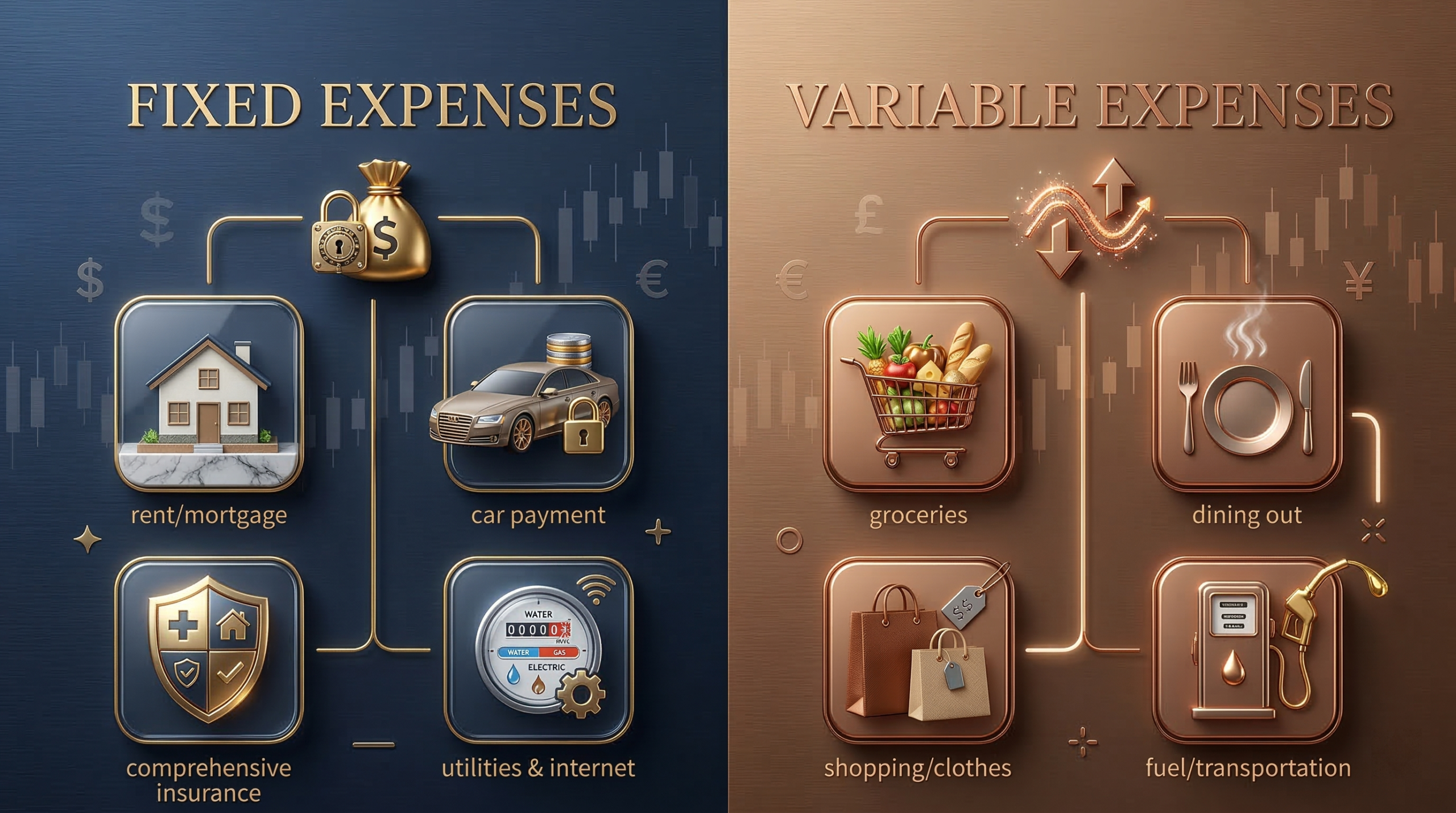
Fixed expenses are those costs that remain the same every month. They’re predictable and usually essential, making them easier to plan for in your budget. Fixed expenses don’t fluctuate based on your lifestyle or spending decisions; they’re required payments that you must make regularly.
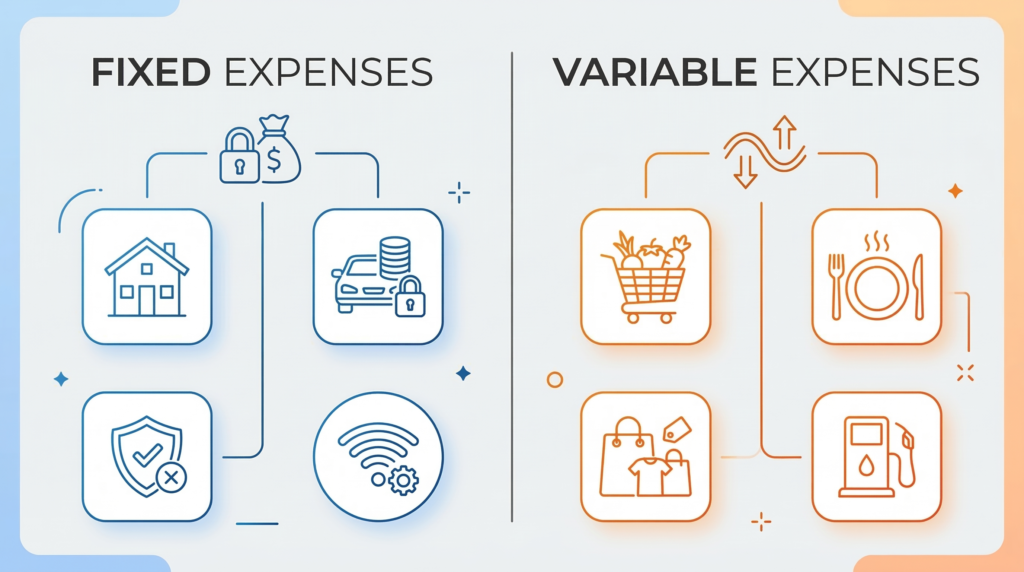
For example, rent or mortgage payments, car payments, insurance premiums, and utility bills (such as internet or phone) are all considered fixed expenses. These costs form the foundation of your budget since they are predictable, and they account for a significant portion of your monthly spending.
The stability of fixed expenses makes them easier to manage because they don’t change month-to-month. However, even with fixed expenses, it’s important to periodically review them to ensure that you’re getting the best deal. For instance, you can negotiate better rates on insurance or refinancing your car loan to lower the monthly payment. By regularly checking and adjusting these costs, you can potentially free up more money for savings or other financial goals.

What Are Variable Expenses?
Variable expenses, on the other hand, fluctuate each month based on your consumption and choices. Unlike fixed expenses, these costs aren’t the same each month and can vary depending on factors such as usage, seasonality, or lifestyle. For instance, groceries, dining out, entertainment, clothing, and transportation are variable expenses because the amount you spend on them changes every month. These costs can be controlled and adjusted based on your decisions, giving you more flexibility in your budget.
While variable expenses give you the opportunity to make adjustments, they also require careful management. Since these costs can add up quickly, especially if you don’t track them, it’s important to keep a close eye on your spending. For example, you might be able to reduce your grocery bill by meal planning, buying in bulk, or cutting back on dining out. Small adjustments to your discretionary spending can lead to significant savings over time.
How to Manage Fixed and Variable Expenses
Once you understand the difference between fixed and variable expenses, the next step is learning how to manage them effectively in your budget. Below are some strategies that can help you take control of both types of costs and ultimately improve your financial health.
1. Using the 50/30/20 Rule for Budgeting
One of the easiest and most effective budgeting methods is the 50/30/20 rule. According to this rule, you should allocate:
- 50% of your income to needs: This includes your fixed expenses, such as rent or mortgage, utilities, car payments, and insurance premiums. These are the essentials you cannot live without.
- 30% to wants: This covers your variable expenses, such as entertainment, dining out, and vacations. While not essential, these are necessary for maintaining a balanced lifestyle.
- 20% to savings and debt repayment: This portion of your income should go toward building an emergency fund, contributing to retirement accounts, or paying off high-interest debt.
The 50/30/20 rule provides a simple framework for budgeting and ensures that you’re balancing essential expenses with long-term savings goals.
2. Tracking Your Spending
Tracking your spending is essential to managing both fixed and variable expenses. It allows you to understand exactly where your money is going and helps you make informed decisions about where to cut back. You can use budgeting apps, spreadsheets, or even pen and paper to record your expenses. Regularly reviewing your spending habits helps you identify patterns, such as overspending on discretionary items, which can be adjusted to save money. By tracking your monthly expenses, you’ll be able to make real-time adjustments and avoid financial surprises.
3. Reducing Variable Expenses
While fixed expenses are often unavoidable, you have more control over your variable expenses. These costs can be reduced by being mindful of your consumption. For example, meal planning can help you save on grocery bills, and limiting entertainment spending can reduce your monthly outgoings. Another tip is to minimize discretionary purchases, such as unnecessary shopping or last-minute online orders. By keeping track of these costs and cutting back on non-essentials, you can save a significant portion of your income without sacrificing your quality of life.
4. Negotiating Fixed Expenses
Although fixed expenses are more rigid, there are still opportunities to reduce them. For instance, you can negotiate with your insurance provider for lower premiums, switch to a more affordable phone plan, or refinance a mortgage to secure a better interest rate. Even fixed costs like subscriptions can be revisited and reduced. Cancelling subscriptions you no longer use or downgrading to a less expensive service can free up more money for savings or other financial goals.
5. Build and Maintain an Emergency Fund

Both fixed and variable expenses can be unpredictable, especially when unexpected events arise, such as job loss, medical emergencies, or car repairs. An emergency fund can help you weather these challenges without derailing your budget. Aim to save at least 3-6 months of living expenses to cover any unforeseen financial burdens.
The Benefits of Managing Fixed and Variable Expenses
Effectively managing your fixed and variable expenses can lead to several long-term financial benefits, including:
- Improved cash flow management: By understanding and controlling both types of expenses, you can make better decisions about where to allocate your money.
- Increased savings: Managing variable expenses allows you to reduce wasteful spending and save more for future goals, like buying a home or retiring comfortably.
- Financial security: Keeping fixed costs in check and reducing variable expenses can improve your overall financial stability, helping you prepare for the future with confidence.
Conclusion: Mastering Your Finances Through Smart Expense Management
Effectively managing both fixed and variable expenses is key to building a strong financial foundation.
By understanding the differences between these two types of expenses, using budgeting methods like the 50/30/20 rule, and tracking your spending habits, you can create a budget that supports both your short-term and long-term financial goals. Additionally, reducing unnecessary spending and negotiating fixed costs gives you the flexibility to save more and improve your financial security.
Mastering your finances starts with controlling the money you spend, and by implementing these strategies, you can take meaningful steps toward achieving your financial goals, reducing stress, and building wealth over time.
