

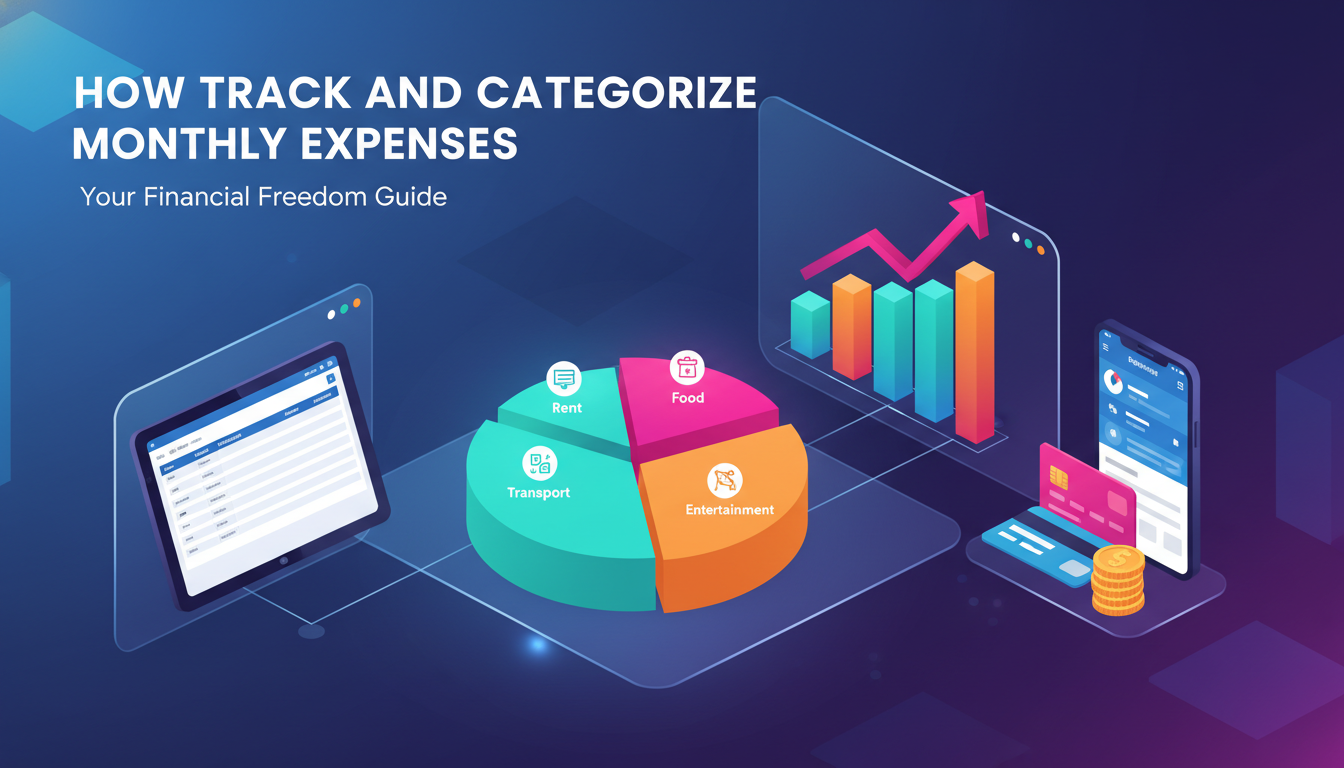
Understanding where your money goes each month is the foundation of effective budgeting. Many people underestimate the importance of tracking expenses, assuming a general awareness of income and bills is enough. However, without a clear picture of your spending patterns, it’s easy to overspend, fall behind on savings, or miss opportunities to optimize your finances. Tracking and categorizing your monthly expenses allows you to see exactly how your money flows, empowering you to make informed decisions and reduce unnecessary spending.
Why Tracking Expenses Matters
When you don’t track expenses, it’s easy for money to slip through the cracks on recurring small purchases like coffee runs, subscription services, or online shopping. Over time, these add up to hundreds or even thousands of dollars lost each year. Tracking expenses provides clarity. It shows you where you might be overspending, highlights areas to adjust, and gives you the confidence to make intentional financial decisions. Beyond cutting costs, this practice allows you to allocate funds to priorities, whether that’s paying down debt, building an emergency fund, or saving for a down payment.
Tracking also helps manage irregular or variable income. For freelancers, gig workers, and commission-based employees, income fluctuates month to month. By maintaining an ongoing record of both income and expenses, you can prepare for leaner months and avoid overspending during high-earning periods. This helps stabilize your financial health and prevents the stress that comes from unexpected shortfalls.
Step 1: Calculate Your Monthly Net Income

Before you can analyze spending, you need to know exactly how much money is coming in each month. Your net income, what remains after taxes, retirement contributions, and other deductions, is the amount you have available for expenses. For freelancers or individuals with variable income, average past earnings over several months can provide a baseline. Knowing your precise monthly income allows you to allocate funds intentionally to savings, debt repayment, and day-to-day expenses, which is essential for creating a functional budget.
Step 2: Categorize Your Expenses for Maximum Insight
Once you know your net income, gather all account statements, credit card statements, and receipts from the month. Organize your spending into categories to better understand where your money is going. Start by separating fixed expenses, like rent, mortgage, and utilities, from variable expenses, including groceries, transportation, and entertainment. For more granular insight, you can also classify expenses as needs, wants, and savings/debt contributions, following the popular 50/30/20 budgeting framework.
For instance, a typical month might look like this: $1,500 for rent, $300 for groceries, $100 for streaming services, $200 for dining out, and $250 for savings contributions. Categorizing these expenses makes it easy to see that non-essential items, such as dining out and streaming, comprise a significant portion of spending, offering clear areas to optimize.
Step 3: Choose the Right Tools and Systems

There are numerous ways to track expenses, ranging from manual spreadsheets to apps and software. Manual tracking allows complete control and personalization, but it can be time-consuming.
Digital tools, such as Mint, YNAB (You Need a Budget), Personal Capital, or simple bank-linked budgeting apps, automate the process and provide real-time insights. Some apps categorize spending automatically, alert you when you exceed set limits, and generate charts that highlight trends over time. For households with multiple income streams or complex spending patterns, these tools reduce errors and simplify the process.
Even within digital tools, the key is consistency. Pick a system that matches your lifestyle and stick with it. Weekly reviews of your transactions ensure nothing is missed and allow you to make adjustments before small overspending habits become big financial leaks.
Step 4: Set a Regular Tracking Rhythm

Consistency is crucial. Tracking expenses once a month is better than not at all, but weekly reviews provide a clearer picture and allow quicker adjustments before small oversights grow into larger financial problems. For couples or shared households, coordinating tracking ensures both parties are aligned on spending habits and budget goals. Consider setting up a recurring weekly reminder to input transactions or review spending, making it part of your routine just like checking your email or paying bills.
Step 5: Monitor, Adjust, and Optimize
Tracking isn’t a one-time task. After a month of logging expenses, review patterns to identify potential savings. For example, if dining out or subscriptions consistently exceed your planned budget, you can decide to cut back, switch to a cheaper option, or reallocate funds.
Monitoring also allows you to catch irregular charges or double payments, avoid late fees, and ensure automatic payments are correct. Over time, these small adjustments can accumulate into significant savings, helping you achieve goals like building an emergency fund, paying off debt faster, or increasing retirement contributions.
For example, if your data shows $150 monthly spent on premium coffee, consider making coffee at home or limiting visits to weekends. That simple adjustment can save $1,200 a year, which could be redirected to an emergency fund or investment account.
Incorporate Savings and Debt Goals
Monthly expense tracking becomes truly effective when paired with savings and debt repayment goals. Allocate a portion of your income to high-priority goals first, and then use the remaining budget for necessary and discretionary expenses. This method ensures that you’re always moving forward financially, even if minor adjustments are needed in daily spending. Setting concrete goals, like $200 per month toward a savings account or $150 toward student loan repayment, helps measure progress and provides motivation.
Stay Flexible and Reassess Regularly
Life changes, and so do financial circumstances. New bills, changes in income, or unexpected expenses require flexibility. Reassess your budget monthly or quarterly, using tracked data to make informed adjustments. Over time, you’ll develop a more accurate understanding of your spending habits, enabling you to plan strategically and avoid financial stress.

Practical Tips for Smart Tracking
Start by logging every dollar spent, including coffee runs, small online purchases, and tips. Many people overlook these small expenses, which can make a noticeable difference over a month. Consider using category-specific tags in apps to identify trends, such as recurring subscription costs or seasonal spending spikes. For variable-income earners, track fluctuations carefully, noting months with higher income to increase savings contributions or prepay debts. Reviewing past months can help forecast future budgets more accurately.
Benefits of Consistent Expense Tracking
Maintaining a regular expense-tracking habit leads to greater financial awareness, enabling you to distinguish between essential and discretionary spending. You can make data-driven decisions, anticipate cash flow needs, and adjust spending before financial stress occurs. Additionally, tracking helps with goal-oriented savings, such as funding an emergency account, saving for a vacation, or managing tuition payments. It creates accountability, which is particularly valuable for households managing multiple accounts or joint finances.
Final Thoughts: Make Tracking a Habit
Tracking and categorizing monthly expenses is a simple yet powerful practice that gives you control over your finances. It provides actionable insights, highlights opportunities for savings, and ensures your spending aligns with your long-term goals. By adopting the habit of consistent expense tracking, analyzing patterns, and making adjustments, you can reduce unnecessary costs, build wealth, and achieve financial peace of mind. Whether you are salaried, freelance, or managing multiple income streams, a well-maintained expense tracking system will empower you to make smarter, intentional choices with every dollar.
