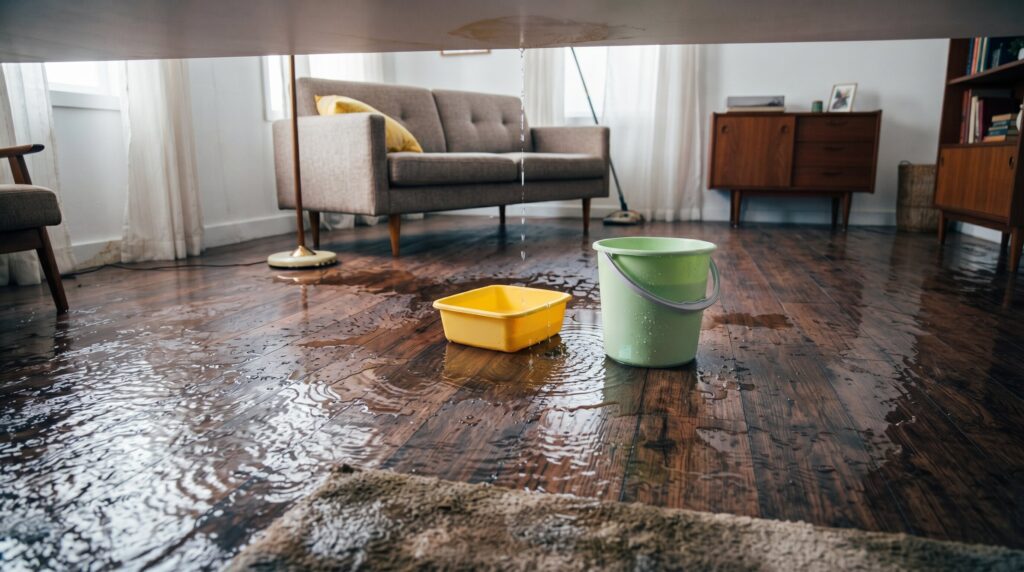
You come home, open the door, and your socks are wet before you even see why. Water is pooling near the bathtub, spreading toward the hallway, and it doesn’t smell like clean water. Your first thought is probably not “what’s the source of this water,” but according to insurance adjusters, that’s the only question that actually matters.
Water backup coverage renters insurance isn’t automatically included in most standard renters policies. That is a painful surprise. If sewage backup pushes dirty water through your toilet, bathtub, floor drain, or sink and ruins your furniture, clothing, electronics, or rugs, your basic renters insurance may deny the claim unless you added a water backup coverage endorsement.
This matters because renters often assume water damage means all water damage. It doesn’t. A sudden burst pipe or a roof leak caused by a covered peril may be covered, while natural floodwater, sewer backup, sump pump overflow, gradual leaks, and poor maintenance are often excluded. The most important question isn’t just “Did water damage my stuff?” It’s “Where did the water come from?” The source of the water often determines whether your renters insurance claim is approved or denied.
The 3 Water Traps That Lead to Claim Denial
Trap 1: The Basement Flooding Illusion
Many renters assume that any water entering a basement counts as flooding, but insurance companies often make important distinctions. That confusion is one reason coverage disputes are so common. Insurance companies usually define flood as outside water that rises or enters from the ground, storm runoff, overflowing rivers, heavy rain, or surface water. Standard renters insurance usually doesn’t cover that kind of flood.
But if the basement is wet because a water heater burst or a pipe suddenly broke inside the building, your personal belongings may be covered under renters insurance, subject to your deductible and policy limits. So the same basement can produce two very different outcomes. A burst pipe ruining your boxes may be covered. Stormwater rising through the basement door may be denied unless you have renters insurance with flood coverage through a separate policy or endorsement where available.
Real-world example: A renter in a Chicago walk-up building learned this the hard way. During a heavy summer storm, a shared building drain backed up while a pipe upstairs also burst at the same time. Her insurer covered the damage from the burst pipe but denied the portion of the claim tied to the backed-up drain, because she hadn’t added a water backup endorsement. Same storm, same night, two different checks written for two different reasons.
If your building has a basement, older plumbing, or known flood exposure in your area, ask specifically whether your policy or a separate flood policy covers surface water intrusion. Standard renters insurance usually won’t.
Trap 2: The Sewage Backup Surprise
Sewage backup is one of the worst water losses because it isn’t just wet. It’s contaminated. It may require professional cleanup, sanitation, disposal of damaged belongings, and temporary relocation. Unfortunately, a standard renters policy often excludes sewer or drain backup unless you bought water backup coverage. This endorsement may help pay for damaged belongings, cleanup, and sometimes loss of use if the apartment becomes unlivable after a covered backup.
For many renters, the cost of adding water backup coverage is modest compared with the risk. Depending on location, coverage amount, and insurer, it may cost around $50 to $250 per year. That small endorsement can matter a lot if an old apartment building has aging pipes, tree root intrusion, shared drains, or repeated backups.
Trap 3: The Silent Leak Problem
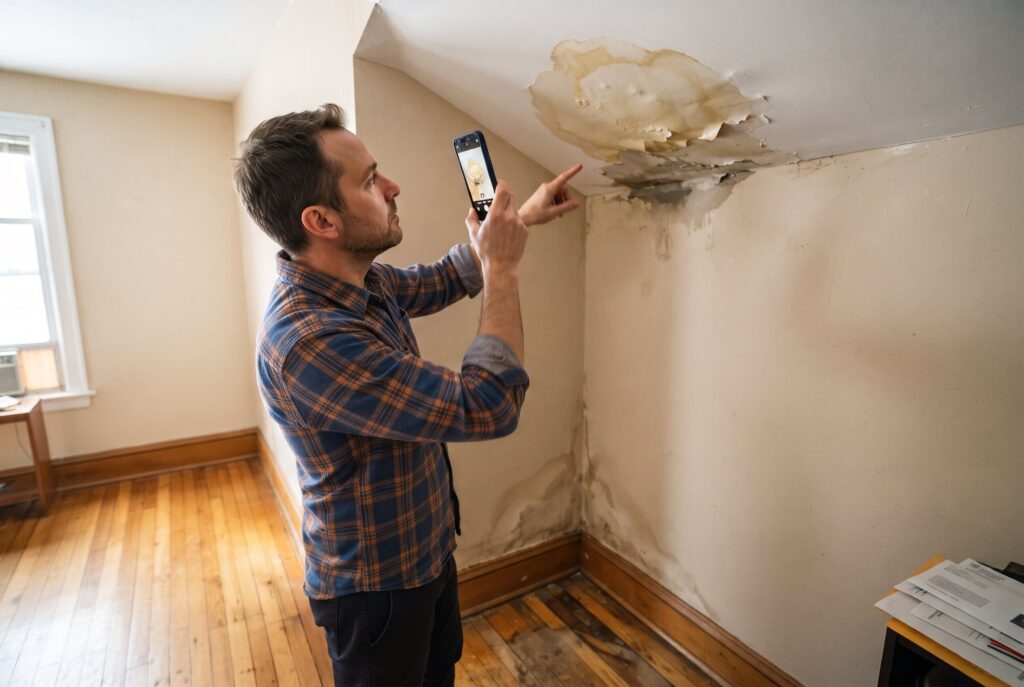
Renters insurance usually covers sudden and accidental damage, not slow damage that could have been prevented. If a pipe bursts overnight and soaks your laptop, that is a sudden event. If a sink cabinet leaks slowly for six months and mold spreads because no one reported it, the claim may be denied as gradual damage, neglect, or poor maintenance. This is why reporting matters. If you notice a drip, stain, soft floor, musty odor, or bubbling paint, tell your landlord in writing immediately. A text or email creates a record that you didn’t ignore the problem. Waiting can make the insurer argue that the damage wasn’t sudden or that you failed to prevent further loss.
Does Renters Insurance Cover Mold Damage?
Does renters insurance cover mold damage? It can, but only in certain situations. If mold develops after a sudden water incident your policy covers, such as a burst pipe, your insurer may pay for the damage. Mold linked to humidity, poor ventilation, long-term leaks, or neglect is usually excluded. If mold appears, document the damage with photos and videos, dry the area quickly, and notify your landlord and insurer before disposing of damaged items whenever possible.
How to Add Water Backup Coverage: 3 Steps
Knowing you need this coverage doesn’t help much if you don’t know how to actually get it. Here’s the short version:
- Call your current insurer or log into your account and ask specifically for the “water backup and sump discharge endorsement.” It’s sometimes bundled under a slightly different name, so use that exact phrase – generic requests for “more water coverage” can get you routed to the wrong add-on.
- Compare the sublimit offered against what you’d actually lose. If the standard $5,000 option feels low relative to your furniture, electronics, or a finished basement setup, ask about higher tiers, many insurers offer $10,000 or more for a modest premium increase.
- Confirm the deductible structure. Some insurers apply your standard policy deductible to a backup claim; others attach a separate deductible specific to the endorsement. Get this in writing before you need to file a claim, not after.
The whole process usually takes one phone call or a few minutes in your insurer’s app. It’s one of the lowest-effort, highest-impact changes you can make to a renters policy.
Your 24 Hour Emergency Protocol
The first 24 hours can make or break your claim.
- First, stop the water if it’s safe. Shut off valves if you know how, but don’t touch contaminated water or electrical hazards.
- Second, notify your landlord or property manager in writing.
- Third, take wide videos, close up photos, and itemized notes before moving anything.
- Fourth, call your renters insurance company and ask whether the cause appears covered.
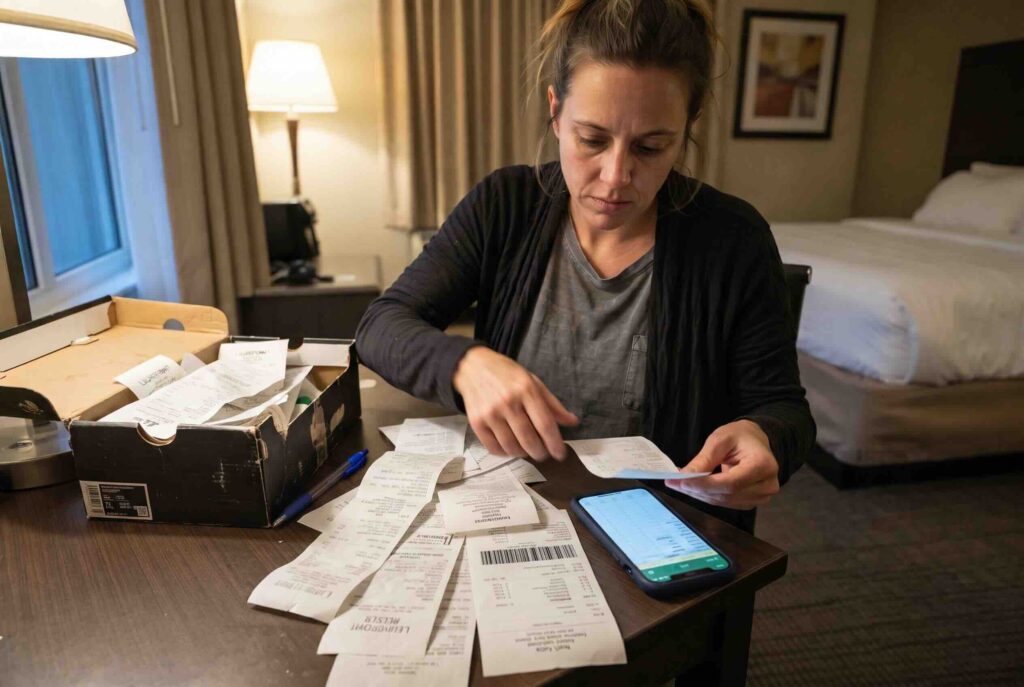
- Fifth, keep receipts for temporary housing, cleaning supplies, laundry, storage, and emergency purchases.
Don’t rush to throw away damaged belongings. If you must discard something for health reasons, photograph it from multiple angles first. Save receipts, serial numbers, purchase records, and repair estimates.
Frequently Asked Questions
Is Water Backup Coverage Worth It for Renters?
For most renters, yes. It’s especially valuable if you live on a ground-floor or basement-level unit, your building has older or shared plumbing, or your area has a history of sewer backups. At roughly $50 to $250 per year, the cost is relatively low compared to the potential expense of replacing furniture, electronics, and other belongings after a single backup event.
How Much Does Water Backup Coverage Cost?
Water backup coverage typically costs between $50 and $250 per year, depending on your insurance company, location, coverage limit, and deductible. Since premiums vary by insurer and can change over time, it’s best to request a personalized quote before adding the endorsement to your policy.
Does Water Backup Coverage Vary by State?
Yes. Coverage availability, flood risk, insurance regulations, and policy options can vary by state. If you rent in a flood-prone area, such as Florida, Louisiana, or other coastal regions, review your policy carefully and ask your insurer whether additional water backup or flood coverage is recommended.
Conclusion
Water damage renters insurance claims are denied most often because the water source is excluded, the damage happened gradually, or the renter didn’t buy the needed endorsement. A standard policy may cover sudden pipe bursts, accidental overflows, and some appliance leaks. It usually doesn’t cover natural flooding, sewage backup, sump pump overflow, slow leaks, or neglect.
If your apartment has a basement, old plumbing, shared drains, or flood exposure, review your policy today. Add water backup coverage if available, consider separate flood coverage if needed, and document your belongings before disaster happens. The claim you can prove is the claim with the best chance of being paid.