


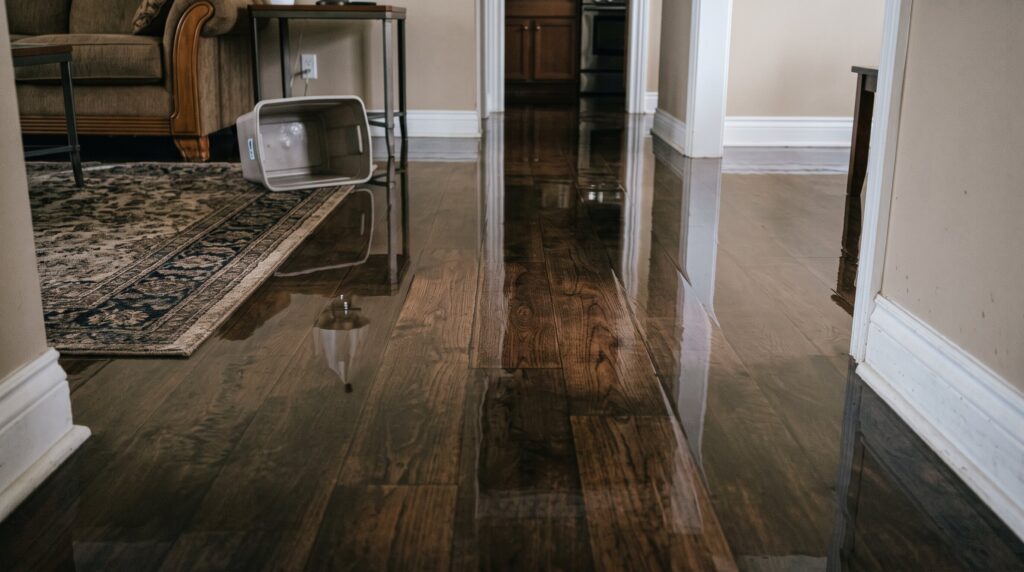
You watch the forecast cone shift for three days, then the storm makes landfall. Wind shatters a window and soaks your bedroom. Down the hall, storm surge pushes water through the front door. Same storm, same night, but only one of those losses is likely to be covered.
Hurricane damage isn’t automatically covered by renters insurance. What matters is the cause of the damage, not the storm itself. Wind, hail, or rain that enters after hurricane winds break a window may be covered. Flooding from storm surge, overflowing rivers, or rising groundwater is typically excluded unless you have separate flood insurance.
The question “does renters insurance cover hurricanes” doesn’t have a simple yes or no answer, because a single hurricane can cause several different types of damage, and each one is treated differently by an insurance policy.
The Trap: Does Renters Insurance Cover Flooding During a Hurricane?
It’s easy to assume that renters insurance covers all hurricane damage. In reality, what’s covered depends on whether the loss was caused by wind, flooding, or another covered peril. Imagine hurricane winds break your apartment window. Rain blows inside and ruins your laptop, clothes, and mattress. Because the opening was caused by wind, your renters policy may treat the damage as wind driven rain and cover your personal belongings, subject to your deductible and policy limits.
Now imagine a storm surge pushes seawater through the front door and floods the same apartment. Even if the same hurricane caused it, the damage is now considered flood damage. Standard renters insurance usually denies this kind of claim. That is why the phrase hurricane damage is too vague. You need to identify whether the loss came from windstorm damage, falling objects, hail, fire, lightning, wind driven rain, natural flooding, sewer backup, or power outage. Each cause can lead to a different claim outcome.
A renter in Tampa filed two separate claims after the same storm. One was for a shattered window and the rain soaked bedroom furniture behind it. The other was for water that rose through the building’s ground floor entrance during storm surge, in the same twelve hour window. The first claim was approved under her standard policy. The second was denied outright, because she hadn’t purchased separate flood coverage, even though both losses happened during the exact same storm.
What Renters Insurance Hurricane Coverage May Pay For
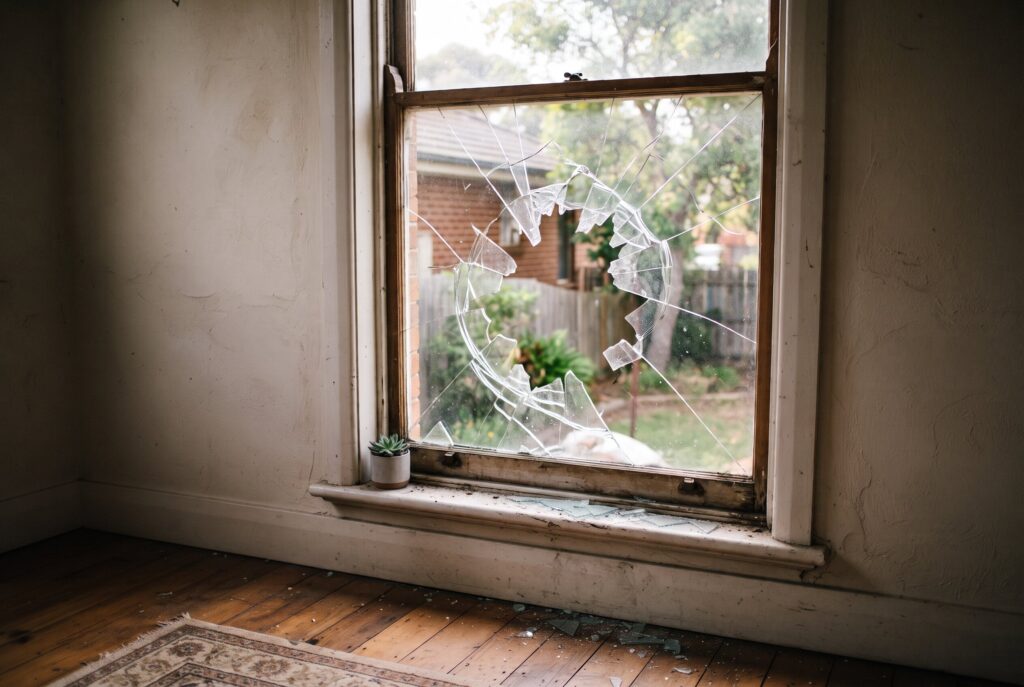
A standard renters policy usually protects personal property, not the building. If hurricane winds send a tree branch through your window and destroy your TV, furniture, clothing, or electronics, your policy may help replace those belongings. It may also cover damage from falling objects, such as a tree limb crashing through the roof and damaging your bedroom contents. Hail damage may be covered if it affects your personal belongings after entering through a storm damaged opening. Fire and lightning are also commonly covered perils. If a hurricane related lightning strike causes a fire that damages your possessions, renters insurance may respond.
What Standard Renters Insurance Usually Doesn’t Cover
Standard renters insurance usually doesn’t cover natural flooding. This includes storm surge, overflowing rivers, tidal water, surface water, and heavy rain that enters from the ground. It also may not cover sewer backup unless you added water backup coverage. If hurricane rain overwhelms the drainage system and sewage backs up into your bathroom, that may be excluded under a basic policy.
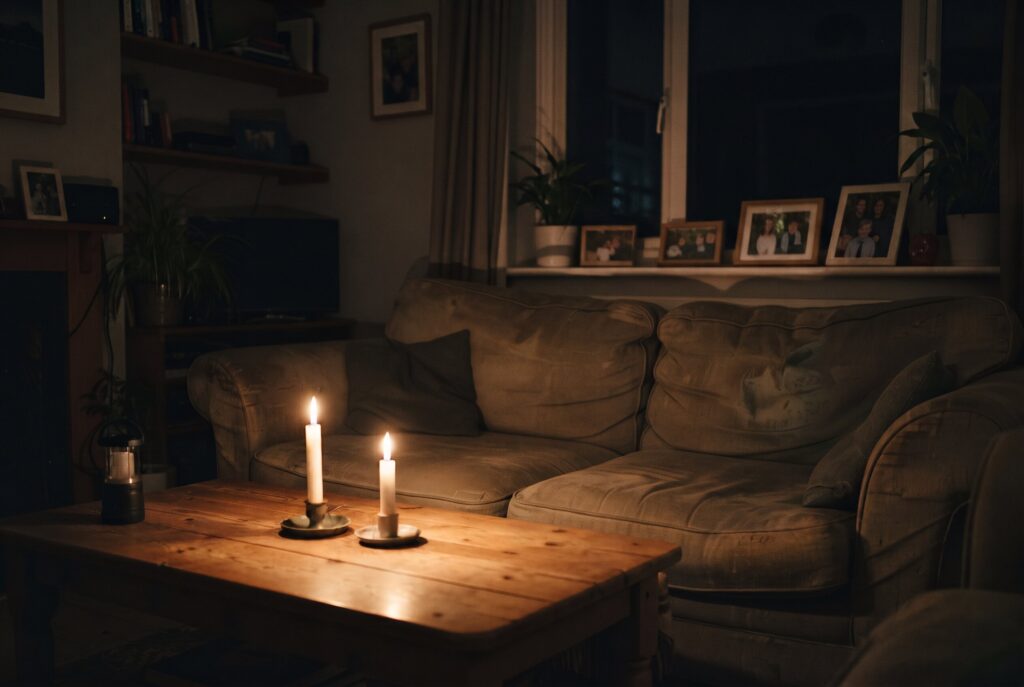
Power outages can be tricky too. If food spoils because the power goes out across the neighborhood, coverage may be limited or excluded depending on the policy. If a covered event damages the building’s electrical system directly, the claim may be treated differently. Negligence can also lead to denial. If you left windows open during a storm or failed to protect belongings after being warned, the insurer may argue that the damage could have been prevented.
But remember the building itself is usually the landlord’s responsibility. Your renters policy doesn’t repair the roof, exterior walls, windows, flooring, or structural damage. It protects what you own inside the rental.
The Solution: NFIP and Renters Insurance With Flood Coverage
Renters insurance with flood coverage usually means a separate contents only flood policy. This can come through the National Flood Insurance Program, also called NFIP, or through a private flood insurer. A renters flood policy protects your personal belongings from flood damage. It doesn’t insure the landlord’s building. That isn’t your responsibility as a renter. Your goal is to protect your furniture, clothes, electronics, appliances you own, books, tools, and other personal property.
NFIP renters flood insurance may offer contents only protection, but don’t assume you can buy it the day before landfall. NFIP policies commonly have a 30 day waiting period before coverage begins. Private flood insurance may have different rules, but waiting until a storm is in the forecast is still risky. If you live in a first floor apartment, basement unit, coastal area, or flood prone city, flood insurance for renters may be one of the most important policies you can buy.
The Loss of Use Lifeline
Loss of use coverage, also called additional living expenses, can help if your rental becomes unlivable after a covered hurricane related event. It may pay for a hotel, temporary rental, meals, laundry, storage, pet boarding, or extra transportation costs. But the cause still matters. If windstorm damage makes the building unsafe, loss of use may apply. If floodwater makes the apartment unlivable and you don’t have flood coverage, your standard renters policy may deny the extra living expense claim too. Before booking a hotel, call your insurer. Ask whether the loss appears covered, what daily limits apply, and what receipts you need. Keep every receipt because reimbursement usually depends on documentation.
The Coastal Renter’s Windstorm Rider Reality
In some coastal areas, especially hurricane exposed states, windstorm damage may be limited or excluded from certain policies. That means even wind damage may not be fully protected unless you buy a windstorm rider or separate wind coverage.
Check your declarations page for phrases like windstorm exclusion, hurricane deductible, named storm deductible, or separate wind deductible. These details can change how much you pay out of pocket after a storm. Also review whether your policy pays actual cash value or replacement cost. Actual cash value subtracts depreciation. Replacement cost can help you buy new comparable items after a covered loss. For hurricane prone renters, replacement cost coverage can make recovery much easier.
What To Do Before Hurricane Season
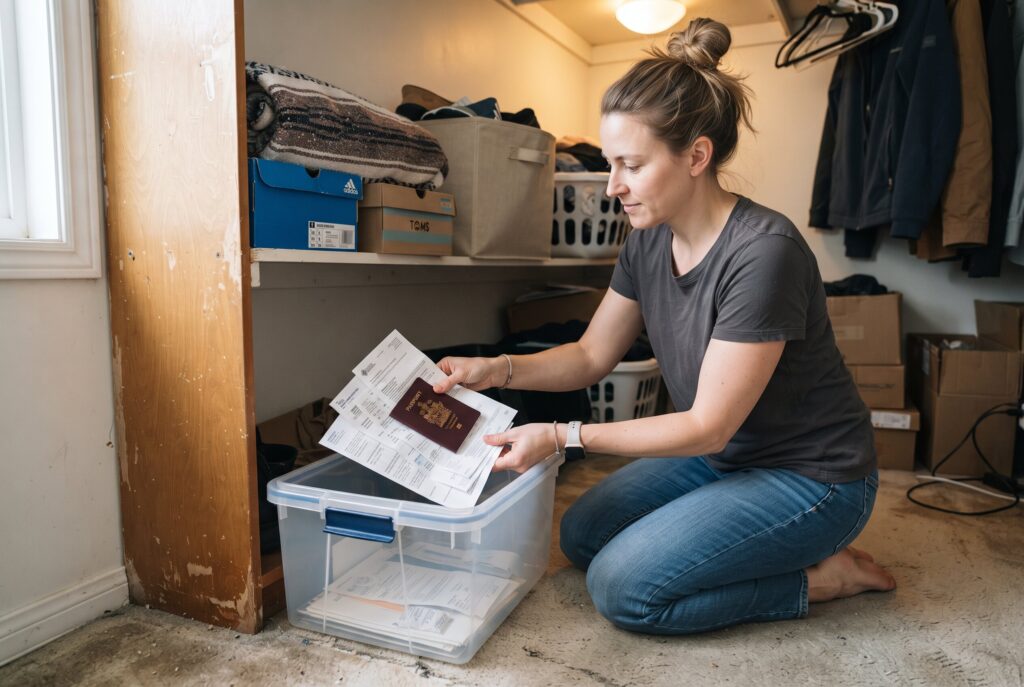
- Start with a home inventory. Walk through every room and record video of your belongings. Open closets, drawers, cabinets, and storage bins while you’re at it. Save serial numbers, receipts, and photos somewhere in cloud storage, not just on a device that could be damaged.
- Raise vulnerable items off the floor. This matters most in first floor apartments and storage areas. Keep important documents in a waterproof container as a simple extra layer of protection.
- Review your coverage before you need it, not after. Confirm your personal property limit, deductible, loss of use limit, flood coverage, windstorm rules, and water backup endorsement. Don’t guess at any of this. Ask your agent direct questions and get the answers in writing.
Frequently Asked Questions
Do I Need Flood Insurance as a Renter?
If you live in a first-floor or basement apartment, a coastal area, or a flood-prone city, it’s worth strongly considering. Standard renters insurance almost never covers flood damage, so a separate flood insurance policy is typically the only way to protect your belongings from this risk.
How Much Does Renters Flood Insurance Cost?
Renters flood insurance typically costs between $100 and $600 per year, depending on your flood zone, elevation, location, and the amount of coverage you choose.
Does Renters Insurance Cover Evacuation Costs?
Sometimes, but only in limited situations. A mandatory evacuation order alone usually isn’t enough. In most cases, your rental must suffer covered damage that makes it uninhabitable before additional living expenses (ALE) or evacuation-related costs apply.
What Is the Difference Between a Standard Deductible and a Hurricane Deductible?
A standard deductible is a fixed dollar amount, such as $500 or $1,000. A hurricane deductible or named storm deductible is usually a percentage of your coverage limit, often between 1% and 5%, which can result in much higher out-of-pocket costs after a covered storm.
Conclusion
Does renters insurance cover flooding and hurricanes? It covers some hurricane damage, but not all of it. Wind damage, hail, falling objects, fire, lightning, and wind driven rain may be covered. Natural flooding, storm surge, and rising water usually require separate flood insurance for renters.
The smartest renter doesn’t wait for a forecast cone. Review your policy now, buy flood coverage early if you need it, check for windstorm exclusions, document your belongings, and understand your loss of use coverage. In hurricane season, the difference between paid and denied often comes down to one question: was it wind, or was it water?

