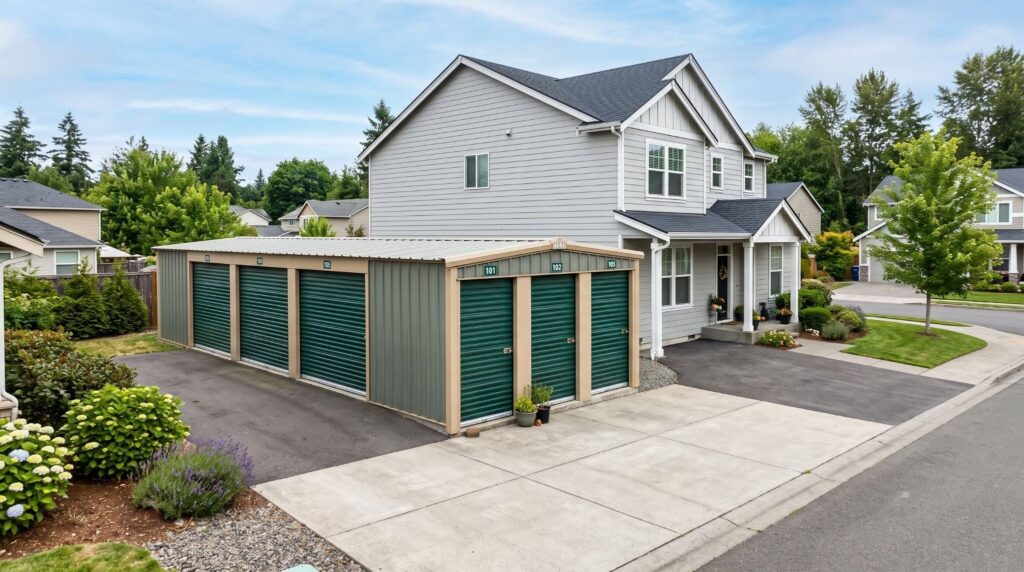
You rent a small unit to store furniture during a move, assume your renters policy already has it handled, and never actually check the fine print. That’s usually where the surprise starts.
Does renters insurance cover storage units? Usually, yes. Most renters insurance policies include off premises coverage, which may protect belongings kept in a storage unit. However, coverage is typically limited to about 10% of your personal property coverage, sometimes called Coverage C, or a fixed dollar amount, depending on the policy. Fire, theft, and vandalism are often covered, while floods, earthquakes, mold, pests, and poor storage conditions are usually excluded. Before relying on your policy, review its coverage limit, deductible, and exclusions directly.
How Off Premises Coverage Works
Off-premises coverage is the part of renters insurance that follows your belongings outside your rental home. It can apply when your laptop is stolen from your car, luggage is stolen while traveling, or furniture is damaged in a storage unit after a covered event. Your policy isn’t tied only to your apartment walls. It protects your personal property in different places, but with stricter limits.
For example, say you have $40,000 in personal property coverage and your policy gives 10% off premises protection. That means the most you may receive for storage unit belongings is $4,000 before considering your deductible. If your deductible is $500, your practical maximum payout may be closer to $3,500. That is why the question isn’t only does my renters insurance cover storage unit belongings. The better question is: how much coverage do I actually have after the cap and deductible?
Covered vs. Excluded Perils in a Storage Unit
| TYPE OF DAMAGE | TYPICAL COVERAGE | WHAT TO KNOW |
| Fire or smoke | Usually covered | Personal belongings damaged by a fire at the storage facility may be covered. |
| Theft | Usually covered | Coverage may apply if someone breaks into your unit, especially when there is evidence of forced entry. |
| Vandalism | Usually covered | Damage caused by vandals if often covered under a standard renters policy. |
| Lightning or windstorm | Usually covered | Covered if these perils are included in your policy. |
| Sudden internal water damage | May be covered | Damage from a burst pipe or other sudden internal water source may be covered. |
| Flooding | Usually not covered | Damage from storm surge, overflowing rivers, or surface water generally requires separate flood insurance. |
| Earthquakes | Usually not covered | Earthquake damage is commonly excluded from standard renters insurance. |
| Mold and mildew | Usually not covered | Insurers often consider mold a maintenance or moisture issue rather than a covered peril. |
| Pest damage | Usually not covered | Damage caused by mice, insects, or other pests is typically excluded. |
The key difference is that renters insurance is meant to cover sudden, unexpected events rather than damage that develops over time. Even with insurance, choosing a clean, dry, and well-maintained storage unit is one of the best ways to protect your belongings.
A renter in Denver used a storage unit during an apartment move and had about $600 in tools and electronics stolen after a break in. Her renters policy did cover the loss, but the actual payout landed under $500 once her $250 deductible was subtracted. It was a reminder that the math tends to shrink a payout more than people expect going in, even when a claim is approved without any dispute.
Renters Policy vs. Storage Unit Insurance
Many facilities offer or require storage unit insurance. This can feel like an annoying upsell, but sometimes it fills a real gap. The storage facility’s insurance usually protects the building, not your belongings. If the roof, gates, hallways, or office are damaged, that is their concern. Your sofa, TV, mattress, tools, and boxes are usually your responsibility. If someone cuts your lock and steals your belongings, the facility may not automatically pay unless they were clearly negligent and legally responsible.
If your renters insurance coverage is high enough and the facility accepts it, you may be able to use your current policy as proof of insurance. That can help you avoid paying for duplicate storage facility coverage. But if your belongings are worth far more than your 10% off premises cap, separate storage unit insurance may be smart. It may also be worth considering if the facility requires a higher limit than your renters policy provides.
The Valuables Trap: Jewelry, Electronics, and Collectibles
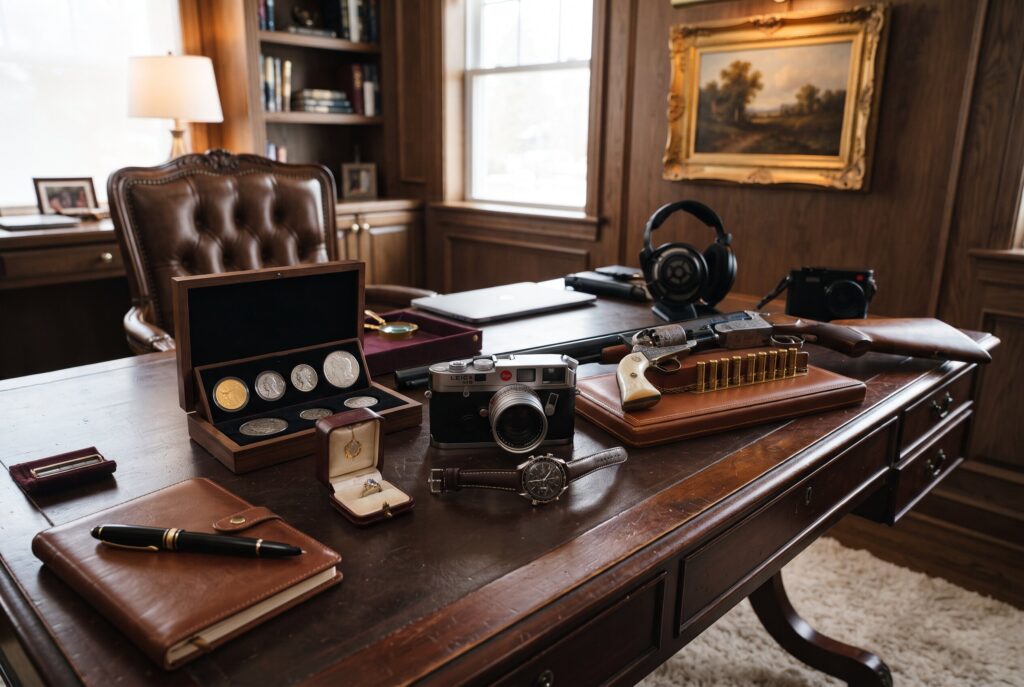
Storage units are risky places for valuables. Even if your policy covers storage units, high value categories often have sub limits. Jewelry, watches, coins, firearms, cameras, musical instruments, fine art, collectibles, and expensive electronics may have strict payout caps. A policy might provide thousands of dollars in personal property coverage but only $1,500 for jewelry theft, depending on the terms.
If you plan to store valuables, ask your insurer about riders or endorsements. These add scheduled protection for specific items, usually with appraisals or receipts. Better yet, don’t store irreplaceable or high value items in a storage unit unless you truly have to. Important documents, heirlooms, cash, rare collectibles, and expensive jewelry are safer in a secure home safe, bank safe deposit box, or another protected location.
Should You Buy Storage Facility Insurance?
Buy extra storage unit insurance if your stored belongings exceed your renters policy limit, your facility requires it, your renters policy excludes storage units, or you’re storing valuable items that need higher limits. You may not need it if your storage unit contains low value items, your renters policy provides enough coverage, and the facility accepts your proof of insurance. Before buying, compare the details. Look at the monthly cost, deductible, maximum limit, covered causes of loss, exclusions, claim process, and whether the policy pays actual cash value or replacement cost. A cheap storage policy isn’t helpful if it excludes the risks you actually face.
4 Steps to Secure Your Unit
- First, calculate the cap. Take your personal property coverage and multiply it by 10% if that is how your policy works. Then subtract your deductible. That is closer to your real claim value.
- Second, create an inventory before closing the unit door. Take photos and videos of every box, label containers, save receipts, and keep a list in cloud storage.
- Third, choose the unit carefully. Climate controlled storage can reduce mold and mildew risk. Indoor units may be safer than outdoor drive up units. Look for cameras, gated access, strong lighting, clean hallways, water intrusion prevention, and good lock rules.
- Fourth, don’t store what insurance won’t truly replace. Cash, passports, jewelry, rare collectibles, and sentimental items deserve stronger protection than a storage unit.
Renters insurance can protect storage unit belongings, but it isn’t unlimited. The 10% cap, deductible, exclusions, and valuables sub limits can shrink your payout quickly. Know the numbers before you store the boxes, not after something goes missing.
Frequently Asked Questions
Do I need separate insurance for a storage unit?
Not always. If your renters insurance provides enough off-premises coverage for the belongings in your storage unit, you may not need a separate policy. However, if the value of your stored items exceeds your policy limit or includes high-value belongings with special sublimits, additional storage unit insurance may be worthwhile.
Does renters insurance cover theft from a storage unit?
Usually, yes. Renters insurance often covers theft from a storage unit, especially when there is clear evidence of forced entry, such as a broken lock or damaged door. Report the theft to both the storage facility and your insurer as soon as possible.
How much storage unit insurance do I need?
You should have enough coverage to replace the actual value of everything in your storage unit after considering your off-premises coverage limit, deductible, and any sublimits for valuables. Calculate the total value of your stored belongings to determine whether you need additional protection.
Conclusion
Renters insurance can cover belongings stored in a storage unit, but the protection is often more limited than many renters expect. Before relying on your policy, confirm your off-premises coverage limit, deductible, and any sublimits for valuables. If the value of your stored items exceeds your policy’s protection, consider additional storage unit insurance or reduce what you keep in storage. Spending a few minutes reviewing your coverage now is much easier than discovering a gap after a theft, fire, or other covered loss.