



Saving money feels trickier than ever with prices climbing, unexpected bills popping up, and endless subscription fees. Modern money-saving apps take the hassle out of it. These apps manage savings, cut down on unnecessary spending, and let you stick to a budget without needing spreadsheets or feeling overwhelmed.
If you’re living paycheck to paycheck, rebuilding savings for emergencies, or just aiming to manage your finances smarter, these apps can help you save extra without adding effort to your day.
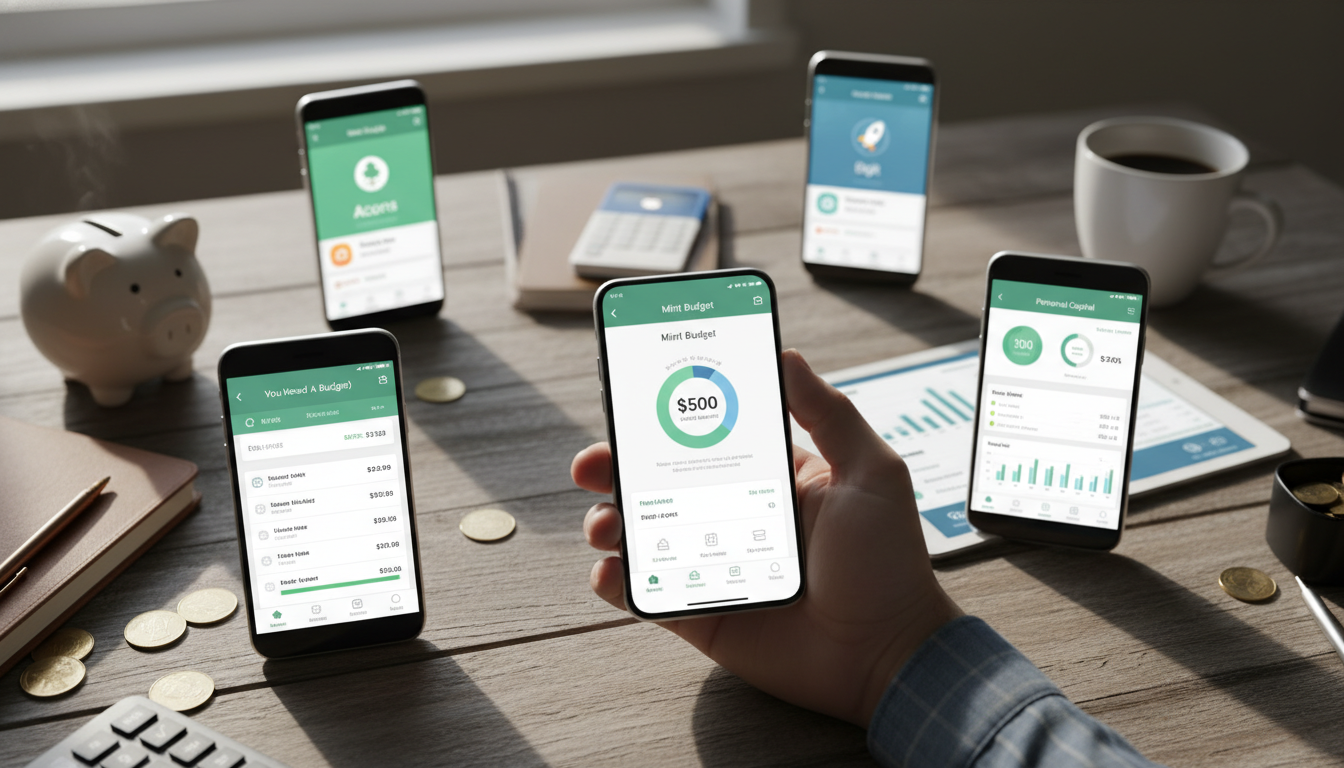
Here are the 10 best apps to save money in 2025. They were picked because they are simple to use, packed with useful features, and help people save money. They’re great for average Americans wanting tools that are practical and easy to use.
1. Rocket Money (Ideal to Cancel Hidden Subscriptions)
Rocket Money, formerly called Truebill, ranks as one of the most-used money-saving tools in the U.S. It has a clear purpose: find subscriptions you forgot about and help you cancel them. With so many services renewing on their own these days, Rocket Money can help you save hundreds each year.
It’s designed to recognize recurring subscriptions, allow you to cancel unwanted services with a single tap, and include features that help manage your budget and even negotiate bills.
Who Will Find It Useful
People dealing with too many subscriptions, unexpected charges, or hard-to-track monthly payments.
2. YNAB (Perfect to Try Zero-Based Budgeting)
Who Will Like It Most
Anyone determined to take complete charge of their finances, not just monitor spending.
YNAB stands out as the most interactive budgeting app on this list. If you’re struggling to figure out where your money needs to go, this platform helps you assign every dollar a specific purpose.
It often uses a zero-based budgeting system, syncs directly with your bank accounts, and includes built-in features to help you plan financial goals and pay off debt more effectively.
3. Qapital (Ideal to Save Without Thinking)
Instead of focusing on setting money aside, Qapital lets you make “rules” that save small amounts for you.
It’s best for people who want simple, low-effort saving that feels almost fun. It uses creative saving rules like rounding up spare change, setting automatic weekly deposits, or saving an extra $5 whenever you splurge on something, making saving feel natural instead of restrictive.
4. Acorns (Great To Invest Small Change)
Acorns works well for beginners who aren’t sure how to start investing. It automatically rounds up everyday purchases and invests the spare change into a diversified portfolio. Key features include micro-investing through round-ups, optional retirement accounts, and the ability to set recurring contributions for consistent investing.
5. Goodbudget (Ideal to Use for Manual Envelope Budgeting)
If you enjoy the simplicity of traditional envelope budgeting but want to skip using actual paper, Goodbudget transforms that method into a modern digital tool. It is suitable for families, couples, or anyone who likes to manage finances.
6. Simplifi by Quicken (Ideal to Use to Track Cash Flow)
Simplifi gives you a simple way to check your finances without drowning in too much extra information. It also offers a spending plan tailored to your situation and real-time alerts for unusual activity. If you prefer awareness and staying informed rather than heavy-duty budgeting, it’s a good fit for you.
7. Ibotta (Top Choice for Grocery and Everyday Shopping Rewards)
Groceries make up a significant portion of many American families’ budgets, and Ibotta helps reduce those costs by offering cash-back rewards at major retailers like Walmart, Target, Costco, and most large grocery stores. The app also includes bonuses, extra perks, and fun challenges, with rewards available for both online and in-store purchases.
Who Benefits Most?
Families with hectic schedules, people planning meals, or anyone trying to save on groceries.
8. Rakuten (Top Choice To Earn Cash Back While Shopping Online)
What makes it stand out is the ability to earn cash back on purchases you’re already making, with a helpful browser extension that sends reminders while you shop online and cash-back payouts issued every three months. It’s ideal for people who enjoy online shopping, love finding deals, or regularly shop for gifts, especially during the holidays.
9. Splitwise (Best Way To Divide Bills With Roommates or Partners)
If you’re roommates, a couple, a college student, or travel buddies, splitting bills can easily become stressful. Splitwise removes the awkwardness by tracking who owes what, simplifying shared expenses, and sending friendly reminders so you don’t have to.
10. Too Good to Go (Ideal to Save Money and Cut Food Waste)
With grocery and meal prices still high, this app helps you save money while reducing food waste. It lets you buy surplus meals or pastries from local cafés, restaurants, and bakeries at deeply discounted prices through affordable “surprise bags.” Along the way, you support neighborhood businesses, cut down on food waste, and keep more cash in your pocket.
How to Pick the Best App to Save Money for You
Each app solves a different money problem, so the best choice depends on what you’re struggling with most. If overspending is an issue, tools like YNAB or Simplifi can help you regain control. If subscriptions are draining your budget, Rocket Money is designed to track and cancel them. For effortless saving, Qapital is a strong option, while Acorns can make investing feel less intimidating for beginners. And if grocery costs are getting out of hand, using Ibotta alongside Rakuten can help stretch your budget further.
Why Money-Saving Apps Work So Well
Most Americans wish they could save more, but staying consistent is the hardest part. Life gets hectic. Bills stack up. Budgets fall apart.
Money-saving apps make the process easier by building automatic habits, reducing emotional decision-making, offering clear insights into your spending, and catching things you might otherwise miss.
How to Boost Your Savings in 2025

Try to adopt at least two of these habits to see results.
- Combine a cash-back tool like Ibotta or Rakuten with a money management app
- Try using round-up savings and set up weekly auto-saves
- After your savings build up, transfer them into a high-yield savings account
- Check your subscriptions each month, or let Rocket Money handle it automatically
- Pick one simple goal each month (like “put away an extra $50 this month”)
Taking small steps over and over adds up to big changes.
Closing Thoughts
You don’t need to change your finances to begin saving extra money. The right apps can handle the tough stuff for you, help you notice useful patterns, and guide smarter money choices every single day.
If you want to stress less, save more, and stay on track, go ahead and download one or two apps from this 2025 list of top money-saving tools. Test them out for just a week. See how those small wins begin to pile up.
Related Articles
7 Best Personal Budgeting Apps to Track Spending, Save Money, and Stay Organized

