


In today’s world, where organizations are increasingly held accountable for the proper use of funds, understanding fund accounting has become essential. For nonprofits, government entities, and educational institutions, fund accounting plays a critical role in tracking and managing various funds, especially those with specific donor restrictions. This system of accounting isn’t just a tool but a framework that ensures organizations comply with regulations, allocate resources properly, and maintain trust with donors and stakeholders.
What Is Fund Accounting?
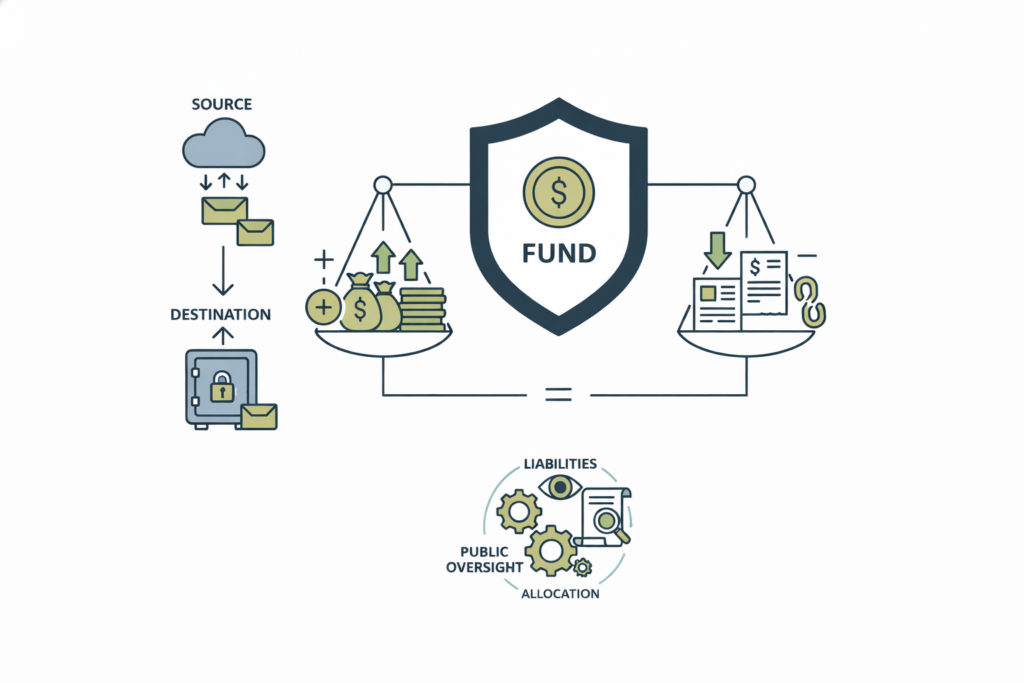
Fund accounting is a specialized accounting system designed to help nonprofit organizations, government entities, and educational institutions manage and track their financial resources. This system is different from traditional accounting methods, which focus on maximizing profits. Fund accounting, on the other hand, focuses on accountability, ensuring that funds are used only for their designated purposes.
In fund accounting, the organization tracks multiple funds separately based on their specific restrictions or purposes. For instance, a nonprofit may receive donations that are earmarked for a particular project, and fund accounting ensures that these funds are spent only on that project. The method involves creating distinct “funds” within the organization’s accounting system to differentiate between unrestricted and restricted funds, as well as different types of contributions, such as endowment funds or grants.
The key benefit of fund accounting is the ability to ensure compliance with donor restrictions, regulatory requirements, and financial transparency. By properly tracking and managing funds, organizations can maintain their financial integrity and gain the trust of donors, stakeholders, and regulatory bodies.
Why Do Nonprofits Use Fund Accounting?
Fund accounting is vital for organizations that manage restricted funds, such as those received from donors or government grants. The primary reason nonprofits and other entities use fund accounting is to comply with legal and regulatory requirements. Nonprofits, in particular, often receive donations with specific restrictions, and fund accounting ensures these funds are used for the intended purpose. For example, a donor might specify that their contribution should be used for a scholarship fund, and fund accounting helps track this restriction.
Another important reason is financial transparency. Fund accounting helps organizations present clear financial statements that show exactly how funds are being used. This transparency builds trust with donors, ensuring they can see that their contributions are being spent as intended. Nonprofits also use fund accounting to track both unrestricted and restricted funds, ensuring that they allocate resources properly and remain compliant with IRS regulations and GAAP (Generally Accepted Accounting Principles).
Furthermore, fund accounting helps organizations with long-term sustainability by ensuring that all income and expenditures are properly recorded and tracked. It also helps with resource allocation, making sure that funds are distributed where they’re most needed and helping organizations achieve their financial goals without mismanagement.
Types of Funds in Fund Accounting

In fund accounting, there are different types of funds that organizations must manage. Each type has its specific purpose and requires different accounting treatment.
Unrestricted Funds
These funds can be used for any purpose that aligns with the organization’s mission and goals. They offer the most flexibility, as there are no specific restrictions on how they can be spent.
Restricted Funds
These funds are earmarked for specific projects or purposes, as determined by donors or grantors. They must be used only for the designated purpose, and fund accounting helps track these funds to ensure they are spent accordingly.
Endowment Funds
Endowment funds are a type of restricted fund where the principal amount is meant to be preserved, and only the income generated from the investment can be used for designated purposes. These funds provide long-term financial stability for an organization.
Temporarily Restricted Funds
These funds come with conditions or time restrictions. For example, a donor may specify that a certain fund can only be used within a specific period or for a specific project. After the restriction is met, these funds may be reclassified as unrestricted.
Fund Accounting vs. Traditional Accounting

Fund accounting differs from traditional accounting, which is commonly used in for-profit businesses. In traditional accounting, the focus is on maximizing profit for the organization and reporting on overall financial health. This method tracks all assets and liabilities as part of the organization’s general financial structure.
Fund accounting, however, is focused on accountability and transparency. It’s designed to ensure that funds are spent according to the designated purpose, especially for organizations that receive donations with specific restrictions. In fund accounting, resources are allocated and tracked based on the specific purpose of the fund, whether it’s for operations, grants, scholarships, or other purposes.
The emphasis on tracking and reporting on multiple funds in fund accounting allows nonprofits and other entities to comply with donor restrictions and demonstrate financial transparency. It also ensures that funds are used as intended, without mixing them with other revenue streams.
Implementing Fund Accounting: Best Practices
Implementing fund accounting successfully requires attention to detail and the adoption of best practices.
Separating Funds Clearly
Each fund should be tracked separately, ensuring there is no confusion about how funds are being used. This is especially important for restricted funds, where donors may have specific conditions attached.
Accurate Record-Keeping
Maintaining accurate records of all transactions, donations, and fund allocations is crucial for effective fund accounting. This helps with compliance and transparency, particularly when generating financial reports.
Internal Controls
Strong internal controls help prevent errors and fraud. This includes documenting all procedures, ensuring checks and balances, and conducting regular audits.
Consistent Financial Reporting
Regularly reviewing and reconciling your financial records helps keep everything in order and ensures your financial statements are accurate. This is key for staying compliant with regulations and maintaining donor trust.
Adopting Fund Accounting Software

Specialized fund accounting software can simplify the process by automating many of the tracking and reporting tasks. Tools like Aplos, QuickBooks for Nonprofits, and Blackbaud Financial Edge provide organizations with the necessary tools to manage their funds efficiently and comply with legal requirements.
Challenges in Fund Accounting
While fund accounting is essential for ensuring compliance and transparency, there are challenges that organizations may face. These include the complexity of managing multiple funds with different restrictions, ensuring that all staff are properly trained on the system, and dealing with the potential for errors when manually tracking funds.
Organizations may also face challenges in selecting the right fund accounting software. With many options available, it’s important to choose a platform that aligns with the organization’s size, budget, and specific needs. Smaller organizations, in particular, may struggle to implement comprehensive systems, so they may need to start with more affordable or basic software tools.
Conclusion: The Importance of Fund Accounting for Organizational Success
Fund accounting is more than just a way to manage finances; it’s a crucial practice that ensures organizations maintain transparency, build trust with donors, and comply with legal and regulatory requirements. By clearly tracking restricted and unrestricted funds, implementing best practices, and using the right software, nonprofits, government entities, and educational institutions can ensure financial accountability and set themselves up for long-term success.
Whether you’re a small nonprofit or a large educational institution, adopting fund accounting is essential for managing funds efficiently and safeguarding your organization’s financial integrity. By following these practices and leveraging modern tools, you can strengthen your financial management and continue to fulfill your mission with confidence.

