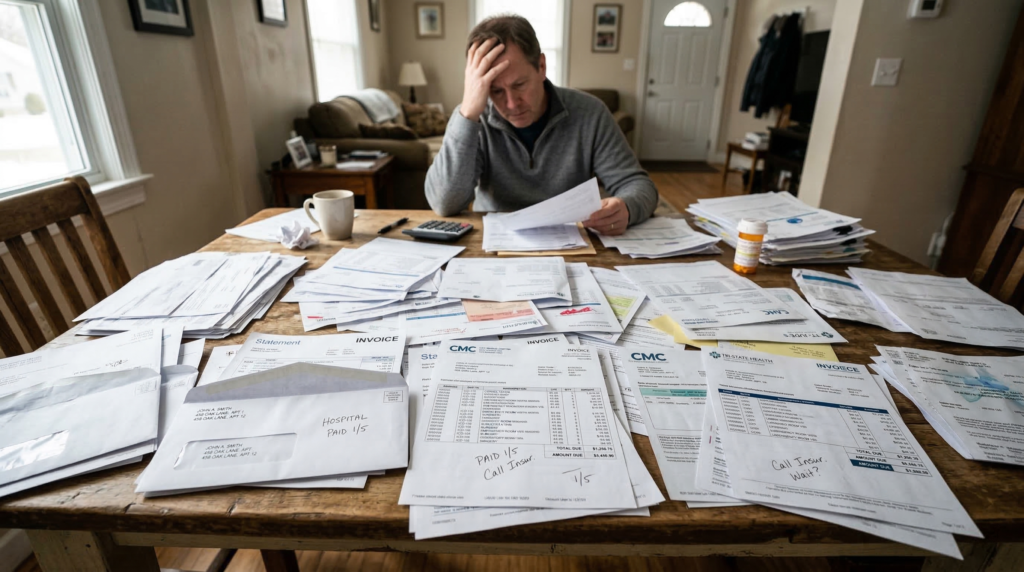
Medical debt can affect people even when they have health insurance, steady income, and otherwise solid financial habits. A single emergency, hospital stay, surgery, or series of specialist visits can lead to bills that are difficult to absorb all at once. In the United States, where healthcare costs can be high and billing can be complex, understanding medical debt is an important part of protecting both your finances and your credit.
What Is Medical Debt?
Medical debt is money owed for healthcare services that haven’t been fully paid. It can come from hospital bills, emergency room visits, ambulance charges, lab work, imaging, prescriptions, surgeries, follow-up care, dental treatment, or other medical services.
For many households, medical debt doesn’t result from irresponsible spending. It often happens because healthcare expenses arrive unexpectedly or because insurance doesn’t cover as much as the patient assumed. In some cases, people receive care from out-of-network providers without realizing it until the bill arrives later.
Medical debt can take several forms. Sometimes it’s an unpaid bill owed directly to a hospital, doctor’s office, or healthcare system. In other cases, the balance may be sent to a collection agency, placed on a credit card, or folded into a payment plan. Each version creates different financial consequences, which is why it’s important to understand exactly what kind of debt you’re dealing with.
Common Causes of Medical Debt
Medical debt often builds for reasons that have little to do with poor financial planning. Even careful savers can end up struggling with healthcare bills when costs rise quickly or coverage falls short.
One common cause is a high deductible health plan. These plans may offer lower monthly premiums, but they can leave patients responsible for a large amount of costs before insurance begins paying more substantially. A serious illness or injury early in the year can create a large bill before the deductible has been met.
Another major issue is out-of-pocket costs. Even when insurance covers a procedure, the patient may still owe copays, coinsurance, deductibles, prescription costs, or charges for services that weren’t fully covered. These expenses can stack up quickly when treatment involves multiple appointments or providers.
Unexpected emergencies also play a large role. A person doesn’t plan for a broken bone, appendicitis, an ambulance ride, or an overnight hospital admission. When care is urgent, people usually don’t have time to compare providers, confirm network status, or ask for estimates in advance.
Billing errors and confusion can add to the problem as well. Medical billing is often complicated, and mistakes do happen. Duplicate charges, coding issues, or insurance processing errors can lead patients to pay more than they should unless they review the statements carefully.
Why Medical Debt Is Financially Different From Other Debt

Medical debt is different from most consumer debt because it usually isn’t tied to a purchase someone willingly planned. Credit card debt often comes from spending decisions made over time. Medical debt often appears after a health event that was unavoidable or urgent.
That difference matters because the emotional and financial pressure can be very different. People dealing with medical debt may also be coping with recovery, caregiving, job disruption, or reduced income at the same time. In other words, the debt doesn’t always appear in isolation. It may show up during one of the most stressful periods in a person’s life.
Medical debt also tends to be less predictable. A patient may not know the final cost of treatment until weeks or months after services are provided. Multiple providers can bill separately for the same event, including the hospital, physician group, anesthesiologist, radiologist, and laboratory. That can make the total cost harder to track and plan for.
How Medical Debt Can Affect Your Credit
The relationship between medical debt and credit reports has changed in recent years, but medical bills can still affect your credit in some situations. That’s why it’s important not to assume healthcare debt is always invisible to lenders.
If a medical bill goes unpaid long enough, it may eventually be turned over to collections. Once a debt reaches that stage, it may appear on your credit file depending on the balance and current credit reporting rules. Even if the treatment itself had nothing to do with borrowing, the unpaid bill can still create credit consequences if it becomes a collections issue.
A lower credit score can make it harder to qualify for loans, credit cards, housing, or favorable interest rates. It may also affect insurance pricing or other financial opportunities, depending on the situation.
That said, medical debt isn’t always treated exactly the same way as other collection accounts. Reporting standards for medical collections have shifted, and smaller balances may not be handled the same way they once were. Even so, ignoring medical bills is risky. The safest approach is to review the debt, confirm the amount, and address it before it escalates.
Signs You Should Review a Medical Bill Carefully
Not every medical bill is correct, and patients shouldn’t assume the first number they see is final. Before paying, it’s worth reviewing the statement closely.
Pay attention if the amount seems much higher than expected, if you received a bill before your insurance explanation of benefits arrived, or if the charges are hard to understand. You should also look more carefully if multiple providers were involved in your care, because that increases the chance of confusing or overlapping bills.
Comparing the provider’s bill with your Explanation of Benefits, often called an EOB, can help you see what insurance paid, what was adjusted, and what amount may actually be your responsibility. If the figures don’t match or something looks off, contact both the provider and insurer before sending payment. Errors don’t always mean fraud. Sometimes the issue is a coding problem, a delayed insurance update, or a billing department mistake. Still, those errors can cost you money if you don’t catch them.
Smart Ways to Manage Medical Debt
One of the first steps in managing medical debt is to avoid panic. A large bill can feel overwhelming, but there are often more options than people realize.
Start by asking for an itemized bill. This gives you a detailed breakdown of what you’re being charged for and can make it easier to spot errors or questionable fees. It also gives you a better basis for asking questions or disputing charges.
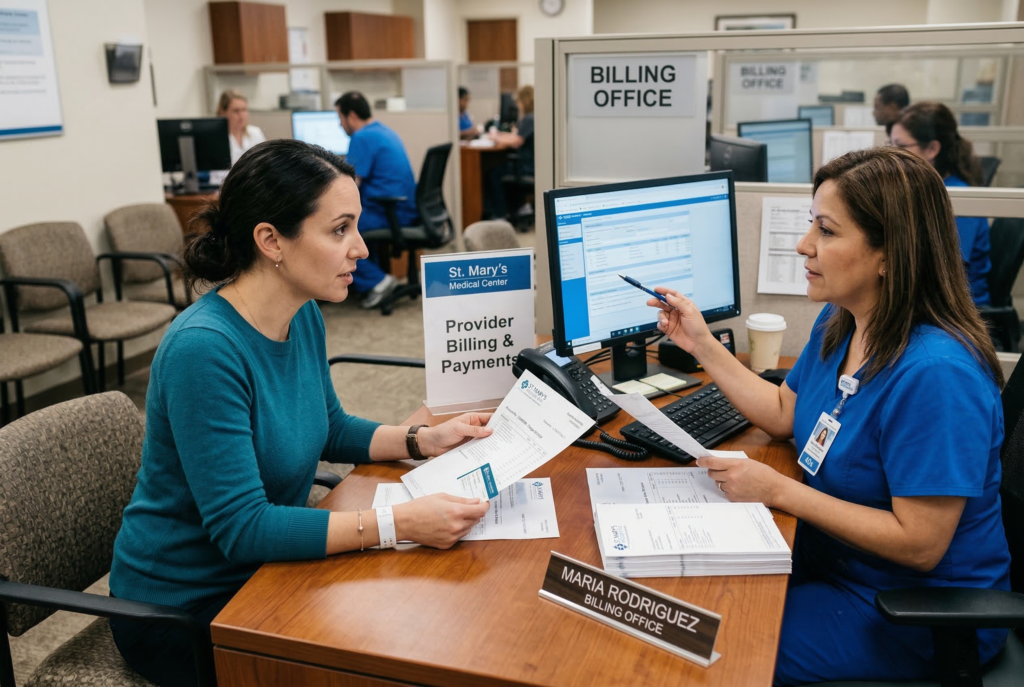
Next, contact the provider’s billing office. Many hospitals, clinics, and healthcare systems offer payment plans that spread the balance over time. Some plans are interest-free, while others may involve fees, so it’s important to ask for the exact terms.
You can also ask whether the bill qualifies for a discount. Some providers offer reduced rates for uninsured patients, prompt payment discounts, or lower amounts for people facing financial hardship. Nonprofit hospitals may also have financial assistance or charity care programs, but patients often need to apply rather than wait for those options to be offered automatically.
If the bill has already gone to collections, it’s still important to verify the debt before paying. Make sure the amount is accurate, understand who owns the debt, and get any settlement agreement in writing before sending money.
How to Reduce Medical Debt Before It Gets Worse
Step 1: Communicate with providers quickly
The earlier you act, the easier medical debt is usually to manage. Waiting too long can narrow your options and increase the chance of collections activity. If you know you can’t pay the full balance, calling early may help you set up a workable arrangement before the account becomes delinquent. Providers are often more flexible when the patient is responsive.
Step 2: Review all Insurance Claims Correctly
Another useful strategy is to review whether all insurance claims were processed correctly. Sometimes a denied claim can be appealed, or a provider can resubmit a bill with corrected coding. If the original insurance decision was wrong or incomplete, fixing it may reduce what you owe.
Step 3: Be Careful about Using High-interest Credit Cards
You should also be careful about using high-interest credit cards to cover medical bills. That may solve the immediate billing problem, but it can turn healthcare expenses into more expensive consumer debt. If you have to choose between a provider payment plan and a credit card balance with a high APR, the provider option may be less costly.
When to Seek Outside Help

If the debt is large, confusing, or already affecting your credit, outside help may be worth considering. A reputable nonprofit credit counselor may help you review your financial situation and understand your options. In more complicated cases, a medical billing advocate or legal aid service may also help, especially if there are disputes, collections pressure, or serious billing errors.
This kind of support can be useful when you’re dealing with multiple providers, insurance denials, or a balance that doesn’t seem accurate. The goal is to work with trustworthy professionals who explain fees, services, and limitations clearly. Be cautious with any company that promises to erase debt instantly or demands large upfront payments. Medical debt is stressful, and that stress can make people more vulnerable to bad offers.
How to Protect Yourself From Future Medical Debt
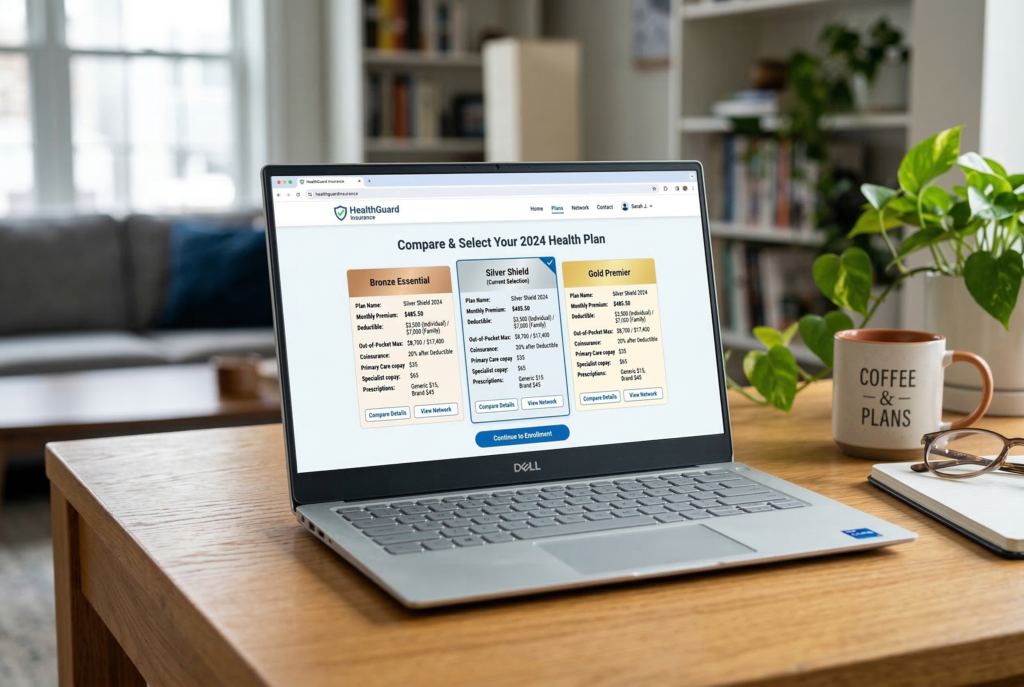
You can’t eliminate every healthcare cost, but a few habits may reduce the risk of future medical debt. Reviewing your health insurance plan carefully each year can help you understand deductibles, out-of-pocket maximums, and network rules before you need care.
It’s also smart to build an emergency fund when possible. Even a modest cash cushion can help cover copays, prescriptions, or part of an unexpected bill without relying on credit.
When care isn’t urgent, asking for estimates in advance can help you compare costs and prepare. Keeping records of bills, EOBs, and payment confirmations also makes it easier to catch mistakes and respond quickly if problems arise.
Conclusion
Medical debt can happen for many reasons, including high deductibles, unexpected emergencies, insurance gaps, and billing confusion. While it’s different from many other forms of debt, it can still create serious financial pressure and may affect your credit if it goes unpaid long enough to reach collections.
The good news is that patients often have more options than they think. Reviewing bills carefully, asking for itemized statements, setting up payment plans, applying for financial assistance, and addressing insurance errors early can all make a meaningful difference. Medical debt can feel overwhelming, but with a clear, informed approach, it’s often possible to reduce the burden and protect your broader financial health.