


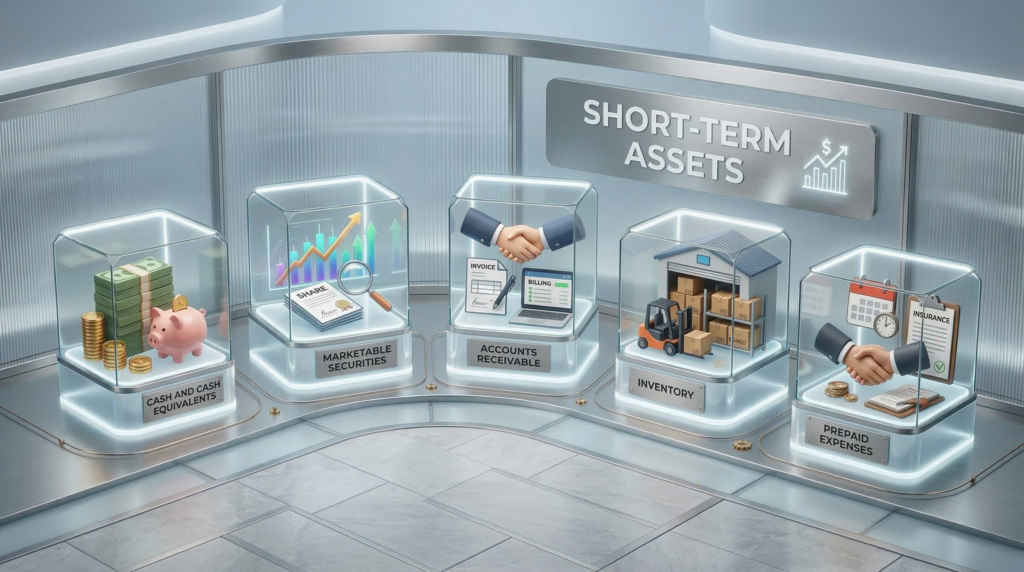
In financial planning, some assets are meant to support long-term growth, while others are there to provide flexibility, liquidity, and near-term stability. Short-term assets fall into that second category. They can help individuals and households manage everyday cash needs, prepare for emergencies, and stay financially organized without locking money away for years.
What Are Short-Term Assets?
Short-term assets are assets that can usually be converted into cash within a relatively short period, often within one year or less. In personal finance, they’re typically used to cover immediate or near-future financial needs rather than long-term investing goals.
These assets are valued for their liquidity, which means how quickly and easily they can be accessed without losing much value. A checking account balance, for example, is highly liquid because the money is available right away. A home or retirement account, by contrast, usually isn’t considered a short-term asset because converting it into usable cash can take more time, create costs, or trigger taxes and penalties.
Short-term assets play an important role in everyday money management. They help people pay bills, handle irregular expenses, and maintain a financial cushion. In many cases, they also serve as the first layer of financial protection before someone relies on credit cards or loans.
Common Examples of Short-Term Assets
Short-term assets can take several forms, depending on how someone manages cash and savings. While the exact mix varies from one household to another, a few categories are especially common.
Cash and Checking Account Balances

Cash on hand and money in a checking account are among the clearest examples of short-term assets. These funds are available for immediate spending and are often used for rent or mortgage payments, utilities, groceries, transportation, and other routine expenses. Because checking accounts are built for daily access, they usually aren’t designed to earn much interest. Still, they’re essential for managing short-term obligations and keeping bills paid on time.
Savings Accounts
A savings account is another major short-term asset. It may not be used as frequently as a checking account, but it offers accessible cash for planned expenses or unexpected costs. Many people keep emergency savings in a high-yield savings account because it combines relative safety with better interest earnings than a standard checking account. Savings accounts are often part of a broader short-term financial strategy because they give money a specific purpose while keeping it available.
Money Market Accounts
A money market account can also qualify as a short-term asset. These accounts often offer interest earnings that may be higher than standard savings accounts, while still allowing access to cash when needed. Some include limited check-writing or debit access, which can make them useful for households that want a balance between earning interest and maintaining flexibility.
Certificates of Deposit With Near-Term Maturities
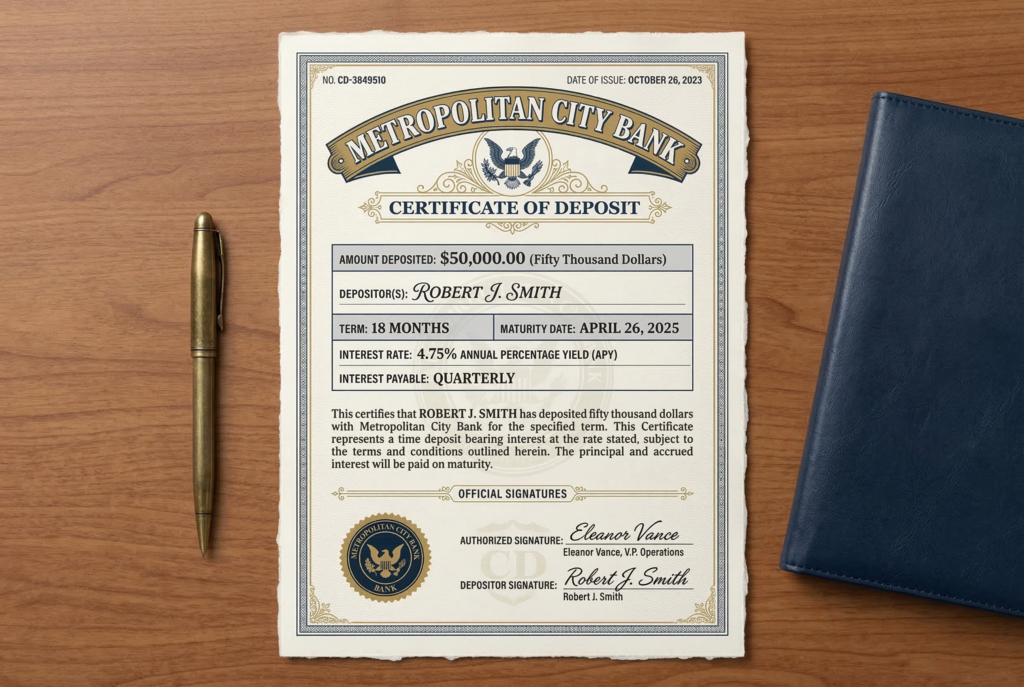
A certificate of deposit, or CD, may count as a short-term asset if it matures within a short window and fits within a near-term cash plan. For example, a six-month or one-year CD used for a planned expense can function as a short-term asset. Still, CDs are less liquid than checking or savings accounts because withdrawing early may trigger a penalty.
Short-Term Investments and Cash Equivalents
Some people also hold cash equivalents or low-risk short-term investments, such as Treasury bills or certain short-duration funds. These may be used to preserve capital while earning modest returns. In personal finance, they’re often considered when someone wants a safer place for money that may be needed soon, but not immediately.
Why Short-Term Assets Matter in Financial Planning

Short-term assets matter because they support the practical side of financial health. Long-term goals like retirement and wealth building are important, but they don’t replace the need for accessible money today.
One major reason short-term assets matter is that they improve cash flow management. When you have enough liquid assets, it becomes easier to handle regular monthly expenses without relying on debt. You can pay bills on time, absorb temporary income changes, and manage routine financial obligations with less stress.
They also support emergency preparedness. A car repair, medical bill, home repair, or sudden travel expense can disrupt a budget quickly. Without short-term assets, many people turn to high-interest borrowing to cover these costs. Having liquid savings reduces that risk and gives you more control over how you respond.
Short-term assets also help with planned spending. Not every upcoming expense is a true emergency. Holiday travel, insurance premiums, moving costs, school supplies, and home maintenance are all examples of expenses that can be easier to manage when money is set aside in accessible accounts.
Short-Term Assets vs. Long-Term Assets
Understanding the difference between short-term and long-term assets is important in financial planning because the two serve very different purposes.
Long-term assets are typically held for growth, value appreciation, or future income. These might include retirement accounts, stocks intended for long-term investing, real estate, or other assets that aren’t meant to be used in the near future.
Short-term assets, on the other hand, are focused more on accessibility and stability than on high returns. Their purpose usually isn’t aggressive growth. Instead, they help protect day-to-day financial functioning and support short-range goals.
This distinction matters because money needed in the near future usually shouldn’t be exposed to too much market risk. If funds for rent, emergency savings, or a down payment next year are invested too aggressively, a market decline at the wrong time could create a serious problem. Short-term assets reduce that risk by keeping needed money more stable and available.
Key Benefits of Holding Short-Term Assets
There are several reasons financial planners and personal finance experts often stress the value of maintaining short-term assets.
Liquidity and Flexibility
The biggest benefit is liquidity. When money is easy to access, you can respond more quickly to financial needs. This flexibility matters during emergencies, but it also helps with normal budgeting and expense timing.
Lower Financial Stress
Households with accessible savings often have more room to handle setbacks without panic. Even a modest reserve can reduce the pressure that comes with surprise expenses or temporary income interruptions.
Less Reliance on High-Interest Debt
One of the most practical benefits of short-term assets is that they can help you avoid credit card debt or other expensive borrowing. When an unexpected bill arrives, cash savings usually cost far less than financing the expense with a high APR card.
Better Financial Organization
Short-term assets can also make financial planning more structured. Separating money for emergencies, monthly expenses, or near-term goals can give each dollar a clearer role. That often leads to better decisions and more consistent saving habits.
Where Short-Term Assets Fit in a Personal Financial Plan
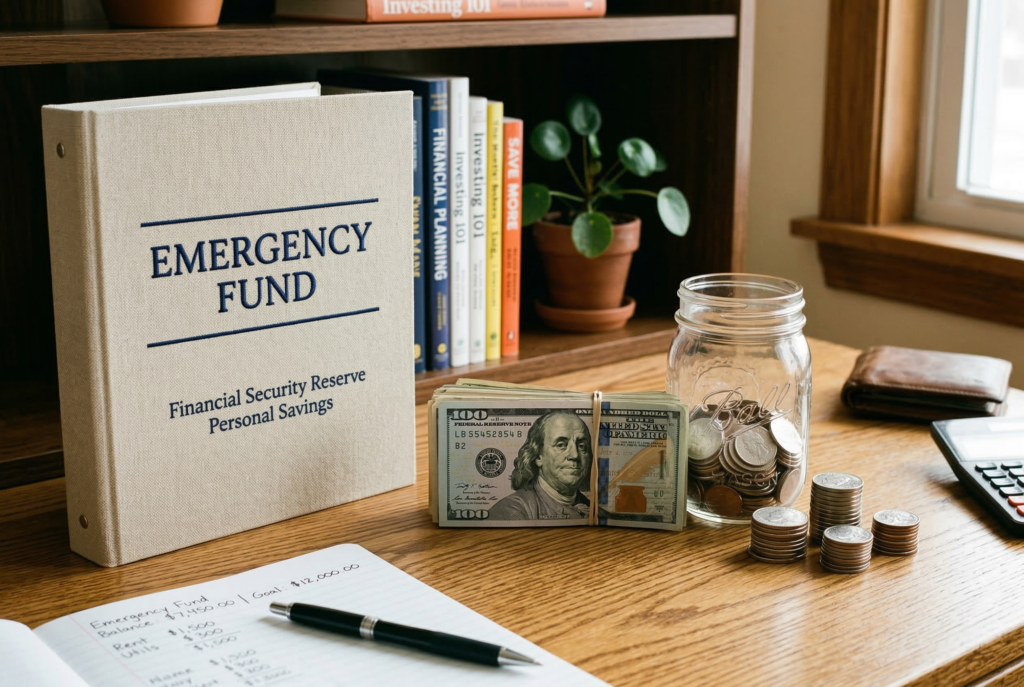
In a healthy financial plan, short-term assets usually form the foundation. Before someone focuses heavily on more advanced investing strategies, it’s often wise to have enough liquid money to handle immediate needs.
For many people, this starts with maintaining enough in checking to cover monthly bills and building an emergency fund in savings. After that, short-term assets may also include sinking funds for known future expenses, such as travel, property taxes, tuition, or annual insurance premiums.
This doesn’t mean keeping every dollar in cash. Holding too much in low-yield accounts can limit long-term growth. The goal is balance. You want enough liquid assets to stay financially stable without neglecting retirement savings and other long-term investments.
A good financial plan often separates money by time horizon. Funds needed within the next year usually belong in short-term assets. Funds meant for goals many years away may be better suited to long-term investments, depending on risk tolerance and financial objectives.
Mistakes People Make With Short-Term Assets
One common mistake isn’t keeping enough liquid savings at all. Some people focus so heavily on investing or debt repayment that they leave themselves with almost no accessible cash. That can create problems when an emergency or irregular expense shows up.
Another mistake is keeping too much money in a low-interest checking account when some of it could be earning more in a high-yield savings account or money market account. Accessibility matters, but so does efficiency.
Some people also confuse available credit with a short-term asset. A credit card may provide temporary access to spending power, but it isn’t an asset. It’s borrowed money, often with interest costs attached. Finally, it’s important not to put short-term needs into volatile investments. Money needed soon should generally be protected from unnecessary market swings.

How to Build Stronger Short-Term Assets
Improving your short-term asset position usually starts with reviewing your current cash flow. Look at monthly income, fixed bills, variable spending, and upcoming expenses. From there, identify how much money needs to stay readily available.
Many people build short-term assets by automating transfers into savings each payday. Even small, regular contributions can add up over time. Keeping separate accounts for emergency savings and planned expenses can also make the process easier to manage. The most effective approach is usually practical rather than complicated. Consistent saving, strong account structure, and clear priorities often matter more than chasing slightly higher returns on every dollar.
Conclusion
Short-term assets are a key part of sound financial planning because they provide liquidity, flexibility, and stability for near-term needs. Whether they’re held in checking accounts, savings accounts, money market accounts, or other low-risk vehicles, these assets help households manage cash flow, prepare for emergencies, and handle upcoming expenses with less disruption.
They may not offer the growth potential of long-term investments, but their value is still significant. Short-term assets support the everyday side of financial health and make it easier to protect long-term goals from short-term setbacks. When used thoughtfully, they help create a more balanced financial plan, one that isn’t just built for the future, but also prepared for real life now.

