



If you’re serious about maximizing returns without losing access to your cash, a CD ladder calculator is one of the most powerful tools you can use. Unlike a basic CD interest calculator, this strategy doesn’t just estimate earnings. It helps you structure your money across multiple terms so you can earn more while staying flexible.
Many savers hesitate to lock their money into a long-term CD because they might need it later. That’s a valid concern. A CD ladder solves this problem by spreading your investment across staggered maturity dates. Instead of being locked in, you gain regular access to your funds.
This guide combines a practical calculator approach with real strategy. You’ll learn not only how to calculate returns, but also how to build a system that works in today’s changing rate environment.
What is a CD Ladder? Defeating Interest Rate Fluctuation Risk
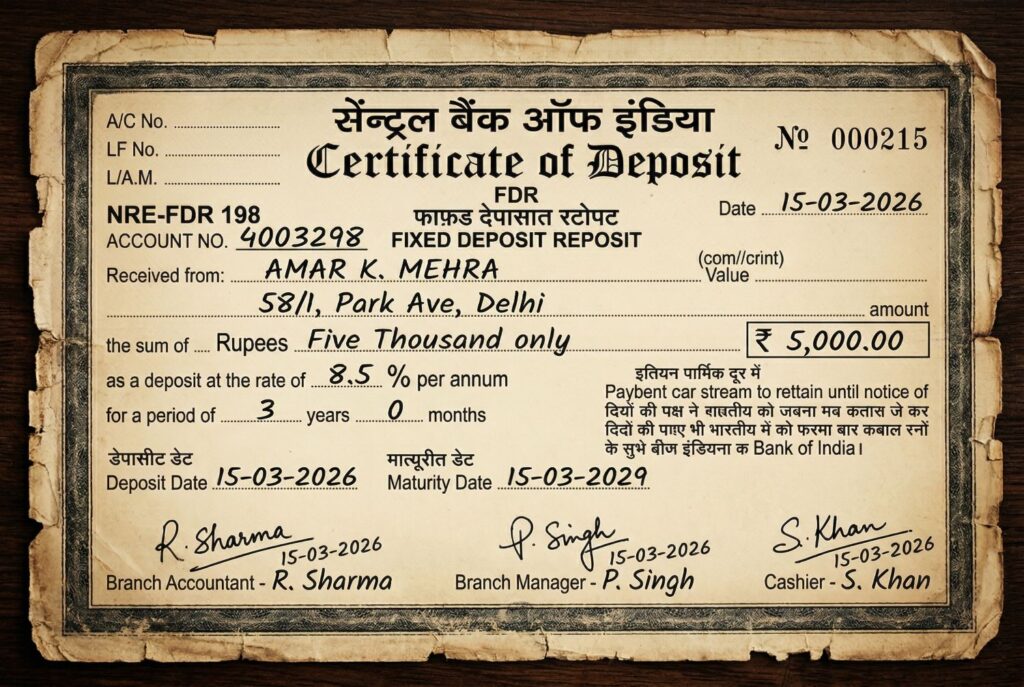
To understand laddering, you first need to know how a CD account works. A CD is a fixed-term deposit that pays a guaranteed return. The longer you lock your money, the higher the rate is usually. But here’s the risk. If interest rates rise after you lock in, your money stays stuck at a lower rate. A CD ladder solves this by dividing your investment into multiple CDs with different terms.
For example, instead of putting $10,000 into one 5-year CD, you split it into five $2,000 CDs with terms from one to five years. Each year, one CD matures. You can then reinvest at current rates or withdraw cash if needed. This approach protects you from rate fluctuations while still allowing you to capture long-term yields.
Setting Up Your Strategy: Mini Ladder vs. the Standard 5-Year Ladder

There isn’t just one way to build a ladder. The right setup depends on your goals and time horizon. A mini ladder focuses on shorter terms, such as three, six, nine, and twelve months. This approach works well if you expect rates to change quickly or if you want frequent access to cash.
The classic five-year ladder is more structured. You divide your funds evenly across one-year increments. Each year, one CD matures, creating a predictable cycle of liquidity and reinvestment. Both strategies work with a CD ladder calculator, but they serve different needs. A shorter ladder prioritizes flexibility, while a longer ladder balances yield and stability.
Head-to-Head: The CD Ladder vs. A Single Long-Term CD
Many savers face a simple question. Should you build a ladder or commit to one long-term CD? A single CD may offer a slightly higher rate upfront. But it comes with a major limitation. Your money stays locked until maturity unless you accept penalties.
A ladder reduces this risk. Instead of waiting years, you regain access to part of your money regularly. From a psychological standpoint, this matters more than most people expect. Knowing you’ll have access to funds each year makes the investment feel safer and more manageable. When you compare both approaches using a CD interest calculator, the difference isn’t just about returns. It’s about flexibility and control.
Smart Cash Allocation: CD vs Money Market Accounts
Money Market Account Calculator
Your Growth Summary
Total Balance after 10 Years
$0.00
Total Contributions
$0.00
Total Interest Earned
$0.00
*Calculations are estimates based on input data and standard compounding formulas. 2026 Projections.*
It’s also important to consider alternatives when evaluating a CD. Comparing a CD with a money market account can help you choose what fits your needs best. A CD offers fixed returns but limited liquidity, while a money market account provides more flexibility with variable interest rates.
A balanced strategy often works best. Allocate around 60% of your savings into a CD ladder to lock in higher yields. Keep 40% in a flexible account for emergencies. If you want to test scenarios, tools like a money market calculator or money market account calculator can help you compare outcomes. This approach gives you both security and accessibility, which is critical in uncertain rate environments.
How to Calculate Percent Yield Across a Ladder
Most calculators show results without explaining them. That’s a gap you need to understand. To fully evaluate a ladder, you need to know how to calculate percent yield across multiple CDs. Each CD in the ladder has its own return based on its term and rate. The total return is a weighted average of all these components.
The basic APR formula is:
But because CDs compound interest, APY becomes more important than the base rate. This is where understanding dividend rate vs APY matters. The dividend rate shows the base return, while APY reflects compounding. When you combine multiple CDs, your overall yield becomes a blend of these rates. A cd ladder calculator simplifies this process, but knowing the math helps you make smarter adjustments.
Do You Pay Taxes on CD Interest?
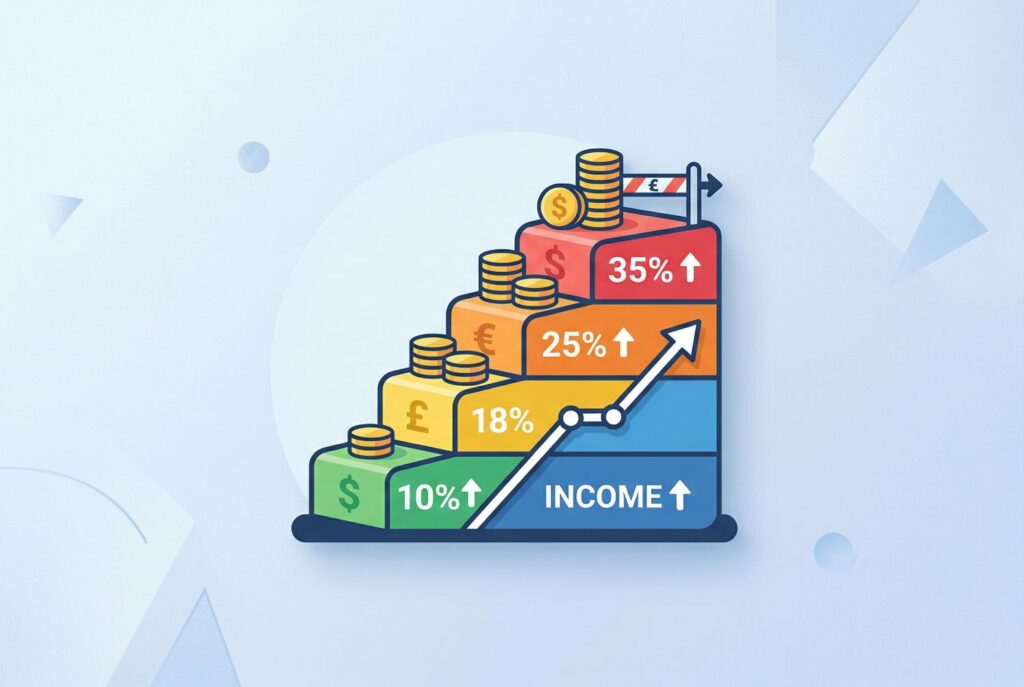
A key question many savers overlook is simple. Do you pay taxes on CD interest? Yes. In the United States, CD interest is taxed as ordinary income. This applies even if you leave the interest in the CD to compound. This means your real return depends on your tax bracket. A high APY may still result in lower net earnings after taxes. Understanding this helps you avoid overestimating returns when using a CD interest calculator.
Where to Find the Best Rates to Build Your Ladder Today

Once you’ve built your strategy, the next step is finding competitive rates. Many investors compare options like Schwab CD rates, Keybank CD rates, Becu CD rates, and Associated Bank CD rates. These institutions offer a range of terms and promotional rates. Instead of focusing only on the highest rate, consider the full picture. Look at term flexibility, penalties, and how well each option fits into your ladder structure. Rates change frequently, so staying updated is essential for maximizing your returns.
Conclusion
A CD ladder calculator isn’t just a tool. It’s a strategy. By spreading your investment across multiple terms, you reduce risk, improve flexibility, and still capture strong returns. When combined with a CD interest calculator, you gain both clarity and control over your savings. In today’s environment, where rates are still strong but trending lower, timing matters. A CD ladder helps you lock in returns while staying adaptable. If your goal is to grow your savings without losing access to cash, this approach gives you the best of both worlds.
Related Articles
Free CD Interest Calculator: Estimate Earnings & Maximize Your Returns

