

Debt settlement is often discussed as a way to deal with serious unsecured debt, especially when monthly payments have become unmanageable. It can sound like a fast solution because the idea is simple: negotiate with creditors to accept less than the full amount owed. But while debt settlement may help some borrowers in difficult situations, it also comes with major risks, credit damage, and financial tradeoffs that shouldn’t be ignored.
What Debt Settlement Means
Debt settlement is a debt relief strategy in which a borrower or a company negotiating on the borrower’s behalf tries to convince a creditor to accept less than the full balance as payment in full. This approach is usually used for unsecured debt, such as credit card balances, certain personal loans, medical bills, or collection accounts.
For example, if someone owes $10,000 on a credit card and can’t keep up with payments, they may try to settle the debt for a lower lump sum or structured amount. If the creditor agrees, the remaining portion of the balance is forgiven, and the account is resolved according to the terms of the agreement.
That may sound appealing, but creditors aren’t required to settle, and success isn’t guaranteed. Debt settlement is generally considered a last-resort option for people already facing severe financial hardship rather than a standard debt payoff strategy.
How Debt Settlement Works
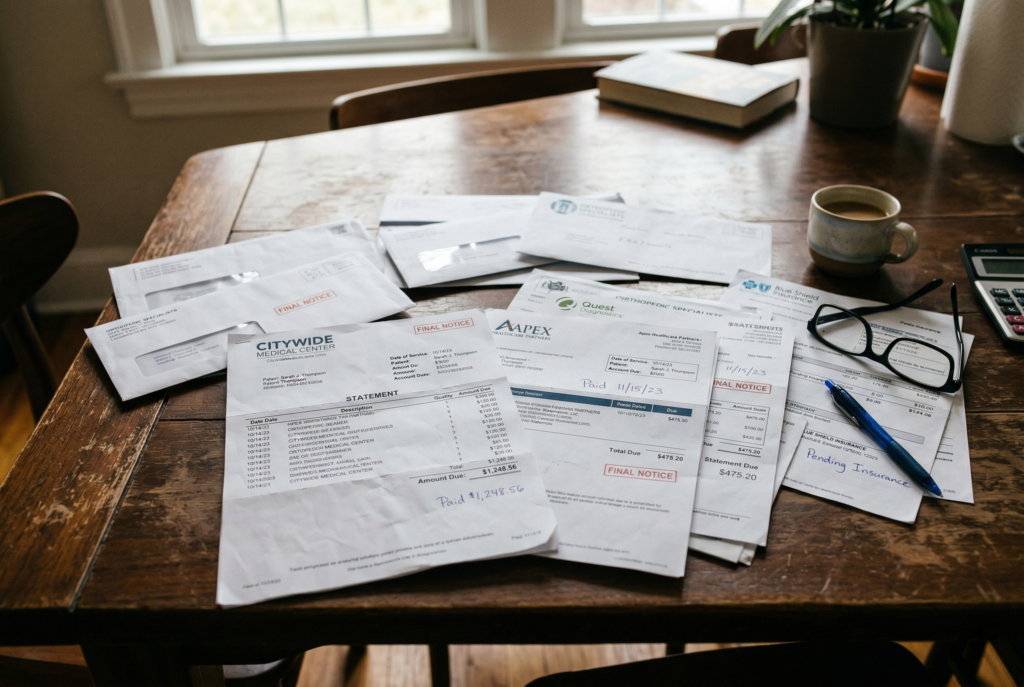
The basic process of debt settlement usually begins when a borrower falls behind on payments or realizes the debt is no longer realistically affordable under the current terms. At that point, the borrower may try to negotiate directly with creditors or hire a debt settlement company to do it.
In many settlement programs, the borrower is encouraged to stop making payments to creditors and instead deposit money into a separate account over time. Once enough money has built up, the settlement company may try to negotiate with creditors for a reduced payoff amount. If a creditor accepts, the saved funds are used to settle the debt.
This process can take months or even years depending on the total amount owed, how quickly money is being saved, and whether creditors are willing to negotiate. During that time, late fees, interest charges, and collection activity may continue. That’s one reason debt settlement is far more complicated than the advertisements often suggest.
Why Creditors Might Agree to a Debt Settlement
A creditor may agree to a debt settlement because receiving part of the balance can be better than receiving nothing at all. If a borrower is already delinquent, facing hardship, or appears unlikely to repay the full debt, the creditor may decide that a reduced lump-sum payment is the more practical outcome.
This doesn’t mean every creditor will negotiate. Some may refuse, especially if the account isn’t yet significantly past due. Others may only settle under certain conditions, such as receiving a substantial payment in one transaction.
The likelihood of settlement often depends on the type of debt, the age of the account, the creditor’s internal policies, and the borrower’s overall financial condition. That uncertainty is part of what makes debt settlement risky. A borrower may damage their credit and still fail to get the settlement they expected.
What Types of Debt Can Be Settled
Debt settlement is most commonly associated with unsecured debts. This includes credit card debt, medical debt, collection accounts, and some personal loans. Since these debts aren’t backed by collateral, creditors may be more open to negotiating if they believe collection will otherwise be difficult.
Secured debts are a different story. Mortgages and auto loans are tied to collateral, which means the lender has stronger legal rights if payments stop. As a result, debt settlement is generally not the standard approach for those obligations.
Student loans also operate under different rules and usually aren’t typical candidates for settlement in the way credit cards are. For many borrowers, the debt most often discussed in settlement programs is revolving consumer debt that has already become seriously delinquent.
The Biggest Risks of Debt Settlement
The biggest problem with debt settlement is that it can do serious damage to your credit score. Many settlement programs rely on letting accounts become delinquent before negotiations happen. Once payments stop, negative marks can build quickly, and those missed payments can remain on your credit history for years.
There’s also no guarantee the creditor will agree to settle. A borrower may spend months saving money while collection activity continues, only to discover that a creditor won’t accept the proposed terms. In the meantime, the balance may have grown because of late fees and interest.
Another major risk is the possibility of lawsuits. If a creditor chooses to pursue legal action instead of negotiating, the situation can become even more stressful and expensive. Debt settlement doesn’t protect a borrower from being sued.
There may also be tax consequences. In some cases, forgiven debt may be treated as taxable income, depending on the circumstances. That can create an unwelcome surprise after the settlement is completed.
How Debt Settlement Affects Your Credit
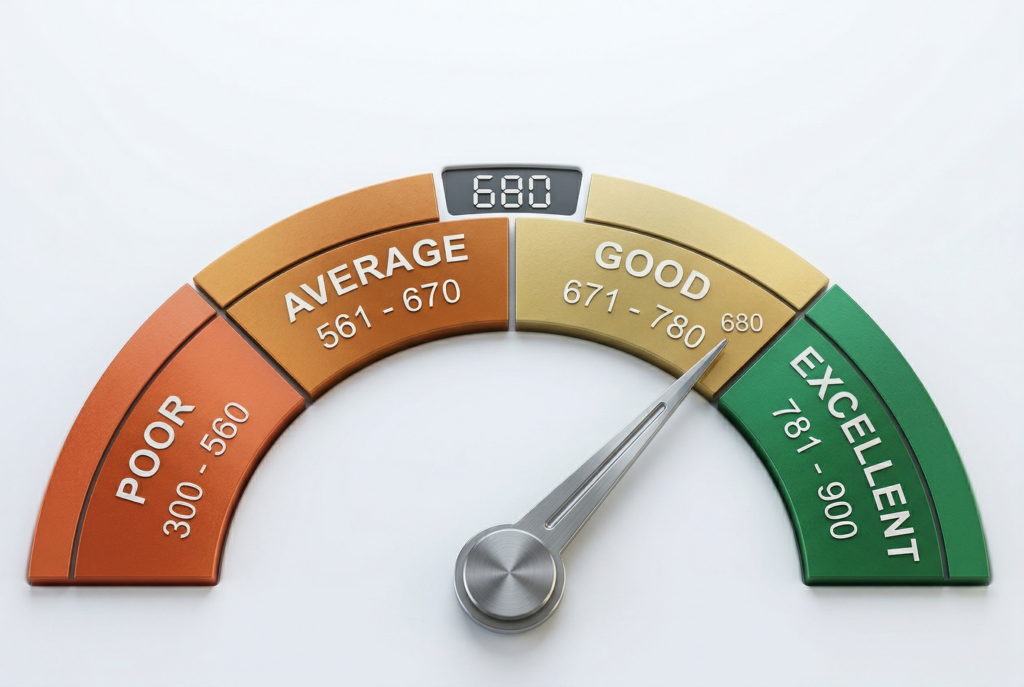
A settled debt usually hurts your credit because it often involves missed payments, charge-offs, collections, or other signs of serious financial distress before the settlement is reached. Even after the account is resolved, your credit report may show that the debt was settled for less than the full balance.
That can matter because future lenders may view settled accounts as a sign that you didn’t meet the original repayment terms. While resolving debt is generally better than leaving it unpaid indefinitely, settlement usually has a more negative credit impact than paying debts in full under the agreed terms.
The damage doesn’t last forever, but it can affect borrowing options, interest rates, apartment applications, and other parts of financial life in the near term. Anyone considering debt settlement needs to understand that the relief it may provide often comes at the cost of short-term to medium-term credit harm.
Debt Settlement Companies and What to Watch For
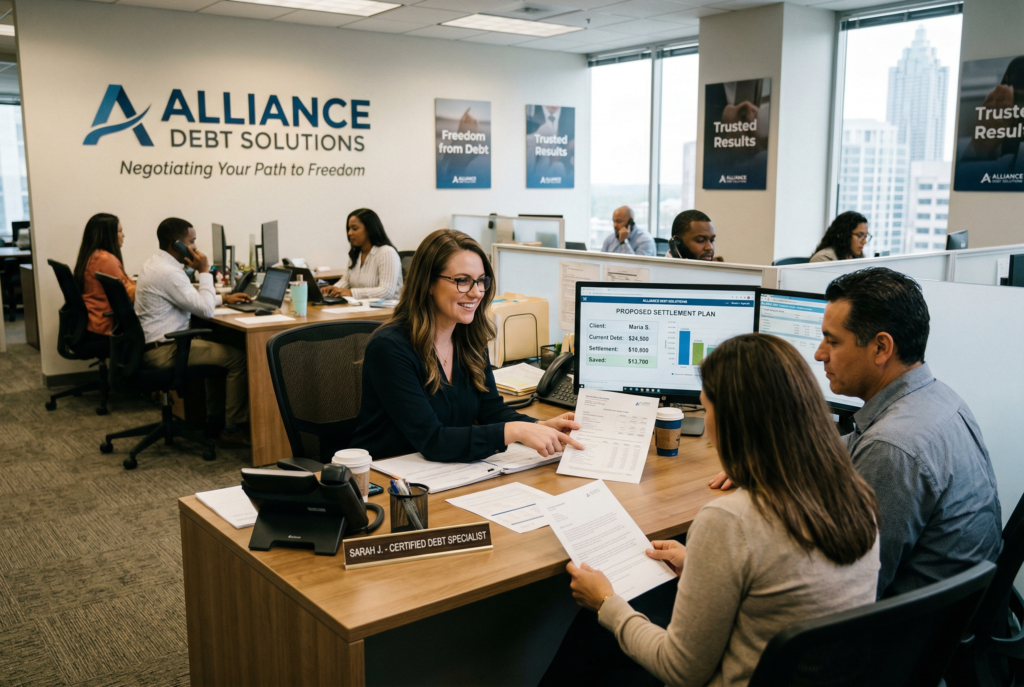
Many people first hear about settlement through debt settlement companies that advertise reduced balances and faster debt relief. Some companies do negotiate settlements, but the industry has also raised concerns because not every company is transparent, effective, or consumer-friendly.
A common issue is fees. Some companies charge substantial fees for their services, which can reduce the savings achieved through settlement. Others may present the process as easier or faster than it really is. Borrowers should be especially cautious about any company that promises guaranteed results, pressures them to enroll quickly, or downplays the risks to credit. Debt settlement is never guaranteed, and any company suggesting otherwise deserves extra skepticism. If someone is considering professional help, it’s important to review contracts carefully, understand how fees are charged, and make sure the strategy is clear before signing anything.
When Debt Settlement Might Make Sense
Debt settlement may make sense for someone facing true financial hardship who can’t realistically repay unsecured debt in full and isn’t a good candidate for other options. This could include a person dealing with job loss, a major drop in income, or a debt burden that has already become unmanageable.
It’s generally more appropriate when the borrower is already behind, lacks the ability to catch up, and has access to at least some money to fund settlements over time or in a lump sum. Even then, it’s usually a serious decision rather than a preferred first step.
For someone who can still afford minimum payments and has a realistic path to repayment, settlement often creates more damage than benefit. In those cases, other debt reduction methods may be safer and more effective.
Alternatives to Debt Settlement
Before turning to debt settlement, it’s often worth looking at less damaging alternatives. One option is a debt management plan, which is usually offered through a nonprofit credit counseling agency. This approach may help reduce interest rates and organize repayment without requiring you to stop paying creditors altogether.
Another possibility is debt consolidation. A personal loan or balance transfer card might simplify repayment and lower interest costs if your credit still qualifies you for reasonable terms. This doesn’t reduce the principal, but it can make payoff more manageable.
Some borrowers may be better served by a stricter budgeting plan, cutting expenses, increasing income, or using a structured payoff strategy such as the avalanche or snowball method. For people in deeper financial trouble, bankruptcy may also need to be discussed as a legal option, though that’s a separate decision with its own major consequences. The key is that debt settlement isn’t the only path. In many cases, it isn’t even the best one.
Ways to Reduce Your Debt Faster Without Settlement
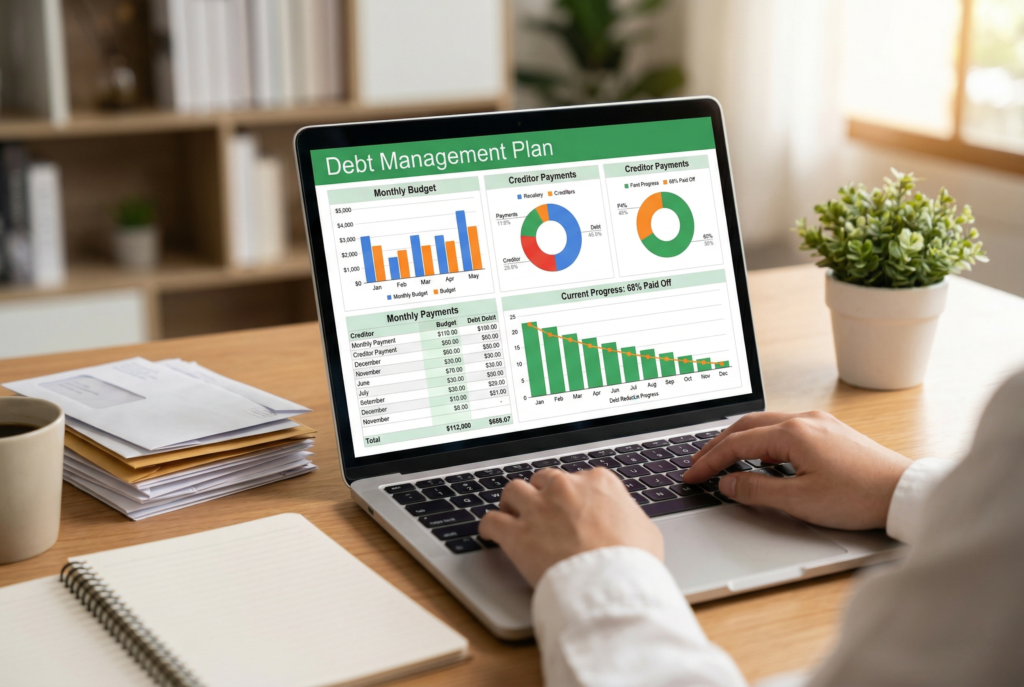
If your debt is still manageable enough to repay, there are faster and safer ways to make progress. The most effective starting point is usually creating a clear debt repayment plan. That means understanding each balance, interest rate, minimum payment, and due date.
Paying more than the minimum whenever possible helps reduce principal faster and limits how much interest builds over time. Many borrowers prefer the debt avalanche method, which focuses on the highest-interest debt first, while others choose the debt snowball method, which targets the smallest balance first for motivation.
Cutting recurring expenses can also free up cash for repayment. So can using tax refunds, bonuses, side income, or other windfalls to make extra payments. In some cases, negotiating directly with creditors for hardship programs or lower rates may also help without going all the way to settlement.
Conclusion
Debt settlement can reduce what you owe on certain unsecured debts, but it’s a high-risk strategy that often comes with damaged credit, continued collection pressure, possible legal action, and no guarantee of success. For borrowers in severe financial hardship, it may sometimes provide a path toward resolution when other repayment options have failed.
But for many people, safer alternatives such as nonprofit credit counseling, debt consolidation, hardship arrangements, or a structured payoff plan deserve serious attention first. The smartest approach is to understand exactly how debt settlement works, weigh the risks carefully, and choose the solution that improves your finances over the long term rather than just offering short-term relief.
