


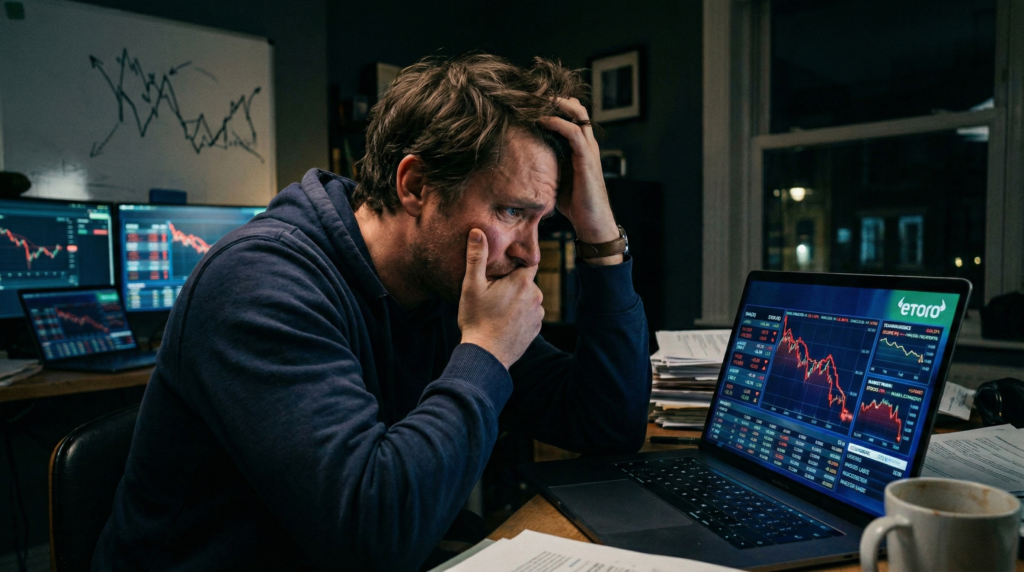
Emotional investing can quietly undermine even a well-built portfolio. When fear, greed, panic, or overconfidence start driving decisions, investors often buy and sell at the wrong times, take unnecessary risks, or abandon long-term plans that were built for real financial goals. Learning how emotions affect investing is essential for anyone who wants to make more consistent, rational decisions over time.
What Emotional Investing Means
Emotional investing happens when investment decisions are driven more by feelings than by strategy, research, or long-term planning. Instead of following an asset allocation, risk tolerance, and time horizon, an investor reacts to headlines, short-term market swings, or personal anxiety.
This can happen in many ways. Some investors panic and sell when markets fall sharply because they’re afraid losses will get worse. Others chase rising stocks because they don’t want to miss out on gains everyone else seems to be talking about. In both cases, the decision may feel reasonable in the moment, but it often reflects emotion rather than discipline.
Investing always involves uncertainty, so emotions are normal. The problem begins when those emotions take control of the process. A strong investment plan should leave room for human reactions without letting them determine every move.
Why Emotions Can Be So Dangerous in Investing
The biggest danger of emotional investing is that it encourages poor timing. Investors often feel most optimistic after prices have already risen and most fearful after prices have already fallen. That can lead to a damaging cycle of buying high and selling low.
This pattern is more common than many people realize. Market declines can make even experienced investors question their strategy. Sharp rallies can create pressure to join in before it feels too late. When decisions are made in the heat of the moment, the focus shifts from long-term value to short-term relief or excitement.
Emotional mistakes can also create lasting consequences. Selling during a downturn may lock in losses and make it harder to benefit from any recovery. Taking on too much risk during a bull market can expose a portfolio to damage that wasn’t part of the original plan. Over time, these reactions can weaken both returns and confidence.
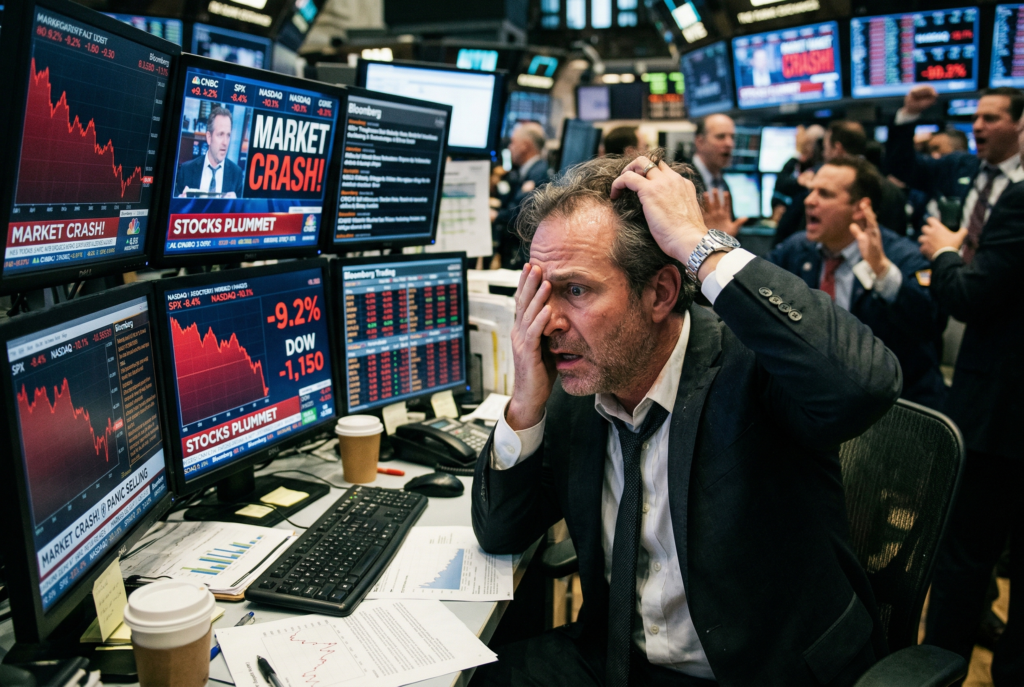
The Most Common Emotions That Affect Investors
Fear is probably the most obvious emotion in investing. It tends to show up during market declines, economic uncertainty, and periods of volatility. Fear can make investors sell solid long-term holdings simply because short-term losses feel unbearable.
Greed works in the opposite direction. It pushes people to chase hot investments, speculative trends, or unusually high returns without paying enough attention to risk. When markets are rising fast, greed can make caution feel unnecessary.
There’s also FOMO, or fear of missing out. This often leads investors to buy into rallies late, especially when certain stocks, sectors, or asset classes dominate news coverage and social conversation. Instead of evaluating whether the investment actually fits their plan, they buy because they feel left behind.
Overconfidence is another major issue. When markets are strong, some investors start believing recent success proves they can predict what happens next. That may lead to concentrated bets, excessive trading, or a false sense of control.
Regret can also influence behavior. After making a bad decision, some investors become overly cautious and avoid reasonable opportunities. Others try to recover losses too quickly by taking even greater risks.
How Emotional Investing Leads to Costly Mistakes
One of the most common consequences of emotional investing is selling at the wrong time. During a correction or bear market, fear can make cash feel safer than staying invested. But leaving the market after losses have already occurred can turn temporary declines into permanent damage.
Another costly mistake is performance chasing. Investors may move money into funds, stocks, or sectors that have recently done well, assuming strong returns will continue. In reality, by the time an investment becomes widely popular, much of the upside may already be behind it.
Emotional investing can also lead to excessive trading. Constantly reacting to market news may create the illusion of control, but frequent changes can increase transaction costs, taxes, and decision fatigue. A portfolio built around constant reactions often becomes inconsistent and harder to manage.
There’s also the problem of abandoning a strategy too soon. A diversified investment plan won’t outperform in every market environment, and that’s normal. When investors expect every part of their portfolio to work at all times, they’re more likely to make emotional changes that weaken the plan’s long-term value.
Why Market Volatility Triggers Emotional Decisions
Market volatility creates emotional pressure because it makes uncertainty feel immediate and personal. A temporary drop on paper may not seem like a permanent loss in theory, but it can feel very real when account balances fall quickly.
This reaction is partly psychological. People usually feel losses more intensely than gains. A 15% decline can feel far more painful than a 15% gain feels rewarding. That imbalance helps explain why investors sometimes react more strongly to short-term downturns than to long-term opportunity.
The constant flow of market news makes this harder. Financial headlines are often designed to trigger urgency, not patience. When every market move is framed as a crisis or a breakthrough, investors may feel pressured to act even when doing nothing would be wiser. This is why discipline matters so much. Markets move. Sentiment changes. A portfolio should be built with the understanding that discomfort is part of investing, not proof that the strategy is broken.
The Importance of an Investment Plan
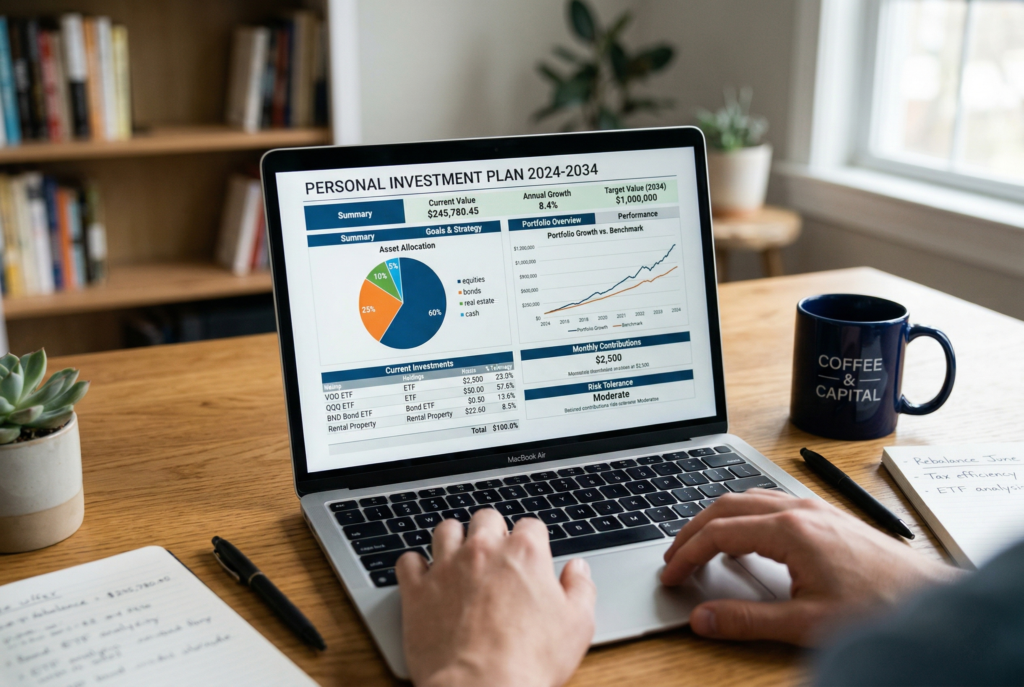
One of the best defenses against emotional investing is a written investment plan. A clear plan helps investors decide in advance how much risk they’re willing to take, what their goals are, and how they’ll respond to market fluctuations.
A good investment plan usually includes asset allocation, contribution strategy, rebalancing rules, time horizon, and the purpose of the money being invested. When those elements are already defined, investors are less likely to invent a new strategy during stressful market periods.
This matters because discipline is easier when decisions aren’t being made from scratch every time markets move. The plan becomes a framework that filters emotion through logic. Instead of asking, “What should I do right now?” the investor asks, “Does this situation actually require a change based on my original strategy?” That shift can prevent a lot of damage.
How to Stay Disciplined During Market Ups and Downs
Staying disciplined doesn’t mean ignoring the market completely. It means responding thoughtfully rather than reactively. One of the most effective ways to do this is to focus on long-term goals instead of short-term noise.
Automatic investing can help. When contributions happen on a set schedule, investors continue buying through different market conditions without having to make a fresh emotional decision each time. This reduces the temptation to wait for the “perfect” moment, which often never comes.
Rebalancing is another useful discipline tool. Instead of chasing what has recently performed best, rebalancing brings the portfolio back to its target allocation. That can naturally lead investors to trim assets that have grown too large and add to areas that have lagged, all within a structured process.
It also helps to limit overconsumption of financial media. Staying informed is useful, but constant exposure to dramatic headlines can make normal volatility feel like an emergency. Sometimes better investing behavior starts with reducing the number of voices trying to provoke a reaction.

Practical Ways to Avoid Emotional Investing
A few habits can make emotional investing less likely. The first is knowing your true risk tolerance. If your portfolio is too aggressive for your comfort level, you’re more likely to panic during downturns. A strategy only works if you can realistically stick with it.
The second is keeping appropriate expectations. Markets don’t move in a straight line, and even strong long-term strategies go through difficult periods. Accepting that reality in advance can make volatility easier to tolerate.
Another helpful step is creating decision rules. For example, some investors commit to waiting 48 hours before making any major portfolio change unless the change is tied to a life event or a clear strategic need. That pause can reduce impulsive choices.
It’s also smart to separate true financial planning decisions from market emotion. A portfolio may need changes because of retirement, income shifts, family needs, or tax planning. Those are legitimate reasons. Panic over a headline usually isn’t.
How Long-Term Investors Think Differently
Long-term investors often succeed not because they feel no emotion, but because they build systems that keep emotion from taking over. They understand that short-term market moves are part of the process, not a sign that every decline needs a response.
They also tend to focus more on what they can control. No one can control market returns, interest rates, or daily headlines. Investors can control savings rate, diversification, cost awareness, tax efficiency, and consistency. That mindset helps redirect attention away from fear and toward productive action.
This doesn’t mean long-term investors never make adjustments. It means changes are made for strategic reasons, not because the market had a rough week or a popular stock suddenly became exciting.
When Professional Guidance Can Help

For some people, emotional investing becomes easier to manage with an outside perspective. A qualified financial professional can help create an allocation that fits real goals and risk tolerance, not just idealized expectations during a strong market.
An advisor can also act as a buffer during stressful periods. Sometimes the most valuable role of an advisor isn’t picking investments. It’s helping investors avoid costly mistakes when emotions are running high. This can be especially useful during retirement transitions, major market downturns, inheritance decisions, or other life events where financial choices carry more pressure than usual.
Conclusion
Emotional investing is one of the biggest threats to long-term portfolio success because it can push investors to make decisions based on fear, greed, panic, or overconfidence instead of strategy. The market will always create emotional tests, but disciplined investors don’t let every headline or price swing dictate their next move. By building a clear investment plan, understanding risk tolerance, using habits like automatic investing and rebalancing, and focusing on long-term goals, investors can reduce costly mistakes and make smarter, more consistent decisions over time.

