You notice a musty smell in the closet, then a dark patch creeping along the baseboard. Your first call might be to your insurance company, but whether they pay depends entirely on what’s behind that wall, not on what you’re looking at.
Whether renters insurance covers mold depends almost entirely on what caused it. Mold is typically covered only if it results from a sudden, covered event, such as a burst pipe. If it develops because of a slow leak, high humidity, poor ventilation, flooding, sewer backup without an endorsement, or tenant negligence, the claim is usually denied.
Renters insurance covers your personal belongings, not the building itself. So furniture, clothing, bedding, rugs, and electronics damaged by mold after a covered water loss may be protected. Structural elements like walls, ceilings, flooring, cabinets, and plumbing are generally the landlord’s responsibility, not yours and not your insurer’s.
The Covered Peril Rule: When Are You Protected?
The rule here is simple even when the situations aren’t. Mold coverage follows the cause. If the cause was sudden, accidental, and covered by the policy, the resulting mold damage has a real chance of being paid.
Picture a pipe bursting behind the bathroom wall while you’re at work. Water spreads into your bedroom and soaks your dresser, clothes, and mattress. A few days later, mold appears on those items. Because the original event was sudden and accidental, your renters insurance may help pay to clean or replace the damaged belongings, subject to your deductible and policy limits.
Another example involves firefighting water. If a fire in the unit next door is put out with heavy water and that water seeps into your apartment, mold on your belongings may be treated as part of the covered fire related loss. Storm damage can qualify too, in limited cases. If wind breaks a window and rain enters directly through that opening, mold on your personal belongings may be covered. Ordinary rain seepage, basement flooding, and water rising from outside are treated very differently.
One nuance worth knowing: even when the underlying cause is covered, many policies apply a separate, smaller cap specifically for mold damage, often somewhere between $1,000 and $10,000, apart from your overall personal property limit. If you have a lot of belongings at risk, ask your insurer directly whether a higher mold specific endorsement is available.
When Mold Claims Get Denied

A mold claim denied letter often comes down to one of three words: gradual, excluded, or preventable.
Gradual leaks are a major problem. If a pipe drips slowly for months, the insurer may say the loss wasn’t sudden. If you noticed stains, odors, soft flooring, or recurring moisture but didn’t report it, the insurer may also argue tenant negligence.
Flood damage is another common exclusion. Standard renters insurance usually doesn’t cover outside floodwater. If stormwater enters the apartment from the ground, any mold that follows may be excluded unless you have separate flood insurance.
Sewer backup carries the same risk. If sewage comes up through a toilet, tub, or drain, a standard policy will likely deny the loss unless you added water backup coverage. Sump pump overflow tends to run into the same problem.
Humidity and poor ventilation rarely qualify. Mold in bathrooms, closets, or window corners caused by everyday moisture, weak airflow, or not using a fan is generally treated as a maintenance issue, not an insurance one.
Landlord Responsibility for Mold: The Great Divide
The most confusing part of mold damage renters insurance is the split between your property and the building.
Your landlord is usually responsible for keeping the rental unit habitable. That includes fixing plumbing leaks, repairing roof problems, removing damaged drywall, correcting structural moisture issues, and arranging proper mold remediation when the building itself is affected. Your renters insurance is different. It doesn’t rebuild the apartment. It protects your personal belongings and may provide loss of use coverage if the apartment becomes unlivable because of a covered loss. For example, if hidden plumbing inside the wall causes mold, your landlord or the landlord’s insurance may need to repair the wall and plumbing. Your renters policy may help with your mold damaged clothing or furniture only if the cause fits your policy.
This is why written communication matters. If you discover mold, notify the landlord immediately by email or text. A phone call is useful, but written proof is stronger. It shows that you acted quickly and didn’t ignore the problem.
Black Mold Renters Insurance: Is It Treated Differently?
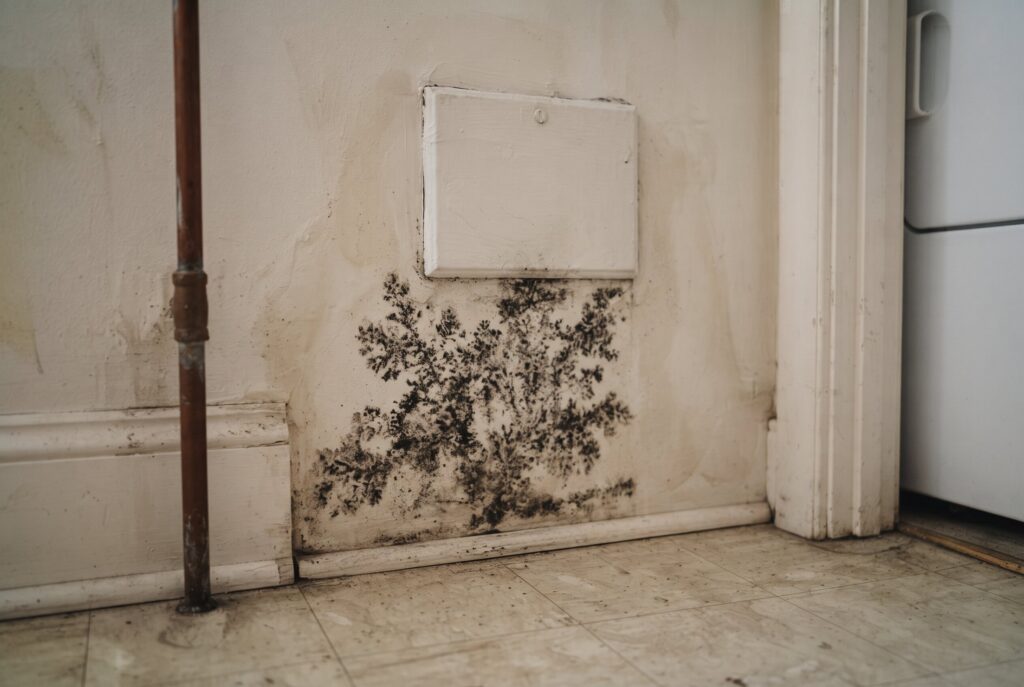
Black mold sounds more frightening than other kinds, but insurance usually doesn’t decide coverage based on color. The insurer still asks what caused it. Black mold from a covered burst pipe has a real chance at coverage. Black mold from long term dampness, poor ventilation, or a neglected leak is likely to be denied, regardless of how it looks.
Health concerns are real and shouldn’t be minimized, but renters insurance isn’t a medical diagnosis tool. If you’re experiencing symptoms, contact a medical professional and ask your landlord for a proper inspection. According to the EPA, if you can see or smell mold, testing to identify the exact species usually isn’t necessary. The priority is removing the moisture source and remediating the mold itself, regardless of type.
Remediation costs vary depending on severity. Professional mold remediation for a single room typically runs $500 to $3,000, and whole apartment remediation can cost significantly more. If the underlying cause is covered, your renters policy may reimburse you for damaged belongings and eligible loss of use expenses, but remediating the structure itself is generally the landlord’s cost to bear, not yours and not your insurer’s.
The Loss of Use Lifeline
Loss of use coverage can help if your apartment becomes unsafe or unlivable because of a covered mold related event. It may pay extra costs such as hotel stays, temporary rentals, laundry, storage, and added meal expenses while repairs happen. But the same rule applies: the mold must come from a covered peril. If the insurer denies the underlying mold claim because it came from long-term humidity or excluded floodwater, loss of use may also be denied. Before booking a hotel, call your insurer. Ask whether the situation appears covered, what daily limits apply, and what receipts you need to keep.
What To Do in the First 24 Hours

A renter in Portland noticed a musty smell near her bathroom window and reported it to her landlord before mold appeared. Because she documented the issue early, the insurer determined she hadn’t ignored the water intrusion. Her claim for damaged towels and a bathmat was approved. Renters who delay reporting moisture or mold often have a much harder time getting a claim approved.
Here’s what to do if you’re in that position right now:
- Document before you clean. Take wide photos of the room, close photos of the mold itself, video showing where the moisture is coming from, and pictures of any damaged belongings.
- Save your records. Receipts, serial numbers, purchase records, and any prior repair notices all strengthen your position.
- Notify your landlord in writing. State where the mold is, when you found it, whether water is still present, and whether the apartment feels unsafe to stay in.
- Contact your renters insurer. Ask how to open a claim and what documentation they’ll want to see.
- Move damaged items only if it’s safe. Avoid contact with contaminated water, electrical hazards, or heavy mold growth. If you have to throw something away for health reasons, photograph it first.
Conclusion
Does renters insurance cover mold damage? Sometimes. It may whether renters insurance covers mold isn’t determined by the mold itself, but by what caused it. If the moisture came from a sudden, covered event, your damaged belongings may be protected. If it developed over time because of maintenance issues or excluded water damage, you’re likely responsible for the cost.
The best way to avoid an expensive surprise is to know your policy before you need it. Review your coverage, ask whether water backup protection is available, report leaks as soon as they happen, and keep records of your belongings. When it comes to mold claims, the cause of the damage and how quickly you respond often matter more than the mold itself.