
When your income changes from month to month, traditional budgeting advice can feel unrealistic. One month you’re ahead, the next you’re scrambling to cover basics. Freelancers, commission-based professionals, small business owners, gig workers, and seasonal employees across the United States face this challenge every year.
The key to staying financially stable isn’t predicting income perfectly. It’s building a system that absorbs fluctuations without creating constant stress. With the right structure, you can manage irregular pay, cover essential expenses, and still move forward on savings and long-term goals.
Why Inconsistent Income Requires a Different Budgeting Strategy
Most budgeting frameworks assume steady paychecks. Fixed allocations work well when income doesn’t vary much. But when earnings rise and fall, a rigid monthly plan can cause unnecessary anxiety.
Instead of relying on exact dollar targets, variable-income budgeting focuses on flexibility, cash reserves, and prioritization. Stability doesn’t come from knowing exactly what you’ll earn next month. It comes from knowing how you’ll handle whatever arrives. That mindset shift alone can reduce financial pressure.
Calculate a Conservative Monthly Income Baseline
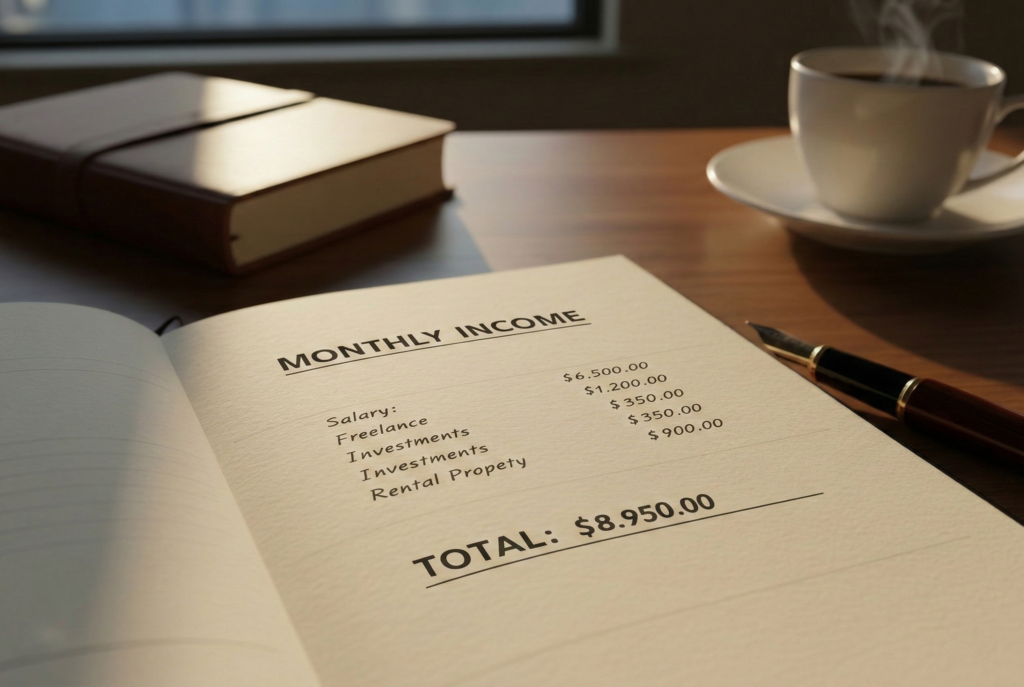
The foundation of budgeting with irregular income is choosing a realistic baseline. Review the last six to twelve months of deposits and identify your lowest earning month, your highest earning month, and your overall average.
While it may be tempting to budget from the average, that can create problems in slower periods. A more stable approach is to budget based on your lower consistent months. This ensures your essential expenses remain covered even when work slows down.
If you’re newer to variable income, start conservatively and reassess after several months of tracking real data. It’s better to underestimate and have extra than to overestimate and fall short.
Identify Your Essential Monthly Expenses Clearly
Next, determine the minimum amount required to maintain your household. This includes housing, utilities, groceries, transportation, insurance, healthcare, and minimum debt payments. Separate these from lifestyle spending such as dining out, subscriptions, travel, or nonessential shopping. Clarity is critical. When income dips, you’ll know exactly what must be covered first.
In higher-cost areas, housing may consume a large portion of income. If your essentials regularly exceed your conservative income baseline, long-term stability may require structural adjustments such as refinancing, relocating, or restructuring debt. Short-term budgeting won’t solve a permanent imbalance.
Create a Two-Tier Budget Structure
A practical approach for inconsistent income is using a two-tier system. The first tier covers essential expenses. This is your non-negotiable foundation. The second tier includes financial goals and lifestyle spending. These categories expand and contract depending on how strong the month is.
When income is lower, you focus primarily on tier one. When income is higher, you fund tier two more aggressively. This structure prevents overspending during strong months and panic during slower ones.
Smooth Your Cash Flow with a Holding Buffer
One of the most effective tools for irregular income is a buffer account. Instead of spending income immediately as it comes in, you allow deposits to accumulate in a separate account. Then you transfer a consistent “paycheck” to yourself on a set schedule.
For example, you might pay yourself twice per month based on your conservative baseline. During higher-income months, the surplus stays in the buffer. During slower months, the buffer fills the gap.
In the long run, aim to build at least one month of essential expenses in this holding account. Many financially stable self-employed professionals work toward two to three months. This creates breathing room and reduces dependence on credit cards during slow periods.
Plan for Taxes If You Aren’t Withholding Automatically

If you’re self-employed or earning contract income, taxes can become one of the biggest destabilizing factors. Without automatic withholding, it’s easy to underestimate what you owe. A disciplined system is crucial. Set aside a percentage of every deposit for federal and state taxes before allocating funds elsewhere. Keeping this money in a separate savings account prevents accidental spending.
Quarterly estimated tax payments are required for many independent earners. Missing them can result in penalties that strain your budget further. Working with a qualified tax professional can provide clarity on appropriate withholding percentages and deductions.
Use Strong Months Strategically
When income exceeds your baseline, resist the urge to immediately expand lifestyle spending. Higher months should strengthen your financial foundation.
Prioritize building or replenishing your emergency fund. Then consider accelerating high-interest debt repayment or increasing retirement contributions, especially if you don’t have access to employer-sponsored plans. This strategy creates a stabilizing effect over time. Strong months build resilience that protects you during weaker months.
Keep Fixed Costs as Low as Reasonably Possible

High fixed expenses reduce flexibility. Large car payments, premium subscriptions, or expensive housing commitments can make slow months more stressful than necessary. That doesn’t mean living uncomfortably. It means maintaining fixed costs at a level that your lower-income months can reasonably support. The more flexibility you maintain in your expense structure, the less pressure you’ll feel when income fluctuates.
Track Income and Expenses Frequently
When pay is inconsistent, waiting until the end of the month to review finances isn’t effective. Weekly check-ins allow you to see patterns early. Monitor incoming payments, upcoming bills, and account balances. This habit reduces surprises and supports better decision-making about discretionary spending. Digital budgeting tools can help, but a simple spreadsheet or written ledger works just as well if used consistently.
Strengthen Your Emergency Fund Over Time
An emergency fund is especially important when income fluctuates. Ideally, it should cover three to six months of essential expenses. For variable earners, even the lower end of that range provides meaningful protection.
This fund isn’t for routine low-income months. It’s for true emergencies such as medical issues, major repairs, or unexpected job interruptions. Building this reserve gradually during strong months creates long-term financial security.
Maintain Retirement Contributions Even If They Fluctuate
Retirement savings can feel secondary when income varies, but consistency matters. If possible, set a minimum contribution level that fits within your conservative baseline.
During stronger months, increase contributions temporarily. Over time, these flexible increases can significantly improve long-term outcomes without creating pressure during lean periods. For self-employed individuals, options such as SEP IRAs or Solo 401(k)s can provide tax advantages while allowing contribution flexibility.
Accept That Income Volatility Requires Emotional Discipline
Budgeting with inconsistent income isn’t only about math. It requires emotional steadiness. High-income months can create overconfidence. Low-income months can create unnecessary fear. A structured system reduces emotional swings. When you know your essentials are covered and you’ve planned for variability, income fluctuations feel manageable rather than threatening. Consistency in process matters more than perfection in numbers.
Conclusion
Learning how to budget with inconsistent income and stay financially stable requires structure, discipline, and flexibility. By setting a conservative income baseline, clearly defining essential expenses, building a cash buffer, planning for taxes, and using higher-income months strategically, you create a system that absorbs fluctuations rather than being disrupted by them.
Income may vary, but your financial stability doesn’t have to. With thoughtful planning and consistent review, you can reduce stress, avoid unnecessary debt, and continue progressing toward long-term goals, even when your paycheck isn’t predictable.