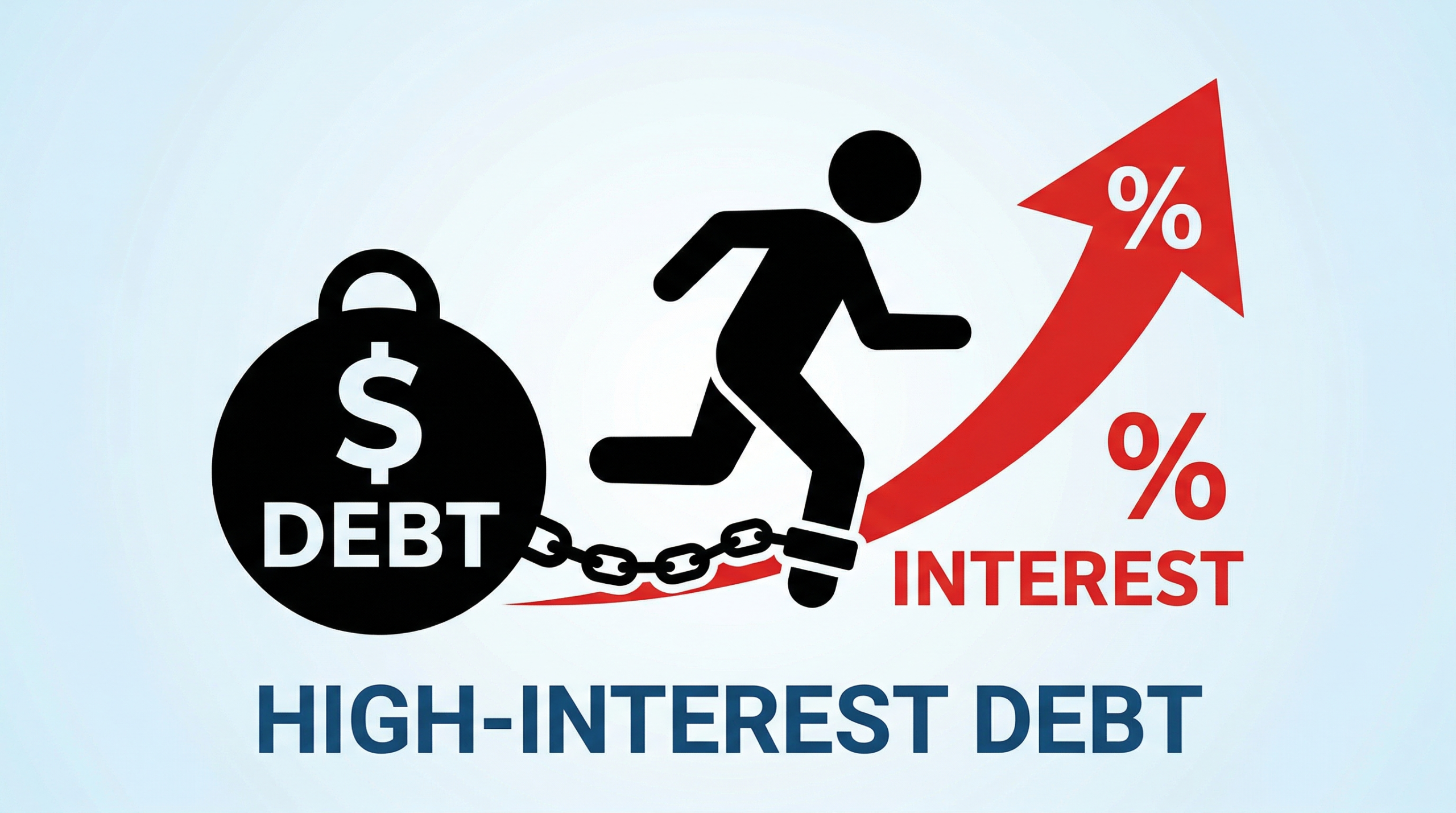
Paying off high-interest debt can feel overwhelming, especially when a large share of every payment goes toward interest instead of reducing what you actually owe. The good news is that with the right strategy, it’s possible to make faster progress, lower the total cost of repayment, and regain more control over your monthly budget. A clear plan can help you stop debt from growing and start moving toward real financial relief.
Why High-Interest Debt Is So Expensive
Not all debt works against your finances in the same way. High-interest debt, especially from credit cards and certain personal loans, becomes expensive because interest keeps adding to the balance month after month. When rates are high, even a relatively modest balance can take far longer to pay off than people expect.
This creates a frustrating cycle. You make payments, but the principal doesn’t fall very quickly because so much of the payment is absorbed by interest charges. If new purchases or fees are added on top of that, the debt can become even harder to manage.
That’s why high-interest debt deserves urgent attention. The longer it stays in place, the more money it drains from your budget. Paying it off faster doesn’t just reduce debt. It also helps protect your cash flow and gives you more room to save, invest, or cover essentials without relying on credit.
Start by Listing Every Debt You Owe
The first step is knowing exactly what you’re dealing with. Many people feel stressed about debt in general terms, but real progress usually starts when the numbers are written out clearly.
List each balance, APR, minimum payment, and due date. Include credit cards, personal loans, store financing, and any other debts carrying meaningful interest. Once everything is visible in one place, it becomes easier to see which balances are costing you the most and where your repayment efforts will have the greatest impact.
This step matters because debt is easier to fight when it stops feeling vague. A clear list turns a stressful problem into something measurable and manageable. It also helps you avoid missed payments, which would only add late fees and more financial pressure.

Focus on the Debt That Costs the Most
If your goal is to save the most money on interest charges, the most effective strategy is usually the debt avalanche method. With this approach, you make the minimum payment on all debts and put every extra dollar toward the balance with the highest interest rate first. Once that debt is paid off, you move the freed-up payment amount to the next highest-rate debt. Over time, this creates momentum while also reducing the total interest you pay.
This method works because interest rate matters more than balance size when the goal is cost efficiency. A smaller balance with a very high APR may be more urgent than a larger balance with a lower rate. By attacking the most expensive debt first, you reduce the drag on your budget more effectively.
Some people still prefer the debt snowball method, which targets the smallest balance first for motivation. That can work too, especially if quick wins help you stay committed. But from a pure interest-saving standpoint, the avalanche method is usually stronger.
Always Pay More Than the Minimum When You Can

Minimum payments are designed to keep the account in good standing, but they rarely help you get out of debt quickly. In many cases, they mostly cover interest and only chip away at the principal. That’s why balances can linger for years even when payments are made consistently.
Paying more than the minimum, even by a modest amount, can make a noticeable difference. Every extra dollar above the required payment helps reduce principal faster, which means less interest builds going forward. This creates a compounding benefit in your favor.
For example, adding a fixed extra amount each month or sending additional payments whenever you have extra cash can shorten the repayment timeline substantially. The key is consistency. You don’t need a perfect month to make progress, but you do need a pattern of paying more whenever possible.
Cut Interest Costs by Lowering Your Rate
One of the fastest ways to reduce the cost of debt is to lower the rate attached to it. If you qualify, a balance transfer card or debt consolidation loan may help reduce the amount of interest you pay while making repayment more manageable.
A balance transfer can be useful if you qualify for a promotional low-rate or zero-interest period and can realistically pay down a meaningful portion of the balance before that period ends. A debt consolidation loan may also help if it gives you a lower fixed rate than the credit cards you’re currently carrying.
Still, this only works if the new loan or card truly improves your situation. Fees, promotional deadlines, and repayment terms matter. Consolidation can be a smart tool, but it isn’t a cure on its own. If spending habits don’t change, balances can build again and leave you with both old problems and new ones. The goal should be simple: use lower-cost borrowing only when it helps you eliminate debt faster, not just rearrange it.
Stop Adding New Debt While You’re Paying It Off
A repayment plan becomes much harder when new charges keep appearing. Even strong payoff efforts can stall if credit cards continue being used for everyday gaps in the budget. That’s why one of the most important steps is creating enough separation between current spending and existing debt.
This doesn’t necessarily mean every card must be closed. In some cases, closing accounts can create other issues. What matters more is changing how they’re used. If possible, pause unnecessary card spending while you focus on repayment. Use cash, debit, or a controlled spending plan for daily expenses instead.
This part is often harder than choosing a payoff method because it requires confronting the reason the debt built up in the first place. For some households, the issue is overspending. For others, it’s low income, rising costs, emergencies, or inconsistent cash flow. Whatever the cause, debt payoff works best when the balance is no longer growing in the background.
Build a Budget That Supports Faster Repayment
You can’t pay off high-interest debt faster without knowing where extra repayment money will come from. A realistic budget helps identify that money. The goal isn’t to create a perfect spreadsheet. It’s to find room for more aggressive payments without ignoring essential expenses.
Start by separating fixed costs from flexible spending. Housing, utilities, transportation, groceries, insurance, and minimum debt payments usually form the core of the budget. After that, look closely at the areas where spending can realistically be reduced. Subscription services, dining out, impulse shopping, convenience spending, and lifestyle upgrades often hold opportunities for redirecting cash toward debt.
The most effective budget is the one you can actually maintain. Extreme cuts may work briefly, but a plan that feels impossible usually won’t last. A better approach is to make targeted reductions that free up money consistently month after month.

Use Windfalls and Extra Income Strategically
Large progress often comes from money that isn’t part of your regular paycheck. Tax refunds, bonuses, freelance income, overtime pay, rebates, gifts, or proceeds from selling unused items can all become powerful debt reduction tools.
Instead of absorbing those funds into general spending, direct at least part of them toward your highest-interest balance. A single extra payment can reduce principal more than several ordinary payments if it arrives at the right time.
This is one of the fastest ways to break through debt plateaus. Regular monthly payments create steady progress, but occasional lump sums can speed up the process dramatically. Even smaller windfalls matter. The important thing is using them with purpose instead of letting them disappear into routine spending.
Consider Negotiating or Asking for Hardship Help
If you’re struggling to keep up, it may be worth contacting your lender or card issuer directly. In some cases, they may offer a hardship plan, reduced interest rate, waived fees, or a modified payment arrangement. Not every creditor will help, but asking can be worthwhile, especially if you’ve been a reliable customer and your financial situation has changed.
This step can be especially useful if rising interest charges are making it hard to gain traction. A lower rate, even temporarily, may free up more of your payment to reduce principal instead of being consumed by finance charges. The key is acting before the situation becomes worse. Once accounts are severely delinquent, options may become more limited. Reaching out early gives you a better chance of finding a workable adjustment.

Avoid Common Debt Payoff Mistakes
A few mistakes can quietly slow down progress. One of the most common is focusing only on monthly payment size instead of total cost. A lower monthly payment may feel easier, but if it comes with a much longer term, it can increase total interest paid.
Another mistake is spreading extra payments too thinly across every account. While it may feel balanced, that approach often reduces momentum. Concentrating extra money on one target debt at a time usually works better.
Some people also make the mistake of paying aggressively without keeping even a small emergency cushion. Then, when a surprise expense hits, they go right back to the credit card. A modest safety buffer can help prevent setbacks while you’re still working on payoff.
Conclusion
Paying off high-interest debt faster starts with a clear plan, focused payments, and a commitment to reducing the balances that cost you the most in interest charges. By organizing your debts, targeting the highest rates first, paying more than the minimum, lowering your interest where possible, and stopping new balances from building, you can make meaningful progress and save money over time. The process may not feel fast at first, but every extra payment reduces future interest and moves you closer to financial breathing room.