


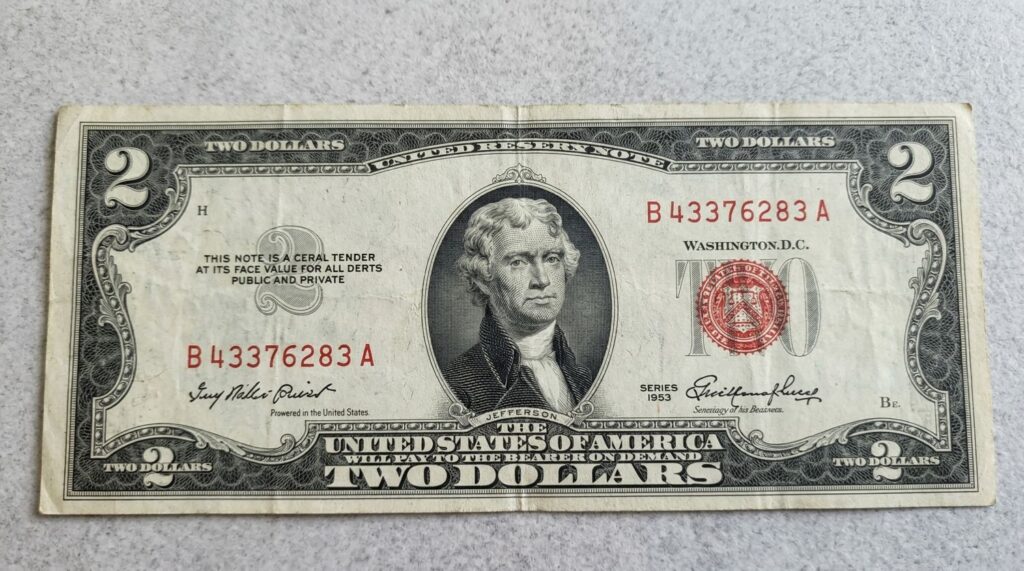
If you’ve found a 1953 note with a red seal, you’re probably asking two questions at once. First, what is the real 1953 2 dollar bill value? Second, is it a silver certificate or something else entirely? That confusion is common because older U.S. notes look similar at first glance, but small details make a big difference. A 2 dollar bill worth more than face value usually depends on the series, condition, star note status, and whether the bill is a true collector piece or just an old note with everyday wear. This guide gives you a quick value framework, explains the red seal versus silver certificate issue, and shows what actually makes these $2 bills worth money.
1953 $2 Bill Value Chart
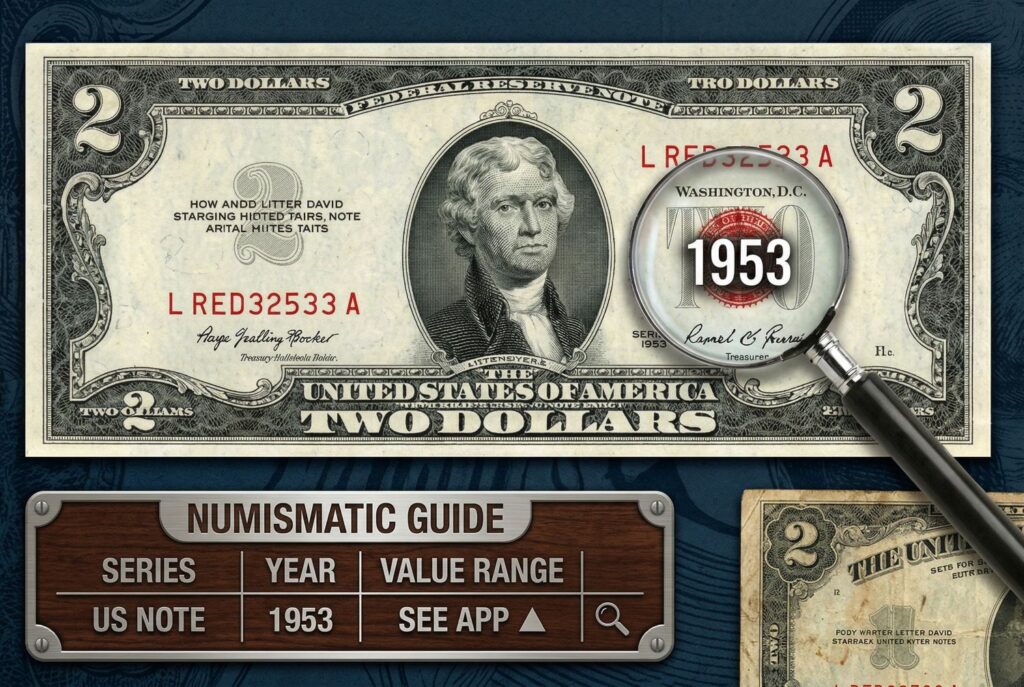
Before getting into the finer details, here’s the practical answer to how much is a $2 bill worth if it’s dated 1953. Most ordinary circulated notes from the 1953, 1953A, 1953B, and 1953C series usually sell for a modest premium over face value.
In many cases, circulated examples land in the low single digits to low teens, depending on eye appeal and exact series. Uncirculated notes carry much stronger premiums, and star notes can rise significantly higher than standard issues. The 1953C star note is usually the most desirable among the regular 1953 series because high grade replacement notes can command substantial collector interest. Heritage Auctions records show a 1953 $2 star note graded PMG 66 EPQ sold for $384 in June 2025, while another 1953C $2 star note graded PMG 66 EPQ appeared in major auction channels with premium-level positioning as well.
As a simple rule of thumb, an ordinary circulated note is usually a modest collectible, an uncirculated red seal note is more attractive, and a certified star note in high grade is where values become much more serious. That’s the difference between a sentimental old bill and one of the dollar bills worth money.
| Series | Circulated | Uncirculated | Star Notes |
|---|---|---|---|
| 1953 | $3 – $12 | $20 – $60 | $100+ |
| 1953A | $3 – $10 | $18 – $50 | $90+ |
| 1953B | $3 – $10 | $18 – $50 | $90+ |
| 1953 | $3 – $12 | $20 – $70 | $120+ |
Red Seal vs. Silver Certificate: What Do You Actually Have?
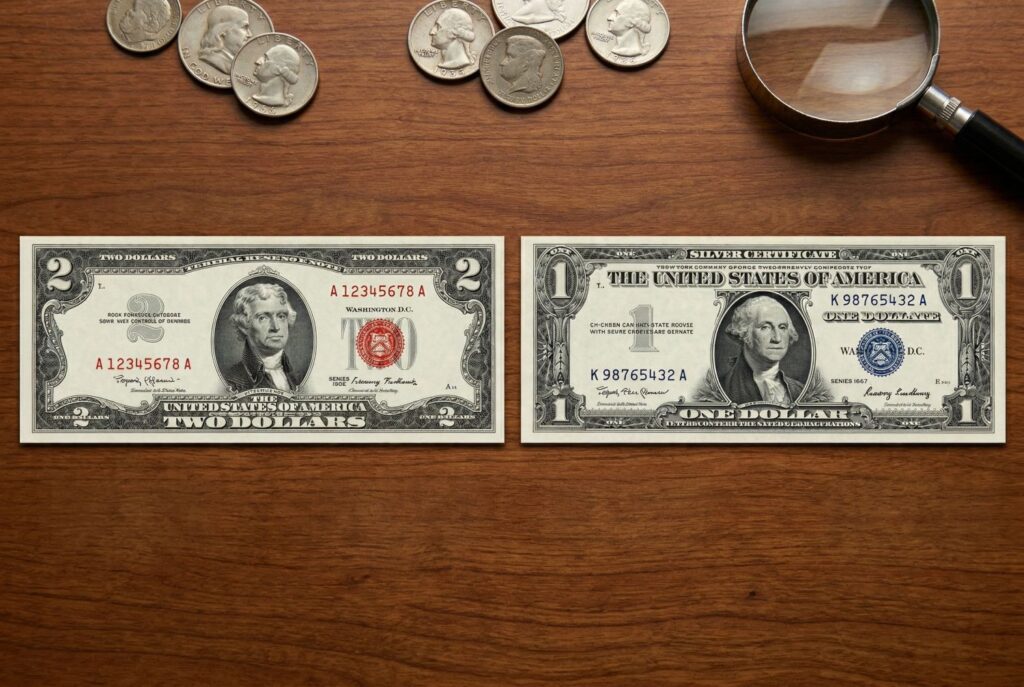
This is where many people get tripped up. A 1953 $2 bill with a red seal isn’t a silver certificate. It’s a United States Note, often called a red seal note because of the red Treasury seal and red serial numbers. A silver certificate is a different type of U.S. paper money and typically carries a blue seal, not a red one. So if you’re holding a red seal 1953 bill, you don’t have a silver certificate, even though both look older and more collectible than modern Federal Reserve Notes.
That matters because $2 bills worth anything is often the wrong first question. The better question is what kind of note you actually own. Once you identify a 1953 bill as a red seal United States Note, valuation gets much easier. The silver certificate confusion causes many owners to overestimate rarity, especially when the bill has been folded, handled, or kept loose in a drawer for decades. Older doesn’t automatically mean scarce, and scarce doesn’t automatically mean high grade.
3 Factors That Make Your 1953 $2 Bill Worth Money
The Rare Star Notes
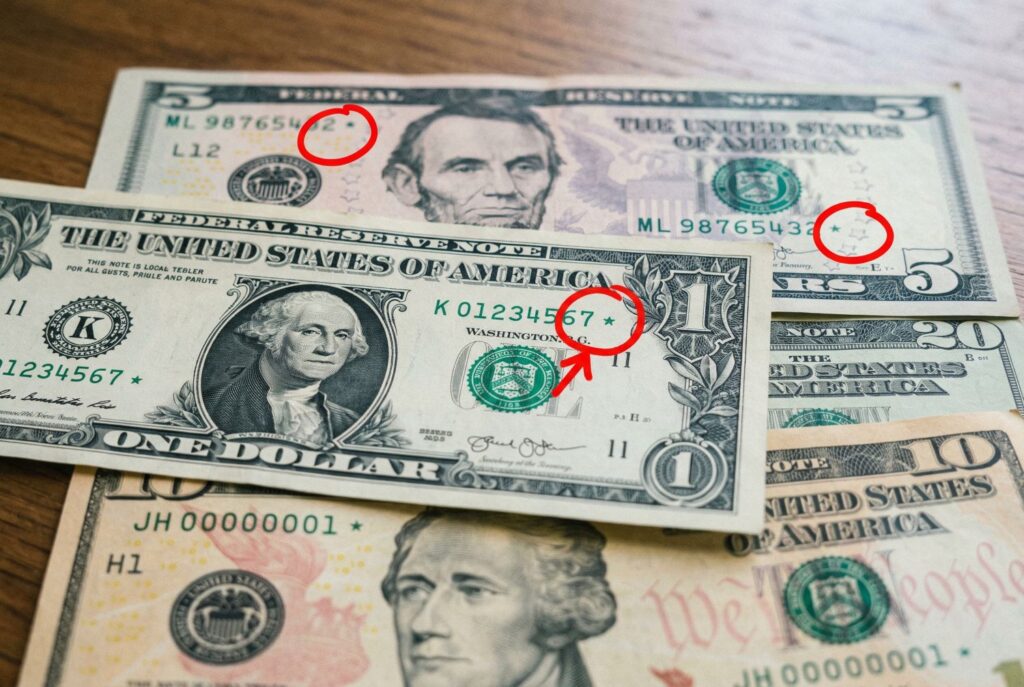
If your 1953 note has a star in the serial number position where the suffix letter would normally appear, that’s a replacement note. Star notes were printed to replace notes removed during production, and collectors usually pay far more attention to them than to standard notes. This is one of the clearest reasons some $2 bills worth money pull ahead of ordinary examples. A regular circulated note may only bring a modest premium, while a high grade star note can jump sharply once certification confirms the condition.
The key point is that not every star note is automatically a windfall. Condition still matters. A limp, stained, heavily folded star note won’t behave like a crisp certified example. But if you find a clean, well-preserved red seal star note, it deserves a closer look.
Fancy Serial Numbers
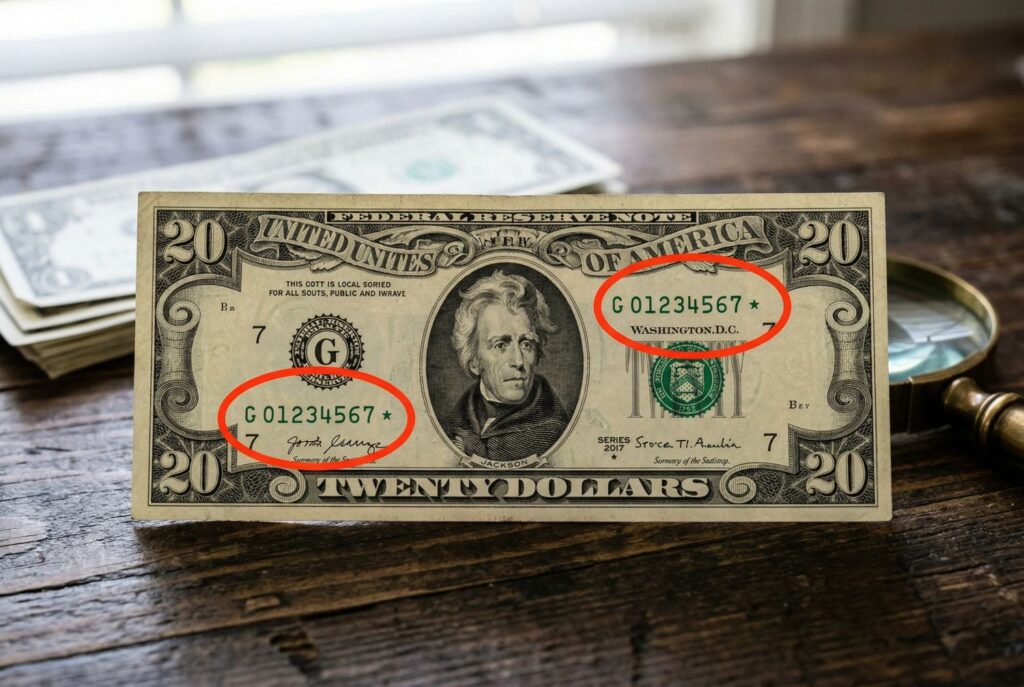
Serial numbers can transform a common note into a collectible one. Low serial numbers, radar numbers, ladders, repeaters, and other fancy patterns attract specialists who collect number patterns as much as paper money itself. This is one of the reasons why $2 bills worth anything have no one-size-fits-all answer. A standard 1953 note may be ordinary, but a 1953 note with a visually striking serial can carry a much better premium than the same series in the same grade with a random number string.
This is also where many owners miss value. They focus only on the date and ignore the serial. If you’re checking a 1953 note, always inspect the number before assuming it’s common.
Condition and PMG Grading
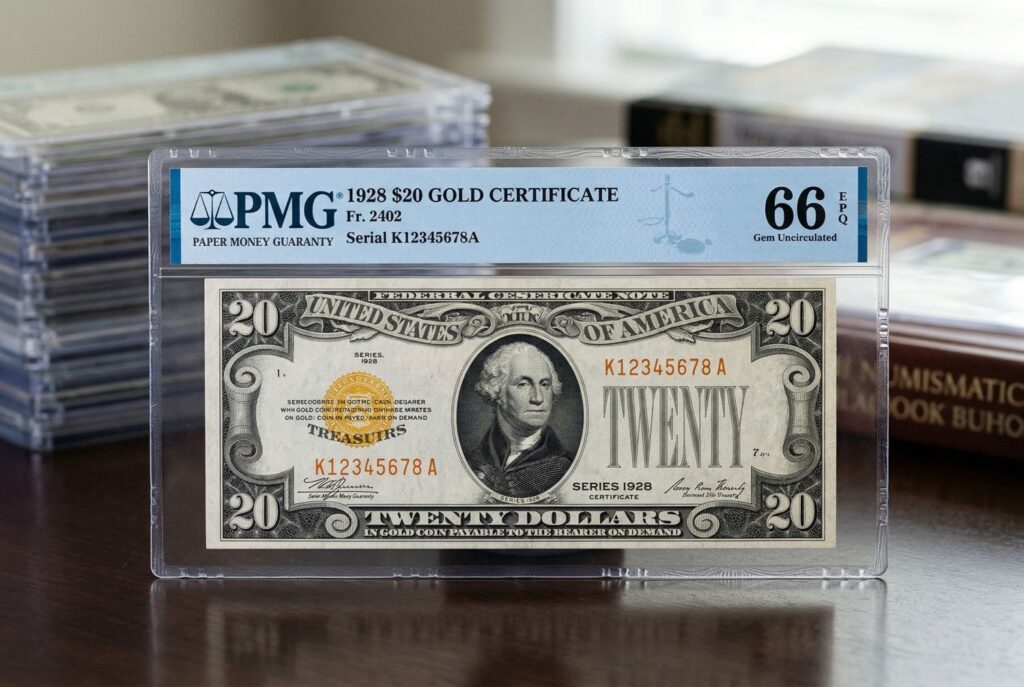
Condition drives value more than many beginners expect. A note that technically has the right year and seal can still be worth very little if it has tears, stains, heavy folds, rounded corners, or washed-out paper. Third-party grading services such as PMG and PCGS help standardize this. A circulated note may still be collectible, but once a bill reaches Gem Uncirculated territory, the value picture changes fast.
This is why professional grading matters most when the note already shows real promise. If the bill is a star note, has strong eye appeal, or appears exceptionally crisp, certification can increase buyer trust and make pricing much easier. If the bill is ordinary and worn, grading often isn’t worth the cost.
Proof of Value: Verified Auction Records

The strongest way to understand 2 dollar bills worth isn’t by reading optimistic asking prices. It’s by looking at actual sales records. Auction results show what collectors were truly willing to pay, and they separate hype from reality. A 1953 legal tender star note graded PMG 66 EPQ sold through Heritage Auctions in June 2025 for $384, which confirms that high grade star notes from this series can carry meaningful premiums. Other auction platforms and dealer channels also show certified 1953C star notes in the PMG 63 to 66 range consistently presented as premium items rather than ordinary red seal currency.
That doesn’t mean every red seal note is in that league. It means the market rewards scarcity plus grade. Ordinary circulated notes are collectible, but exceptional examples are what create serious action. That’s what separates curiosity pieces from true dollar bills worth money.
Conclusion
If you’re holding a red seal note and wondering about the real 1953 2 dollar bill value, start with three checks. First, confirm that it’s a United States Note and not a silver certificate. Second, look for a star and inspect the serial number carefully. Third, be honest about the condition. A worn common note is usually best kept as a modest collectible or family keepsake. A crisp star note, a fancy serial number, or a bill with unusually strong eye appeal may be worth deeper research, and sometimes professional grading.
Before selling, compare your note to actual sold listings, not just wishful asking prices. If the note seems exceptional, a reputable currency dealer or major auction platform may be the better route. If it’s ordinary, grading fees may cost more than the premium you’d gain. That’s the practical way to approach 1953 2 dollar bill value without falling for myths.

