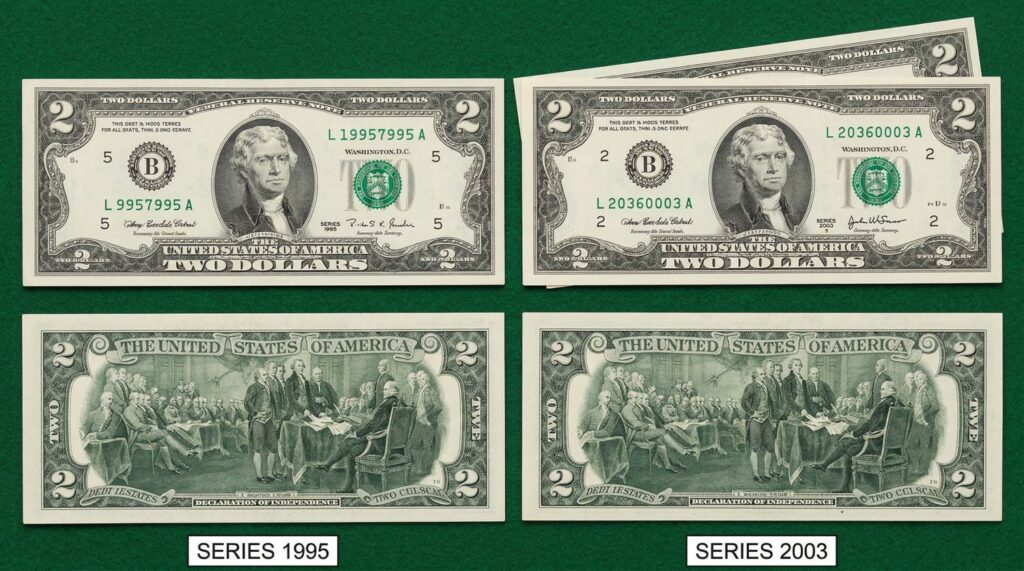
Are $2 bills worth anything? That’s the question many people ask after finding an old note tucked inside a drawer, wallet, or envelope. The truth is that a 2 dollar bill worth more than face value usually depends on very specific details, not just the year printed on it. A lot of people hold onto modern notes from 1995 and 2003 hoping they’ve found a hidden treasure, but most examples aren’t rare. Still, a few are absolutely $2 bills worth money, especially if they have star notes, unusual serial numbers, or real printing errors. This article follows the requested layout and keyword focus from your files.
The Brutal Truth: Are $2 Bills Worth Anything If Printed Recently?
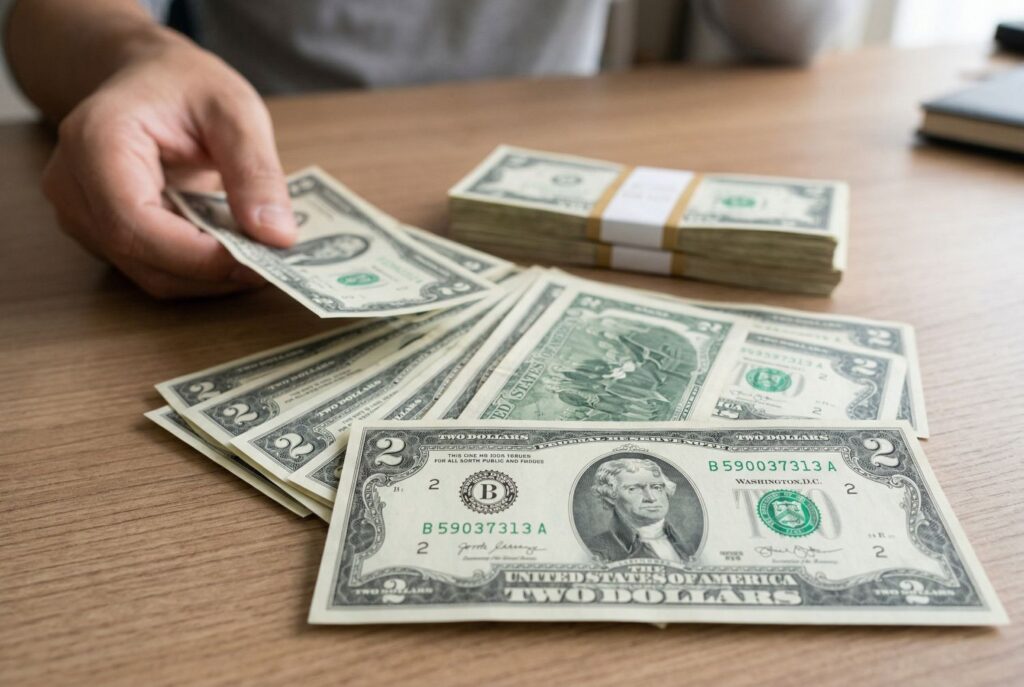
Let’s start with the honest answer. Most recently printed $2 bills aren’t rare, and most circulated examples are only worth two dollars. That may sound disappointing, but it’s also the clearest way to avoid myths and inflated expectations.
If you’re asking how much is a $2 bill worth, the answer for most 1995 and 2003 notes is simple. In circulated condition, they’re usually worth face value. That’s especially true if the bill has folds, soft corners, dirt, or general handling wear. A lot of internet content makes it sound like any older $2 bill is automatically special, but that isn’t how modern paper money works.
This is where people get confused about $2 bills worth money. A bill can feel uncommon in daily life because you don’t see it often, but that doesn’t mean it’s scarce in the collector market. Modern notes can still be collectible, but the value usually comes from condition, star note status, or very specific unusual traits.
So yes, are $2 bills worth anything? Some are. But most recent ones only become valuable when they offer more than the date alone.
1995 $2 Bill Value: The Exact Pricing Chart
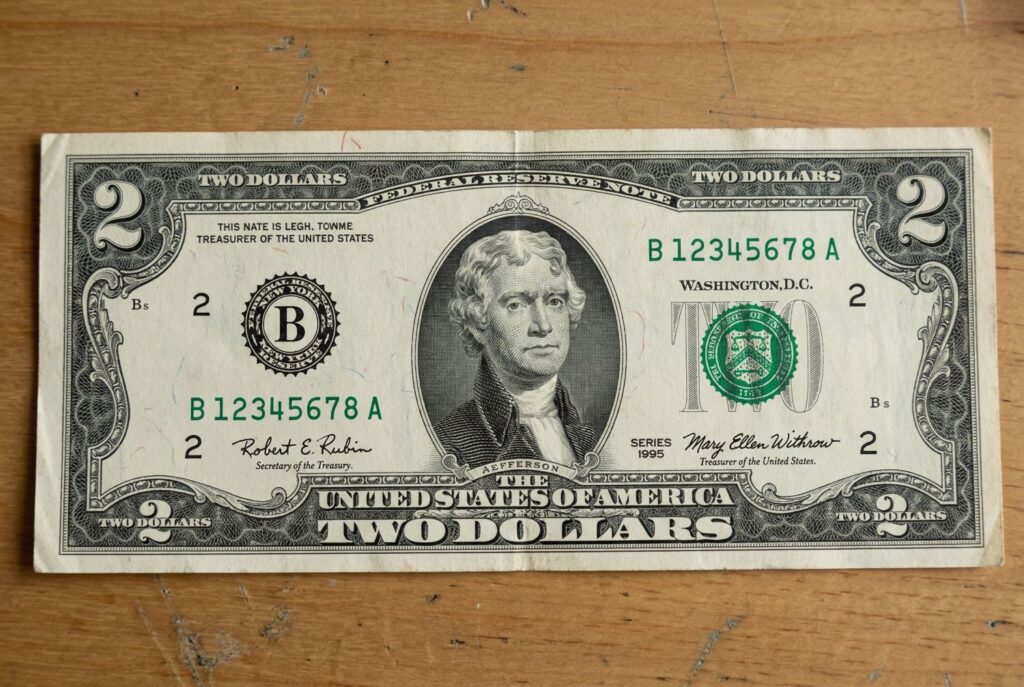
The 1995 $2 bill value is easier to understand when you separate ordinary notes from premium examples. A normal circulated 1995 note is generally worth face value. That means about $2. If it has been folded, carried, or spent, collectors usually won’t pay much extra for it. This is the most common outcome.
An uncirculated 1995 note is more interesting. If the paper is crisp, the corners are sharp, and the note hasn’t entered circulation, the 1995 $2 bill value can rise to around $5.50. The premium isn’t enormous, but it’s real, especially for collectors who want clean modern examples.
Then there’s the Atlanta anomaly. Regular non-star 1995 notes were issued only for the Federal Reserve Bank of Atlanta. That detail matters because it makes district identification part of the story. It doesn’t automatically turn every Atlanta note into a jackpot, but it does make the series more specific than many people realize. If you’re checking a 1995 bill, don’t stop at the year. Look at the condition, district, and whether the note includes a star. Those details matter much more than wishful thinking.
| Category | Value | Notes |
|---|---|---|
| Circulated | $2 (Face Value) | Common, widely used notes with folds or wear |
| Uncirculated | ~$5.50 | Crisp condition, sharp corners, no circulation |
| Atlanta Issue (FRB Atlanta) | $2 – $5.50+ | Regular 1995 notes were issued only for Atlanta; value depends on condition, not rarity alone |
2003 $2 Bill Value: Premium Traits to Look For
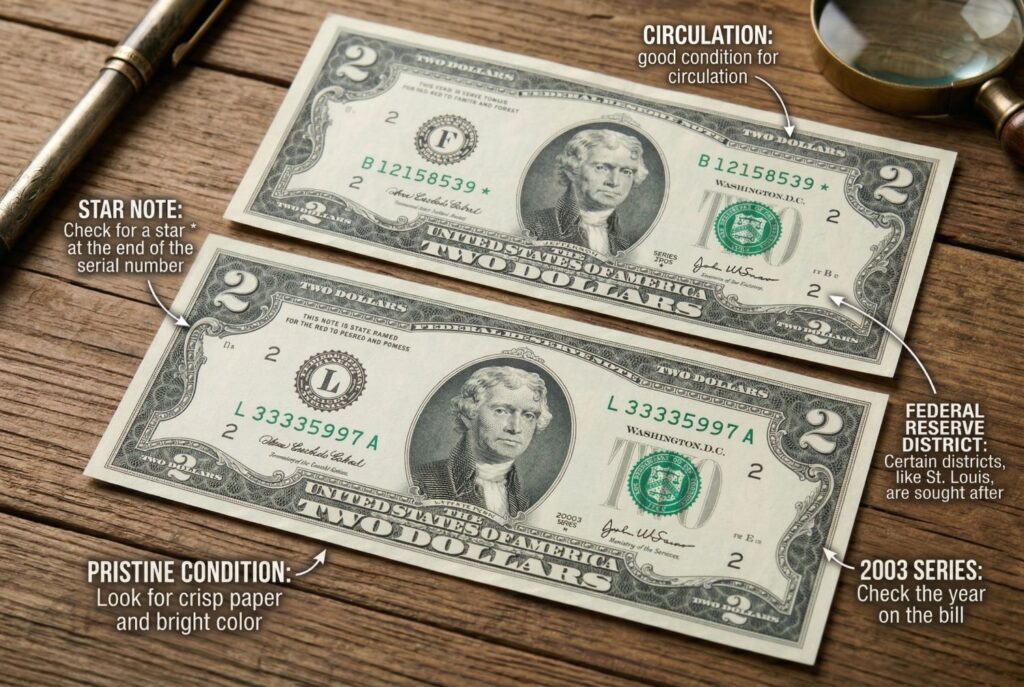
The 2003 $2 bill value follows a similar pattern, but there are a few premium traits that make certain notes more desirable than others. A standard circulated 2003 note is usually worth face value. Just like 1995 notes, most examples that have been spent don’t command a serious premium. A fresh uncirculated 2003 note can sell for a bit more, especially if the paper remains bright and crisp, but ordinary pieces still stay modest in value.
Where the 2003 $2 bill value gets more interesting is with star notes and district differences. Some collectors pay closer attention to specific Federal Reserve districts, and St. Louis star notes often get more attention than other common modern examples. That doesn’t mean every St. Louis note is rare, but it does mean the district can influence collector demand.
So if you have a 2003 note, ask these questions. Is it uncirculated? Is it a star note? Does it come from a district collectors actively seek? Those answers tell you much more than the year alone.
Star Notes and the Millennium 1995 Series
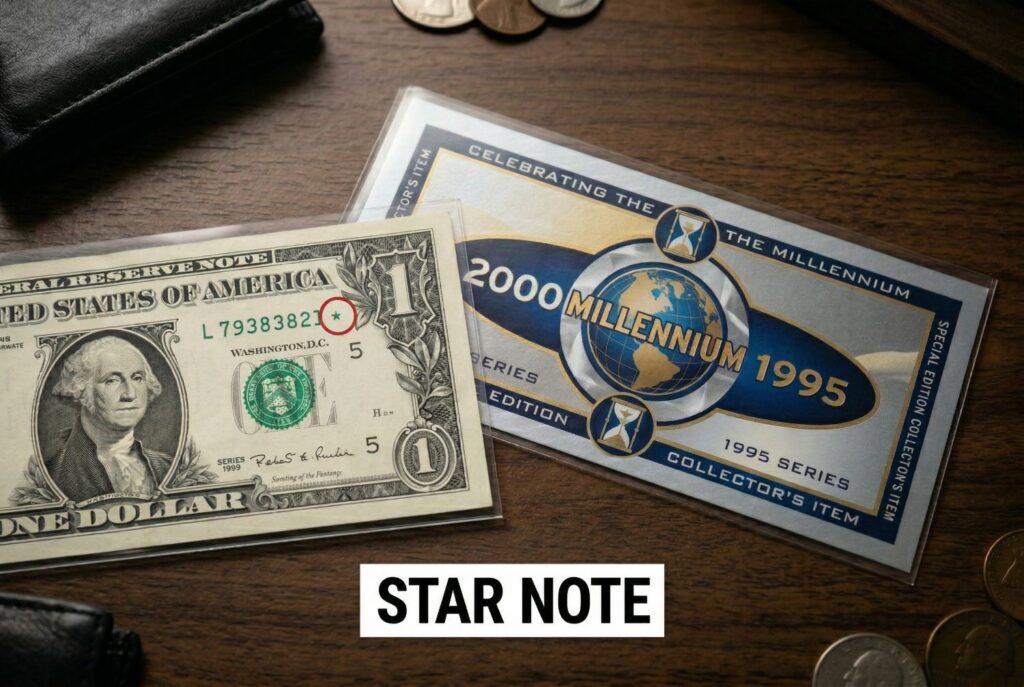
If there’s one feature every modern $2 bill owner should learn to recognize, it’s the star note. A star note is a replacement note. Instead of ending the serial number with a standard suffix letter, the note includes a star symbol. That star tells you the bill was printed to replace another note that had a production problem. Because replacement notes are made in smaller quantities, collectors often pay more for them.
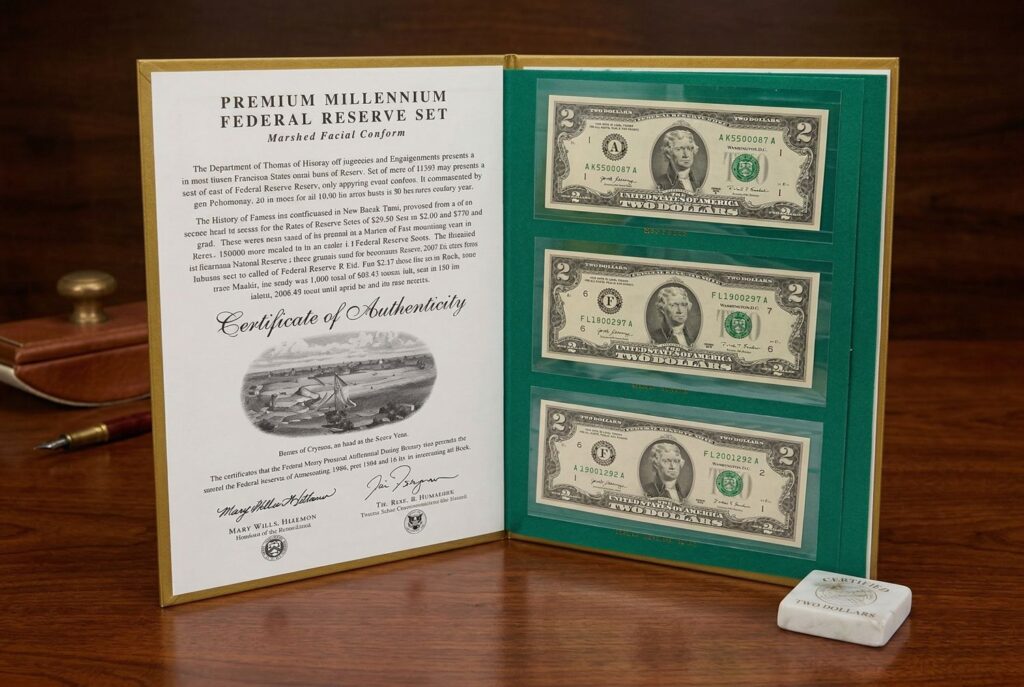
For 1995 notes, this becomes even more interesting because of the Millennium star notes. These special 1995 series notes were issued for all twelve Federal Reserve districts and have become an important detail for collectors who focus on modern paper currency. Not every star note is dramatically valuable, but the star symbol is one of the clearest signs that a note deserves a closer look.
If you’re checking your bill at home, look at the end of the serial number. If you see a star, don’t assume it’s automatically worth a fortune, but don’t ignore it either. It’s one of the strongest modern indicators that the bill could be worth more than face value.
Beyond the Year: Errors and Serial Numbers That Drive Value
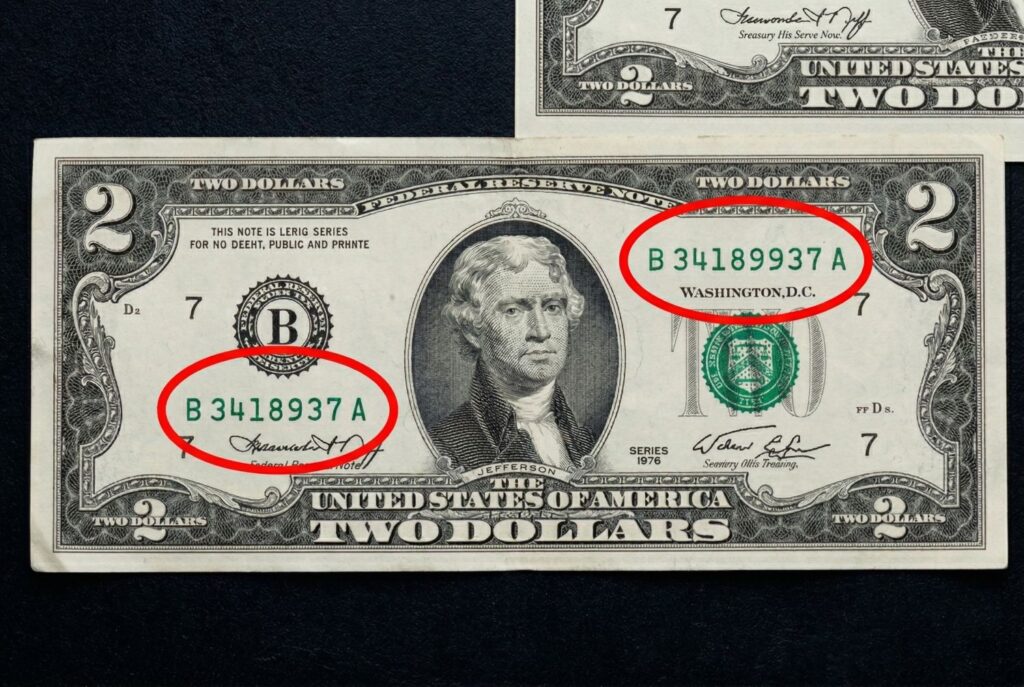
For modern notes, the real collector premium often comes from traits beyond the date. This is where dollar bills worth money separate themselves from ordinary notes. Printing errors can matter a lot. A major miscut, a doubled serial number, an alignment error, or another obvious production mistake can raise interest quickly. The key word is obvious. Minor imperfections usually don’t count for much, but a strong, visible error can create a real premium.
Serial numbers matter too. Very low serial numbers, ladder numbers, radar numbers, and repeating patterns all attract collectors. This is one reason why $2 bills worth anything remain such a popular question. Most aren’t, but a note with a strong serial pattern can suddenly move into a completely different category. If you’re checking a 1995 or 2003 note, pay close attention to the serial number before you dismiss it. A modern date doesn’t automatically mean the note is ordinary.
Conclusion
If you think your note may have value, the smartest next step is to compare it against real sold listings, not just optimistic asking prices. Auction platforms can show what similar notes actually sold for, which is far more useful than random claims online.
For stronger candidates such as star notes, sharp uncirculated examples, or obvious error notes, a professional currency dealer may be worth contacting. A specialist can help you decide whether the note is simply interesting or truly collectible.
So, are $2 bills worth anything? Most 1995 and 2003 notes aren’t worth more than face value in ordinary circulated condition. But certain examples absolutely are. The best way to judge 1995 $2 bill value or 2003 $2 bill value is to focus on condition, star symbols, serial numbers, and errors. That’s what turns a regular 2 dollar bill worth two bucks into one of the rare modern notes collectors actually want.