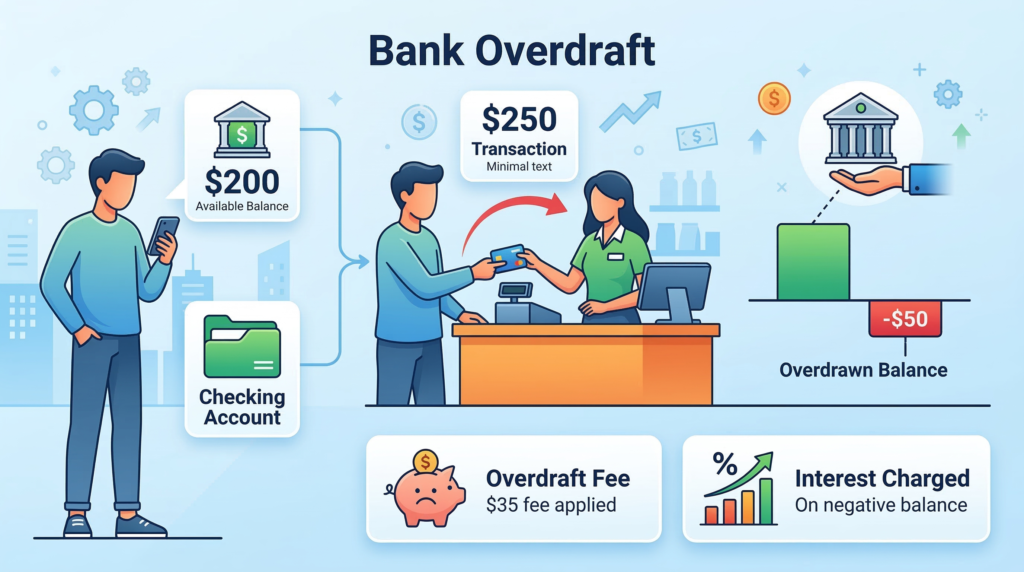
Overdraft fees can turn a small money shortfall into a much more expensive problem. A single purchase, bill payment, or ATM withdrawal that exceeds your available balance may trigger charges that add up quickly, especially if multiple transactions go through before you notice. For anyone managing everyday expenses, understanding how overdrafts work is an important part of protecting a checking account and keeping banking costs under control.
What Are Overdraft Fees?
An overdraft fee is a charge a bank or credit union may apply when it allows a transaction to go through even though there isn’t enough money in your account to cover it. In other words, the financial institution temporarily covers the difference, and you repay that amount along with any fee that applies.
This often happens with debit card purchases, checks, electronic payments, or automatic bill withdrawals. For example, if you have $40 in your checking account and a $60 bill posts, your bank may approve the payment and place your account in the negative by $20. If the bank charges an overdraft fee, you could owe far more than the original shortage.
Overdrafts aren’t the same as a simple declined transaction. If a purchase is denied because there aren’t enough funds, you usually won’t be charged an overdraft fee for that declined debit card purchase. The fee generally applies when the bank honors the transaction anyway and covers the shortfall.
How a Bank Overdraft Works
A bank overdraft happens when your account balance drops below zero after a transaction is processed. Whether a fee is charged depends on the type of transaction, your account settings, and your bank’s policies.
Banks may handle overdrafts in a few different ways. They may pay the transaction and charge a fee, decline the transaction without charging an overdraft fee, or pull money from a linked backup account if you’ve set up overdraft protection. The exact outcome depends on the account agreement and the type of payment involved.
Timing also matters. A person may think there’s enough money in the account, but pending transactions, delayed deposits, or automatic payments can change the available balance quickly. That’s one reason overdrafts often catch people by surprise. The account may have looked fine earlier in the day, but once all transactions settle, the balance may no longer cover everything. Because of this, overdrafts often have less to do with reckless spending and more to do with timing gaps, forgotten charges, or mismatched payment schedules.
Transactions That Can Trigger Overdraft Fees
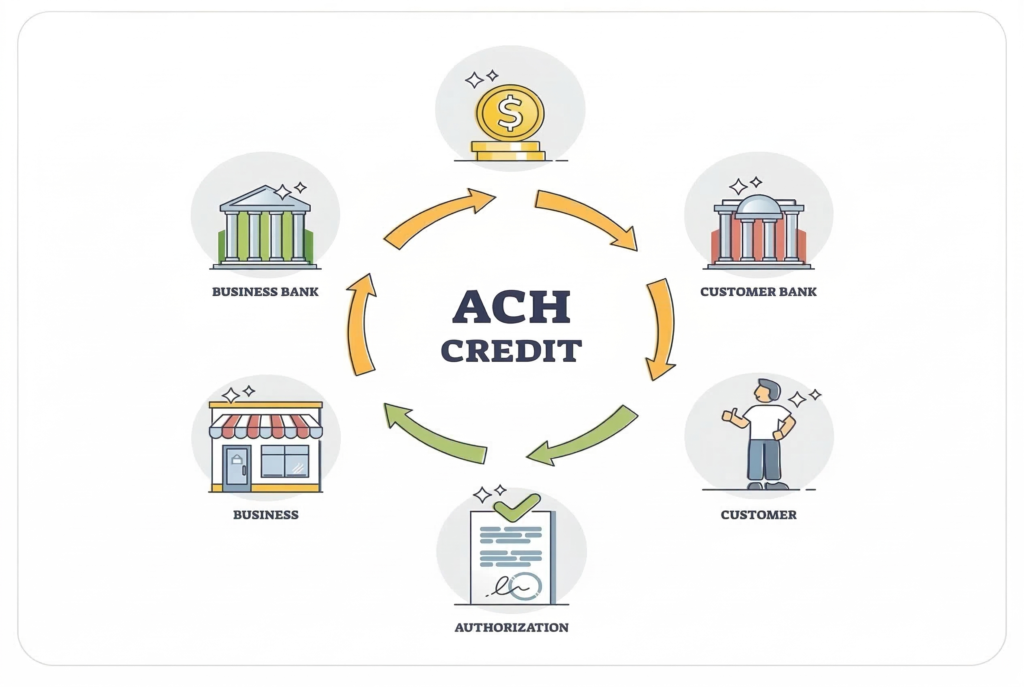
Not every transaction is treated the same. Checks and ACH payments, including many automatic bill payments, may still go through even when funds are low, and that can result in an overdraft fee. Debit card transactions and ATM withdrawals are handled differently depending on whether the account holder has opted in to overdraft coverage for those transactions.

If someone hasn’t opted in, many banks will decline ATM and one-time debit card transactions that would overdraw the account. If they have opted in, the bank may authorize those transactions and charge a fee if the account goes negative.
Recurring debit card payments, such as streaming subscriptions or gym memberships, may be handled more like other electronic payments and can still overdraw the account. This is where confusion often happens. People may assume only large transactions cause problems, but several smaller charges can be just as costly if they post at the wrong time.
Why Overdraft Fees Can Be So Expensive
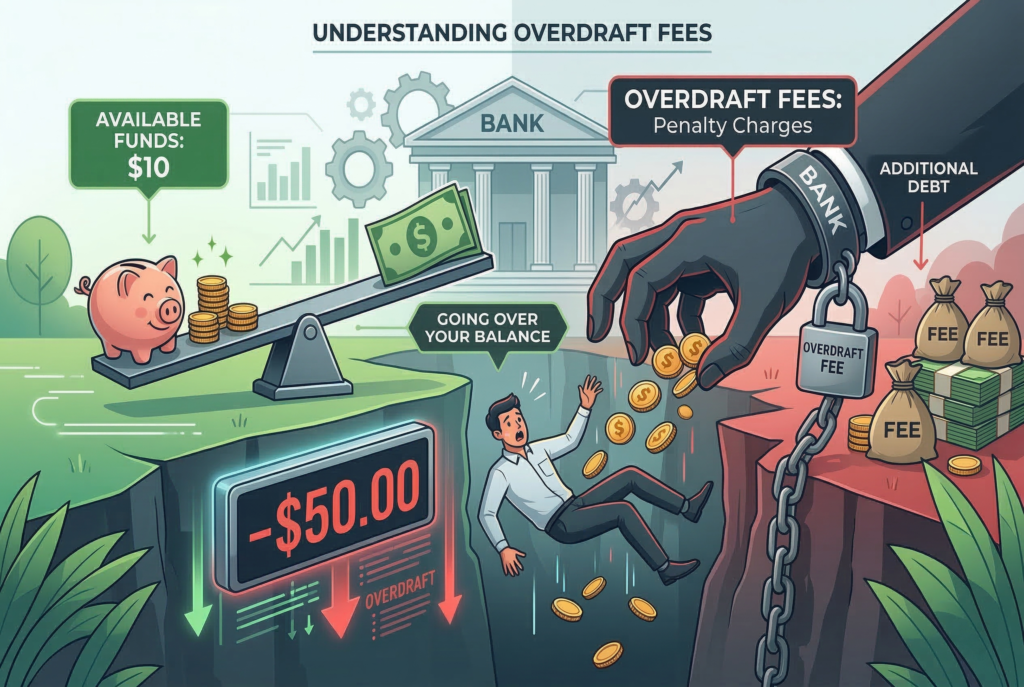
What makes overdraft fees so frustrating is that the penalty can be far larger than the amount of the overdraft itself. A shortfall of $10 or $20 can lead to a fee that greatly increases the total cost of the mistake. If multiple payments hit the account while the balance is low, the fees can stack up.
This creates a ripple effect. Once an account is already negative, additional transactions may lead to more charges, returned payment fees from merchants, or late fees if a bill isn’t handled properly. A small cash-flow issue can quickly become a wider budgeting problem.
For households living paycheck to paycheck, overdraft costs can be especially disruptive. Instead of catching up at the next deposit, they may need to cover the negative balance plus fees before they can fully regain control of the account. That makes it harder to keep up with rent, utilities, groceries, or transportation expenses.
Overdraft Fees vs. NSF Fees
Overdraft fees and NSF fees are related, but they aren’t identical. An overdraft fee is generally charged when the bank pays the transaction and allows the account balance to go below zero. An NSF fee, which stands for non-sufficient funds fee, may apply when the bank declines or returns a payment because there isn’t enough money in the account.
For example, if a check or ACH payment is returned unpaid, the bank may charge an NSF fee instead of an overdraft fee. In some situations, the merchant or service provider may also charge its own returned payment fee, making the situation even more expensive. Understanding the difference matters because both types of fees can affect the total cost of a low-balance mistake. Even when a bank doesn’t allow an overdraft, there may still be consequences if a payment fails.
Common Reasons People Overdraw Their Accounts
Most overdrafts happen for predictable reasons. One of the most common is losing track of automatic payments. Subscription renewals, insurance premiums, mobile phone bills, and utility payments can all hit the account when the balance is lower than expected.
Another frequent cause is relying on pending balances without leaving enough buffer room. A deposit may appear to be on the way, but if it hasn’t fully cleared, the money may not yet be available. At the same time, debit card purchases may show as pending before final settlement changes the account balance again.
Some people also run into trouble because they keep too much of their spending close to payday. When most of the balance is already committed to bills, one unexpected charge can push the account below zero. In other cases, the problem is simple account monitoring. If someone doesn’t check transactions regularly, small errors, duplicate charges, or forgotten purchases may go unnoticed until it’s too late.
How to Avoid Overdraft Fees
The most effective way to avoid overdraft fees is to keep a cushion in your checking account whenever possible. Even a modest buffer can reduce the risk that one mistimed payment will push the account negative.
It also helps to turn on low-balance alerts through your bank’s mobile app or online banking platform. Alerts can warn you when your balance drops below a chosen amount, giving you time to transfer money or postpone a purchase.
Reviewing your account frequently is another strong habit. Many people wait for monthly statements, but regular monitoring makes it easier to spot pending bills, subscription renewals, and unexpected charges before they create bigger problems.
Setting up overdraft protection may help in some cases. This feature can link your checking account to a savings account, credit card, or line of credit so funds are pulled automatically if your checking balance falls short. That said, overdraft protection isn’t always free, and borrowing from credit can create other costs, so it should be used carefully.
Some account holders also choose to decline overdraft coverage for ATM and one-time debit card transactions. That way, transactions are more likely to be denied instead of approved with a fee attached. For many people, a declined purchase is far less damaging than an expensive overdraft charge.
What to Check Before Choosing a Bank Account
Not all checking accounts handle overdrafts the same way. Some banks have reduced or eliminated certain overdraft fees, while others still rely heavily on them. Before opening an account, it’s smart to review the bank’s fee schedule, overdraft rules, grace periods, and overdraft protection options.
Look closely at whether the account charges for overdrafts, returned payments, or transfers from linked backup accounts. Also check whether the bank offers real-time transaction alerts, early direct deposit, or a small overdraft buffer. Features like these can make a noticeable difference in everyday account management. Choosing the right checking account isn’t only about convenience. It’s also about reducing avoidable costs and finding an account structure that fits how you actually manage money.
What to Do If You’ve Already Been Charged an Overdraft Fee

If you’ve been charged an overdraft fee, act quickly. Deposit enough money to bring the account positive and prevent additional charges. Then review your transaction history to understand what triggered the overdraft.
In some cases, it may be worth contacting your bank and asking whether the fee can be waived, especially if it’s a first-time issue or you’ve otherwise kept the account in good standing. Fee reversals aren’t guaranteed, but some institutions will remove a charge as a courtesy. The bigger goal is to use the experience as a signal. An overdraft often points to a cash-flow gap, timing issue, or account-setting problem that can be fixed before it happens again.
Conclusion
Overdraft fees are one of the most common and avoidable banking charges, yet they can still catch people off guard when balances are tight and transactions post at the wrong time. Understanding how a bank overdraft works, which payments can trigger fees, and what protections are available can make everyday money management much easier. With closer account monitoring, low-balance alerts, a small checking buffer, and the right account settings, many overdraft charges can be prevented before they disrupt your budget.