


Buying your first home can feel exciting, stressful, and financially overwhelming all at once. There’s a lot to think about, from saving for a down payment to choosing a mortgage and understanding the real cost of ownership. The good news is that with the right first-time homebuyer tips, you can prepare more confidently, protect your budget, and make smarter decisions before signing anything.
Understand What You Can Actually Afford
One of the most important first-time homebuyer tips is to focus on affordability before you start browsing listings. It’s easy to fall in love with homes based on appearance or location, but the monthly cost matters more than the sticker price alone.
A lender may approve you for a certain loan amount, but that doesn’t automatically mean the payment will fit comfortably into your life. Your total housing cost may include mortgage principal, interest, property taxes, homeowners insurance, possible mortgage insurance, and maintenance expenses. If the home is part of an HOA, you may also need to budget for association fees.
A home should support your life, not strain it every month. Before shopping, look closely at your income, fixed bills, savings habits, and lifestyle spending. A realistic budget gives you a much stronger foundation than a lender’s maximum approval number.
Build a Strong Down Payment and Cash Reserve
Saving for a home isn’t just about the down payment. First-time buyers also need money for closing costs, moving expenses, early repairs, furniture, utility deposits, and ongoing maintenance.
A larger down payment can reduce the amount you need to borrow and may help you qualify for better mortgage terms. It can also lower your monthly payment and, in some cases, help you avoid private mortgage insurance. Still, that doesn’t mean you should empty your savings account just to put more money down.
One of the smartest moves is keeping a separate cash cushion after closing. New homeowners often face unexpected costs within the first few months, and going into homeownership with no reserve can create immediate financial pressure. Saving consistently before you buy can make the transition smoother and help you avoid relying on credit cards for post-purchase expenses.

Check Your Credit Before Applying
Your credit score plays a major role in the homebuying process. It can affect whether you get approved, what loan types you qualify for, and the mortgage interest rate a lender offers.
Before applying, review your credit reports carefully. Look for reporting errors, missed payments, high credit card balances, or other issues that could hurt your application. If your score needs work, paying down revolving debt and staying current on all bills may help improve it over time.
Even a modest improvement in credit can matter. A better score may lead to a lower interest rate, and that can reduce both your monthly payment and the total cost of the loan. This is one of the most practical first-time homebuyer tips because it can directly affect affordability before you ever make an offer.
Get Preapproved Before House Hunting
A mortgage preapproval helps you understand how much a lender may be willing to lend based on your finances. It isn’t the same as final loan approval, but it gives you a clearer price range and shows sellers that you’re a serious buyer.
Shopping without preapproval can waste time and lead to disappointment. You might look at homes that are out of reach or underestimate how much your monthly payment will be.
Preapproval also gives you a chance to spot problems early. If there are issues with your debt-to-income ratio, income documentation, or credit profile, it’s better to find out before you’re under contract. For first-time buyers, this step adds structure to the process and helps you shop with more confidence.
Learn the Main Types of Home Loans
Not every mortgage works the same way, and choosing the right home loan can affect both short-term affordability and long-term cost. A conventional loan is often a strong option for borrowers with solid credit and a stable financial profile. An FHA loan may be more accessible for buyers with lower credit scores or smaller down payments, though it usually comes with mortgage insurance costs. VA loans and USDA loans can offer major benefits for eligible borrowers.
You’ll also need to compare fixed-rate mortgages and adjustable-rate mortgages. A fixed-rate mortgage offers stable payments, while an adjustable-rate mortgage may start lower but can change later. One of the most useful first-time homebuyer tips is to compare the full loan structure, not just the advertised rate. Fees, insurance costs, loan term, and payment stability all matter.
Don’t Shop Based Only on the Monthly Mortgage Payment
A lower monthly payment may look attractive, but it doesn’t always mean the loan is a better deal. Sometimes a lender can lower the payment by stretching the loan term longer or structuring the financing in a way that increases total cost over time. That’s why first-time buyers should pay attention to the APR, loan term, and total interest paid, not just the monthly number. A payment that looks manageable today may still cost far more in the long run.
You should also remember that homeownership comes with costs beyond the mortgage. Repairs, lawn care, appliances, pest control, and maintenance don’t stop just because the monthly loan payment fits the budget. Looking at the full financial picture helps you avoid buying a home that feels affordable only on paper.
Compare Multiple Lenders
One of the most overlooked first-time homebuyer tips is simple: shop around. Mortgage rates, lender fees, closing costs, and service quality can vary more than many buyers expect. Getting quotes from multiple lenders gives you a better sense of what’s competitive. Even a slightly lower interest rate or reduced closing costs can make a real difference over time. It’s also helpful to compare how lenders communicate. Buying a home involves deadlines, paperwork, and moving parts.
A lender who is responsive, clear, and organized can make the experience much smoother. The cheapest offer isn’t always automatically the best one, but comparing options puts you in a stronger position to evaluate both cost and service.
Be Careful With Your Finances During the Approval Process
Once you’re applying for a mortgage, financial stability matters. Lenders often continue reviewing your situation before closing, which means major financial changes can create problems even after preapproval.
Avoid opening new credit cards, financing furniture, buying a car, or making unusually large cash deposits without clear documentation. Changes in debt, income, or spending patterns may affect your approval. This is one of the most important first-time homebuyer tips because many buyers don’t realize that loan approval can still be disrupted late in the process. Keeping your finances steady until the loan closes helps reduce that risk.
Budget for Closing Costs and Post-Purchase Expenses
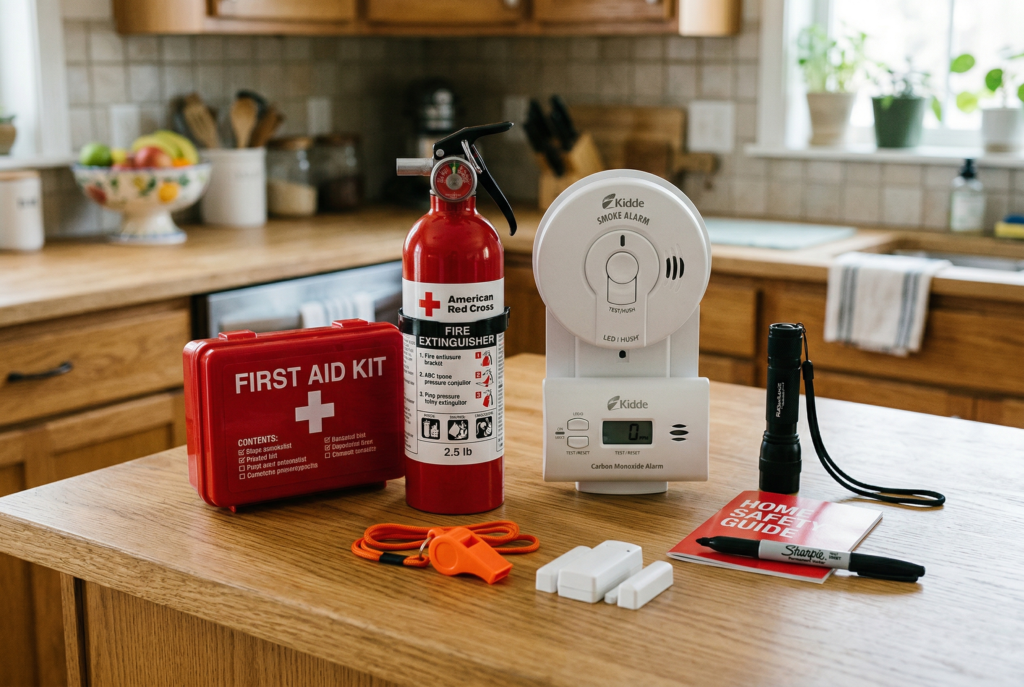
First-time buyers often focus heavily on saving for the down payment and forget about closing costs. These may include lender fees, appraisal fees, title charges, prepaid taxes, homeowners insurance, and other settlement costs. On top of that, the first year of homeownership often comes with extra spending. You may need to buy tools, window coverings, appliances, or safety items. You may also want to repaint, replace flooring, or make basic updates before fully settling in.
That doesn’t mean you need to renovate everything immediately. In fact, one of the best first-time homebuyer tips is to avoid rushing into expensive upgrades right after closing. Give yourself time to live in the home and understand what truly needs attention.
Don’t Skip the Home Inspection
A home that looks perfect in photos may still have hidden problems. A professional home inspection can help uncover issues with the roof, foundation, plumbing, electrical systems, HVAC, or water damage. Skipping an inspection to strengthen an offer can expose you to costly surprises later. Even if the home is newer or appears well maintained, problems aren’t always visible during a casual walkthrough.
The inspection also helps you make a more informed decision. Depending on the findings, you may negotiate repairs, request credits, or reconsider the purchase entirely. For first-time buyers, this step can protect both your finances and your peace of mind.
Think Long Term Before You Buy
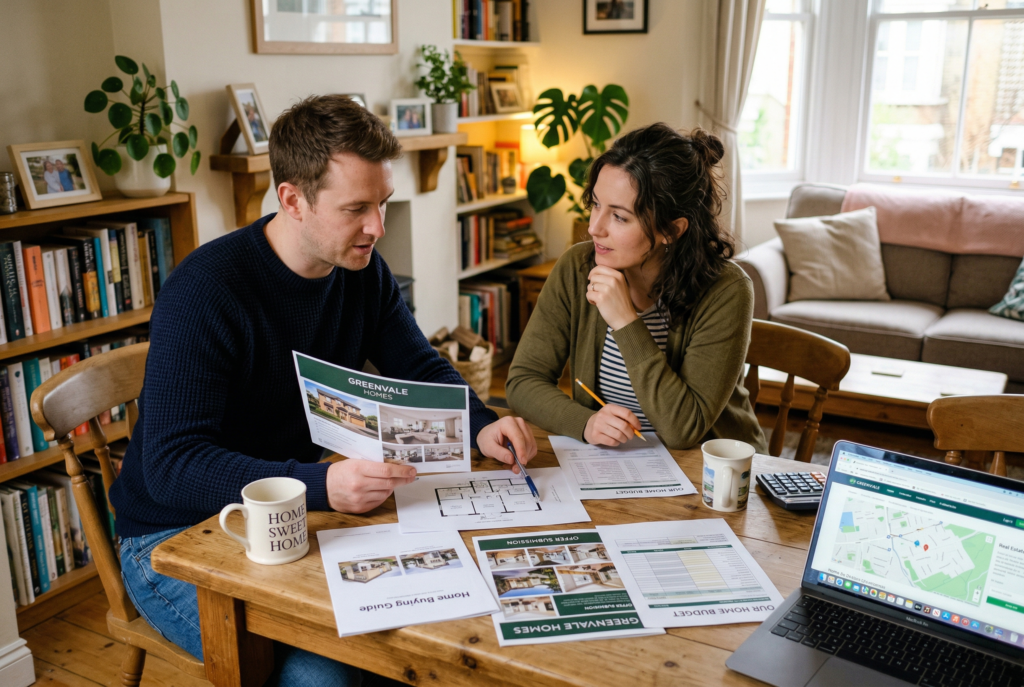
Buying a home makes more sense when it matches your expected lifestyle and timeline. Before making an offer, think about how long you plan to stay, how stable your job is, and whether the home fits your likely needs over the next several years.
If you may need to move soon, change cities, or outgrow the property quickly, buying may be less practical. Homeownership comes with transaction costs, and it usually takes time to build equity and recover those costs. A home doesn’t need to be perfect, but it should make sense for your broader financial life. One of the smartest first-time homebuyer tips is to avoid treating the purchase as only an emotional milestone. It’s also a long-term financial commitment.
Conclusion
The best first-time homebuyer tips combine preparation, patience, and strong financial awareness. By checking your credit, building savings, getting preapproved, comparing lenders, understanding loan options, and budgeting for the real cost of ownership, you give yourself a much better chance of buying a home you can truly afford.
Your first home purchase doesn’t need to be perfect to be successful. What matters most is choosing a property and a mortgage that fit your budget, your timeline, and your long-term goals. When you approach the process carefully, you’re far more likely to save money, get approved with confidence, and avoid mistakes that can follow you for years.
Related Articles
FHA Loans for First-Time Homebuyers: Requirements, Benefits, Income Limits, and How to Qualify
