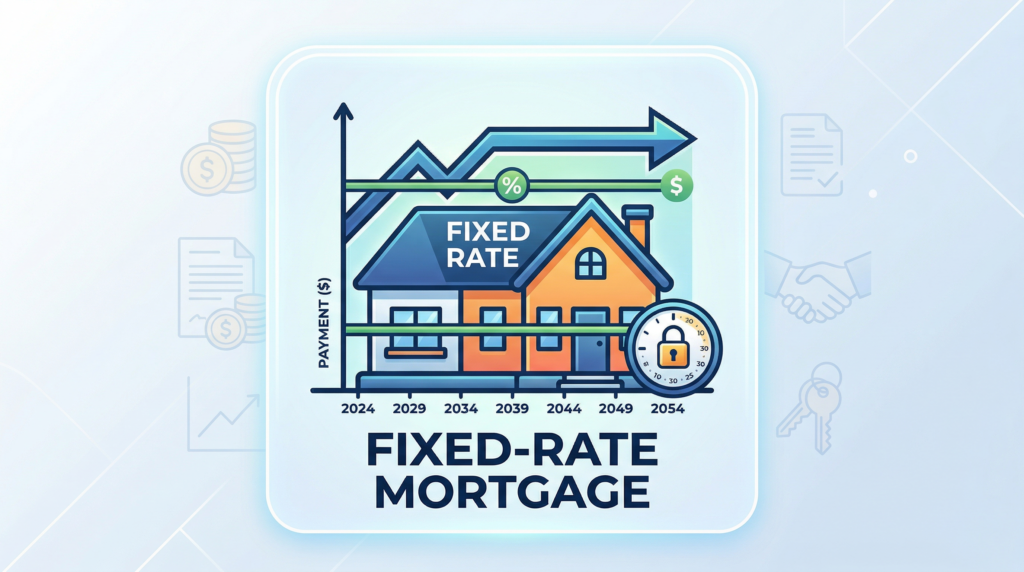
Choosing a mortgage is one of the biggest financial decisions most homebuyers make, and the loan structure you pick can affect your budget for many years. A fixed-rate mortgage remains one of the most popular home loan options because it offers stability, predictable payments, and easier long-term planning. For borrowers who value consistency and want fewer surprises, understanding how this type of mortgage works can make it easier to decide whether it fits their goals.
What Is a Fixed-Rate Mortgage?
A fixed-rate mortgage is a home loan with an interest rate that stays the same for the entire loan term. That means the rate you agree to when the loan begins doesn’t change later because of market interest rate movements.
This structure makes the loan more predictable than an adjustable-rate mortgage, or ARM, where the interest rate can change after an initial fixed period. With a fixed-rate mortgage, your principal and interest payment stays consistent from month to month, assuming you have a fully amortizing loan and don’t refinance.
Fixed-rate mortgages are commonly offered in terms such as 15 years, 20 years, and 30 years. The 30-year fixed mortgage is especially common because it spreads repayment over a longer period, which usually lowers the monthly payment compared with a shorter loan term.
How a Fixed-Rate Mortgage Works
A fixed-rate mortgage works by locking in the interest rate at the start of the loan. Your monthly payment is typically made up of four main parts: principal, interest, property taxes, and homeowners insurance. The principal and interest portion remains stable over the life of the loan, while taxes and insurance can change over time.
In the early years of the mortgage, a larger share of each payment goes toward interest, while a smaller share goes toward the loan balance. Over time, that shifts. More of each payment goes toward principal, and less goes toward interest. This process is called amortization.
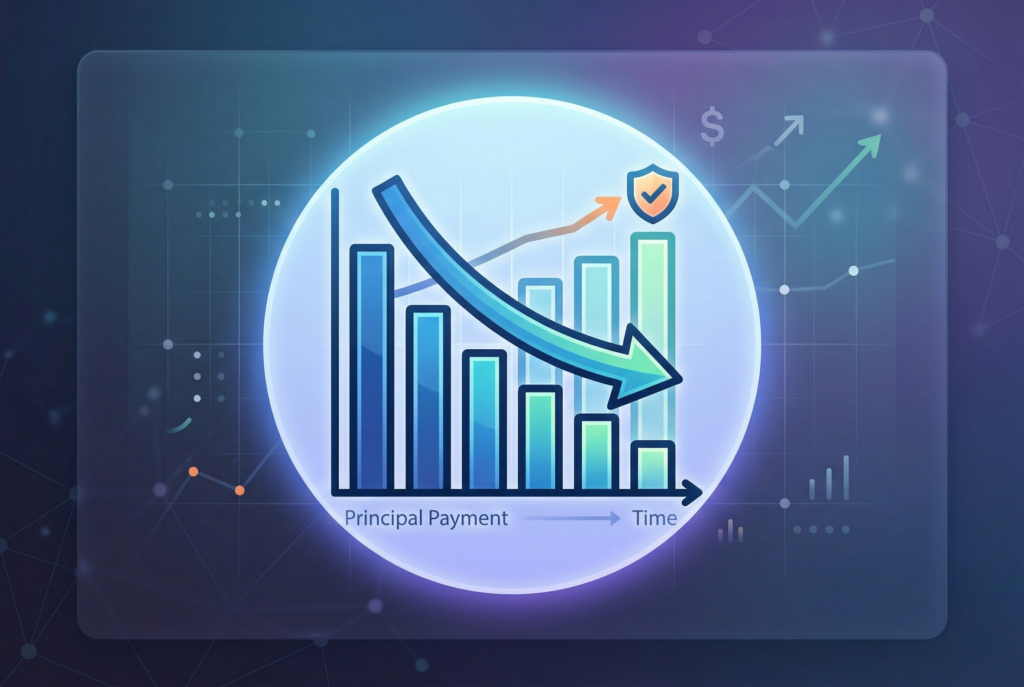
For example, if you take out a fixed-rate mortgage for a home purchase, your lender calculates the monthly payment required to repay the loan over the selected term at the agreed interest rate. Because the rate stays fixed, the payment for principal and interest won’t rise simply because market mortgage rates increase later. That stability is one of the biggest reasons borrowers choose this type of loan. It allows for clearer budgeting and reduces uncertainty over the long term.
Why Fixed-Rate Mortgages Are So Popular
A fixed-rate mortgage is widely used because it offers predictability in a financial commitment that often lasts decades. Many borrowers want to know what their housing payment will look like not just next month, but years into the future.
This can be especially valuable in periods when interest rates are rising or when household budgets are already stretched by other expenses. Knowing that your core mortgage payment won’t change because of shifting rate conditions can make it easier to manage other financial priorities such as savings, retirement contributions, childcare, or debt repayment.
Fixed-rate loans also tend to be easier to understand than adjustable-rate products. Instead of worrying about future reset periods, index changes, or payment shock, borrowers can focus on a straightforward repayment structure.
Key Benefits of a Fixed-Rate Mortgage
A fixed-rate mortgage offers several important advantages, especially for buyers who want long-term stability.
Predictable Monthly Principal and Interest Payments
One of the biggest benefits is predictability. Your monthly mortgage payment for principal and interest stays the same throughout the loan term. This can make budgeting easier and reduce the chance of unpleasant surprises later.
Protection From Rising Interest Rates
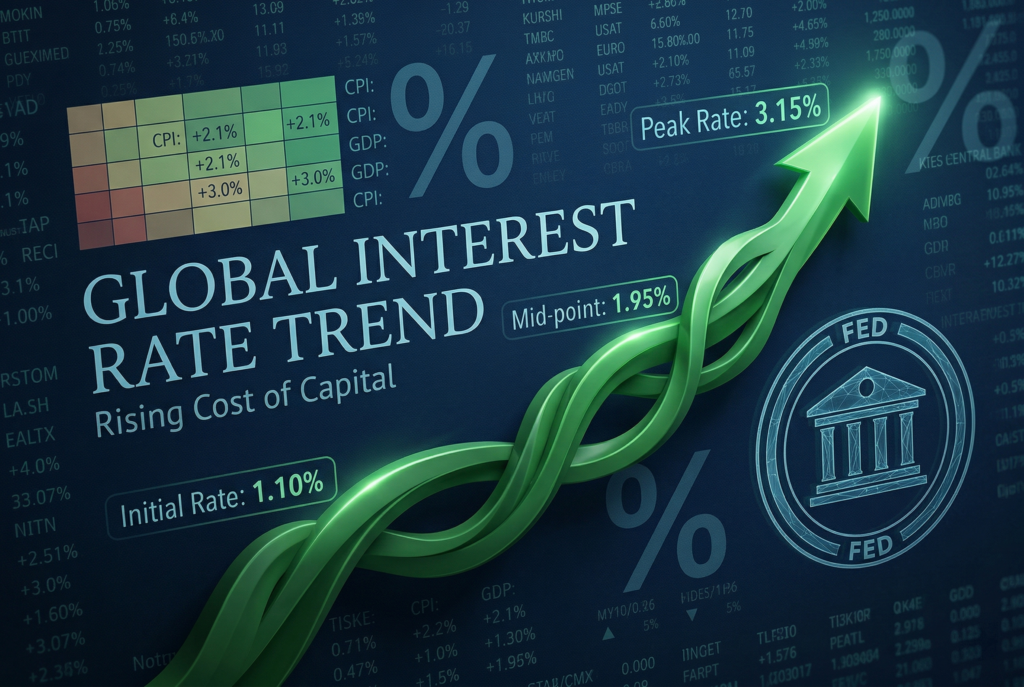
Once your loan is in place, you won’t be affected if market mortgage rates move higher. That protection can be especially valuable when interest rates are expected to rise or remain volatile.
Easier Long-Term Financial Planning
Because the payment structure is stable, a fixed-rate mortgage can make long-term planning more manageable. It’s easier to forecast future housing costs, compare home affordability, and align your mortgage with other financial goals.
Simpler Loan Structure
Compared with some adjustable-rate loans, a fixed-rate home loan is usually easier to understand. There are no scheduled rate resets, adjustment caps, or future index-based payment changes to track.
Good Fit for Long-Term Homeowners
Borrowers who expect to stay in the home for many years often benefit most from a fixed-rate structure. The longer you keep the loan, the more valuable that payment stability may become.
Potential Downsides to Consider
Although a fixed-rate mortgage offers stability, it isn’t the best fit for every borrower or every situation.
One drawback is that the starting interest rate is often higher than the introductory rate on some adjustable-rate mortgages. That means the initial monthly payment may be higher than with an ARM, at least in the early years.
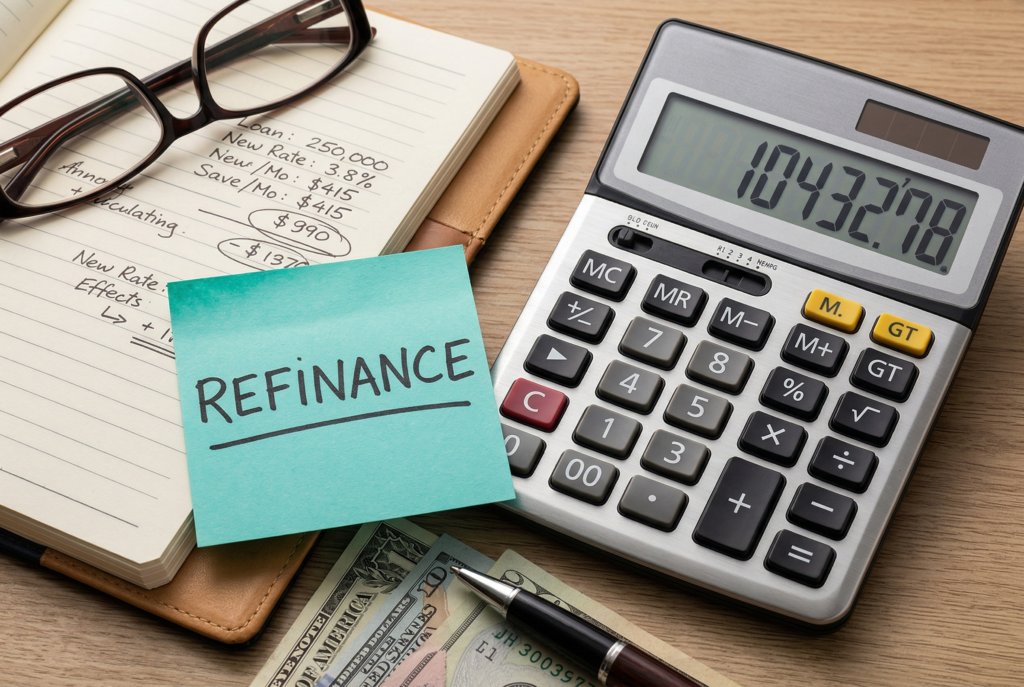
Another consideration is flexibility. If market rates fall meaningfully after you take out a fixed-rate mortgage, your rate won’t automatically adjust downward. To benefit from lower rates, you would usually need to refinance, which can involve closing costs and qualification requirements.
A longer loan term, such as a 30-year fixed mortgage, may also lead to more total interest paid over time compared with a shorter-term loan. The monthly payment is lower, but the repayment period is much longer. These tradeoffs don’t make fixed-rate loans a poor choice. They simply mean that stability sometimes comes at the cost of higher initial rates or less short-term flexibility.
Fixed-Rate Mortgage vs. Adjustable-Rate Mortgage
A fixed-rate mortgage and an adjustable-rate mortgage solve different borrower needs. A fixed-rate mortgage keeps the same interest rate for the full term of the loan. An adjustable-rate mortgage typically starts with a lower fixed rate for a limited period, then adjusts based on market conditions.
The main advantage of an ARM is the possibility of a lower initial payment. This can be attractive for borrowers who plan to move, sell, or refinance before the adjustment period begins. But if they keep the loan longer than expected, the interest rate and payment may rise.
By contrast, a fixed-rate mortgage usually offers more certainty. The rate may start higher, but the borrower gains payment stability and better protection against future rate increases. For many people, the better choice depends on the timeline. If you expect to stay in the home for a long time, a fixed-rate loan is often easier to manage. If you know the home will likely be short-term, an ARM may be worth considering carefully.
Common Fixed-Rate Mortgage Terms
The most common fixed-rate mortgage terms are 15 years and 30 years, though other options exist. A 30-year fixed mortgage usually comes with a lower monthly payment because the loan is spread out over a longer period. This can improve affordability and leave more room in the monthly budget.
A 15-year fixed mortgage usually has a higher monthly payment, but it often comes with a lower interest rate and far less total interest paid over the life of the loan. It also helps borrowers build home equity faster. The right term depends on your budget, income stability, and broader financial priorities. A lower monthly payment may offer more flexibility, while a shorter term may save money long term if the payment is comfortably affordable.
When a Fixed-Rate Mortgage Is the Right Choice

A fixed-rate mortgage often makes sense for borrowers who value payment stability and expect to stay in the home for several years. It can be a strong fit for first-time homebuyers, families with predictable but tight budgets, and anyone who prefers a straightforward loan structure.
It may be especially attractive when interest rates are relatively favorable and the borrower wants to lock in a rate before market conditions change. It can also work well for buyers who don’t want to gamble on future refinancing opportunities or future rate movements. This type of mortgage is often the right choice when you want certainty more than short-term savings. A slightly lower initial payment on another loan type may not be worth it if the future payment risk would create stress or strain.
When It May Not Be the Best Fit
A fixed-rate mortgage may be less appealing for borrowers who know they’ll move or sell quickly. In that case, paying a higher fixed rate for long-term stability may not provide much benefit. It may also be less attractive if an adjustable-rate mortgage offers significantly lower initial payments and the borrower has a clear, realistic exit plan before the first adjustment period. Even then, that strategy requires careful planning and shouldn’t depend on uncertain assumptions.
Borrowers should also think carefully about affordability. A lender’s approval of a certain payment does not guarantee that it will suit a household’s budget comfortably. The ideal mortgage is one that can be maintained consistently over time while still allowing room to achieve other financial goals.
How to Choose the Right Fixed-Rate Mortgage

If you’re considering a fixed-rate mortgage, start by comparing loan terms, interest rates, annual percentage rates, fees, and monthly payment amounts. The lowest advertised interest rate isn’t always the cheapest overall loan once fees are included.
It’s also important to compare the 15-year and 30-year options carefully. A shorter term may save a substantial amount in interest, but only if the higher payment fits your budget without creating financial stress.
You should also consider your expected time in the home, job stability, emergency savings, and other monthly obligations. Mortgage affordability should leave room for maintenance, taxes, insurance, and everyday expenses, not just the loan payment itself.
Conclusion
A fixed-rate mortgage offers one of the clearest and most predictable ways to finance a home. Because the interest rate stays the same for the life of the loan, borrowers get stable principal and interest payments, protection from rising rates, and a structure that supports long-term budgeting. Those advantages make it a popular choice for homebuyers who want consistency and financial clarity.
Still, the right mortgage depends on your timeline, budget, and tolerance for risk. A fixed-rate home loan often makes the most sense when you plan to stay in the home for years and want dependable payments you can build a financial plan around. When chosen carefully, it can provide both peace of mind and a solid foundation for long-term homeownership.