
When you’re ready to buy a home, one of the biggest hurdles you’ll face is gathering enough for the down payment. Understanding how down payments work, the requirements for different types of loans, and how to save effectively is crucial for making the home-buying process smoother and more affordable. In this article, we’ll break down what a down payment is, explore the different loan options, and provide tips to help you save for your down payment with confidence and ease.
What is a Down Payment?
A down payment is the initial amount of money you pay upfront when buying a home. It’s a percentage of the purchase price and is subtracted from the total amount you need to borrow. For instance, if you’re buying a home for $300,000 and make a 20% down payment, you’ll pay $60,000 upfront and borrow the remaining $240,000 through a mortgage. The down payment is a significant financial commitment, and the more you can put down, the better your loan terms will generally be.
In addition to reducing the amount you need to borrow, your down payment also impacts your loan-to-value ratio (LTV). The lower your LTV, the better your chances of securing favorable loan terms, including lower interest rates.
Types of Loans and Their Down Payment Requirements
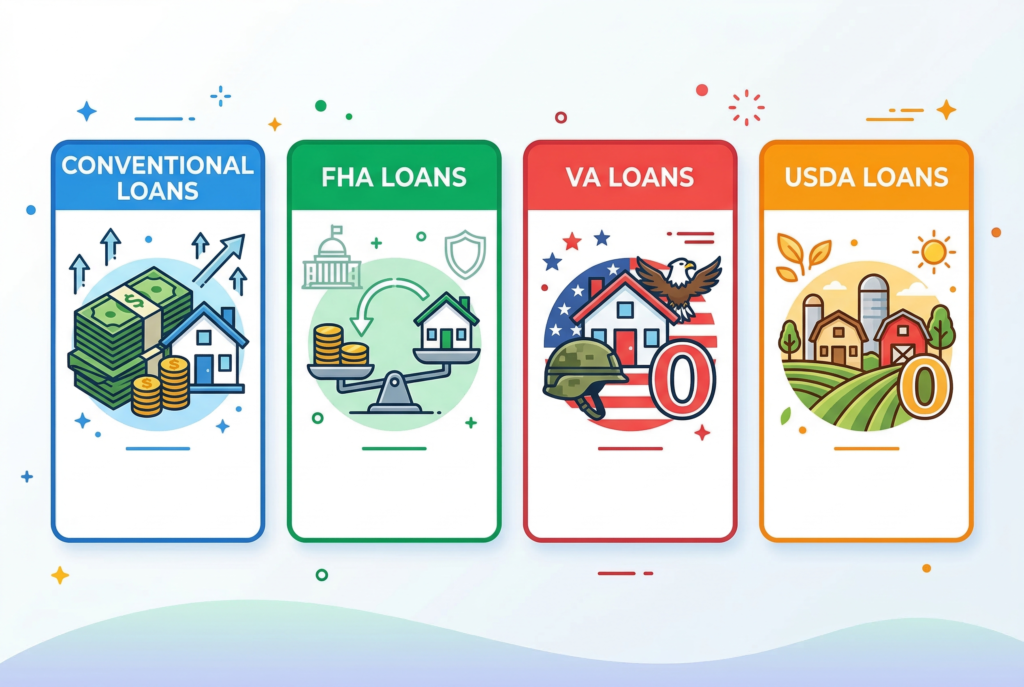
Conventional Loans
Conventional loans are non-government-backed mortgages and are commonly used for home purchases. For these loans, the standard down payment is 20% of the home’s purchase price. However, it’s possible to secure a conventional loan with a lower down payment, sometimes as low as 3%, if you meet certain criteria like having a strong credit score.
While a 20% down payment is ideal, putting down less than 20% on a conventional loan means you’ll likely have to pay Private Mortgage Insurance (PMI). PMI is an additional cost added to your monthly mortgage payment to protect the lender in case you default on the loan. Once you reach 20% equity in your home, you may be able to remove PMI, lowering your monthly payments.
FHA Loans
The Federal Housing Administration (FHA) offers loans with much lower down payment requirements than conventional loans. Typically, you only need to put down 3.5% of the home’s purchase price. This makes FHA loans an attractive option for first-time homebuyers or those with less-than-perfect credit.
However, FHA loans come with one important consideration: you’ll likely be required to pay Mortgage Insurance Premium (MIP) for the life of the loan, which adds to your overall monthly cost. If you’re looking for a more accessible route to homeownership but are willing to pay mortgage insurance, an FHA loan might be a great fit.
VA Loans
VA loans, backed by the U.S. Department of Veterans Affairs, offer 0% down payment for eligible active-duty service members, veterans, and surviving spouses. One of the biggest advantages of VA loans is that they don’t require Private Mortgage Insurance (PMI), making them an excellent choice for those who qualify.
While there is no down payment requirement, VA loans typically have a funding fee, which helps offset the cost of the loan program for taxpayers. The fee amount can vary based on factors like whether it’s your first time using a VA loan or if you make a down payment. Still, the 0% down payment is a huge benefit for qualified individuals.
USDA Loans
USDA loans, backed by the U.S. Department of Agriculture, are available for individuals looking to purchase homes in rural and suburban areas. Like VA loans, USDA loans don’t require a down payment. These loans are ideal for people with low-to-moderate incomes who want to purchase homes in eligible rural locations.
In addition to the no down payment benefit, USDA loans also offer lower interest rates and reduced mortgage insurance costs compared to FHA loans. However, the property you’re purchasing must meet USDA eligibility criteria, and your income must be below certain limits, which vary by area.
How Down Payments Impact Your Mortgage

Loan-to-Value (LTV) Ratio
The Loan-to-Value (LTV) ratio is the ratio of the loan amount to the appraised value or purchase price of the home. A lower LTV ratio indicates less risk for the lender and often results in better loan terms, such as lower interest rates and lower monthly payments. For example, a 20% down payment means you’ll be borrowing 80% of the home’s value, resulting in a low LTV ratio.
Conversely, a higher LTV ratio, like 90% or higher (with a smaller down payment), means you’ll have a higher risk of default, which could lead to higher interest rates and PMI.
Interest Rates
Your down payment can also directly impact your mortgage interest rate. The larger your down payment, the less risky you’re to lenders, and the better your chances are of securing a lower interest rate. A lower interest rate can save you significant amounts of money over the life of the loan, especially for long-term loans like 30-year mortgages.
Private Mortgage Insurance (PMI)
If your down payment is less than 20%, you’ll likely be required to pay PMI, which can add a significant amount to your monthly mortgage payment. PMI rates vary based on the size of your down payment, but it generally costs between 0.3% and 1.5% of the original loan amount per year. Once you’ve paid down your mortgage to 20% equity, you may be able to remove PMI, which will lower your monthly payments.
Tips for Saving for Your Down Payment
1. Set a Realistic Savings Goal
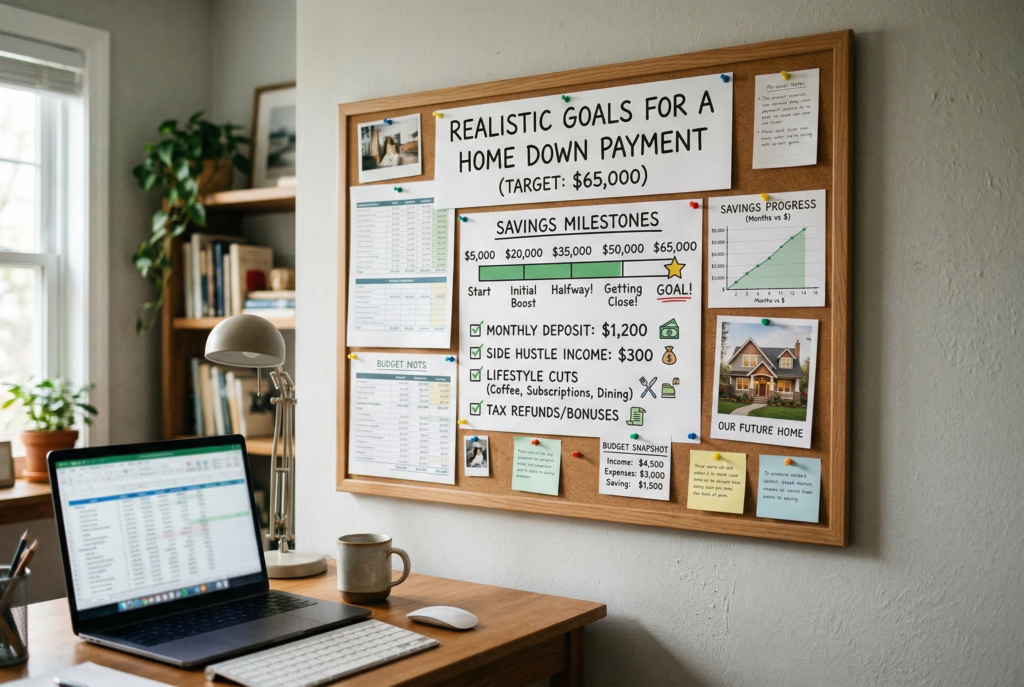
The first step in saving for a down payment is setting a clear and achievable goal. For example, if you’re purchasing a home worth $300,000 and want to make a 20% down payment, you’ll need to save $60,000. If you’re aiming for a 10% down payment, the target is $30,000. Establishing a clear goal makes it easier to track your progress and stay motivated.
2. Automate Your Savings
One of the most effective ways to save for a down payment is by automating your savings. Set up an automatic transfer from your checking account to a dedicated down payment savings account each month. This way, you won’t have to think about it, and it ensures that you’re consistently contributing to your goal.
3. Cut Back on Non-Essential Expenses
To accelerate your savings, consider cutting back on non-essential expenses. Look for areas where you can reduce spending, like dining out, entertainment, or subscriptions. Redirect these savings to your down payment fund, and you’ll be surprised at how quickly it adds up.
4. Consider Down Payment Assistance Programs
If you’re a first-time homebuyer or meet certain income criteria, you may be eligible for down payment assistance programs offered by federal, state, or local governments. These programs can provide grants or low-interest loans to help cover your down payment costs. Be sure to research the options available in your area.
Conclusion: Plan Your Down Payment Strategy

Understanding down payments is a critical part of the home-buying process. By knowing how down payments work, the types of loans available, and how they affect your mortgage, you can make more informed decisions about how to finance your home purchase. Saving for a down payment may take time, but with careful planning and strategy, you can reach your goal.
Whether you’re aiming for a larger down payment to secure better loan terms or looking for ways to maximize savings with government programs, starting early and staying focused on your goal is key. By following these tips and utilizing the right loan options, you’ll be well on your way to homeownership.