


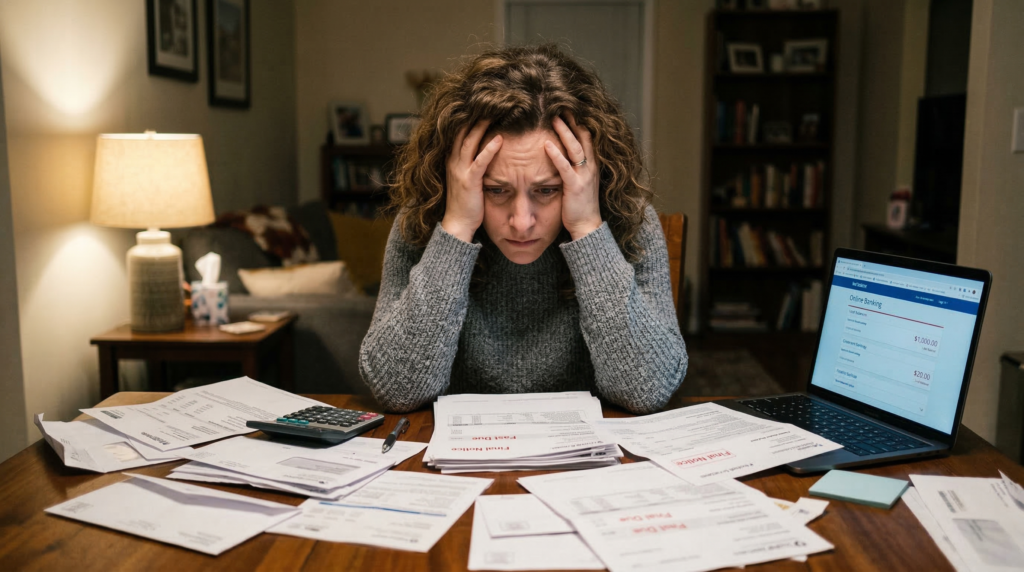
Debt can put pressure on every part of your financial life, from your monthly budget to your long-term goals. Whether you’re dealing with credit card balances, personal loans, medical bills, or student debt, the right repayment strategy can help you regain control and reduce the amount you pay over time. With a clear plan, consistent effort, and a realistic budget, paying off debt faster often becomes more manageable than it first seems.
Why a Debt Reduction Strategy Matters
Paying off debt isn’t just about making minimum payments and hoping balances shrink gradually. Interest charges can keep debt around for years, especially when rates are high. A structured debt reduction strategy helps you focus your money where it has the greatest impact, cut unnecessary interest costs, and build momentum.
Without a strategy, it’s easy to fall into a cycle where balances barely change. Minimum payments may keep accounts current, but they usually don’t help borrowers make meaningful progress quickly. A stronger plan can shorten your payoff timeline, lower financial stress, and free up more money for savings and future goals.
For many households in the United States, debt payoff also supports broader financial stability. Reducing balances can improve cash flow, make it easier to handle unexpected expenses, and in some cases strengthen your credit profile over time.
Start by Understanding What You Owe
Before choosing a payoff method, take a close look at your current debt. List each balance, interest rate, minimum payment, and due date. This gives you a full picture of what you’re working with and helps you identify the most expensive debt first.
This step matters because not all debt affects your finances the same way. A credit card with a very high APR usually costs far more over time than a lower-rate student loan or auto loan. When you understand the numbers, it becomes easier to prioritize.
You should also review your monthly income and expenses. If your budget leaves no room for extra payments, even the best payoff method won’t work well. In that case, the strategy has to include spending adjustments, income increases, or both.
The Debt Avalanche Method Can Save the Most on Interest
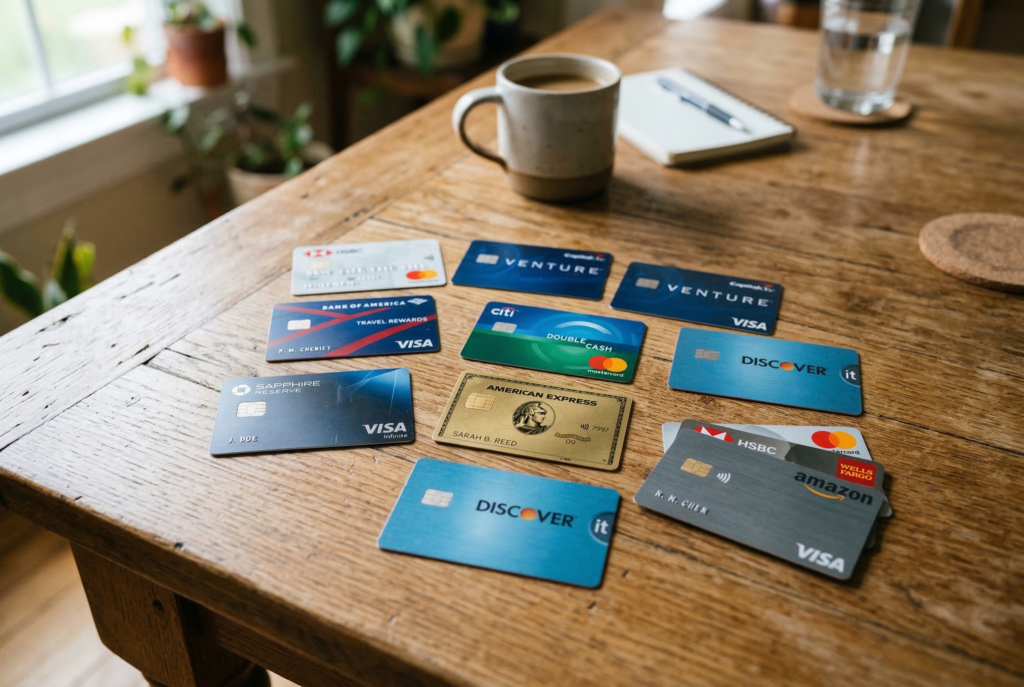
One of the most effective ways to pay off debt faster is the debt avalanche method. With this approach, you make minimum payments on all debts and put any extra money toward the balance with the highest interest rate. Once that debt is paid off, you move to the next highest rate.
This method is often the most cost-effective because it reduces the debts that are growing fastest. In the long run, that can save a meaningful amount of money in interest.
For example, if you have multiple credit cards and one carries a much higher rate than the others, focusing extra payments there first often makes the most financial sense. The avalanche method can be especially useful for borrowers who want a repayment plan based on math and long-term savings. The downside is psychological. If the highest-rate debt also has a large balance, progress can feel slow at first. Some people lose motivation before they see a major win.
The Debt Snowball Method Can Build Momentum

The debt snowball method takes the opposite approach. Instead of targeting the highest interest rate first, you focus on the smallest balance while making minimum payments on everything else. After the smallest balance is gone, you roll that payment into the next-smallest debt.
This approach may not save as much on interest as the avalanche method, but it can create quick victories. For many borrowers, paying off one account early provides motivation to keep going.
That emotional benefit matters more than some people realize. A debt strategy only works if you stick with it. If early momentum helps you stay consistent, the snowball method can still be a smart choice. The right method depends on your personality as much as your numbers. Some people stay motivated by maximizing savings. Others need visible progress to stay committed.
Debt Consolidation May Simplify Repayment
Debt consolidation combines multiple debts into one loan or one monthly payment. This can make repayment easier to manage, and in some cases it may reduce the interest rate.
A common example is using a personal loan to pay off several credit card balances. If the new loan has a lower rate than the cards, more of your payment can go toward principal instead of interest. Some borrowers also use a balance transfer credit card with a temporary 0 % introductory APR, though fees and timing matter.
Consolidation can be helpful, but it isn’t a guaranteed solution. It works best when the new loan truly lowers your costs and when you avoid building new balances on the accounts you just paid off. Otherwise, consolidation can turn into a temporary reset instead of lasting progress. Before consolidating, compare interest rates, fees, repayment terms, and the total amount you’d pay over the life of the new loan.
Refinancing Can Lower the Cost of Certain Debts
For some types of debt, refinancing may be worth considering. This usually applies to loans such as student loans, auto loans, or mortgages rather than revolving credit card debt.
Refinancing replaces an existing loan with a new one, ideally at a lower interest rate or with better terms. A lower rate can reduce monthly payments or help you pay off the loan faster if you keep paying the old amount.
Still, refinancing isn’t always the right move. Extending the loan term too much can lower the monthly payment while increasing total interest costs. For federal student loans, refinancing into a private loan may also mean giving up federal protections and repayment options.
The numbers should guide the decision. Lower monthly payments can help your budget, but total repayment cost matters too.
Cutting Expenses Creates More Room for Extra Payments

A faster debt payoff plan usually depends on sending more than the minimum each month. One of the most direct ways to do that is by reducing spending. This doesn’t always require extreme changes. Smaller adjustments can add up, especially when they’re repeated monthly. Reviewing dining out, subscriptions, impulse purchases, delivery costs, entertainment spending, and unused services can help you find money to redirect toward debt.
Temporary changes often work better than unrealistic permanent ones. A focused six- or twelve-month debt payoff period may feel more manageable than trying to live under a strict budget forever. The key is to give every extra dollar a job. When money freed up from spending cuts gets absorbed into everyday purchases, progress slows. When that same money is automatically applied to debt payments, balances begin to fall faster.
Increasing Income Can Speed Up Debt Repayment

Spending cuts help, but income growth can make an even bigger difference. Taking on overtime, freelance work, part-time shifts, or selling unused items can create extra cash to apply directly to debt. Using windfalls wisely can also help. Tax refunds, bonuses, cash gifts, or side-income payments can shorten your timeline if they go toward principal instead of new spending.
Not everyone has the same flexibility to earn more, but even occasional extra income can create progress. The most important part is being intentional with it. A large one-time payment toward high-interest debt can reduce future interest charges and make your monthly repayment feel more manageable.

Avoid Common Mistakes That Keep Debt Around Longer
Many people work hard to pay down debt but still make choices that slow their progress. One common mistake is continuing to use credit cards heavily while trying to pay them off. If balances keep rising, the payoff plan becomes harder to sustain.
Another issue is focusing only on monthly payments without building even a small emergency cushion. Without some savings, unexpected expenses may send you right back into debt. Even a modest emergency fund can help protect the progress you’ve made.
It’s also important not to ignore due dates or miss payments. Late payments can trigger fees, penalty rates, and credit damage. Automating minimum payments while making targeted extra payments can help reduce that risk.
Finally, be cautious with debt settlement or other aggressive relief options unless you fully understand the consequences. Some solutions may hurt your credit or involve fees that reduce the benefit.
When to Consider Professional Help
If your debt feels unmanageable, professional guidance may be worth exploring. A reputable nonprofit credit counseling agency may help you review your budget, understand repayment options, and decide whether a debt management plan makes sense.
This can be especially helpful if high-interest credit card debt has become difficult to keep up with. The goal should be to find trustworthy guidance, not a company making unrealistic promises. Anyone considering outside help should research fees, credentials, and reputation carefully. A legitimate organization should explain the pros and cons clearly and shouldn’t pressure you into signing up immediately.
How to Choose the Best Debt Reduction Strategy for You
The best debt repayment method depends on your balances, interest rates, budget, and behavior patterns. If saving the most money is your top priority, the avalanche method often stands out. If motivation and quick wins matter more, the snowball method may be more effective in practice.
If your payments feel scattered or your interest rates are especially high, consolidation could make sense. If you have eligible installment loans with better rates available, refinancing may help.
What matters most is choosing a strategy you can maintain month after month. Consistency usually matters more than perfection. A practical plan that fits your real life is often more effective than an ideal plan that falls apart after a few weeks.
Conclusion
Debt reduction strategies can help you pay off balances faster, reduce interest costs, and create more breathing room in your budget. Whether you choose the debt avalanche, debt snowball, debt consolidation, or another approach, the most effective plan is the one that matches both your financial situation and your ability to stay consistent.
Progress may not happen overnight, but every extra payment moves you closer to financial flexibility. By understanding what you owe, choosing a clear strategy, and staying focused on steady repayment, you can save money over time and build a stronger foundation for your future.

