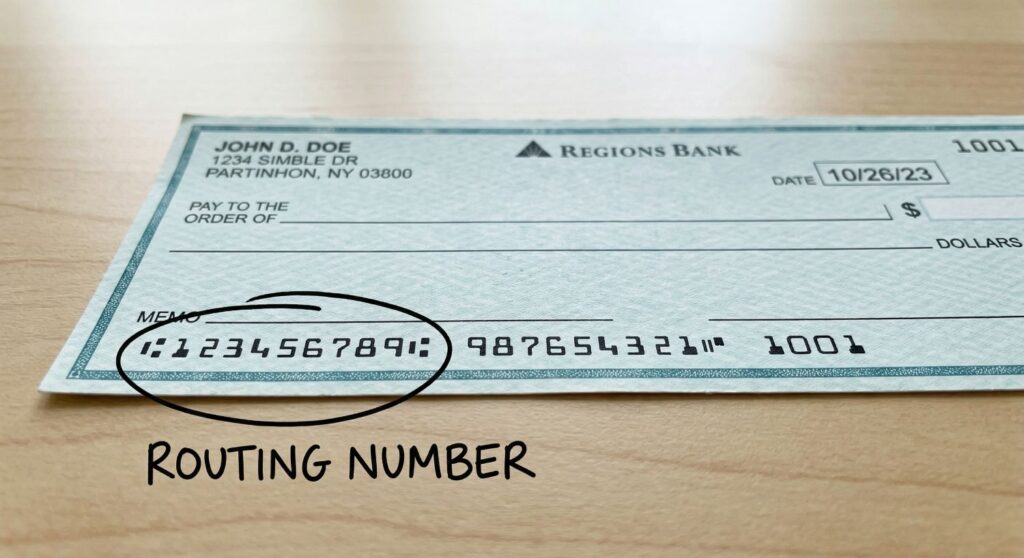
What is a routing number on a card? In most cases, there isn’t one. That’s the answer people need most when they’re filling out a direct deposit or ACH form, holding a debit card, and trying to find a nine digit bank number that simply isn’t printed there. This is where a lot of confusion starts. A debit card has a long card number on the front, but that isn’t the same thing as the routing and account number on check details used for bank transfers.
The mistake is easy to make because both a debit card and a checking account connect to your money. But they work through different systems. Once you understand that difference, it becomes much easier to find the right number and use it correctly.
Do Debit or Credit Cards Have Routing Numbers?
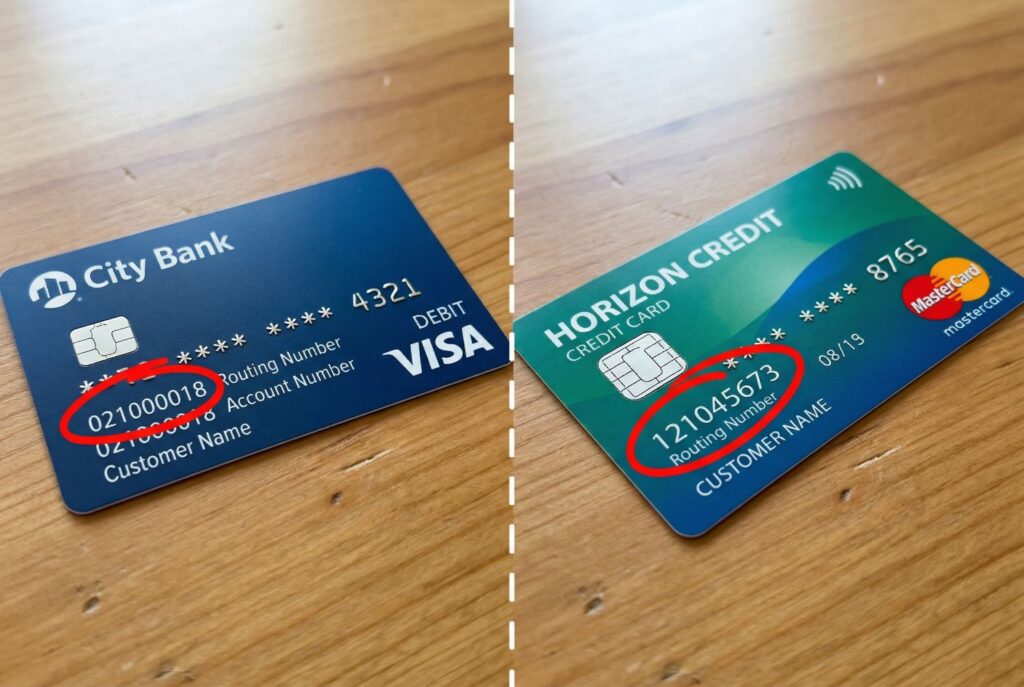
Debit cards and credit cards don’t have routing numbers printed on them. A routing number belongs to a bank account, not to the card itself.
The sixteen digit number on the front of a debit card is designed for card payment networks such as Visa or Mastercard. That number helps process card purchases, ATM use, and other card-based transactions. A routing number works differently. It belongs to the ACH and banking system used for direct deposit, bill pay, account transfers, and other bank-to-bank movements.
That’s why the answer to what is a routing number on a card is usually “none.” If a form is asking for a routing number, it isn’t asking for your card details. It is asking for your checking account information.
Credit cards don’t use routing numbers either. Credit card payments run through card networks, not through the same system used for payroll deposits or ACH transfers. So if you’re setting up direct deposit or linking a checking account for bills, your card should stay in your wallet. It doesn’t contain the banking numbers you need.
Where to Actually Find Your Routing and Account Number
If a form asks for banking information, the right place to look is your checking account, not your debit card. That usually means either a paper check or your online banking portal.
A lot of users search for where the account number is on a check because they assume the answer must be printed somewhere on the card they use every day. But the card number is for purchases. The bank account number is for transfers, deposits, and payment setup. If you have a checkbook, the bottom line of the check gives you the information you need. If you don’t, your bank app or online account usually provides the same details in a direct deposit or account information section.
Decoding the Numbers on a Check
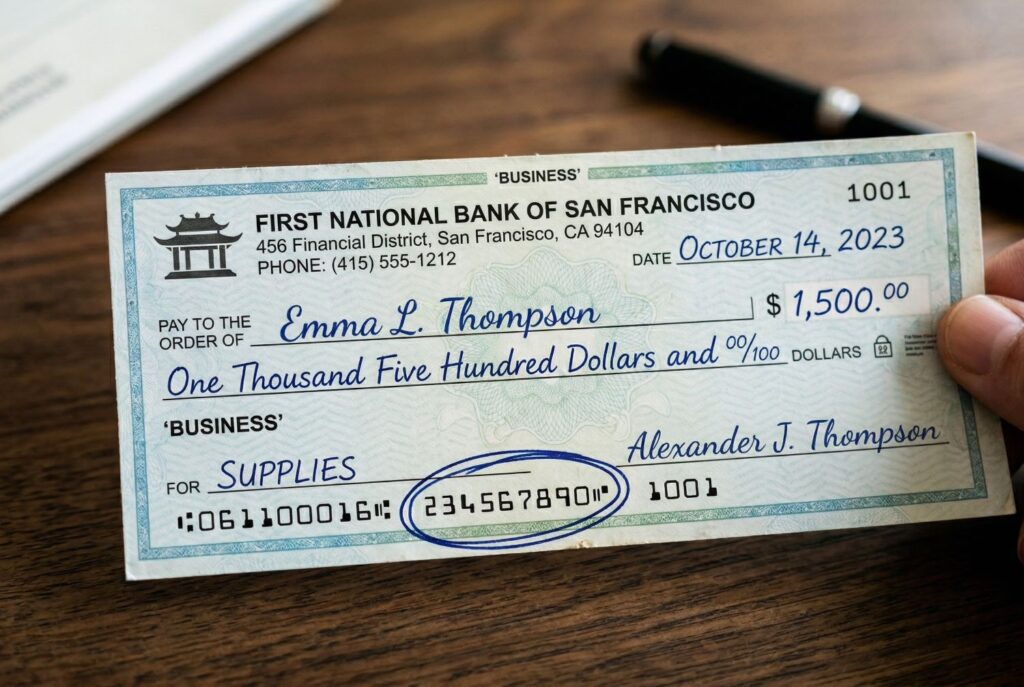
The bottom line of a paper check contains the key details most people need. These are the numbers on a check used for banking transactions.
- Left: the routing number. This is the nine digit number that identifies your bank.
- Middle: the account number. This is your personal bank account number.
- Right: the check number. This identifies that specific check.
So what is the account number on a check? It is usually the middle set of numbers in the MICR line at the bottom. That’s the number tied directly to your checking account.
There is one important detail to remember. Some banks print checks in a slightly different format, so the account number and check number can sometimes switch places. But the routing number is still the first nine digit number on the left. That makes it easier to identify the remaining sections correctly. If you’re learning how to read a check for the first time, focus on the bottom line first. That’s where the most important transaction information lives.
Finding Your Numbers Digitally Without a Paper Check
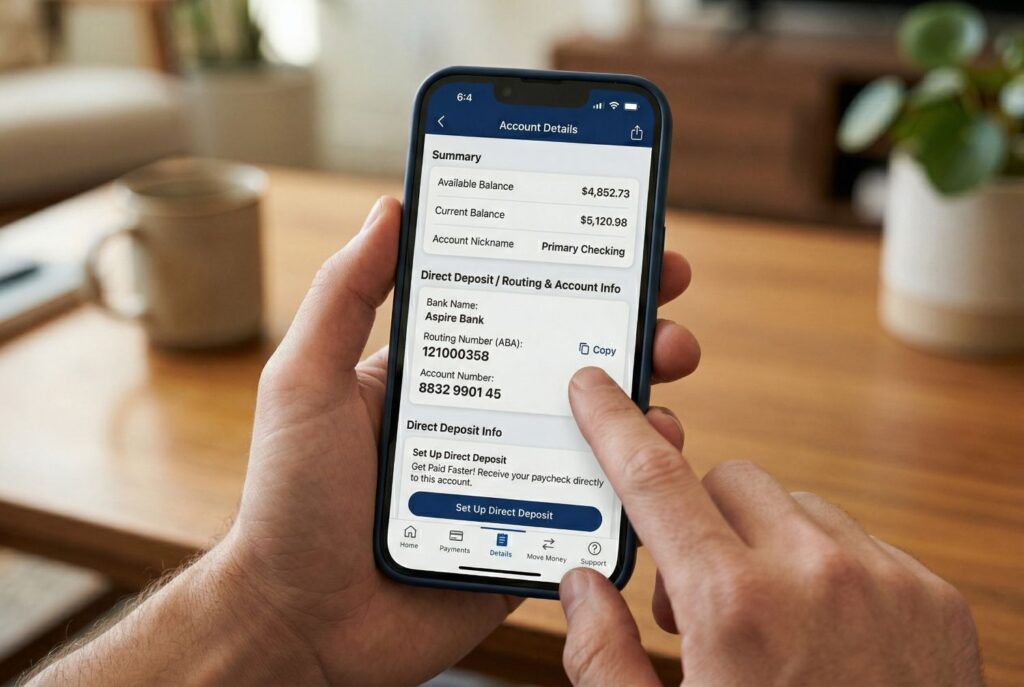
Many people don’t even keep paper checks anymore, so the digital route is often the easiest one. Inside your mobile banking app, look for a section called account details, direct deposit, or routing and account info.
On a digital PDF bank statement, the account details are often listed near the top, though some banks partially mask the number for security. Inside your online banking portal, you can usually find the full routing and account information in the checking account details screen. This is often faster and safer than digging through drawers for an old checkbook, especially if you only need the information once to complete a form.
Why You Should Never Put Your Debit Card Number on a Direct Deposit Form
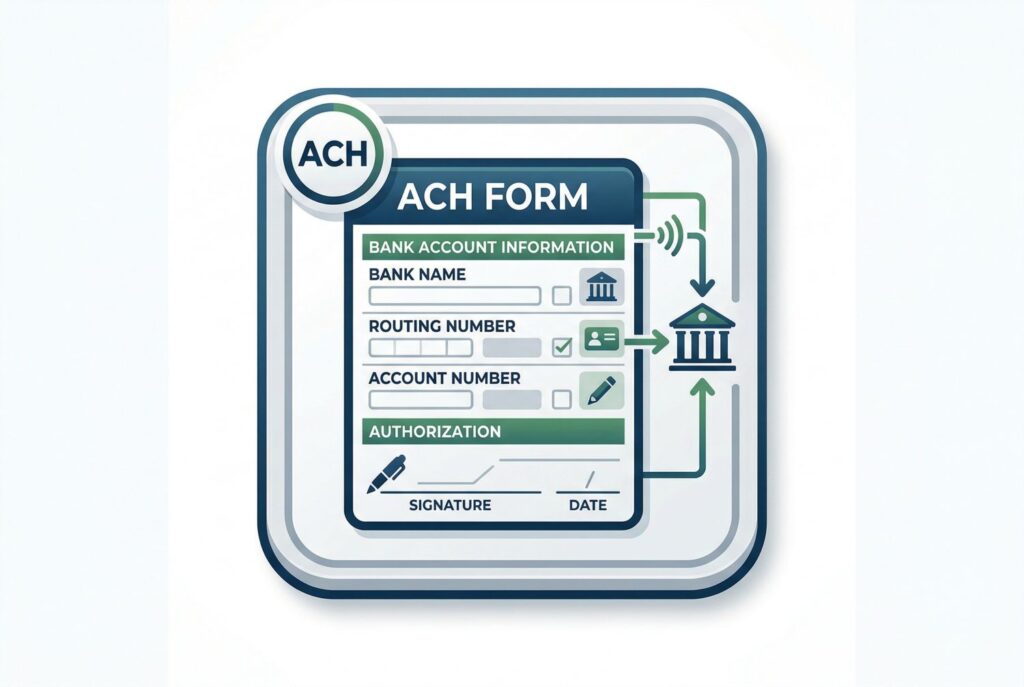
This is one of the most common errors people make, and it causes payments to fail. A direct deposit form expects bank account information, not debit card information. If you enter the sixteen digit number from your card instead of the account number on check records or your online banking details, the deposit usually won’t go through. The payment may be rejected, delayed, or bounced back because the system can’t route it properly.
The same problem happens with ACH forms, external bank linking, and some autopay setups. The form is asking for bank rails information, not card rails information. That’s why the difference matters so much. Your debit card number, expiration date, and CVV are for card transactions. Your routing number and account number are for bank transfers. Mixing them up can waste time and create payment errors that are completely avoidable.
Looking Up Specific Bank Info: Chase Routing Number Examples

Some people search for a chase routing number because they assume one large bank must use one universal number. That isn’t always how it works.
A bank can have different routing numbers depending on the state where the account was opened. That’s why a chase routing number in one state may not match the number used in another. This also explains why the routing number isn’t printed on a debit card in some universal way. It belongs to the account and the bank relationship, not to the card design itself. If you bank with Chase or another large institution, the safest approach is to use your own check, bank app, or online portal rather than pulling a random number from a general internet list. The right routing number depends on your actual account setup.
Conclusion
The core takeaway is simple. If you’re asking what is a routing number on a card, the answer is that your card usually doesn’t have one. Routing numbers belong to bank accounts, not to debit or credit cards.
When you need to set up direct deposit, ACH payments, or bank transfers, use your online banking portal or a paper check instead. That’s where you’ll find the correct routing number and account number. Keeping that distinction clear will help you avoid rejected payments, form errors, and unnecessary confusion. In other words, keep your card for purchases, keep your bank info for transfers, and learn how to read a check when you need to connect the two correctly.
Related Articles
How to Read a Check: The Easiest Way to Find Your Routing and Account Number