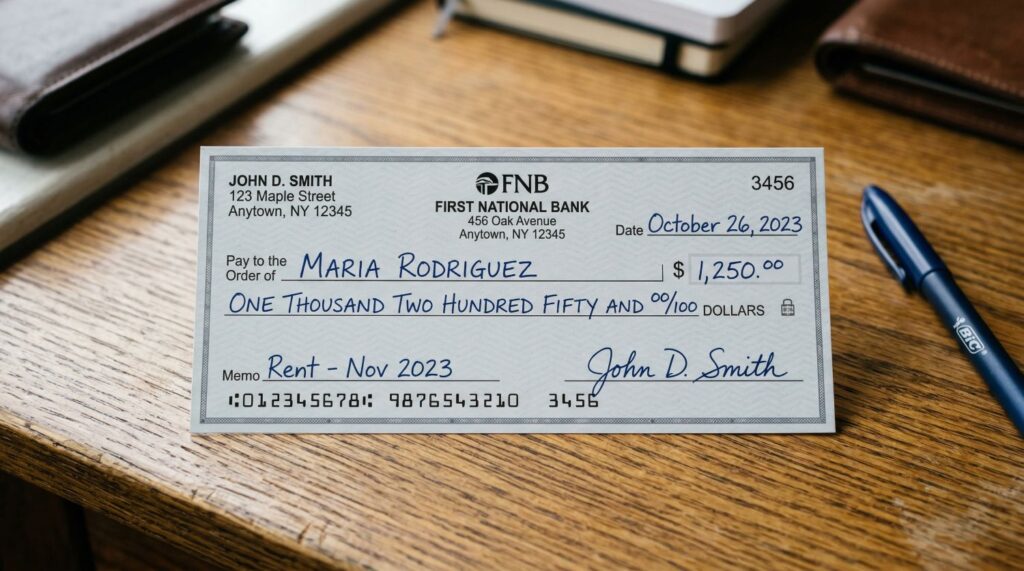
If you’re trying to figure out how to read a check, you probably don’t need a lesson on writing one. Most people today just want the routing and account number on check details so they can set up direct deposit, ACH transfers, online bill payments, or link a bank account to an app. The good news is that it’s much simpler than it looks once you know where to look.
The most important numbers are printed in a special line at the bottom of the check. From there, the rest of the check becomes much easier to understand. Once you know what each section means, you can find your bank details quickly and use them more safely.
Decoding the Numbers on a Check (The MICR Line)
The line of numbers at the bottom of a check is called the MICR line. It usually contains three number groups, and each one serves a different purpose. These are the numbers on a check that people most often need for digital banking tasks.
1. The Routing Number
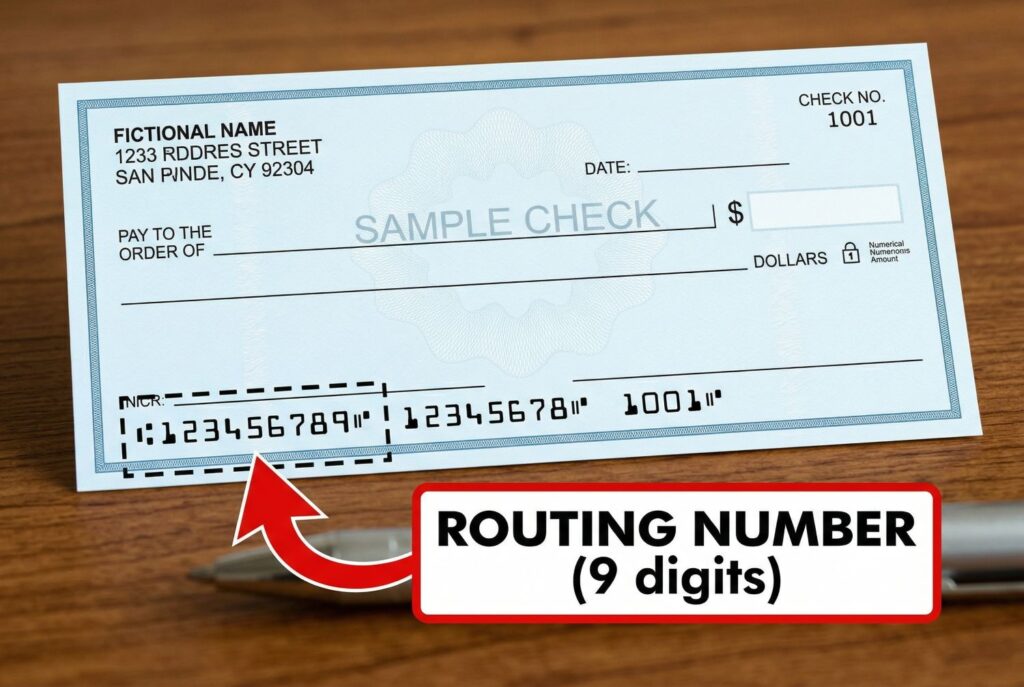
The routing number is usually the first group of numbers on the left side of the bottom line. It is always nine digits long and identifies the bank or credit union that issued the check. This number is public. It isn’t unique to your personal account. Instead, it tells payment systems which bank should receive or send the money. That’s why routing numbers are used for direct deposit, automatic payments, wire instructions in some cases, and many types of electronic transfers.
If you’re comparing routing and account number on check details, think of the routing number as the bank’s address inside the payment system. It helps move the transaction to the right institution.
2. Where Is the Account Number on a Check?
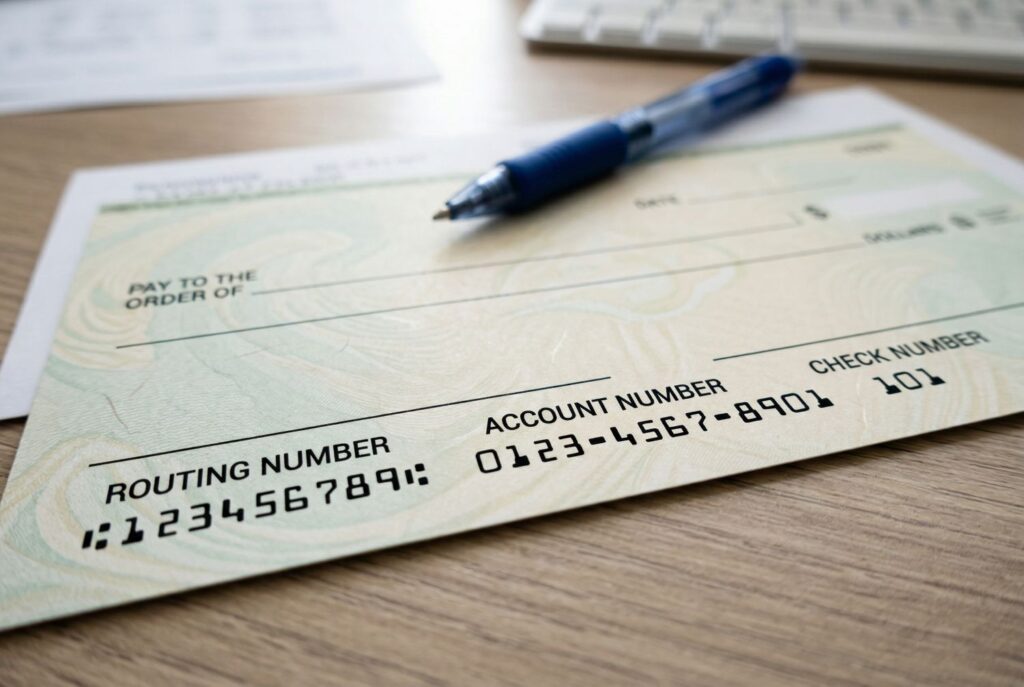
This is the question most people care about most: where is the account number on a check? In most cases, the account number is the second set of numbers in the MICR line, located right after the routing number. It belongs to your specific checking account and is private. That means you should protect it much more carefully than the routing number.
So, what is the account number on a check? It’s the number that identifies your personal bank account, not just the bank itself. If someone has the wrong information, payments can fail. If someone gets your account details and uses them carelessly, you could face fraud or unauthorized activity. If you’re wondering where the account number on check layouts can vary slightly by bank, but the account number is still usually the middle group at the bottom.
3. The Check Number
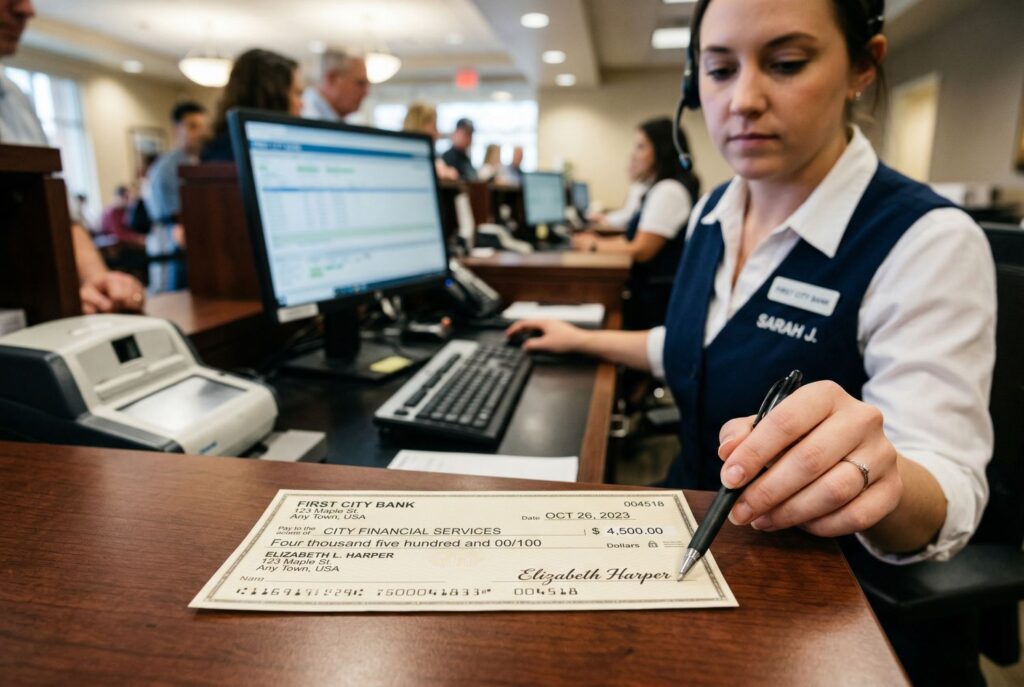
The final number group is the check number. This is the number tied to that specific paper check. It helps you and your bank track the individual transaction. You’ll also usually see the same check number printed in the top right corner of the check. That duplicate placement is useful because it lets you confirm that the document is printed correctly.
Beyond the Numbers: How to Read the Rest of a Check
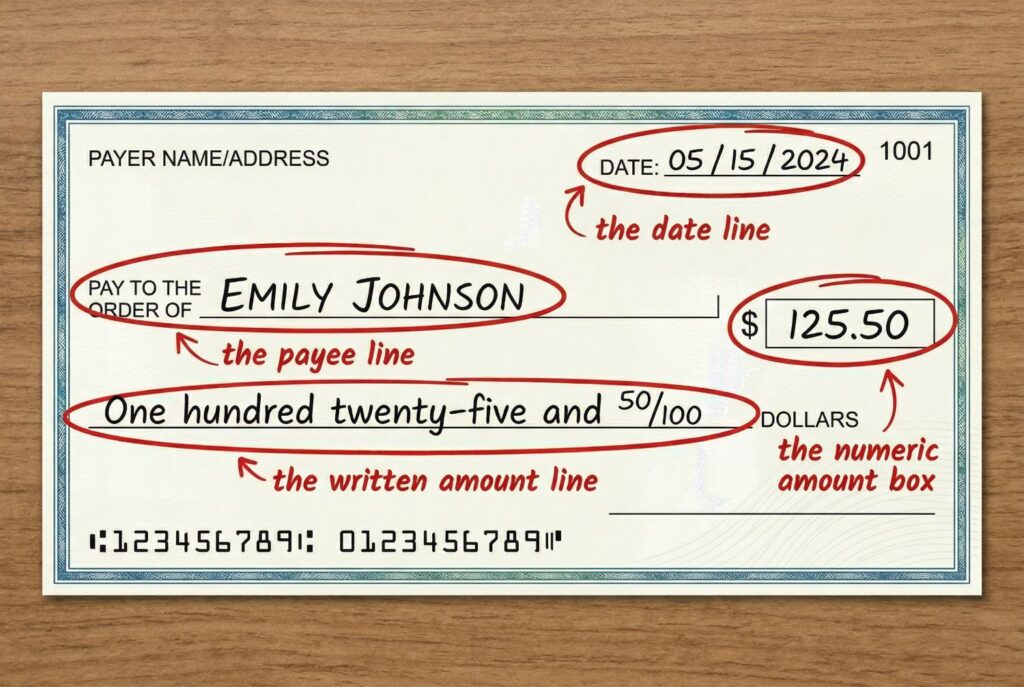
Knowing the bottom line is helpful, but a complete answer to how to read a check should include the rest of the layout too. At the top right, you’ll usually find the date line. This shows when the check was written. Then there is the payee line, which tells the bank who should receive the money. Below that, you’ll see two amount fields. One is the box for the numeric amount, and the other is the written amount line.
A very important rule applies here: if the written amount and the numeric amount don’t match, the written amount usually carries the legal weight. That’s why banks pay close attention to the words, not just the numbers in the box.
You’ll also see a memo line near the bottom left. This is optional, but people often use it to note rent, utilities, invoice numbers, or another payment reason. Finally, the signature line at the lower right authorizes the payment. Without that signature, the check usually isn’t valid. When you understand both the MICR line and the face of the check, the full document becomes much less confusing.
How to Find Your Account and Routing Number Without a Physical Check
A lot of people don’t even have paper checks anymore, so they need another way to find the account number on check related details. The easiest option is usually your mobile banking app. Most major banks now show checking account details inside the account information or direct deposit section. Online banking on a laptop or desktop often shows the same information too.
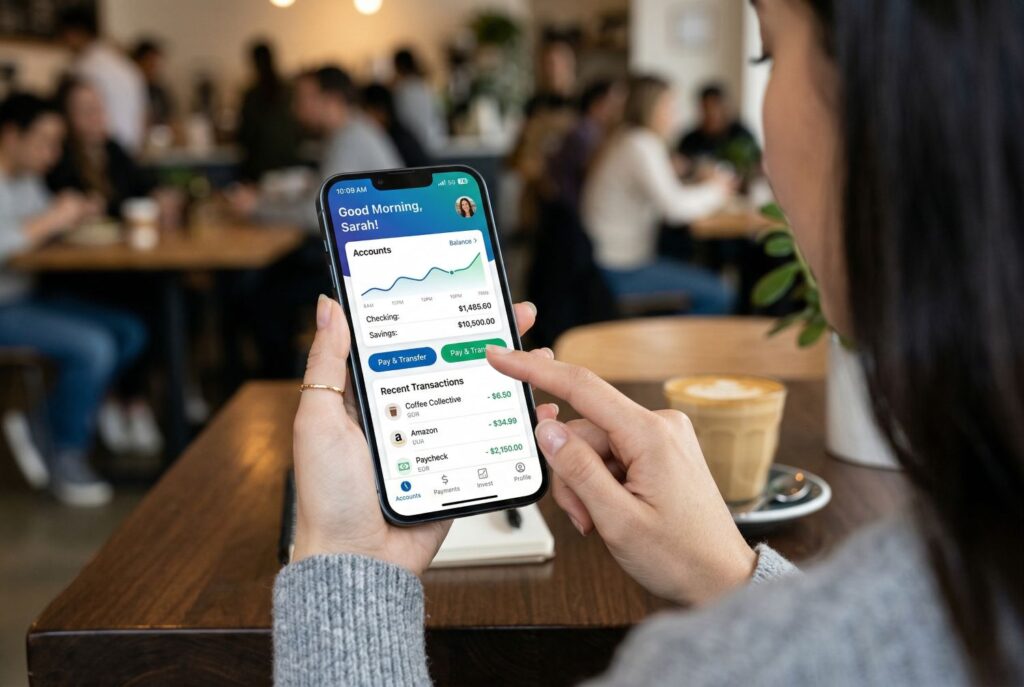
You can also check a bank statement. In some cases, the routing number and account number appear there, though banks sometimes mask part of the account number for security. If that happens, the mobile app or secure account portal is usually better. This matters because modern users often need these details for digital tasks, not paper checks. Whether you’re setting up payroll, linking an account to a payment service, or handling automatic bills, you can often get the same information without holding a physical check at all.
Finding Specific Bank Info: Chase Routing Number Guide
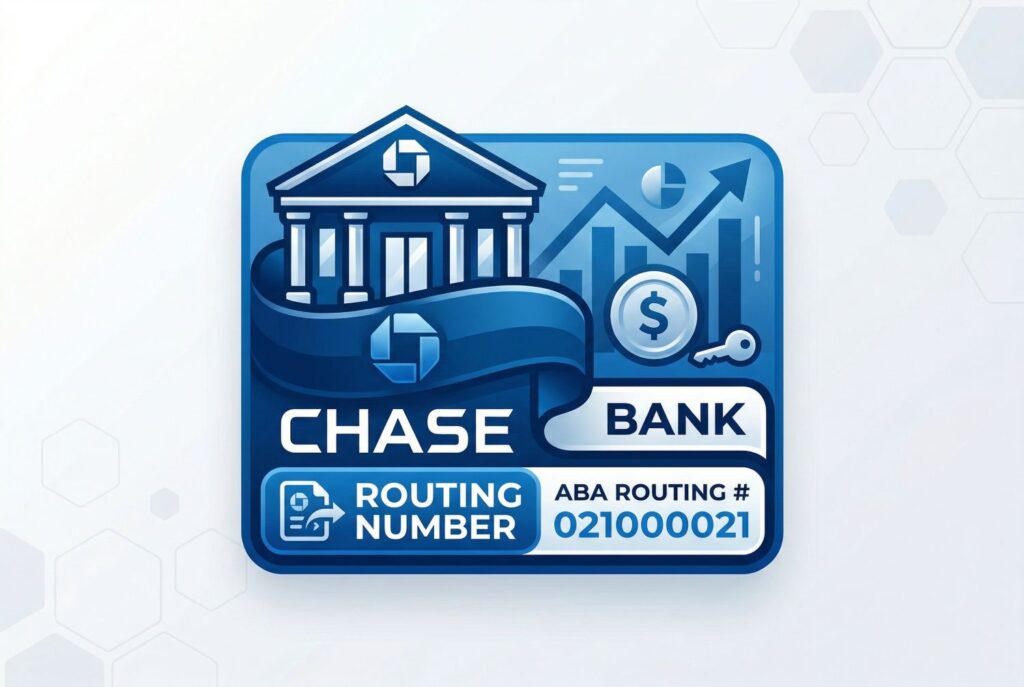
Many people search directly for a chase routing number or a chase bank routing number because they’re setting up a payment and want the exact number fast. The important thing to know is that a routing number can vary by state or by the place where the account was opened. That means one Chase customer may not have the same routing number as another. If you use the wrong one, your payment setup may fail or be delayed.
The safest approach is to check your own paper check, your Chase mobile app, or your secure online banking profile. That will give you the routing number attached to your actual account, not just a general bank-wide number you found elsewhere.
Security First: Fraud Red Flags and Protecting Your Account
Learning how to read a check should also include learning how to protect yourself.
Spotting a Fake Check
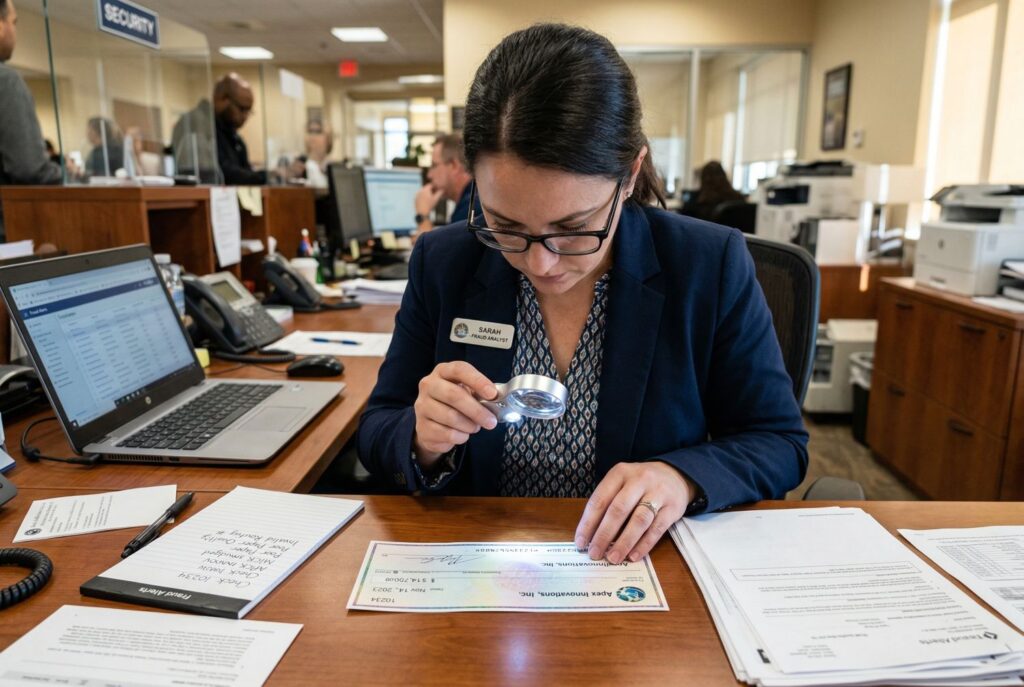
One useful warning sign is the check number. If the number in the MICR line at the bottom doesn’t match the printed number in the upper right corner, the check could be fraudulent. That mismatch can signal bad printing, altered check stock, or a fake document. You should also look out for blurry printing, strange spacing, or a check that feels inconsistent overall. If something looks off, don’t rush to deposit or accept it without verification.
Protecting Your Account Number

Your account number is private, so don’t share it casually. Avoid entering bank details over public Wi Fi, and don’t leave old checks or statements lying around. Shred outdated financial documents before throwing them away. If you need to share information for direct deposit or ACH setup, use secure channels only. The goal isn’t to be afraid of your numbers. It’s to treat them with the same care you would give any other sensitive financial information.
Conclusion
Once you understand the numbers on a check, setting up direct deposits, bill payments, and account transfers becomes much easier. The routing number identifies the bank, the account number identifies your specific account, and the check number identifies the individual check. That’s really the easiest way to read a check today. It isn’t just about paper banking anymore. It’s about using the right information for modern financial tasks while keeping your account secure.