



Tax planning is an essential financial strategy for individuals and businesses aiming to reduce their tax burden, maximize savings, and ensure they’re complying with tax laws while keeping their hard-earned money. Whether you’re navigating personal taxes or handling complex business tax structures, understanding the key strategies and tools at your disposal is crucial. This article will explain tax planning strategies, explore how to optimize your tax return, and provide actionable insights into lowering tax liabilities effectively.
What Is Tax Planning and Why Is It Important?
At its core, tax planning is the process of analyzing your financial situation to maximize tax efficiency and minimize liabilities. Effective tax planning involves making informed decisions about the timing of income, expenses, investments, and deductions to ensure you pay the least amount of taxes legally required.
Tax planning isn’t just about filing taxes; it’s about planning for the future. When done right, it allows you to optimize tax credits, defer income, and contribute to tax-advantaged retirement accounts, all while enhancing your long-term wealth.
Key Tax Planning Strategies to Reduce Liabilities
1. Maximize Retirement Savings Contributions
One of the most straightforward ways to reduce your taxable income is by contributing to retirement accounts like 401(k)s and IRAs. Contributions to traditional retirement accounts are often tax-deductible, meaning they reduce your taxable income for the year.
For instance, in 2026, individuals can contribute up to $23,000 to a 401(k), with an additional $7,500 catch-up contribution if you are 50 or older. Similarly, contributions to an IRA (Traditional) are tax-deductible up to $6,500, or $7,500 for those aged 50 or above.
2. Leverage Tax-Advantaged Accounts Like HSAs and FSAs
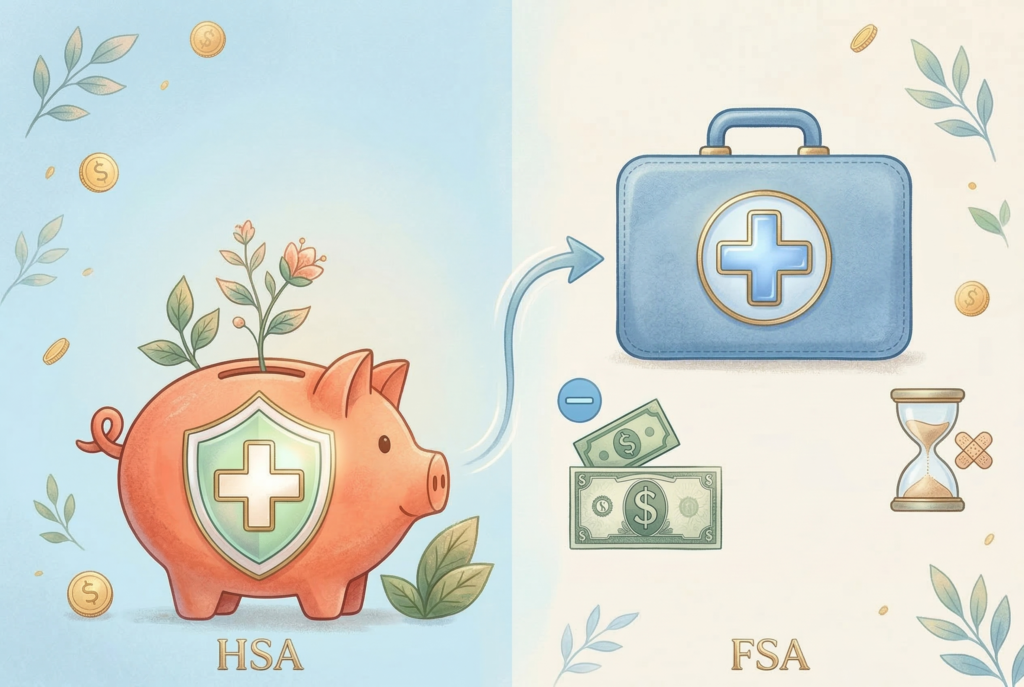
Health Savings Accounts (HSAs) and Flexible Spending Accounts (FSAs) are powerful tools for reducing taxable income while covering healthcare costs. For example, contributing to an HSA can reduce your taxable income, and the money in these accounts grows tax-free, while withdrawals for medical expenses are also tax-free. In 2026, you can contribute up to $3,950 for individual coverage or $7,950 for family coverage in an HSA.
Similarly, FSAs allow employees to set aside pre-tax money for medical expenses, child care, and other qualified expenses, lowering their overall taxable income.
3. Optimize Capital Gains Tax Strategy
Capital gains taxes apply to profits made from selling assets like stocks, bonds, or real estate. Long-term capital gains (for assets held longer than a year) are taxed at lower rates than short-term gains (for assets held for one year or less). For example, in 2026, long-term capital gains for individuals in the 15% or lower tax brackets are taxed at 0%, while higher-income individuals face rates of 15% or 20%.
Tax-loss harvesting is a strategy where you sell losing investments to offset gains from other investments, effectively lowering your taxable income. This strategy works well for individuals with a portfolio of investments, as it can help reduce your capital gains tax bill and optimize your overall tax situation.
4. Maximize Tax Deductions and Credits
Tax deductions and credits are essential tools in reducing tax liabilities. While deductions reduce your taxable income, credits directly reduce the amount of tax you owe. Common deductions include mortgage interest, student loan interest, and charitable contributions.
Tax credits, such as the Earned Income Tax Credit (EITC) or Child Tax Credit, provide significant savings by reducing the tax amount owed. For example, in 2026, the Child Tax Credit allows you to claim up to $2,000 per qualifying child.
Make sure to research all possible deductions and credits available to you, such as education tax credits, state-specific credits, and healthcare credits, especially if you’re self-employed or own a small business.
5. Tax Planning for Business Owners

Business owners can benefit significantly from tax planning strategies, including choosing the right business structure. For example, businesses structured as S-corporations or LLCs can reduce self-employment taxes and protect personal assets.
Additionally, business owners can deduct expenses such as office supplies, equipment, travel, and health insurance. Establishing qualified retirement plans for employees and owners, such as SEP IRAs or 401(k)s, also helps reduce taxable income.
Year-End Tax Planning Tips
To optimize your tax situation, it’s important to act before the year ends. Here are some year-end tax planning tips that can help you reduce your tax liabilities:
- Defer income: If possible, defer income into the next tax year to lower your current year’s tax burden.
- Make charitable donations: Charitable donations made before December 31 can be deducted on your current year’s tax return.
- Max out retirement contributions: Make sure you’ve contributed the maximum allowable amounts to your 401(k), IRA, or other tax-advantaged accounts.
- Sell losing investments: Use tax-loss harvesting to offset capital gains and reduce taxes on investment income.
- Review your tax withholding: Adjust your tax withholding if necessary, especially if you’ve had significant changes in income or deductions.

The Importance of Consulting a Tax Professional
While tax planning can be done independently, consulting a tax professional can provide valuable guidance, especially if your tax situation is more complex. A certified tax advisor or financial planner can help you navigate the intricacies of business tax planning, estate tax planning, and multistate tax issues. They can also help you stay updated on recent tax law changes, which may affect your strategy.
When choosing a tax professional, look for someone who is well-versed in your specific financial situation, whether that involves self-employment, small business taxes, or complex investment portfolios.
Conclusion: Start Planning Today to Maximize Your Savings
Tax planning isn’t just for the wealthy or business owners. By implementing the right strategies, you can reduce your tax burden, save more, and keep more of your hard-earned income. Start early, keep track of your expenses and deductions, and consider working with a professional to ensure your tax planning is optimized.
Taking a proactive approach to tax planning allows you to make the most of your financial resources, whether you’re preparing for retirement, managing investments, or looking to save on your annual tax return. Start today to take control of your taxes, minimize your liabilities, and achieve your financial goals.
Related Articles
- How to Build a Tax Smart Financial Lifestyle for Long Term Financial Security
- 10 Common Tax Mistakes That Cost People Thousands Without Them Noticing
- How Taxes Influence the Way People Invest and Plan for Retirement
- How Smart Financial Organization Helps Reduce Tax Stress and Financial Uncertainty
- How Tax Decisions Made Today Shape Your Financial Future

